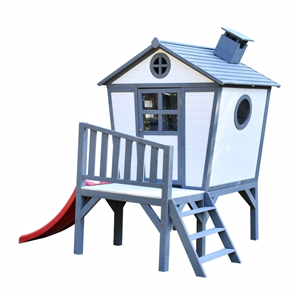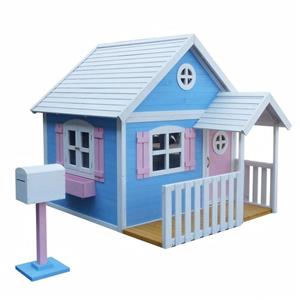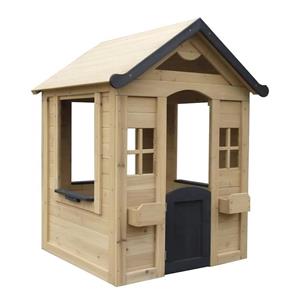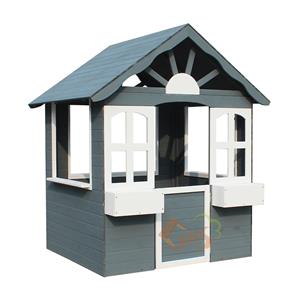
Are Portable Modular Wooden Playhouses Transforming Public Parks into Play Villages?
A quiet revolution is unfolding in urban green spaces, reimagining the very nature of public play. The introduction of portable, modular wooden playhouses is enabling cities to create dynamic, temporary play villages in parks, transforming underutilized lawns into vibrant hubs of imagination. This innovative approach prompts a compelling question for urban planners and communities: How are temporary, modular structures reinventing public play and fostering flexible community engagement?
This concept moves far beyond installing a single, static wooden playhouse. Instead, it involves a fleet of lightweight, interlocking modular units—each a self-contained childrens wooden playhouse—that can be arranged and reconfigured to create unique layouts: a dense village one week, a long frontier outpost the next. These are not flimsy tents, but well-crafted outdoor wooden playhouse units designed for both durability and mobility, often featuring wheels or lightweight frames for easy relocation by a small team.
The Philosophy: Ephemeral Play and Community Activation
The power of this model lies in its temporality and adaptability. Traditional playgrounds are permanent, expensive, and can become monotonous. A temporary wooden wendy house village, however, creates a sense of novelty and event. It can be installed for a season, a month, or even a weekend festival, drawing families to parks with the promise of a fresh, imaginative landscape. This "pop-up" philosophy activates underused park areas, testing locations for permanent play features while generating buzz and community interest in public space programming.
Furthermore, modularity empowers co-creation. Community workshops can be held where children help decide the village layout, painting non-structural elements or naming different "districts" within their temporary world. A simple play house wooden unit might serve as a cafe, another as a library, and a third as a spaceship command module. This participatory process fosters a deep sense of ownership and connection to the park, transforming citizens from passive users into active co-designers of their play environment.
Design and Logistics: The Science Behind the Magic
The success of these projects hinges on ingenious yet practical design.
Modular Connectors: Units feature secure, child-safe connection systems that allow them to be linked into clusters, forming enclosed courtyards or linear streets.
Lightweight, Robust Construction: Using materials like sustainably sourced pine or cedar, the structures are built to be lifted and moved but are robust enough to withstand enthusiastic public play. Roofs may be canvas or lightweight composite panels.
Integrated Storage and Transport: The design incorporates ease of mobility. Units might fold flat, stack, or have integrated tow bars, allowing them to be stored compactly when not in use and efficiently deployed across different park sites by a municipal team.
Safety and Accessibility: Despite their temporary nature, they adhere to critical public play safety standards. Designs ensure clear sightlines for supervision, use non-toxic finishes, and consider accessible pathways into and around the village layout.
The Broader Impact: Flexibility, Inclusion, and Urban Ecology
This model offers profound benefits for modern urban management:
Flexible Land Use: Parks can host a sculpture exhibition one month and a wooden playhouse village the next, maximizing the utility and appeal of public space without the cost and permanence of traditional builds.
Socially Targeted Programming: Villages can be deployed in neighborhoods identified as having fewer play opportunities, ensuring equitable access to high-quality, imaginative play across the city.
Low-Commitment Experimentation: Cities can test innovative play concepts or gauge interest in new park areas before investing in permanent infrastructure.
Promoting Nature-Based Play: These outdoor wooden playhouse villages, by their very material and temporary nature, emphasize a connection to the park's natural setting, encouraging play that is responsive to the outdoors rather than sealed off from it.
The advent of portable, modular wooden playhouses is more than a novelty; it is a strategic tool for dynamic, responsive, and community-centric public space design. These temporary play villages democratize imaginative play, invite ongoing community participation, and offer cities a flexible, sustainable model for activation. They prove that the magic of a childrens wooden playhouse need not be confined to a private backyard but can be a shared, evolving resource that temporarily transforms our public parks into landscapes of collective wonder, one modular module at a time.
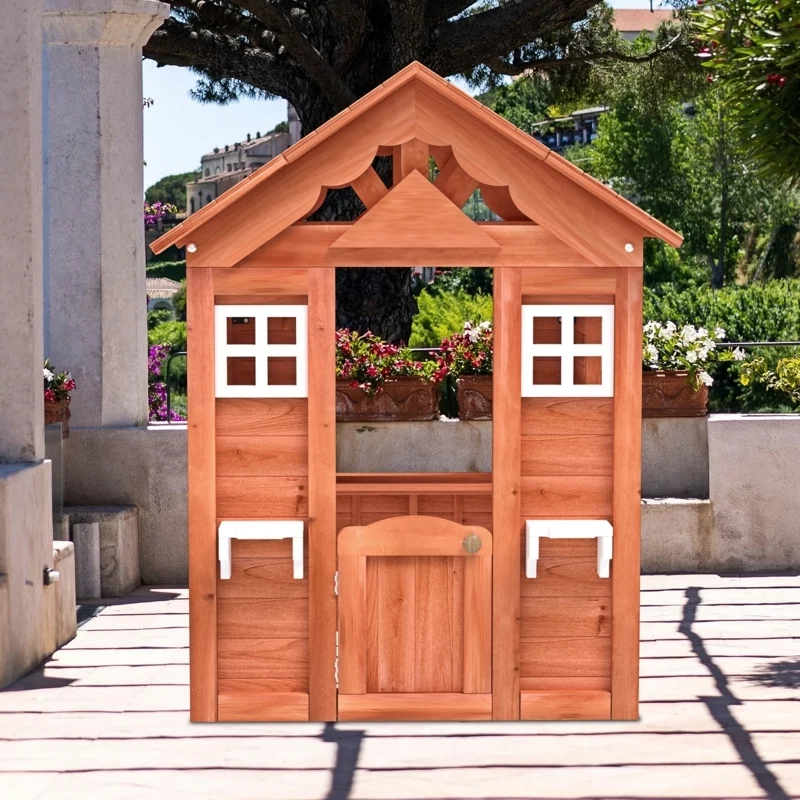
play house wooden
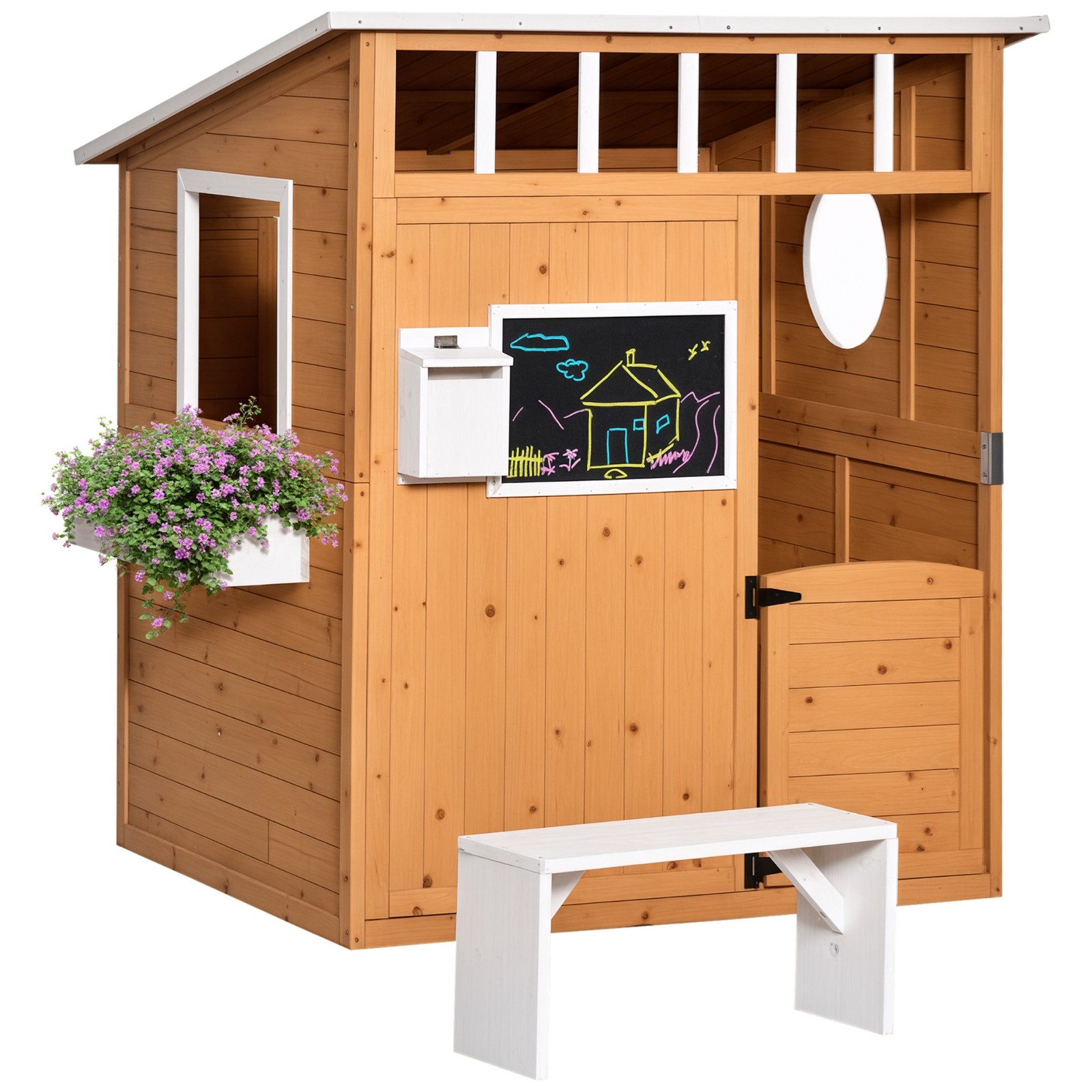
childrens wooden playhouse
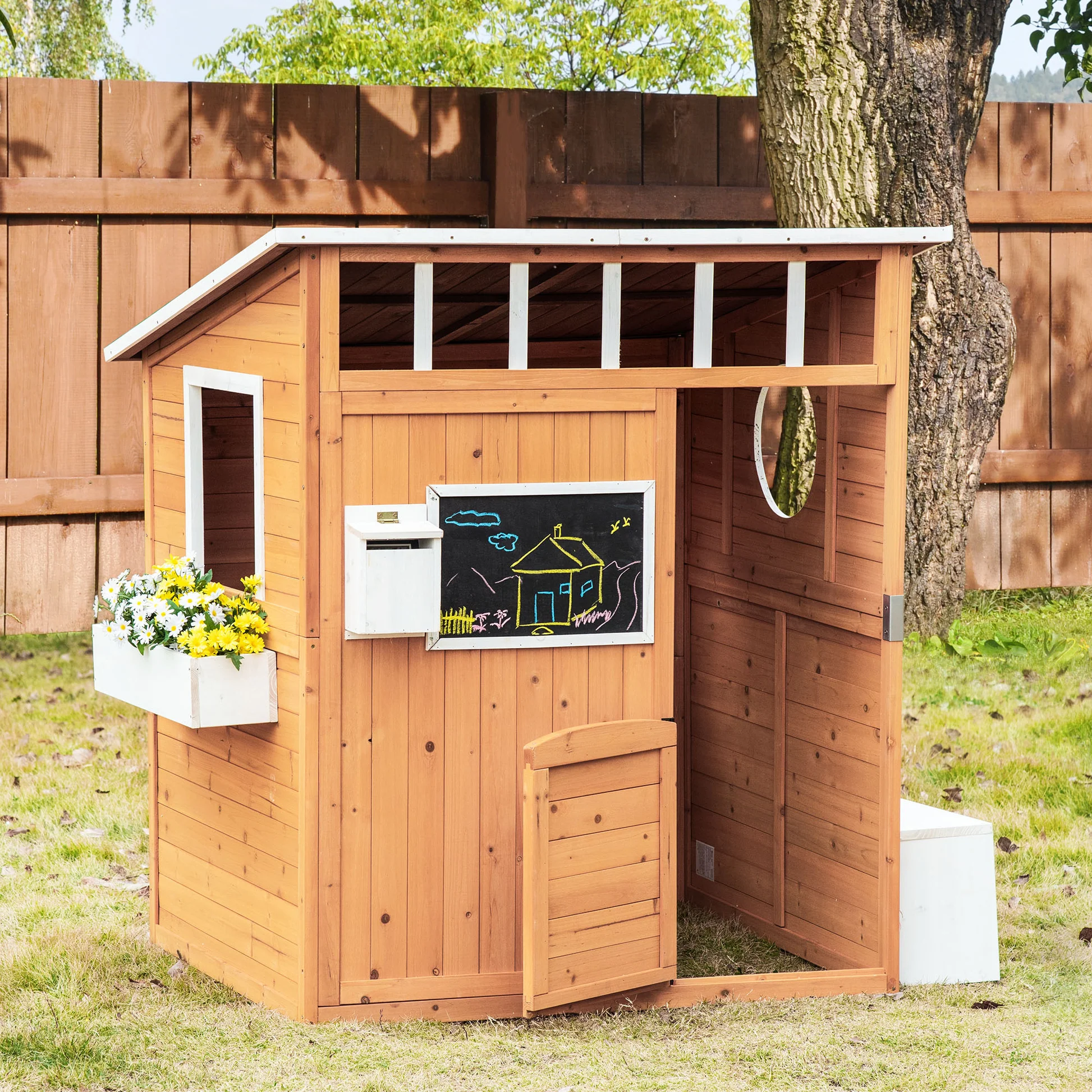
wooden wendy house
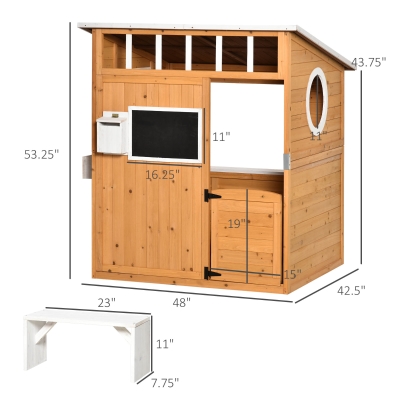
outdoor wooden playhouse