Are Wood Splinters and Treatments Safe?
For parents investing in a large wooden swing set, the natural material's appeal is often tempered by two primary health concerns: the risk of wood splinters and the safety of chemical treatments used for preservation. Navigating the balance between durability and child safety requires a clear, evidence-based understanding. This deep dive addresses the critical question: What are the real risks associated with wood splinters and preservatives on playsets, and how can families ensure a safe play environment?
Understanding these factors is essential for making an informed purchase and implementing effective, ongoing safety practices.
Wood Splinters: Risk Assessment and Proactive Management
The potential for splinters is inherent in any woode
n large swing structure, but the risk level is directly tied to wood quality, maintenance, and environmental exposure.
The Science of Splintering: Wood splinters when its surface fibers become raised and brittle due to weathering—specifically from repeated cycles of sun (UV) exposure and moisture. Untreated or poorly maintained wood dries out, cracks, and sheds these loose fibers, which can easily puncture skin.
Data-Driven Prevention: The CPSC notes that while splinter injuries are common, they are rarely severe. However, they are almost entirely preventable.
Material Choice Matters: Dense, close-grained hardwoods or high-quality, kiln-dried softwoods (like premium Cedar or Redwood) are less prone to splintering than low-grade, rough-cut pine.
The Role of Finishes: A well-maintained, non-toxic wood sealant is the primary defense. It penetrates the wood fibers, creating a flexible barrier that prevents moisture ingress and UV damage, the two main causes of surface degradation. Regular reapplication per the manufacturer's schedule is not cosmetic; it is a core safety protocol.
Maintenance as a Safety Check: A simple "hand test"—running your palm over all surfaces of your big wooden swing set seasonally—can identify rough spots before they become hazards. Light sanding and immediate resealing of these areas is crucial.
Chemical Treatments: Decoding Safety and Regulations
The preservatives used in pressure-treated wood, particularly for structural posts in contact with the ground, are a major parental concern. The industry has evolved significantly from the arsenic-based CCA treatments banned for residential use in 2003.
Modern Treatment Standards: Today's large wooden playgrounds sets using pressure-treated wood typically employ micronized copper azole (MCA) or alkaline copper quaternary (ACQ). These are considered safer alternatives, with the copper acting as the primary fungicide and insecticide.
Understanding the "Safe for Play" Designation: Look for certification that the wood is suitable for children's playsets. Reputable suppliers use lumber that is dried after treatment (KDAT). This process reduces surface chemical residue and moisture content, making the wood safer for handling and allowing for proper adhesion of a protective sealant.
The Critical Sealing Mandate: Independent health and safety reviews consistently emphasize that even with modern treatments, sealing the wood is non-negotiable. A high-quality, water-based acrylic or polyurethane sealant approved for children's toys creates a physical barrier. This locks any treatment chemicals within the wood and prevents direct skin contact or the leaching of copper into the soil over time, while also providing the splinter protection noted above.
The Integrated Safety Solution: An Action Plan for Parents
1、Purchase Wisely: Opt for sets made from naturally durable woods (Cedar, Redwood) for above-ground components. If the structure uses pressure-treated pine for ground contact, verify it is KDAT and ask the retailer for documentation on the treatment type.
2、Seal Immediately and Religiously: Before children play, ensure all wood—regardless of type—is coated with 2-3 layers of a non-toxic, water-based sealant labeled for playgrounds. Reapply every 1-2 years.
3、Implement the "Hand Test": Make seasonal tactile inspections part of your maintenance routine.
4、Promote Safe Play Habits: Encourage children to wear shoes on the large wooden swing and to avoid playing on the set when the wood is wet, as moisture can temporarily raise grain and increase splinter risk.
The truths about wood splinters and chemical treatments reveal that risks are manageable through informed material selection and disciplined maintenance. The key to a safe wooden large swing set is not in avoiding wood, but in understanding its nature. By choosing quality materials, applying and maintaining a safe sealant barrier, and performing regular inspections, parents can confidently provide the timeless benefits of a large wooden swing set—ensuring it remains a source of healthy, active play without compromising on safety.
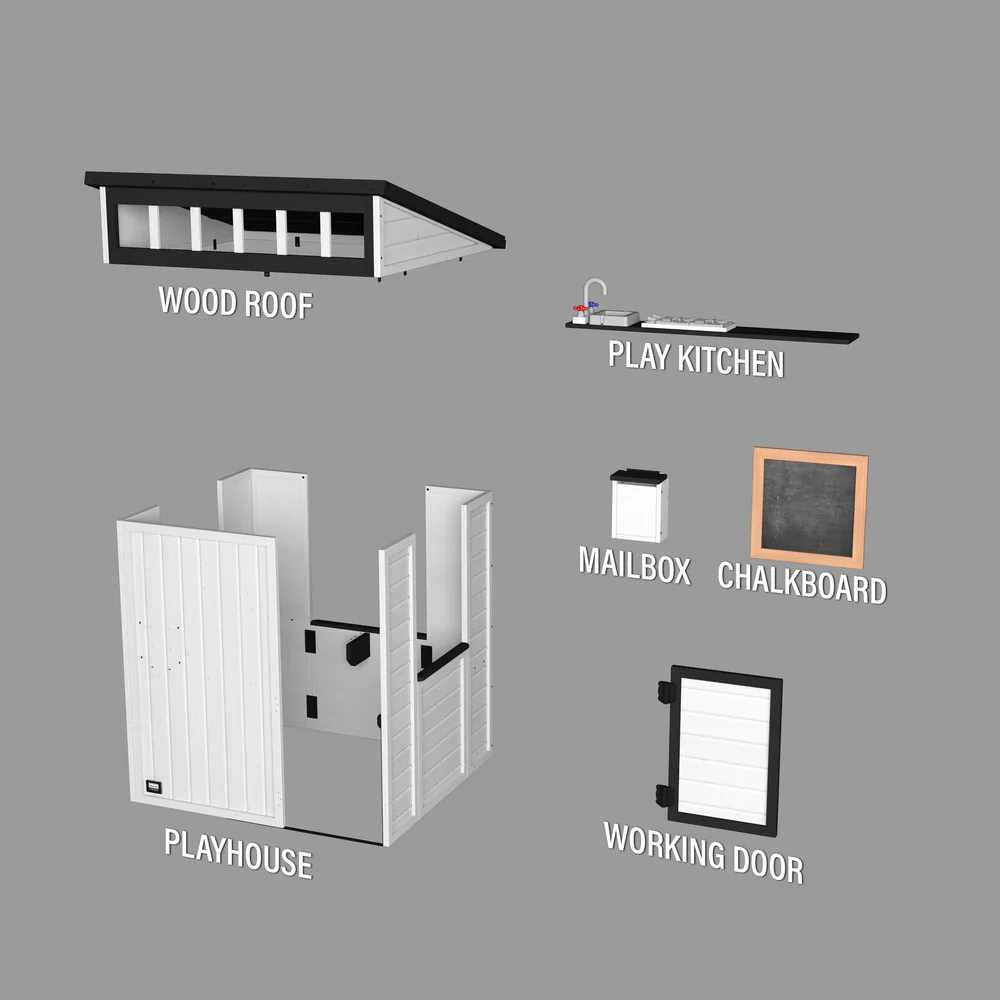
big wooden swing set
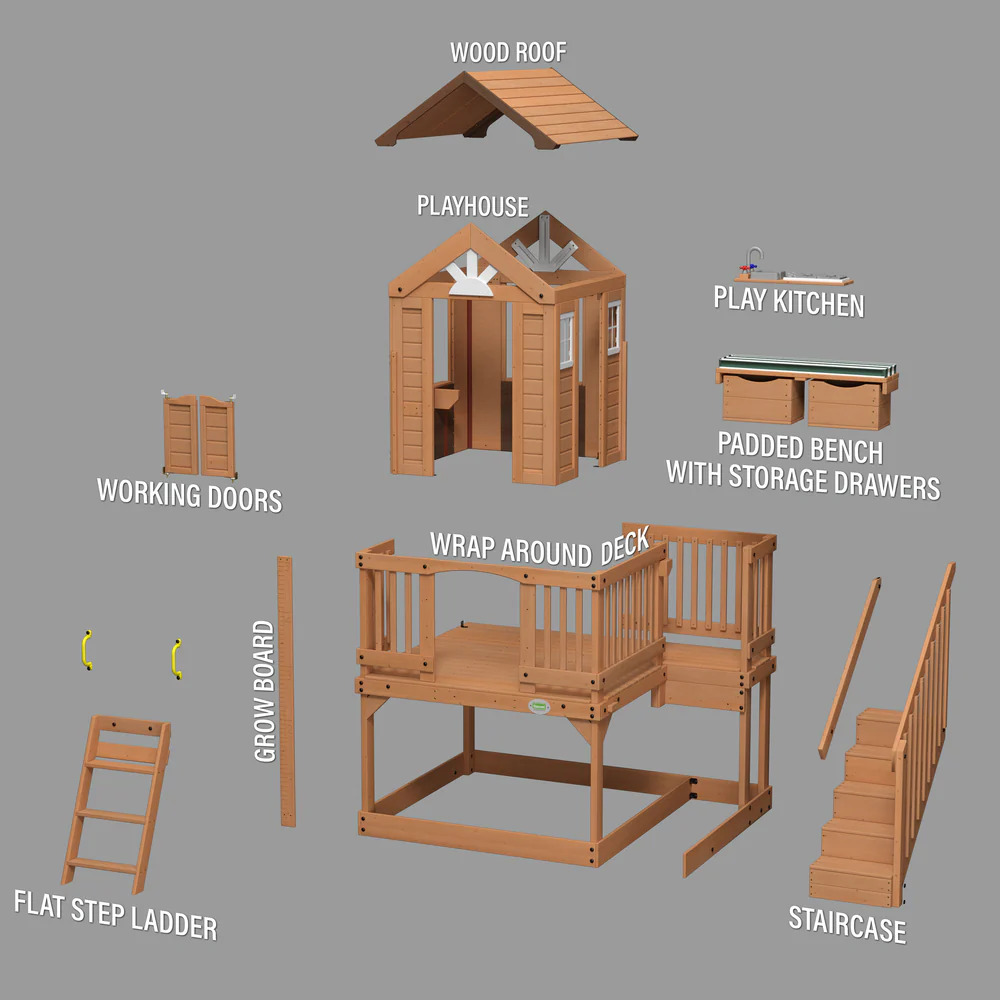
wooden large swing
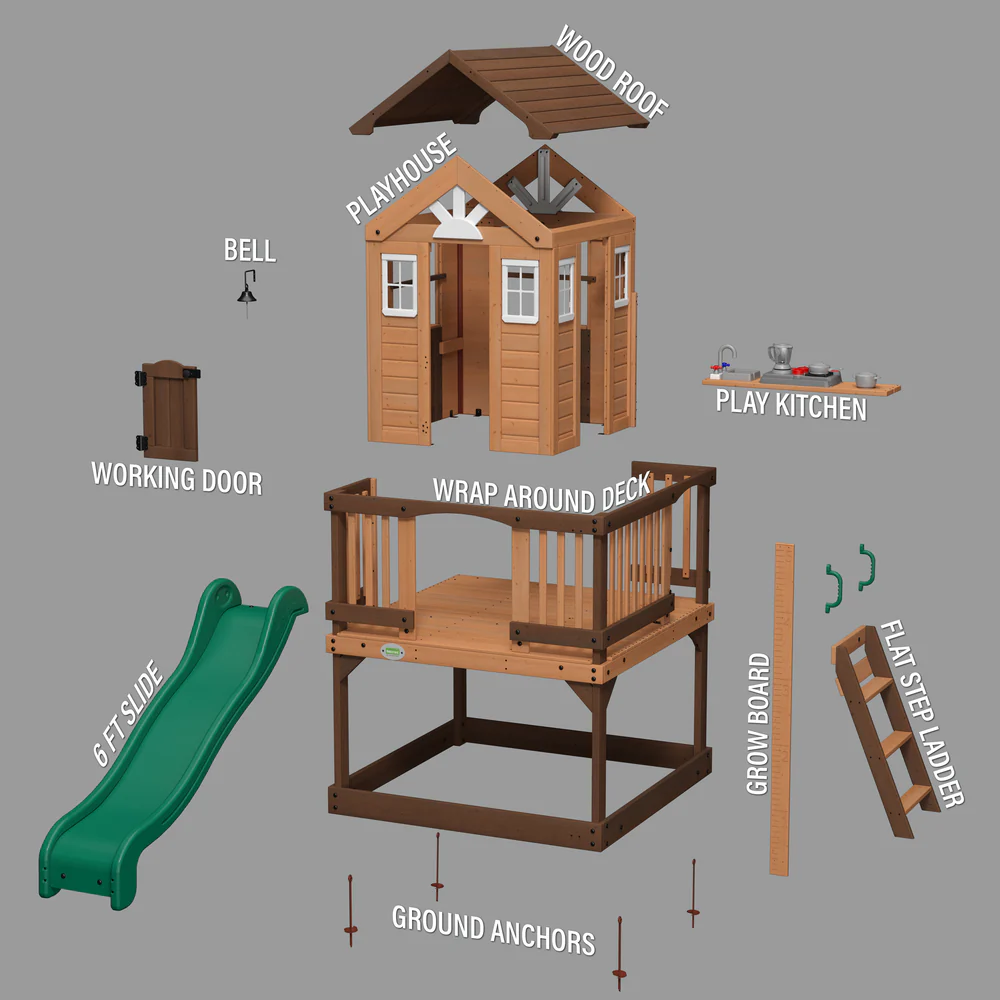
large wooden swing
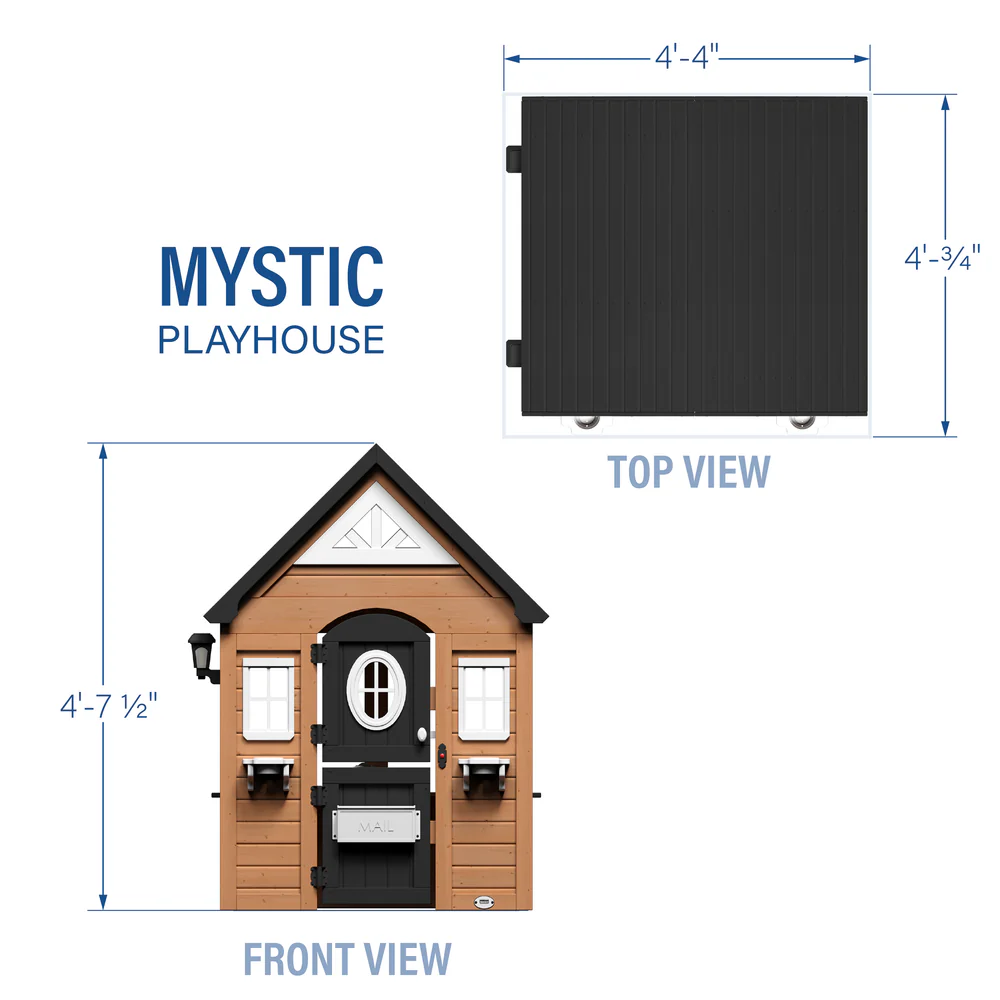
large wooden playground