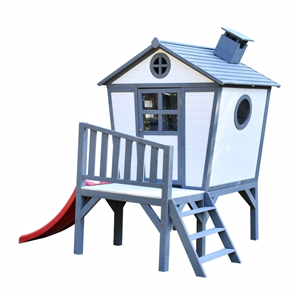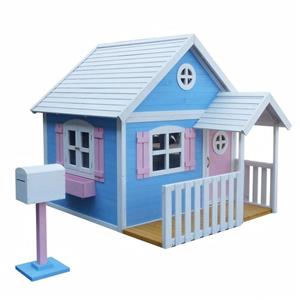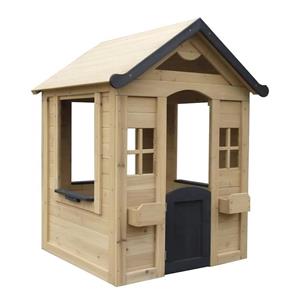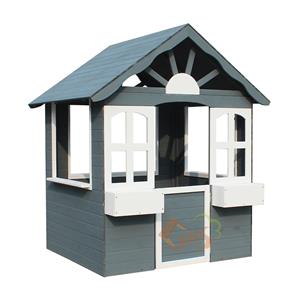
Can a Wooden Playhouse Be Neurodivergent-Friendly?
In a transformative shift toward inclusive play, the concept of the backyard wooden playhouse is being reimagined through the lens of neurodiversity. Beyond its traditional role as a venue for imaginative games, designers and child development experts are now championing the creation of neurodivergent-friendly playhouses—intentional spaces crafted with calming, sensory-sensitive principles to support children of all neurological profiles. This evolution prompts a vital question: How can a simple outdoor wooden playhouse be designed to serve as a therapeutic, calming sanctuary that genuinely supports neurodivergent children?
The modern outdoor wooden playhouse, when designed with neurodiversity in mind, transcends being just a play structure. It becomes a self-regulatory tool—a predictable, manageable environment where children can retreat to process sensory input, find calm, or engage in focused play at their own pace. This design philosophy emphasizes control, safety, and sensory balance over overwhelming stimulation. The classic wooden wendy house, therefore, is re-engineered from the ground up to be a haven of predictability and comfort.
Foundational Principles: Safety, Predictability, and Control
The core of this design approach rests on three pillars. First is physical and psychological safety. A neurodivergent-friendly play house wooden must be structurally secure, with no unexpected movements or sounds from loose parts. Its interior should feel enclosed and protective, without being claustrophobic. Second is predictability and order. The space needs clear, simple organization. This can be achieved through symmetrical design, designated zones for different activities (a quiet reading nook, a tactile play area), and the consistent use of colors and materials. Third, and crucially, is user control. Features like adjustable louvers on windows, a door that can be easily opened or closed from the inside, and movable, lightweight interior elements allow a child to modulate their environment—controlling light, sound, and privacy—which is empowering and calming.
Sensory-Intelligent Design: A Tactile and Auditory Oasis
Material selection and sensory detail are paramount in a childrens wooden playhouse built for neurodiversity.
Tactile Harmony: Natural, unfinished wood is favored for its warm, consistent texture. Sanded to a silky-smooth finish, it avoids the unpredictable feel of plastic or metal. Different zones might incorporate other calming textures, such as a soft, washable carpet square, a smooth stone slab, or a beanbag chair, offering a range of predictable tactile inputs.
Acoustic Management: The structure can be designed to dampen sound. Insulated walls, acoustic panels covered in felt, and thick, soft furnishings help absorb ambient noise from the yard or household, creating a buffer from auditory overload. The gentle, natural sound of wind against the wood can be soothing rather than jarring.
Visual Calm: Color palettes are intentionally muted and nature-based—soft greens, warm browns, pale blues—avoiding high-contrast or overly bright patterns that can be visually stimulating. Lighting is indirect and adjustable; a skylight with a diffusing panel provides soft, natural light without glare, while dimmable, warm-toned LED strips offer gentle illumination for evening use.
Functional Adaptability and Spatial Clarity
The layout of a wooden playhouse designed for neurodivergent children prioritizes clear boundaries and flexible use. Instead of an open, undefined space, the interior might be gently divided into distinct, purpose-defined areas. A low platform could define a "cozy cave" for retreat, while a smooth, uncluttered table surface defines a "making station." Storage is built-in and intuitive, with labeled bins or open shelves, reducing visual clutter and helping the child maintain order. The entry is designed to be a clear transition space, perhaps with a small step or a change in flooring, signaling a shift from the bustling backyard to a personal zone of calm.
The movement toward neurodivergent-friendly playhouses represents a profound and necessary evolution in outdoor play design. It demonstrates that a wooden playhouse can be much more than a toy; it can be a thoughtfully engineered environment that acknowledges and supports diverse neurological needs. By integrating principles of safety, sensory balance, predictability, and user control, the humble outdoor wooden playhouse or charming wooden wendy house is transformed into a powerful, accessible tool for self-regulation, focus, and joyful, stress-free play. This approach doesn't just create a space for some children—it elevates the design to create a superior, calming, and supportive retreat for all children, proving that inclusivity, when woven into the fabric of design, benefits everyone.
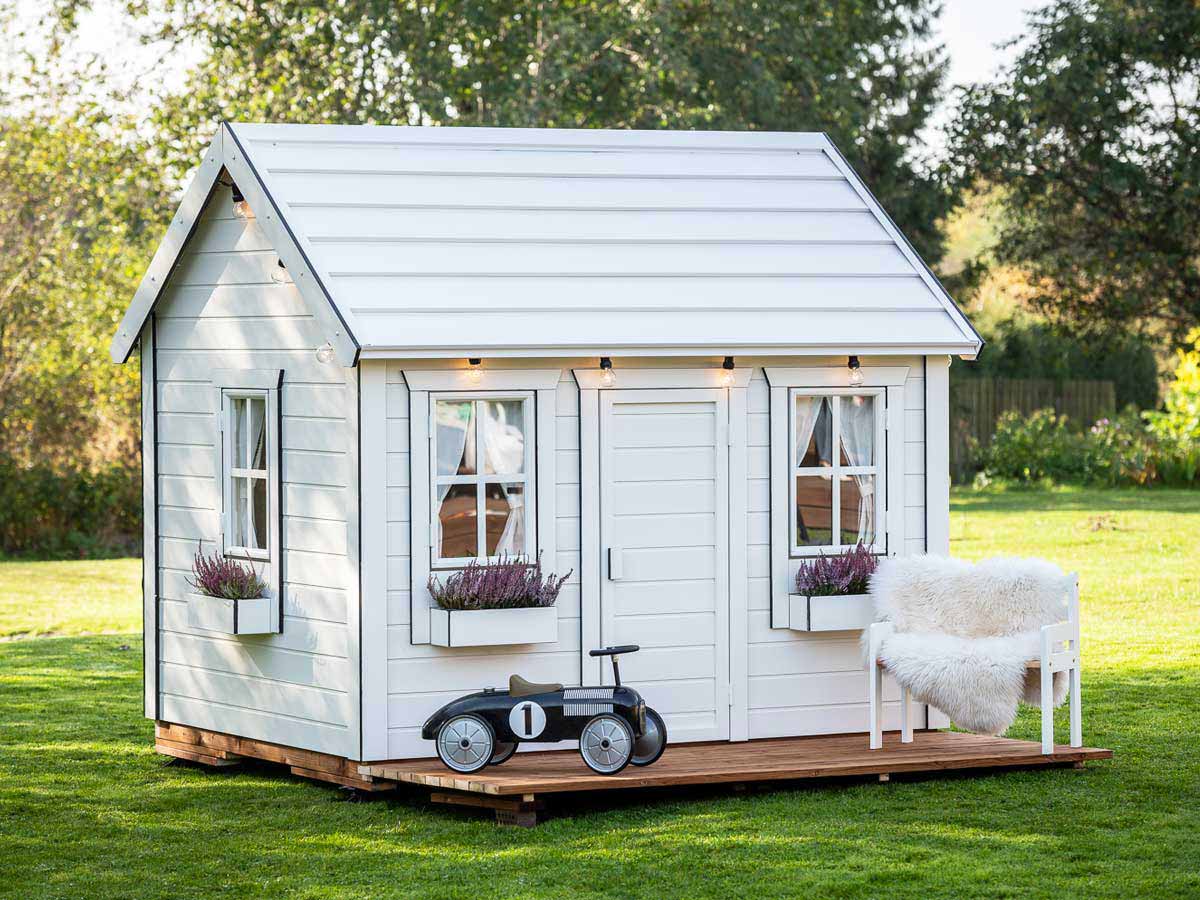
play house wooden
childrens wooden playhouse

wooden wendy house
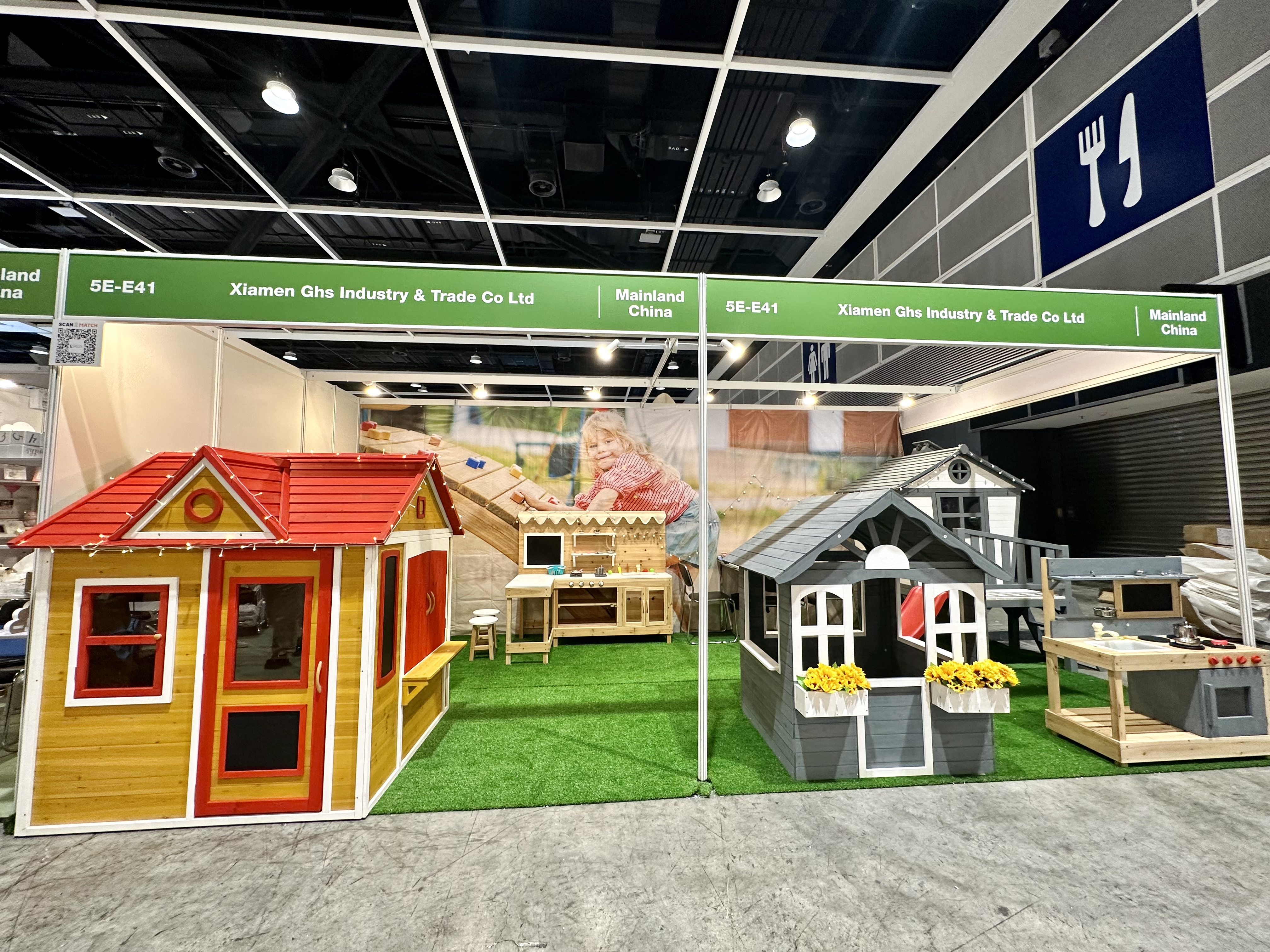
outdoor wooden playhouse