Can a Wooden Playhouse Be the Antidote to Childhood's Virtual Overload?
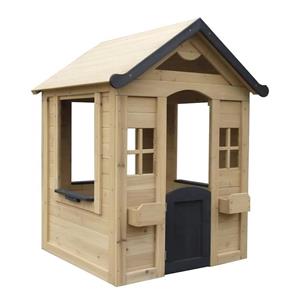
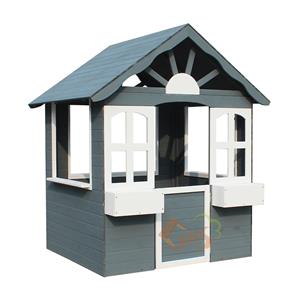
In an era where childhood is increasingly mediated through screens, a quiet yet powerful counter-movement is gaining ground. Parents, educators, and child development experts are turning to a timeless solution: the wooden playhouse. This is not merely a nostalgic retreat but is being framed as a vital, physical antidote to digital saturation. This raises a critical question for modern families: In a world of virtual engagement, can a simple outdoor wooden playhouse provide the essential sensory and imaginative balance children need?
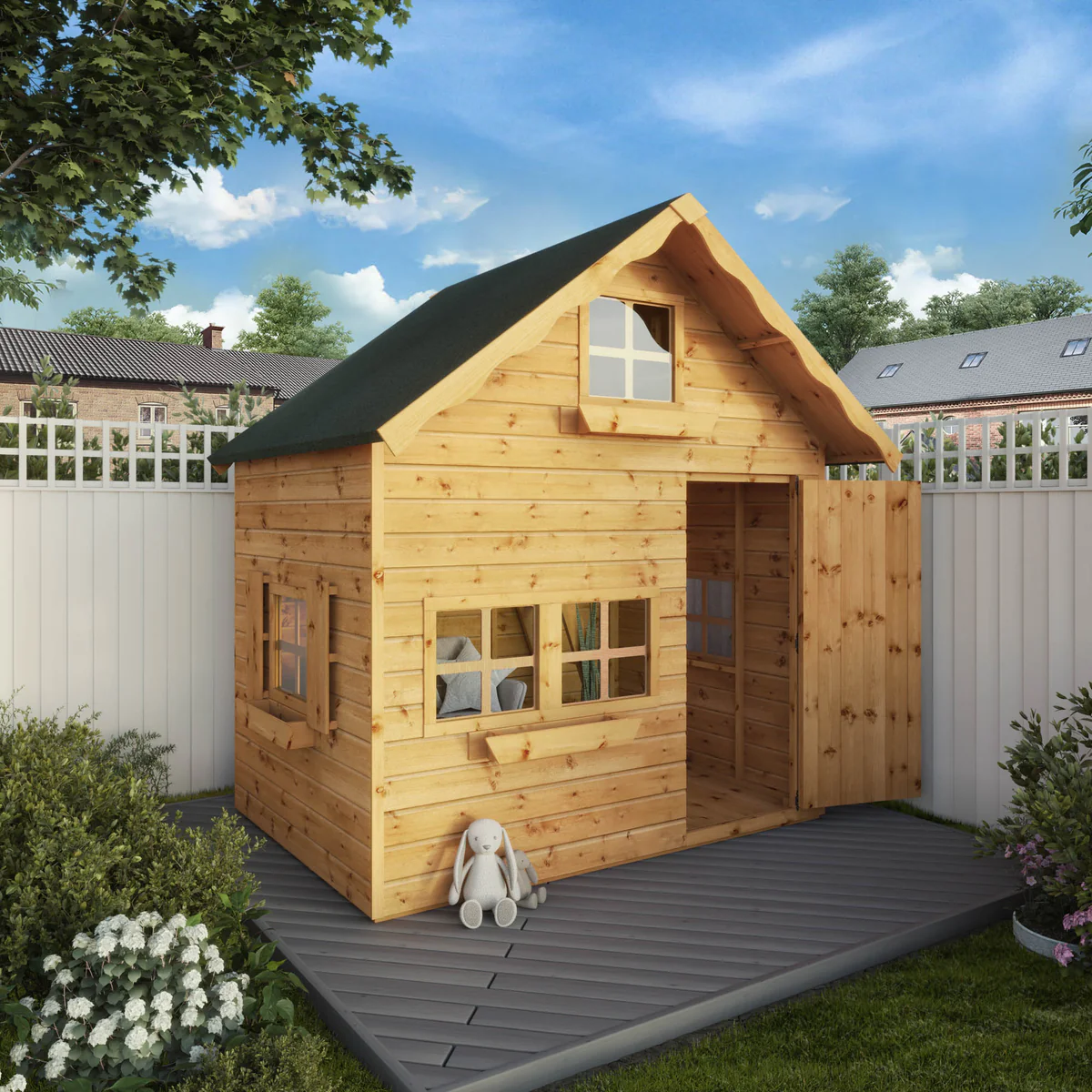
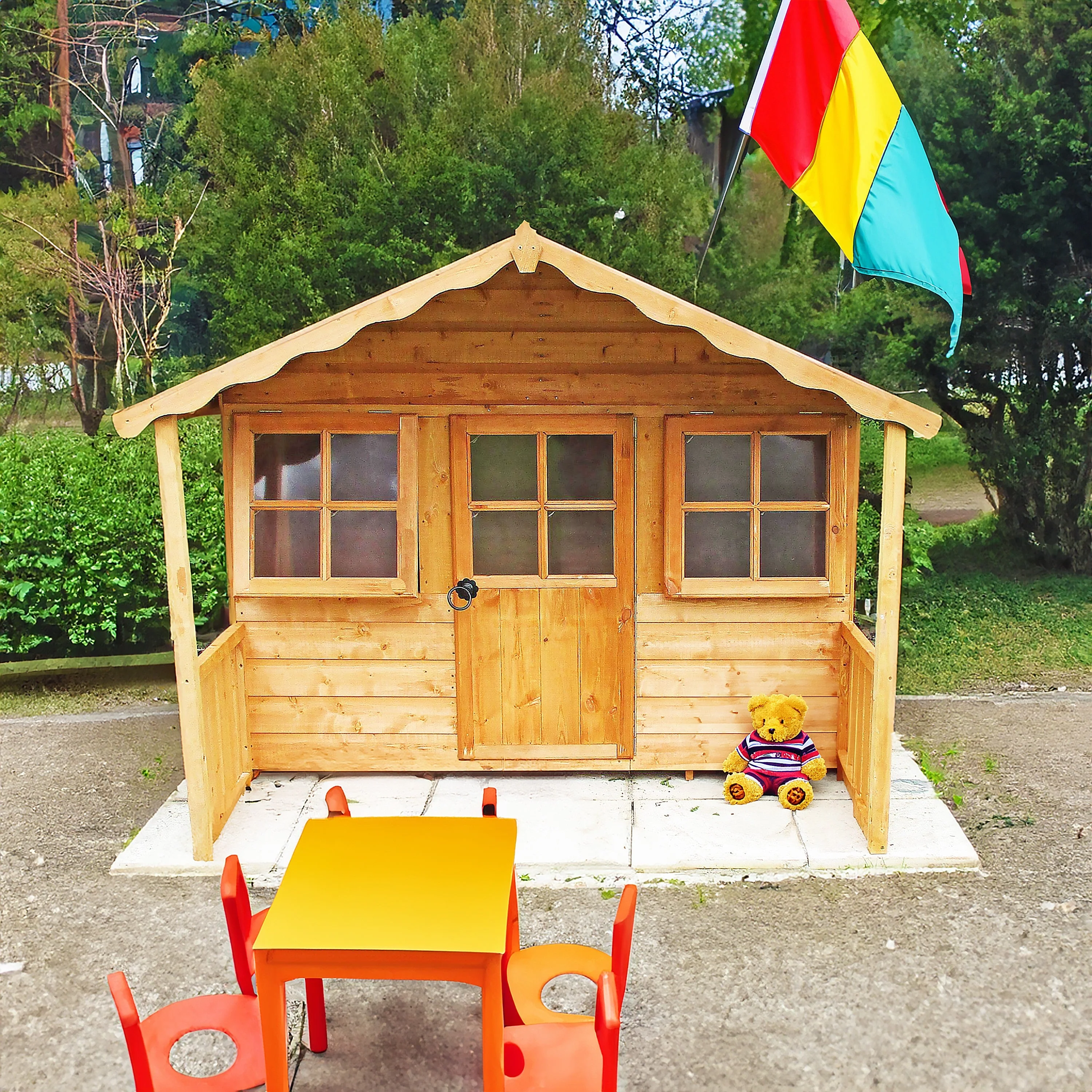
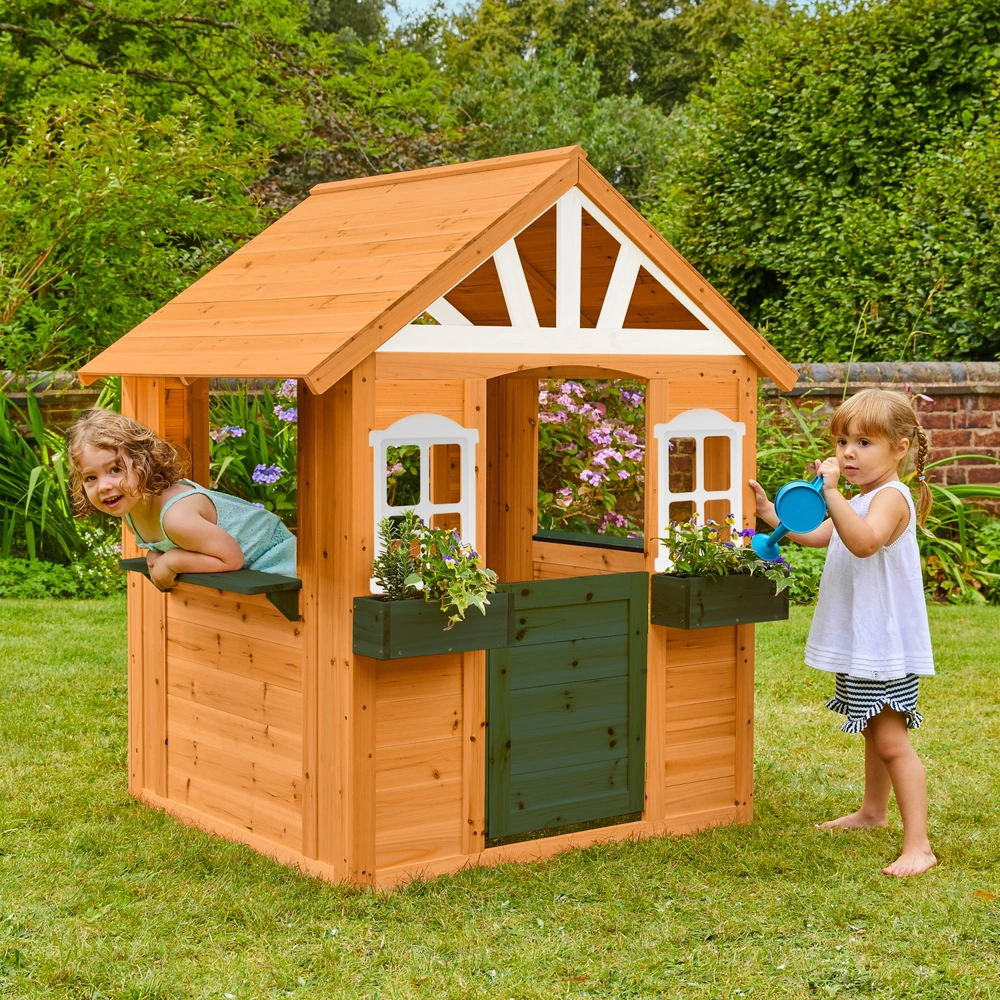
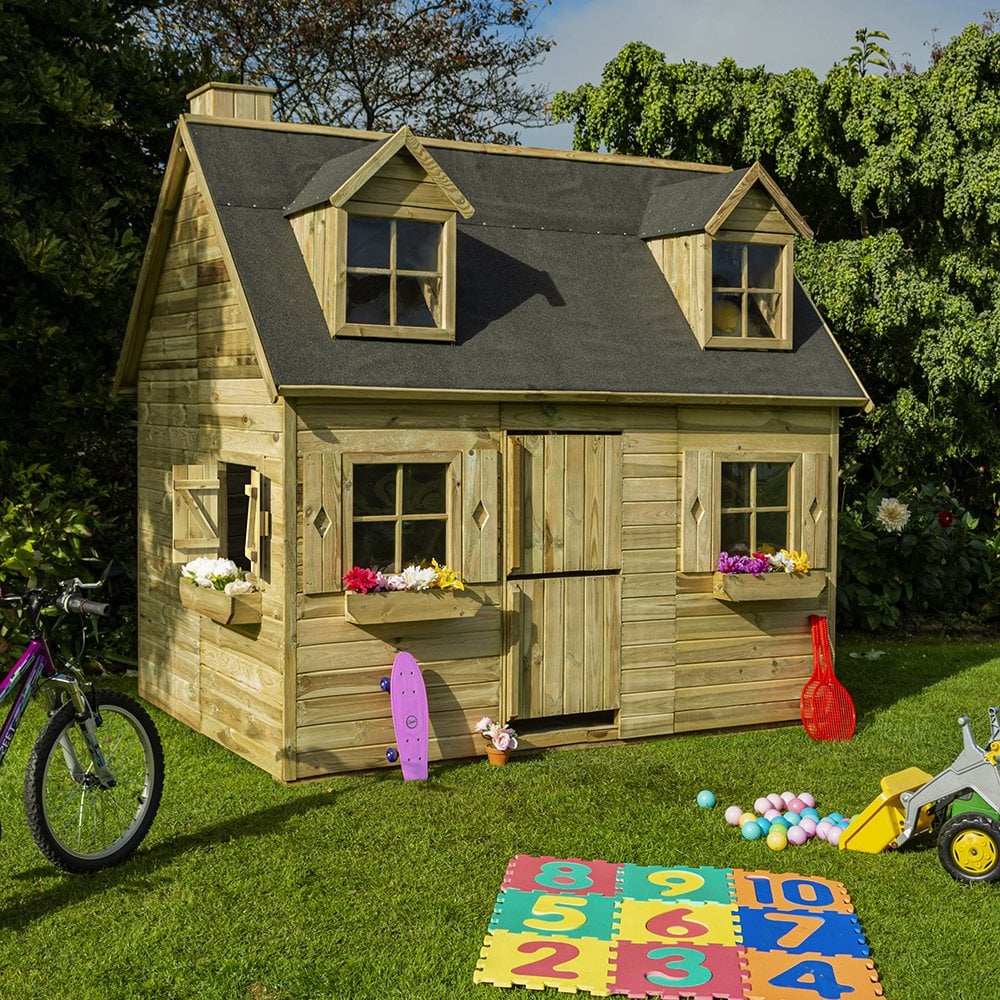
The compelling case for the childrens wooden playhouse lies in its fundamental opposition to the nature of screen-based play. Where digital interfaces offer passive, two-dimensional consumption within algorithmically defined boundaries, a play house wooden offers an open-ended, three-dimensional world governed only by a child's own creativity. It demands full bodily engagement—building, moving, rearranging—and provides raw, tactile sensory input from the grain of the wood, the scent of cedar, and the sound of the outdoors. This direct, unmediated experience is crucial for healthy sensory integration, which can be stifled by the flat, hyper-stimulating yet sensorily limited virtual world.
Reclaiming the Senses and the Self
A primary function of the outdoor wooden playhouse as an antidote is its role in sensory grounding. The digital world overloads the visual and auditory senses while neglecting touch, proprioception (body awareness), and vestibular (balance) systems. In contrast, the act of navigating the small door, arranging furniture inside a wooden wendy house, or feeling the solidity of its walls provides rich, varied sensory feedback. This helps children develop a strong sense of their physical selves in real space—an anchor often missing during hours of disembodied screen time.
Furthermore, it champions autonomous identity formation. In virtual games, identity is often a selection of pre-programmed avatars and achievements. In a wooden playhouse, a child's identity is constructed through their own narratives. They are the author, director, and star. This undiluted agency in crafting their own story and rules within their private domain builds authentic confidence, problem-solving skills, and a sense of self not contingent on external digital validation.
Cultivating Deep Attention and Social-Emotional Intelligence
The fragmented, rapid-fire nature of digital media erodes the capacity for sustained, deep attention. A wooden playhouse, however, is a sanctuary for slow play. A single imaginative scenario—running a shop, defending a fort—can unfold over hours or even days, requiring and thereby strengthening a child's focus, narrative thinking, and perseverance. This deep, uninterrupted play is fertile ground for cognitive development.
Critically, the outdoor wooden playhouse also serves as a laboratory for complex, analog social-emotional learning. While online games have chat functions, they cannot replicate the nuanced, real-time negotiation required to share a physical space. Deciding the rules of a game, resolving disputes over roles, or simply learning to coexist in a small wooden wendy house teaches empathy, communication, and conflict resolution in a way no virtual interaction can match.
A Prescribed Digital Detox, Built in the Garden
For many families, the wooden playhouse is becoming a strategic tool for structured digital detox. Its very existence creates a compelling alternative. By making this physical, imaginative space highly attractive and accessible, parents can naturally incentivize time away from devices. It is not about imposing a punitive "screen ban," but about providing a more appealing, enriching option. The childrens wooden playhouse stands as an irresistible invitation to a different kind of adventure.