Can Mycelium Make Playhouses Carbon-Negative?

27-03-2026

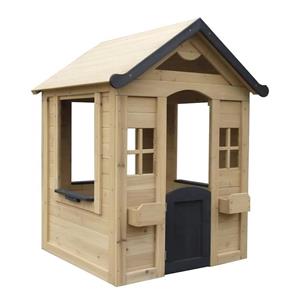
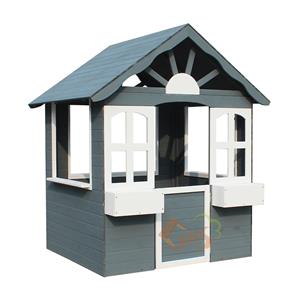
In the quest for truly sustainable play structures, a revolutionary material science is emerging. The fusion of mycelium—the root network of fungi—with timber is pioneering a new category of next-generation composite materials, poised to redefine the strength, safety, and environmental impact of the modern wooden playhouse. This bio-innovation presents a compelling question: Could these living composites create stronger, truly carbon-negative outdoor playhouse structures?

Traditionally, a childrens wooden playhouse relies on solid timber or conventional wood composites, which carry a carbon footprint from processing and transport. The new paradigm involves mycelium-bound composites. In this process, agricultural waste (like hemp hurd or sawdust) is inoculated with fungal spores. The mycelium grows through the waste, binding it into a solid, lightweight, and remarkably durable biomaterial. When this composite is used in conjunction with sustainably sourced timber frames, it creates a play house wooden that is not merely low-impact but actively carbon-negative. The mycelium sequesters carbon as it grows, and the agricultural waste diverted from landfills prevents methane emissions, resulting in a net-negative carbon calculation for the material itself.
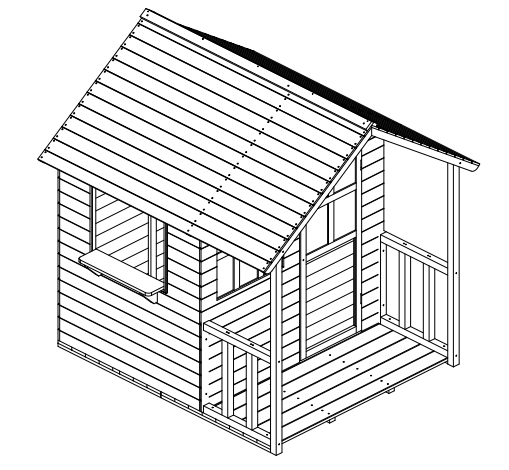
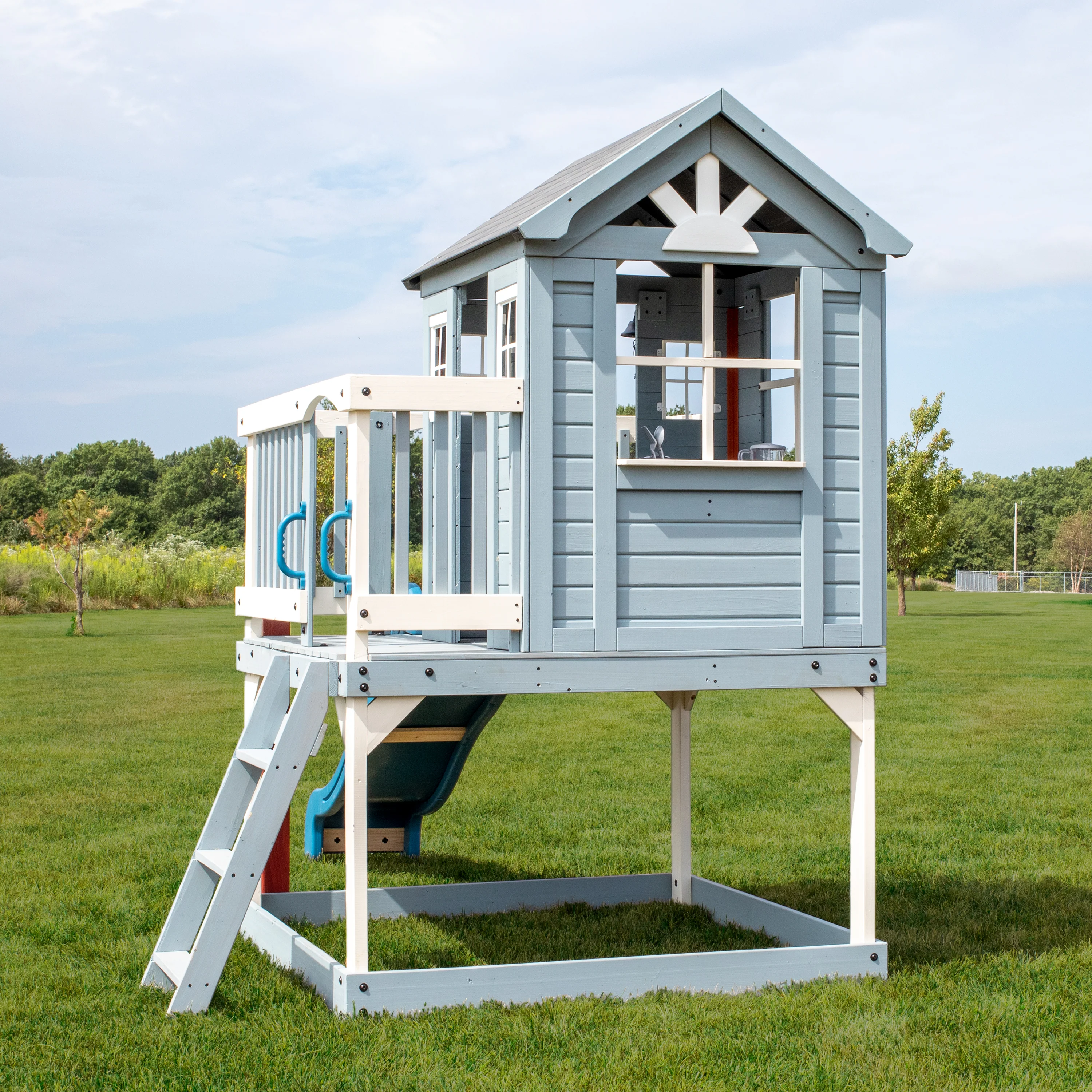
The performance benefits for an outdoor wooden playhouse are substantial. Mycelium composites can be engineered to provide excellent insulation and moisture regulation, creating a more comfortable and consistent interior climate within a wooden wendy house. These materials are also naturally fire-retardant and mold-resistant, addressing key safety and durability concerns for any long-term wooden playhouse structure. Their inherent strength-to-weight ratio allows for innovative designs that might be challenging with traditional materials alone.

From a circular economy perspective, the advantages are profound. At the end of its very long life, a mycelium-enhanced playhouse wooden structure can be deliberately composted, returning nutrients to the earth without toxic residue. This stands in stark contrast to the landfill fate of plastic playhouses or the chemical treatments often associated with conventional wood preservation. This "cradle-to-cradle" lifecycle completes a virtuous ecological loop, aligning perfectly with growing consumer demand for regenerative products.

While the technology is transitioning from labs to pilot projects, its potential to disrupt the market for childrens wooden playhouse structures is significant. It offers a path to maintain the warm, natural aesthetic and tactile quality that makes wood so appealing, while drastically improving its environmental credentials and functional performance. The development could position the future outdoor wooden playhouse not just as a backyard feature, but as a demonstrable act of climate-positive stewardship.

The convergence of mycelium and timber represents more than a new material; it symbolizes a fundamental shift toward living, breathing architecture for play. By harnessing biology, the next generation of wooden playhouse structures can be stronger, safer, and actively beneficial to the planet. This innovation promises a future where the most enchanting backyard fortresses are not just built for children, but are built by nature itself, offering a tangible legacy of sustainability for the next generation to explore and inherit.

play house wooden

play house wooden

childrens wooden playhouse

childrens wooden playhouse

wooden wendy house

wooden wendy house

play house wooden

outdoor wooden playhous

Get the latest price? We'll respond as soon as possible(within 12 hours)

Privacy policy