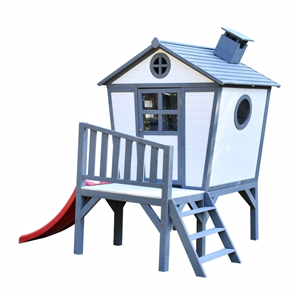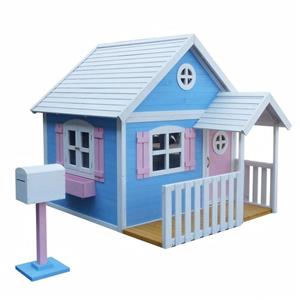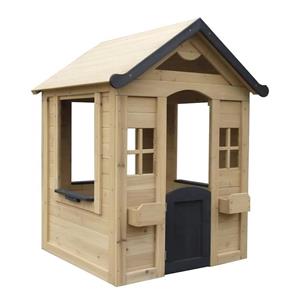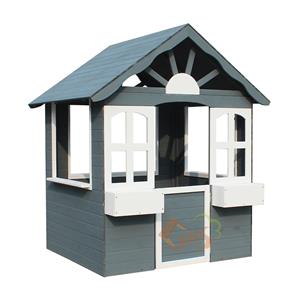
Cubby House : Key Advantages in Price, Function & Brand
In the ever-expanding landscape of children's play and outdoor furniture, the humble cubby house has evolved into a sophisticated product category. Parents and educators navigating this market are met with a wide array of choices, leading to a critical question: what truly differentiates one outdoor cubby house from another? The answer lies in a powerful combination of competitive advantages spanning strategic pricing, multifunctional design, and compelling brand narratives.
1. The Price Proposition: Value Beyond the Initial Cost
While price is often the first point of comparison, the competitive cubby house market demonstrates that cost is increasingly viewed through the lens of long-term value. Budget-friendly, flat-pack options offer an accessible entry point for families, fulfilling the basic desire for a childrens cubby house. However, the true price advantage now leans toward premium, durable models. A well-constructed wooden cubby house made from sustainably sourced, high-grade timber may carry a higher initial price tag but presents a compelling value proposition. Its longevity—often lasting through multiple children and weathering years of play—coupled with low maintenance and timeless design, reduces the cost-per-year of ownership. Furthermore, many brands offer modular systems, allowing families to start with a core outdoor cubby and expand later, spreading investment over time. The competitive edge is no longer just about being the cheapest; it's about offering transparent value, durability, and flexibility that justifies the investment.
2. Functional Innovation: The Multi-Role Playscape
Modern functionality is the cornerstone of differentiation. Today's leading outdoor cubby house is not a static playhouse but a dynamic, multi-functional playscape designed for development and adaptability. Competitive brands integrate features that transform a simple structure into an engine for growth. This includes:
Developmental Features: Integrated chalkboards, sand and water play tables, climbing walls, and telescopic tubes for nature observation turn play into stealth learning.
Adaptable Design: Modular panels, add-on kits (like slides or extended decks), and convertible interiors allow the childrens cubby house to evolve from a toddler's hideaway to a tween's social club, ensuring years of relevance.
Smart Integration: Thoughtful tech, such as solar-powered LED lights, weather stations, or non-digital sound modules, blends classic outdoor play with contemporary engagement without relying on screens.
This functional richness positions a premium wooden cubby house not merely as a toy, but as a vital piece of educational and recreational backyard infrastructure, competing directly with other high-value childhood investments.
3. The Power of Brand Story: Crafting Emotional Connection
In a crowded market, a powerful brand story is a decisive competitive moat. The most successful cubby house brands sell more than a product; they sell an ethos, a set of values that resonate deeply with modern parents.
Sustainability Narrative: Brands emphasizing FSC-certified wood, non-toxic finishes, and eco-conscious manufacturing tap into the growing demand for responsible consumption. The story of a wooden cubby house that teaches children about environmental stewardship through its very existence creates a strong emotional purchase driver.
Heritage and Craftsmanship: Brands that highlight artisanal construction, heirloom-quality durability, and timeless design appeal to parents seeking to invest in lasting childhood memories rather than disposable plastic items.
Promoting Core Values: Stories that center on "unplugged play," "creative freedom," "family bonding," and "backyard adventure" align the product with parents' aspirations for their children's childhood. The brand becomes a champion for a slower, more imaginative, and connected family life.
This narrative transforms a purchase from a transactional buy into an affirmation of family identity and values. A parent isn't just buying an outdoor cubby; they are investing in a promised experience of creativity, safety, and quality time.
The most dominant players in the cubby house market are those that successfully converge these three advantages. They offer clear, justified pricing models for superior quality. They deliver unmatched functionality that supports child development and adapts to growing needs. And they wrap this all in an authentic, resonant brand story that connects on an emotional level. Whether it's a rustic wooden cubby house symbolizing a return to simple play or a feature-rich outdoor cubby house designed for the modern explorer, the winners are those who understand that today's family seeks a holistic solution—a product that is a wise financial decision, a developmental tool, and a beacon for the kind of childhood they wish to create.
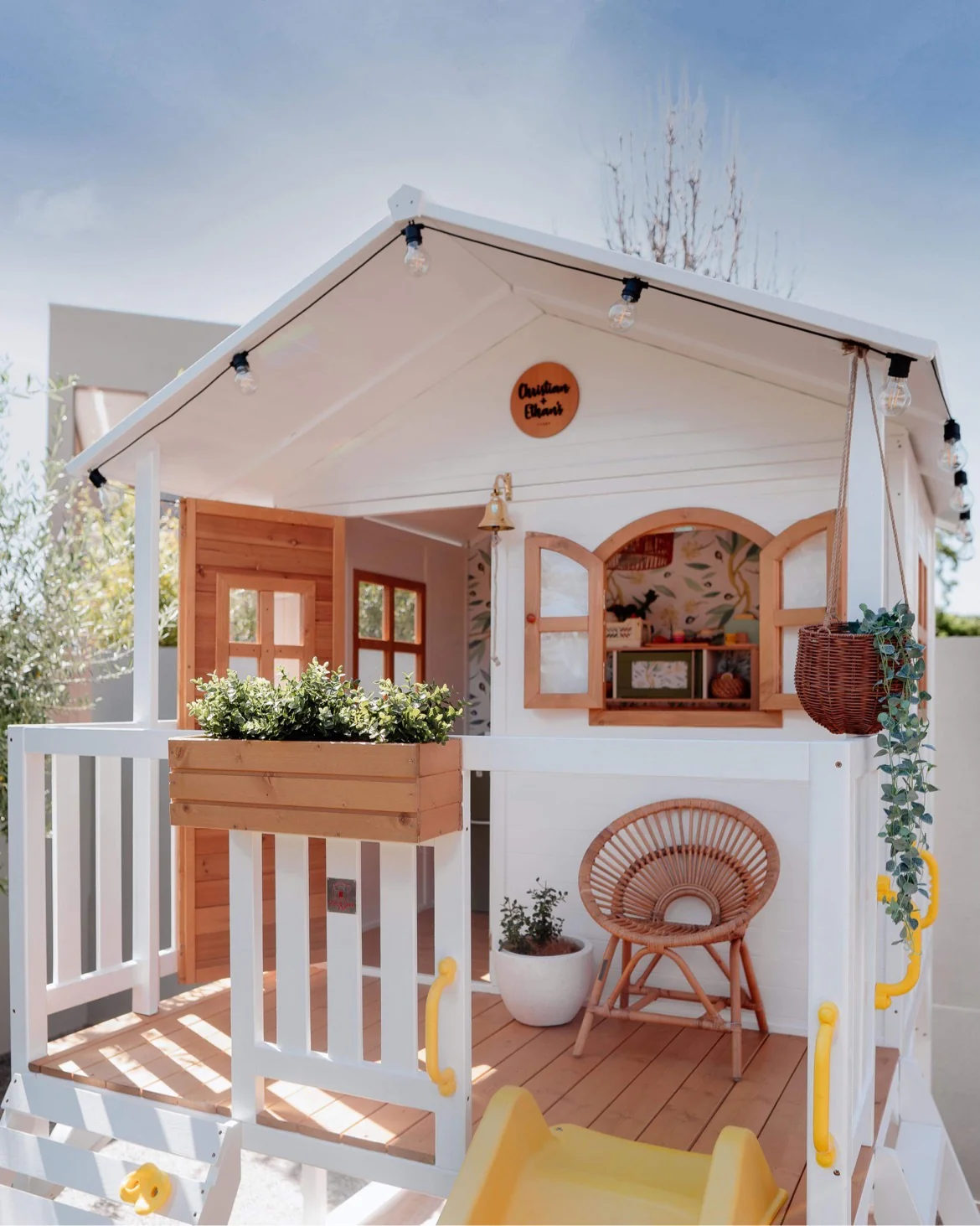
outdoor cubby
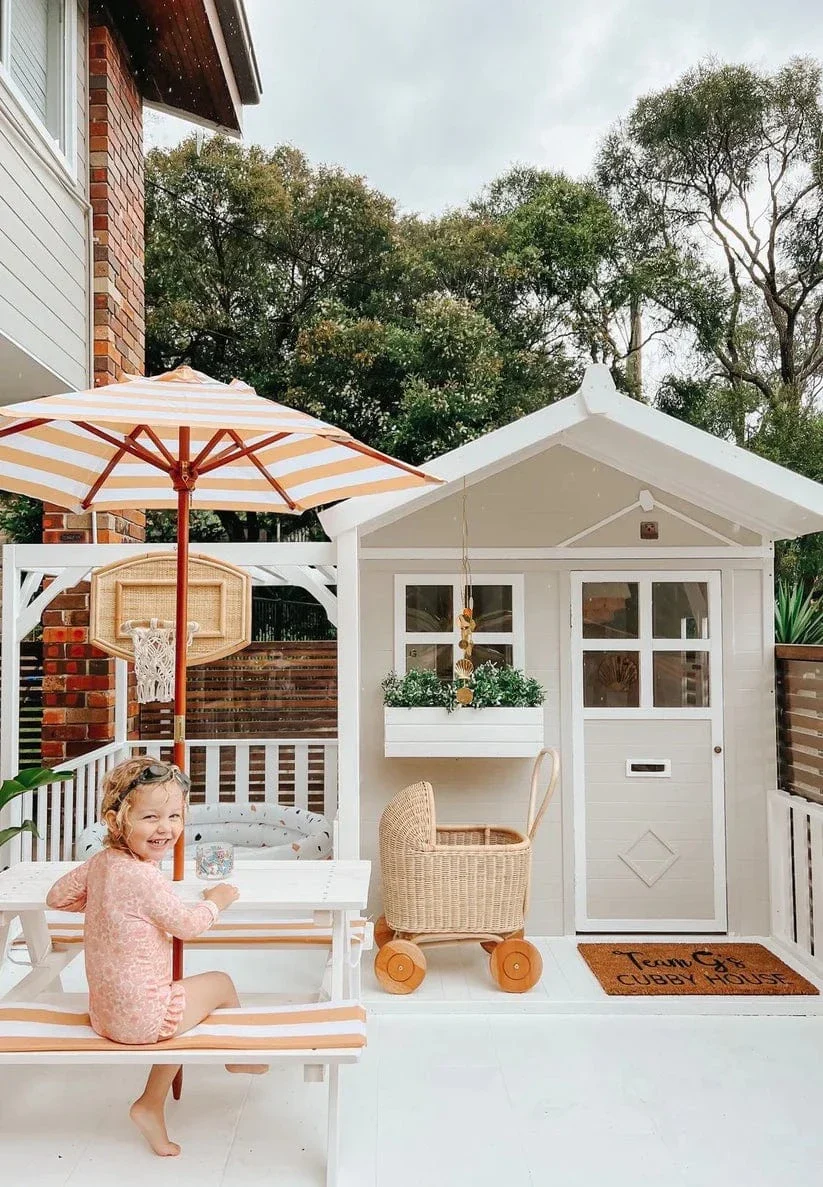
childrens cubby house
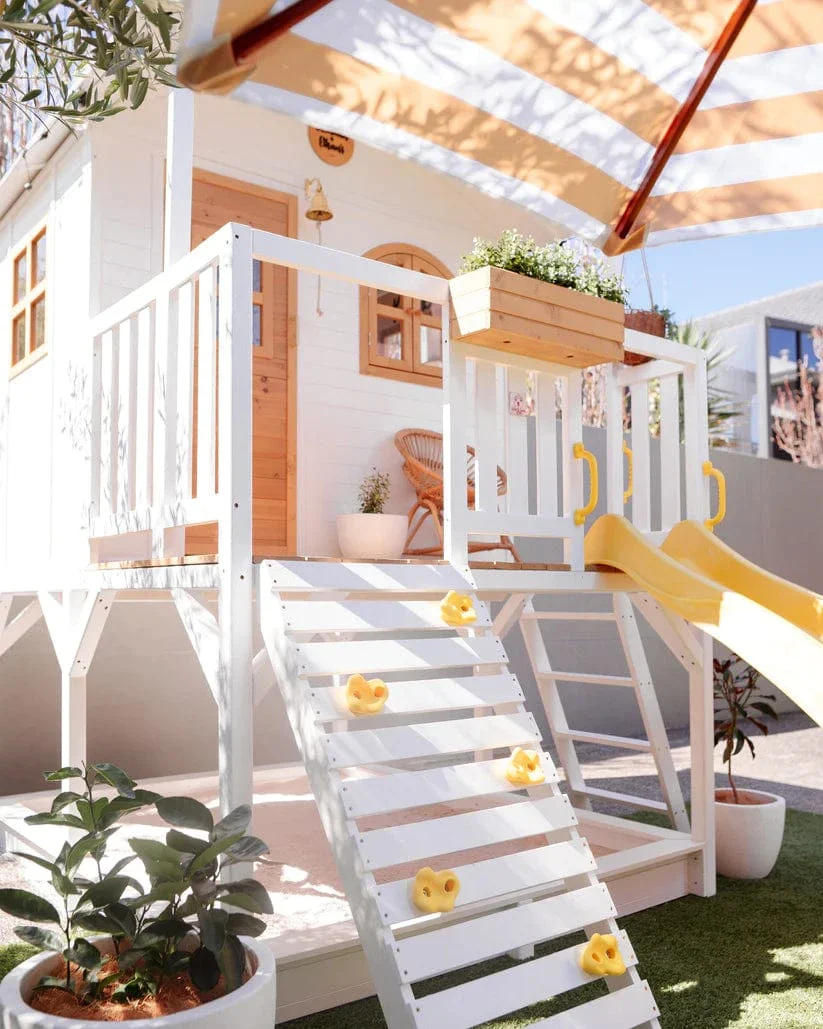
outdoor cubby house
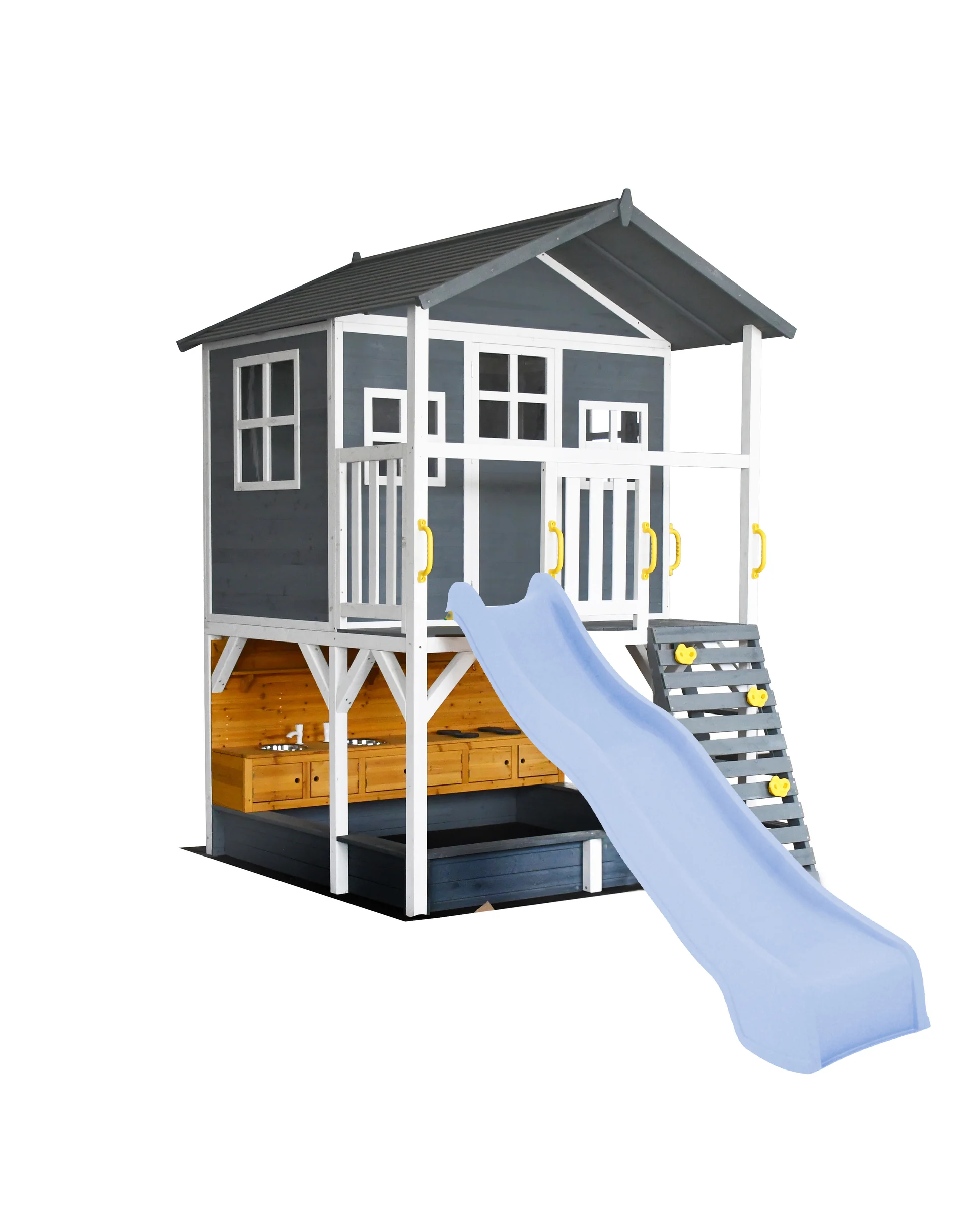
wooden cubby house