How to Choose the Perfect Wooden Playhouse: A Parent's Guide to Backyard Cubby House Selection
As families increasingly seek to create enchanting and screen-free outdoor spaces for children, selecting the ideal wooden cubby house has become both an exciting project and a practical challenge. With a growing market offering everything from classic outdoor cubby designs to modern white cubby house styles, how can parents ensure they choose a structure that is safe, durable, and perfectly suited to their backyard? This guide breaks down the decision into key,actionable steps.
1. Assessing Your Space: The First Step to a Successful Installation
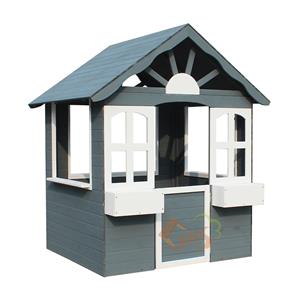
Before falling in love with a design, experts emphasize the importance of precise measurement. “An outdoor cubby house should complement your garden, not overwhelm it,” advises landscape designer Mara Jensen. “Use stakes and string to map the footprint, ensuring there’s ample clearance around the structure for play and maintenance.” For smaller yards, a compact wooden cubby house with a vertical design or loft can maximize fun without dominating the space. Consider also the visual impact: a white cubby house can brighten a shaded corner, while natural-stained wood blends seamlessly with greenery.
2. Material Matters: Choosing the Right Wood for Longevity
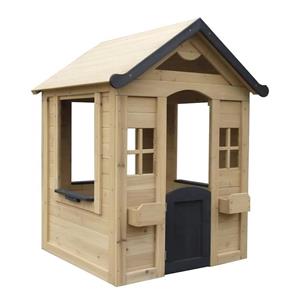
The choice of wood determines not only aesthetics but also durability. Cedar and redwood are top choices for natural rot resistance, while sustainably sourced fir offers an excellent balance of strength and workability. “For any outdoor cubby, insist on FSC-certified wood and non-toxic, water-based finishes,” says Tim Reynolds of Safe Play Structures. “This ensures the cubby house is safe for children and kind to the planet.” A well-built wooden cubby house, when properly maintained, can last through multiple childhoods, often becoming a backyard heirloom.
3. Safety and Design: Ensuring Peace of Mind
Safety is non-negotiable. Look for designs with rounded edges, secure anchoring systems, and slip-resistant steps. Features should match your child’s age and abilities—think low windows with rails for toddlers, and integrated climbing walls or fireman’s poles for older adventurers. “A well-designed outdoor cubby house isn’t just a play space; it’s a developmental tool that encourages physical activity and imaginative play,” notes child development specialist Dr. Lisa Wong.
4. Budgeting for Joy: Balancing Cost and Value
Playhouses range from affordable DIY kits to custom-designed retreats. While upfront cost is a factor, longevity is key. “Investing in a quality wooden cubby house often costs less over time than replacing a plastic model every few seasons,” explains retailer Michael Tran. “Many families also find that a timeless design, like a classic white cubby house or a rustic natural wood style, adds lasting value to the property.”
5. Personalization: Creating a Unique World
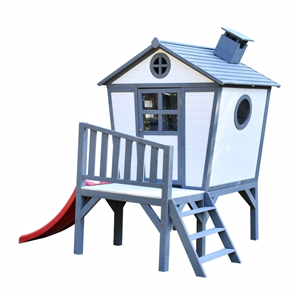
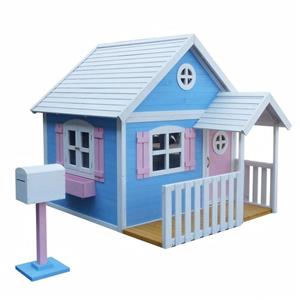
The true magic of a cubby house lies in customization. Involve your children in theming—whether it’s a pirate ship, a fairy-tale castle, or a modern cabin. Add-ons like chalkboard walls, planter boxes, or a small slide can extend play value. For a sleek, contemporary look, a white cubby house serves as a perfect canvas for colorful accents and creative décor.
Choosing the right outdoor cubby is a blend of practical planning and imaginative dreaming. By carefully considering space, materials, safety, budget, and personal touches, parents can select a wooden cubby house that will be the backdrop for years of adventure, growth, and family joy. In the end, whether you choose a natural wood finish or a bright white cubby house, the goal is the same: to create a cherished childhood sanctuary right in your own backyard.
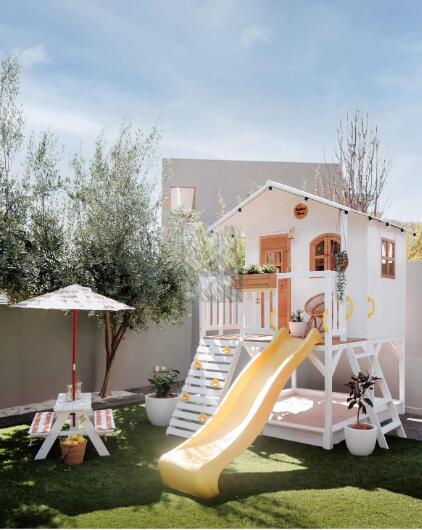
cubby house
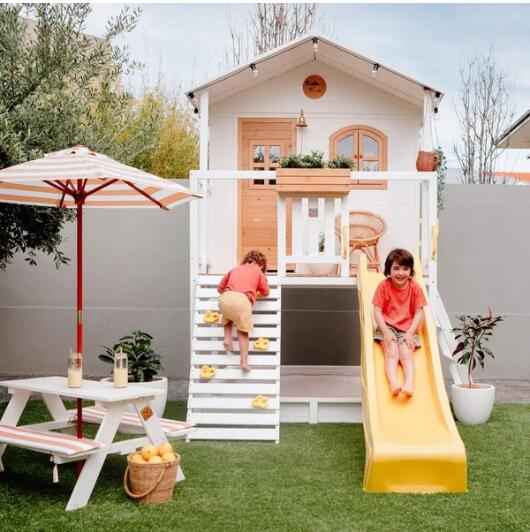
outdoor cubby
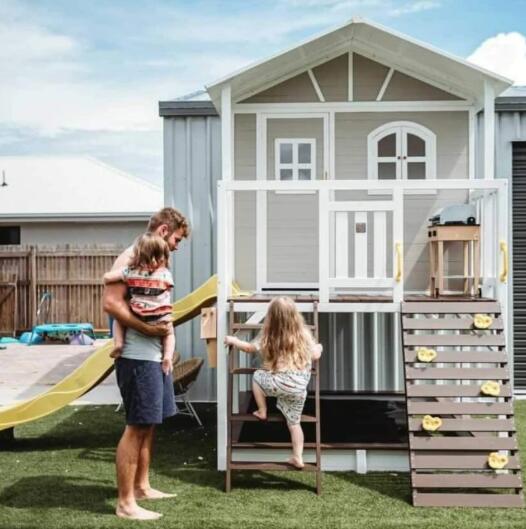
outdoor cubby house
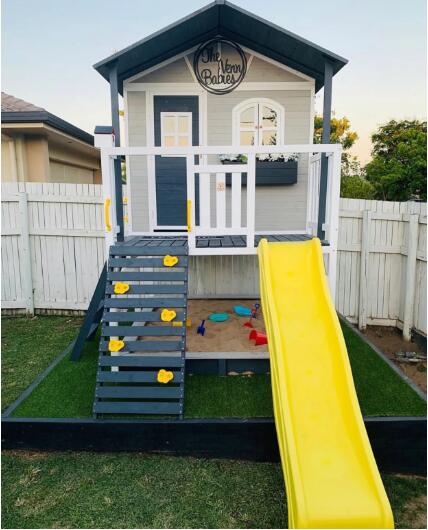
outdoor cubby house