Plastic Cubby Houses: Are They More Durable Than Wood?
When selecting a children's cubby house, durability is a paramount concern for parents. The market prominently features two contenders: the classic wooden cubby house and the modern plastic outdoor cubby. Each material is championed for its resilience, but they follow fundamentally different aging processes. This raises a critical question for families: In the face of weather, play, and time, does a plastic cubby house truly offer greater durability than its wooden counterpart?
To answer this, we must define "durability" not as a single trait, but as a combination of structural integrity, weather resistance, maintenance needs, and longevity under active use. A side-by-side comparison reveals that the answer is nuanced, heavily dependent on climate, maintenance commitment, and the definition of value.
The Case for Plastic: Low-Maintenance Resilience
Proponents of plastic outdoor cubby house structures highlight their engineered resistance to specific elements.
Moisture and Rot Immunity: Plastic is inherently waterproof. It will not rot, warp from moisture, or attract wood-boring insects. This is a clear advantage in perpetually damp climates.
Minimal Upkeep: A plastic cubby house requires no painting, staining, or sealing. Cleaning is straightforward—often needing just a rinse with a garden hose. This offers a truly low-maintenance solution for busy families.
Consistent Color and Uniformity: The color is molded throughout the material, so it doesn't peel or require touch-ups. The manufacturing process ensures a uniform appearance.
However, plastic's durability has significant caveats. Prolonged exposure to ultraviolet (UV) radiation is its chief enemy. Over 2-5 years, depending on quality and sun exposure, plastic can become brittle, fade dramatically, and lose structural flexibility. This UV degradation can lead to cracks, especially at stress points or in colder temperatures when the plastic is less pliable. While it won't rot, it can fail catastrophically by cracking. Furthermore, its lighter weight can make it less stable in high winds unless expertly anchored.
The Case for Wood: Repairable, Robust Longevity
A quality wooden cubby house, typically constructed from treated pine, cedar, or redwood, presents a different durability profile.
Structural Strength and Stability: Wood offers superior inherent rigidity and weight. A well-built wooden cubby house feels solid and permanent, providing excellent stability that can handle energetic play without flexing or swaying.
Renewable Surface and UV Resistance: While wood can gray from sun exposure, this is a surface-level change. More importantly, wood does not become brittle with age. Its durability is renewable through maintenance. Applying a UV-protective, child-safe sealant every 1-2 years shields the timber, prevents moisture ingress, and can restore its appearance. Scratches or dents can be sanded and refinished.
Thermal Performance: Wood provides better insulation than plastic. It doesn't become unbearably hot to the touch in direct summer sun or overly cold in winter, ensuring the outdoor cubby house remains usable across seasons.
The trade-off is the necessity of maintenance. Without it, wood is susceptible to weathering, splintering, and rot. Its longevity is an active partnership with the owner.
The Verdict: A Question of Time and Effort
So, which is more durable?
For Short-Term, Zero-Maintenance Durability (3-5 years): A high-quality plastic children's cubby house may have the edge if your priority is to install it and forget it, accepting eventual fading and potential brittleness.
For Long-Term, Heirloom Durability (10+ years): A wooden cubby house is unequivocally the more durable choice. Its strength is not only intrinsic but also renewable. With a simple, periodic maintenance regimen, wood withstands the test of time far better, maintaining its structural integrity and safety for a decade or more. A plastic structure will likely show irreversible environmental degradation within this timeframe.
The narrative that plastic is universally more durable than wood is an oversimplification. Plastic excels in moisture resistance and initial carefree use but succumbs to environmental fatigue in a way that cannot be reversed. Wood requires proactive care but rewards that investment with robust, repairable, and long-lasting service.
Therefore, the most durable cubby house for your family depends on your horizon and involvement. If you seek a long-term backyard investment—a wooden cubby house that evolves with your child and becomes a childhood landmark—wood's maintainable durability is the superior choice. It transforms the structure from a disposable product into a lasting part of your family's story, proving that true durability is often found not in avoiding maintenance, but in the capacity for renewal.
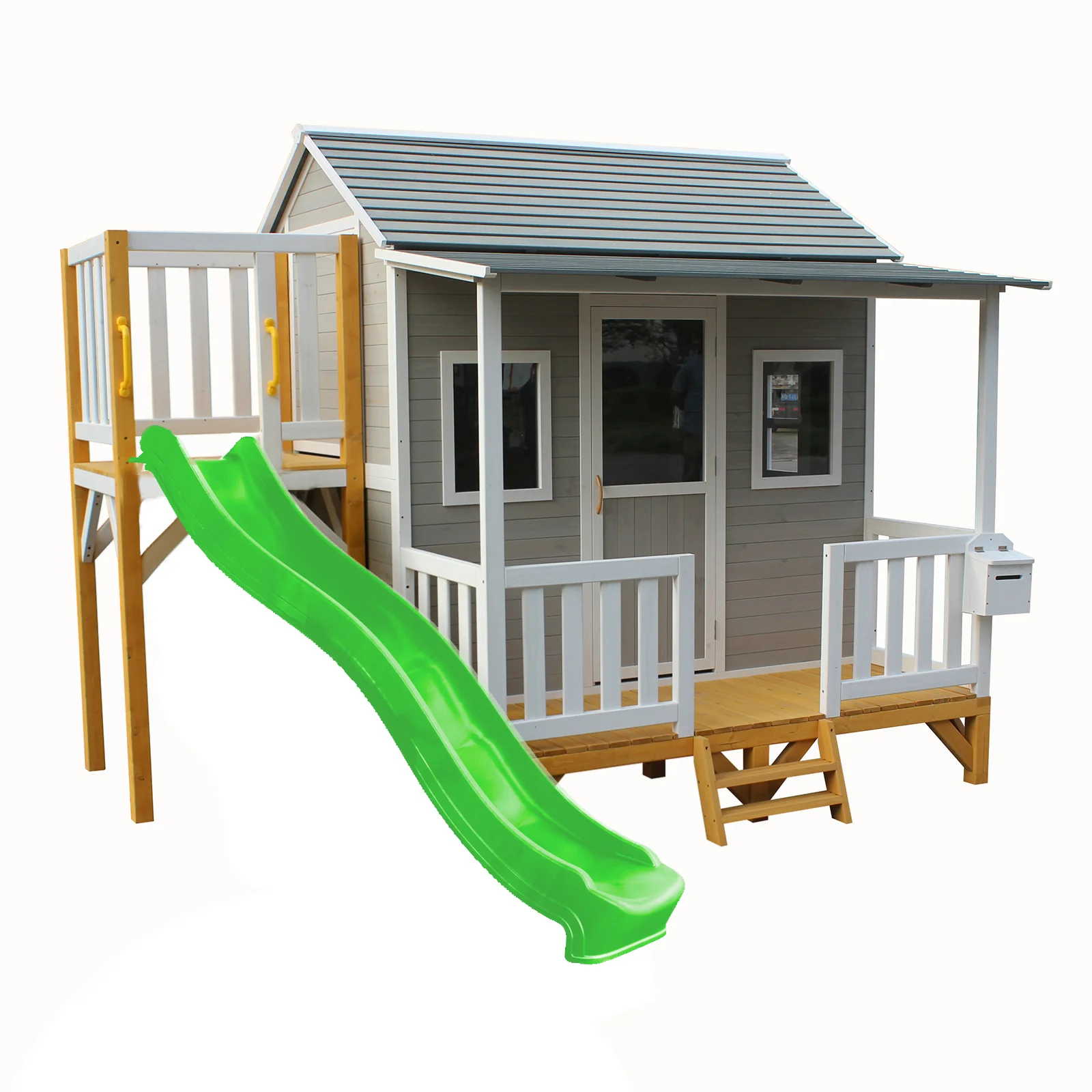
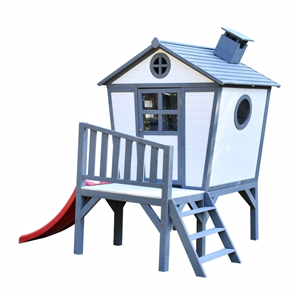
childrens cubby house
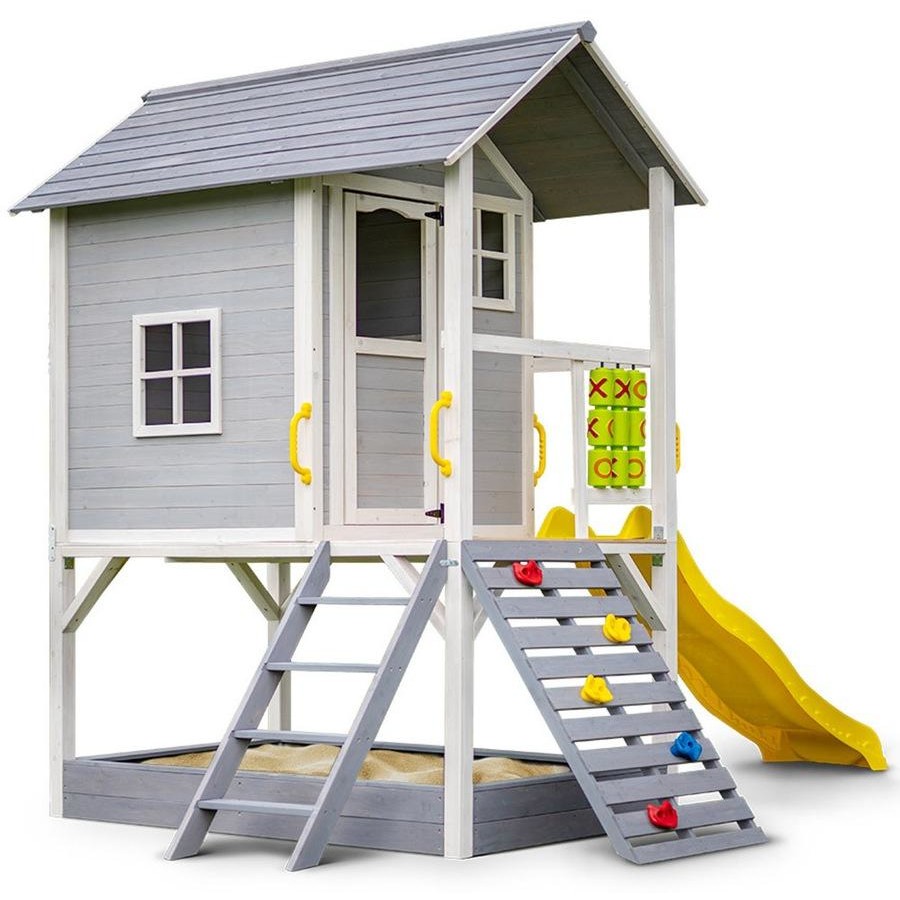
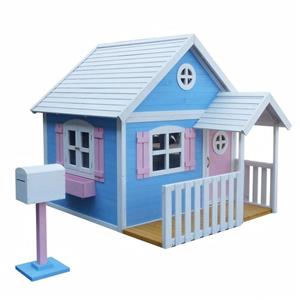
childrens cubby house
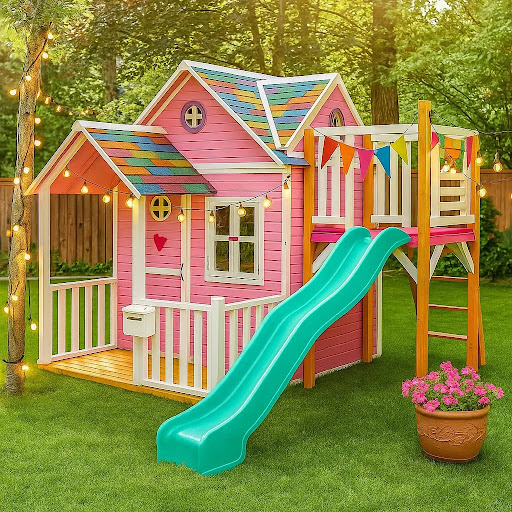
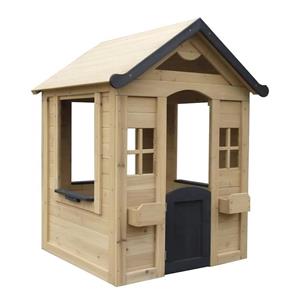
outdoor cubby
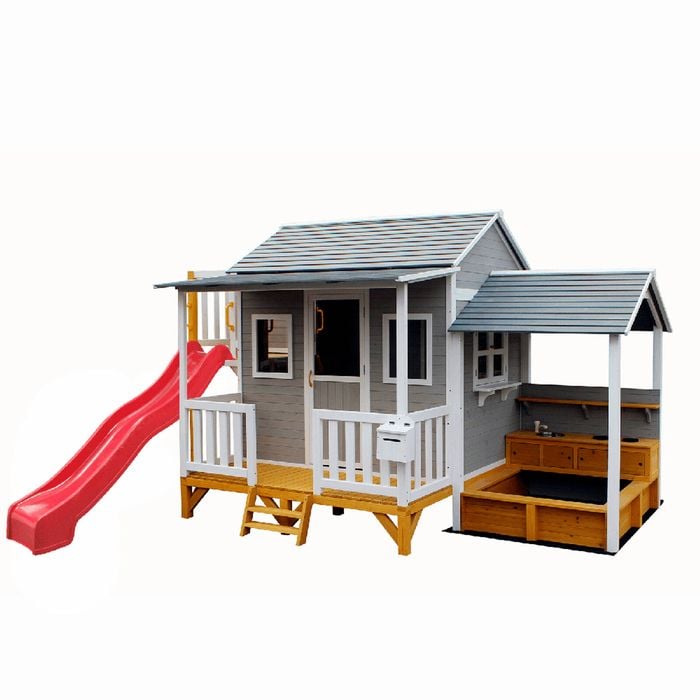
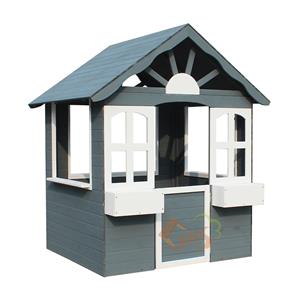
outdoor cubby