What Are the Key Trends Shaping the Cubby House Market Within Children's Play?
The global market for children's play products, encompassing educational toys and outdoor play structures, is experiencing a significant evolution. At the forefront of this shift, the humble cubby house is being reimagined. No longer just a simple backyard shed, the modern childrens cubby house has become a focal point reflecting broader parental priorities and innovative design. Several key trends are defining its current trajectory and future growth.
1. The Rise of Integrated, Developmental Play
The line between pure play and developmental tools continues to blur. Parents seek products that offer more than just entertainment. Consequently, the contemporary outdoor cubby house is designed as a holistic developmental hub. Manufacturers are incorporating elements that promote STEM learning, such as built-in weather stations, pulley systems, simple planting gardens, and chalkboard or magnetic panels. This transforms a wooden cubby house into a dynamic classroom without walls, where imaginative role-play seamlessly merges with cognitive and motor skill development. The trend emphasizes that the value of an outdoor cubby lies not only in its structure but in the curated experiences it enables.
2. Sustainability as a Core Design Principle
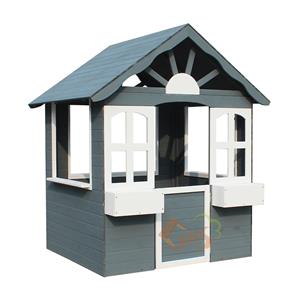
Environmental consciousness is a non-negotiable trend. Demand is soaring for cubby house structures made from responsibly sourced materials. FSC-certified wooden cubby house products are now a market standard, appealing to eco-aware families. Beyond materials, the ethos extends to product lifecycle and functionality. Designs featuring planter boxes, "green" sedum roofs for insulation and biodiversity, and rainwater collection systems are popular. This trend positions the childrens cubby house as a tangible lesson in environmental stewardship, aligning family values with consumer purchases.
3. Customization, Modularity, and Longevity
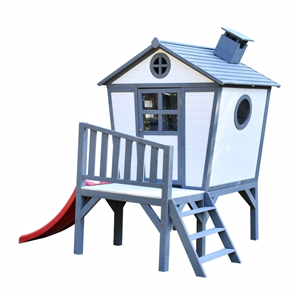
The era of the static, one-size-fits-all playhouse is over. Today's market is driven by flexibility and personalization. Modular outdoor cubby systems allow families to configure, expand, or adapt the structure as children grow. Add-ons like slides, climbing walls, extended decks, and interior fit-outs enable a tailored playspace. This trend addresses the desire for long-term value and investment, ensuring the cubby house remains engaging from toddlerhood to the tween years. The product evolves from a fixed item into a scalable, adaptable playspace ecosystem.
4. Smart Integration and Hybrid Play
Technology integration is being handled with increasing sophistication. The trend is not about adding screens but about enhancing physical play with smart, interactive layers. Think of solar-powered LED lighting systems, simple audio panels for storytelling or music, and durable, weather-resistant components that teach basic engineering concepts. This hybrid approach ensures the outdoor cubby house remains a sanctuary for active, screen-free play while subtly fostering digital literacy and curiosity about how things work.
5. Premium Design and Aesthetic Integration
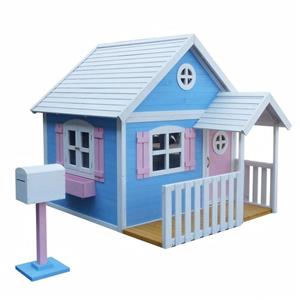
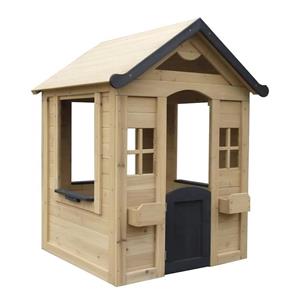
The childrens cubby house is increasingly viewed as an extension of the family home and garden architecture. There is a growing market for premium designs that blend functionality with aesthetic appeal. Clean lines, natural wood finishes, coordinated color schemes, and designs that complement modern landscaping are in high demand. This trend elevates the wooden cubby house from a plaything to a desirable garden feature, appealing to parents' design sensibilities while captivating children's imaginations.
6. Focus on Safety and Durability
Underpinning all these trends is an uncompromising focus on safety and robust construction. Parents expect commercial-grade safety in residential products. This includes non-toxic treatments, rounded edges, secure fittings, and designs that allow for safe supervision. Durability is equally crucial, with products built to withstand vigorous play and diverse weather conditions, ensuring the outdoor cubby is a lasting heirloom rather than a disposable item.
The cubby house market is dynamically converging with the larger trends in educational toys and outdoor play. It successfully synthesizes demands for developmental value, environmental responsibility, technological savvy, and aesthetic design. The modern outdoor cubby house is no longer a peripheral play item but a central, multifunctional asset in childhood development, perfectly mirroring the sophisticated expectations of today's families. As these trends deepen, the childrens cubby house will continue to solidify its status as an essential, innovative pillar of the children's product industry.
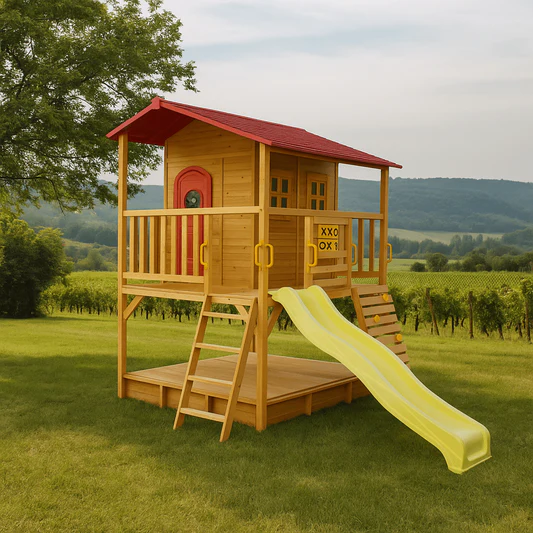
outdoor cubby
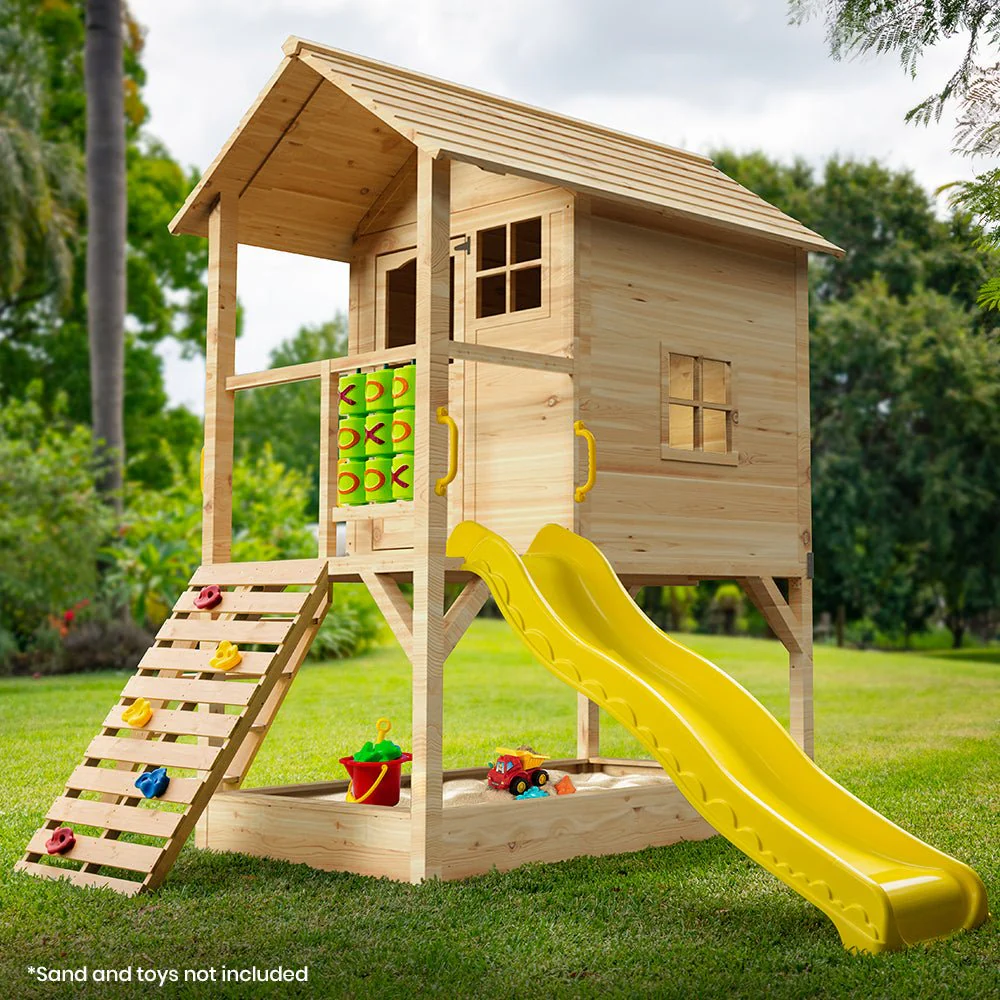
wooden cubby house
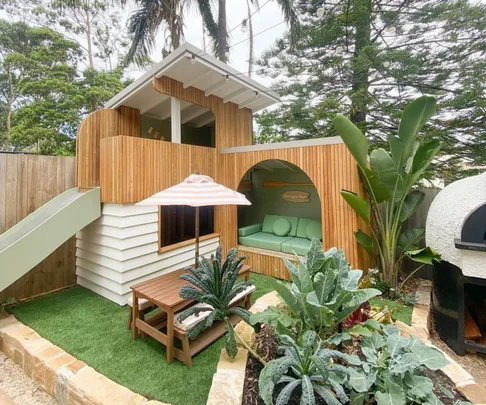
outdoor cubby house
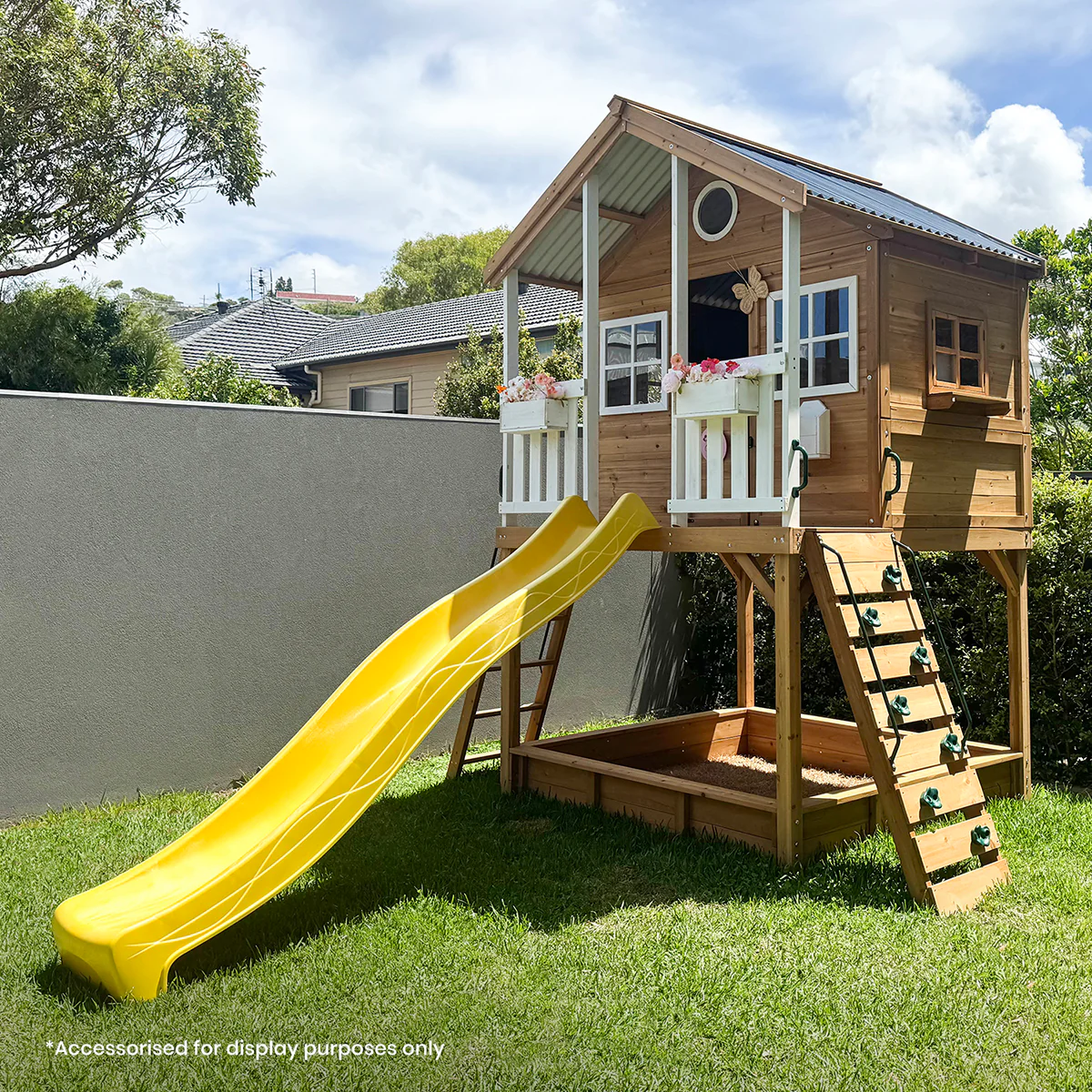
childrens cubby house