What Are the Most Common Swing Set Injuries?
Recent analysis of data from the U.S. Consumer Product Safety Commission (CPSC) provides crucial, evidence-based insights into backyard play safety. The statistics reveal clear patterns in the most common injuries associated with large wooden swing sets, offering families a roadmap for prevention. For anyone investing in or maintaining a big wooden swing set, this data answers a vital question: What are the proven risks, and how can they be effectively mitigated to ensure a safe play environment?
Understanding these injury patterns is the first step in transforming a backyard from a potential hazard zone into a secure space for fun and development.
The Data: Top Injury Patterns on Large Wooden Playgrounds
CPSC data consistently highlights several key injury mechanisms on residential large wooden playgrounds structures:
Falls to the Surface (The Leading Cause of Serious Injury): This category accounts for the majority of severe injuries, including fractures and head trauma. Falls occur from platforms, ladders, and, most notably, from the wooden large swing itself during dismount or mid-swing.
Impact with Moving Swings: Children are frequently struck by a moving swing, either as a bystander walking too close or while attempting to get on/off. This results in contusions, lacerations, and dental injuries.
Pinch and Crush Points: Poorly designed or maintained hardware on a large wooden swing set can create dangerous gaps. Fingers can get caught in chains at the connection points (S-hooks), between moving platform bridges, or in ladder rungs.
Entanglement and Strangulation: Though less common, loose clothing, drawstrings, or jump ropes can catch on protruding bolts or open "S" hooks on swing chains, posing a severe strangulation risk.
Structural Collapse or Tip-Over: This often results from improper assembly, failed hardware, or, most critically, inadequate anchoring of the big wooden swing set, leading to catastrophic failure.
The Prevention Toolkit: Data-Driven Safety Measures
Each common injury has a corresponding, effective prevention strategy grounded in the data.
To Prevent Falls:
Install Proper Protective Surfacing: This is the single most important safety intervention. Maintain a minimum 9-12 inch depth of shock-absorbing material like engineered wood fiber, rubber mulch, or poured-in-place rubber in a zone that extends at least 6 feet in all directions from the equipment. For swings, extend this zone forward and backward a distance equal to twice the height of the swing beam.
Ensure Guardrails and Barriers: Any platform over 30 inches high must have a protective guardrail and barrier to prevent falls.
To Prevent Impact and Swing Zone Injuries:
Establish and Enforce a "Swing Zone" Rule: Teach children to never walk in front of or behind moving swings. The use zone must be clear of obstacles and other play structures.
Use Full-Bucket Seats for Young Children: For toddlers, ensure swings are of the enclosed, bucket-seat design to prevent falls.
To Prevent Pinch, Crush, and Entanglement:
Conduct Monthly Hardware Inspections: Ensure all "S-hooks" are fully closed and pinched shut. Check for protruding bolts, worn ropes, or splintered wood on your large wooden swing.
Choose Safe Attire: Ensure children do not wear helmets, purses, or clothing with drawstrings while on playground equipment, as these can catch.
To Prevent Collapse:
Follow Anchoring Instructions Precisely: Every wooden large swing set must be securely anchored into the ground using the manufacturer's specified concrete footings or ground anchors to resist tipping and lifting.
Perform Seasonal Tightening: Wood expands and contracts. Tighten all bolts, screws, and hardware at the start of each play season and periodically throughout.
CPSC data transforms abstract worry into actionable knowledge. The most common injuries on a large wooden swing set are largely preventable through informed installation, conscientious maintenance, and active supervision. By investing in proper surfacing, diligently anchoring the structure, enforcing clear play rules, and committing to regular inspections, families can dramatically reduce risks. Owning a big wooden swing set should be a source of joy, not anxiety. Using this data-driven approach allows you to build a framework of safety where fun and security swing hand in hand.
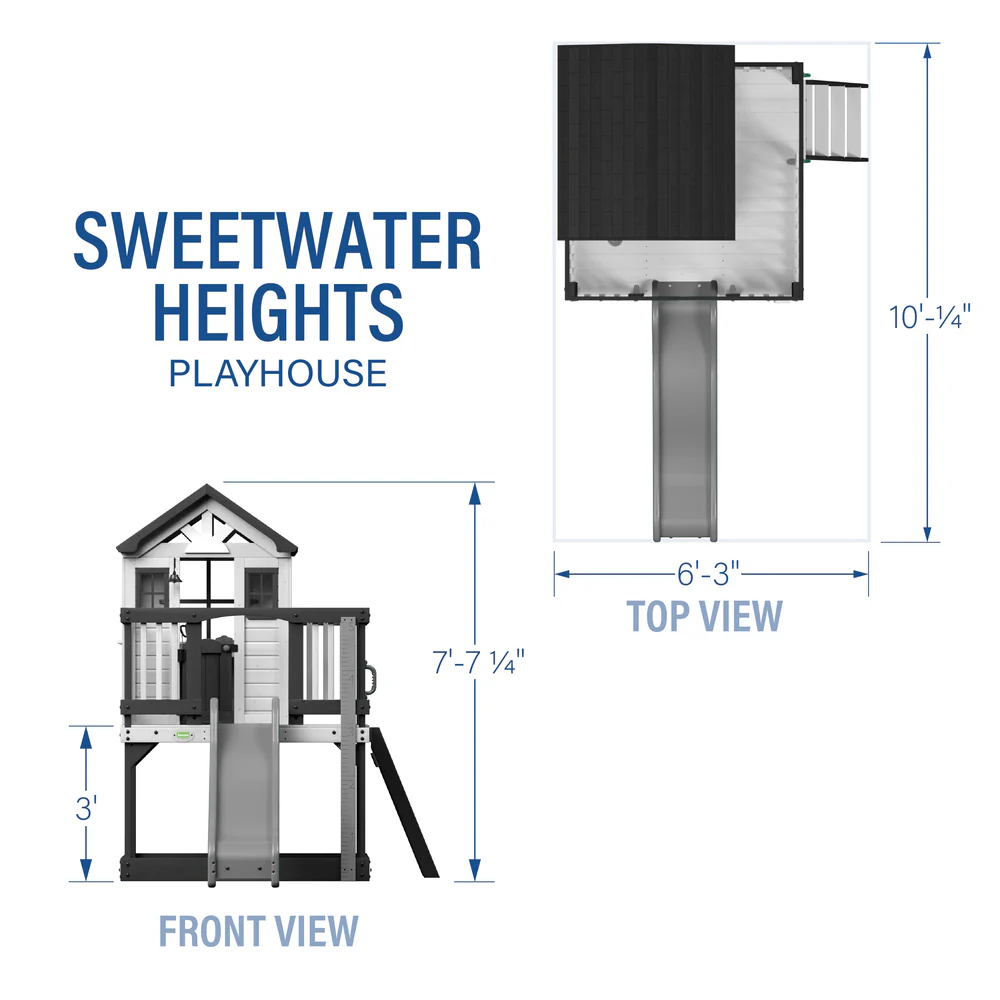
large wooden swing set
large wooden swing
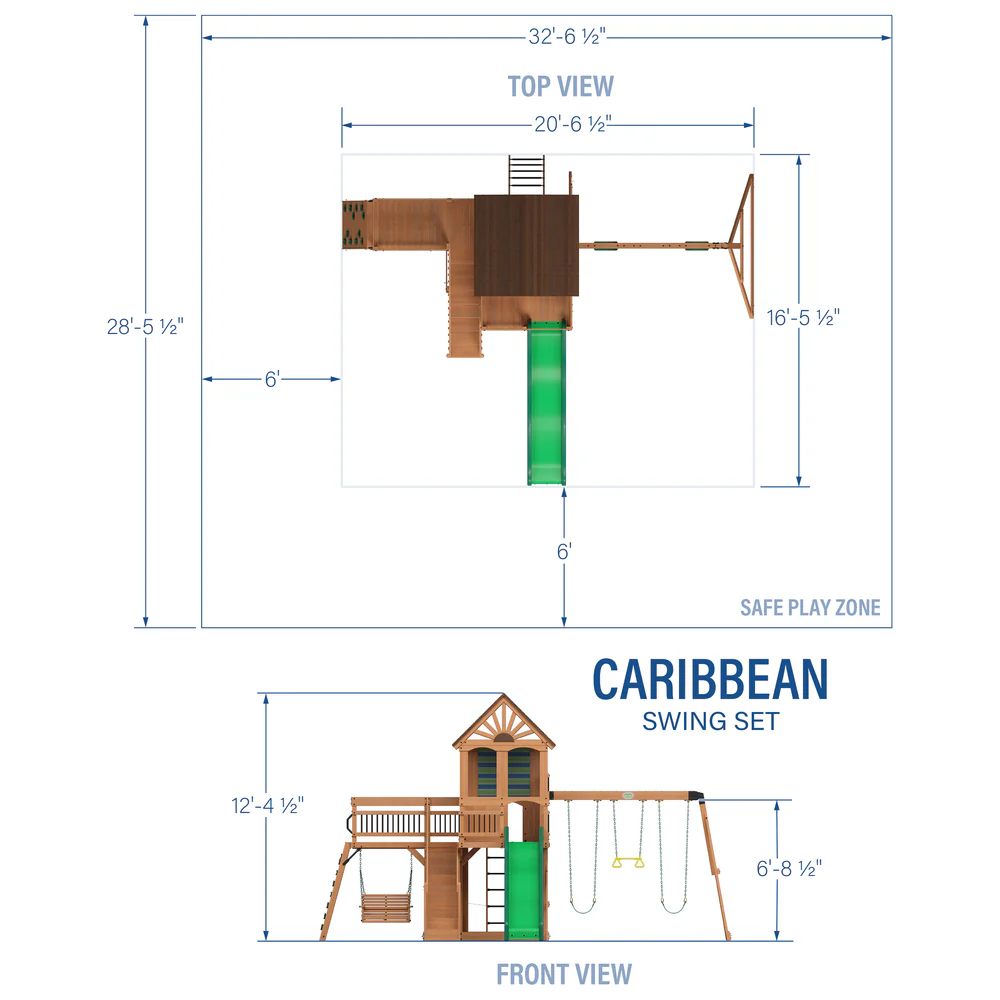
large wooden playgrounds
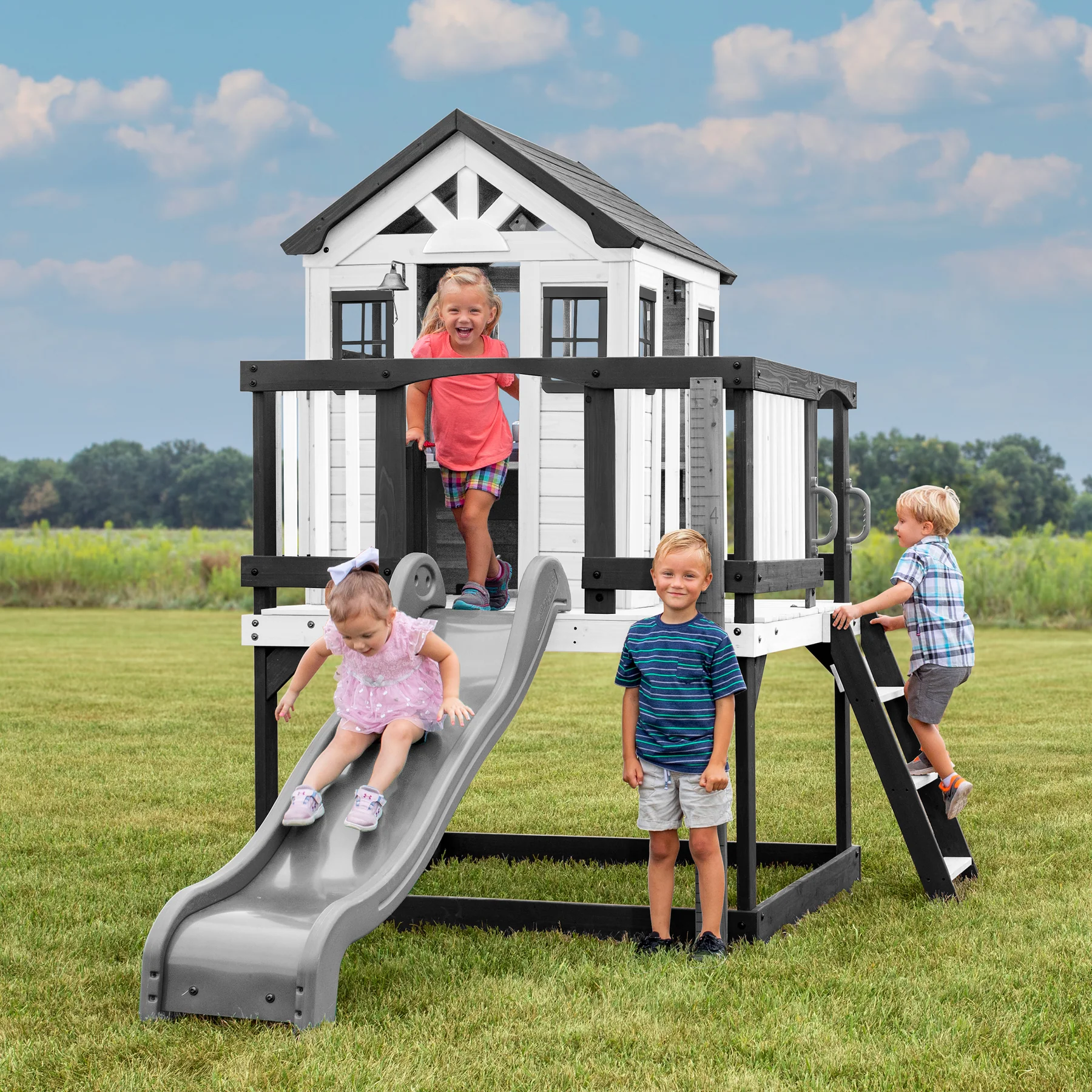
wooden large swing