Are Portable Modular Wooden Playhouses Creating Pop-Up Play Villages in Public Parks?
A dynamic new concept is reshaping the landscape of public recreation, turning ordinary park lawns into vibrant, ephemeral hubs of imagination. The strategic deployment of portable, modular wooden playhouses is enabling cities to install temporary play villages that can appear, evolve, and move with the seasons. This innovative approach challenges the notion of static playgrounds and prompts a key question for urban planners: How are these temporary wooden playhouse villages redefining flexible, community-centered play in public spaces?
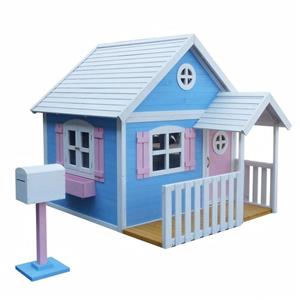
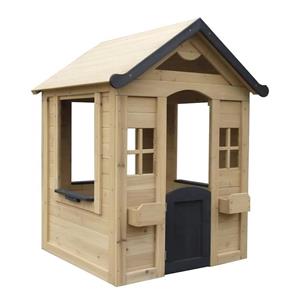
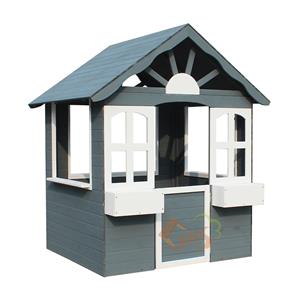
This model transcends the installation of a single, permanent wooden playhouse. Instead, it involves a collection of lightweight, interlocking modules—each a self-contained childrens wooden playhouse—that can be configured into endless layouts. One week, the modules might form a dense, bustling village; the next, they could be arranged as a winding frontier outpost or a scattered archipelago of play islands. These are not mere temporary shelters but thoughtfully crafted outdoor wooden playhouse units, designed for durability, safety, and easy mobility, often featuring integrated handles, wheels, or lightweight frames that allow small municipal crews or even community volunteers to reposition them with surprising ease.
The Philosophy: Ephemerality, Engagement, and Equity
The core strength of this concept lies in its inherent flexibility and novelty. Permanent playgrounds, while valuable, can become predictable. A temporary wooden wendy house village generates excitement and a sense of occasion. It can be installed to coincide with summer festivals, school holidays, or community events, drawing families to parks with the promise of a fresh, immersive play experience. This "pop-up" philosophy activates underutilized green spaces, allowing cities to experiment with play in different neighborhoods without the long-term commitment and significant capital expenditure of permanent structures. It serves as a live pilot program, gathering community feedback on play preferences in various locales.
Moreover, modularity invites direct community participation. Parks departments can host co-design workshops where children help map out the village’s layout, decide the function of different play house wooden units (e.g., a market stall, a library, a watchtower), or contribute to non-structural decorations. This participatory process fosters a powerful sense of ownership and agency among young citizens, transforming them from passive park users into active co-creators of their temporary play environment. The village becomes a canvas for collective storytelling and social interaction.
Design Ingenuity: Engineering for Mobility and Safety
The practical success of these pop-up villages rests on smart, robust design principles:
Modular Connection Systems: Units feature secure, child-safe connectors—such as interlocking panels, bolt systems, or tension straps—that allow them to be linked into stable clusters, forming enclosed courtyards, linear "streets," or multi-level complexes.
Lightweight yet Durable Construction: Utilizing woods like sustainably sourced pine or cedar, the structures are engineered to be moved regularly while withstanding vigorous public use. Roofs and walls may employ lightweight composites or treated canvas, balancing durability with portability.
Integrated Mobility Solutions: Design is inseparable from logistics. Units may feature folding walls, stackable designs, or integrated tow bars, enabling efficient storage in park depots and rapid deployment across multiple sites.
Safety and Inclusivity in a Temporary Context: Despite their transient nature, these installations rigorously adhere to public play safety standards (e.g., rounded edges, secure railings, non-toxic finishes). Designs also consider creating accessible pathways into and around the village layout, ensuring inclusive play opportunities.
The Broader Urban Impact: A Tool for Agile City Management
This adaptive model offers cities multifaceted advantages:
1、Maximized Green Space Utility: Parks can seamlessly transition from hosting a sculpture exhibit to a wooden playhouse village to an open event lawn, responding dynamically to community needs and calendar events.
2、Equitable Play Distribution: Villages can be rotationally deployed across different wards or neighborhoods, particularly in areas identified as "play deserts," ensuring more equitable access to stimulating play infrastructure city-wide.
3、Low-Risk Innovation: Municipalities can trial innovative play concepts, materials, or layouts on a temporary basis, using community engagement and observation to inform future permanent investments.
4、Promoting Nature-Connected Play: The use of natural wood and the temporary presence of these outdoor wooden playhouse structures inherently emphasize a connection to the park environment, encouraging play that is responsive to weather, terrain, and the natural setting.
The emergence of portable, modular wooden playhouses represents a significant leap in responsive and participatory public space design. These temporary play villages do more than entertain; they democratize imaginative play, foster community cohesion, and provide urban planners with a versatile, sustainable tool for activation. They demonstrate that the enchanting essence of a childrens wooden playhouse can be scaled into a shared, transient resource, capable of periodically transforming our public parks into landscapes of collective wonder and social discovery.
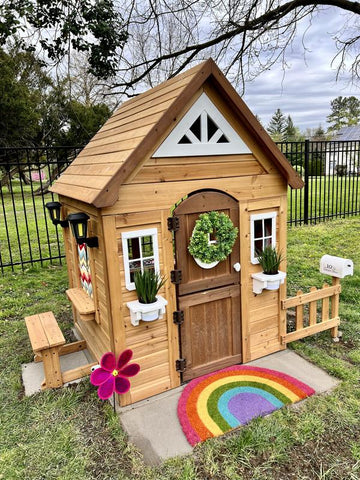
play house wooden
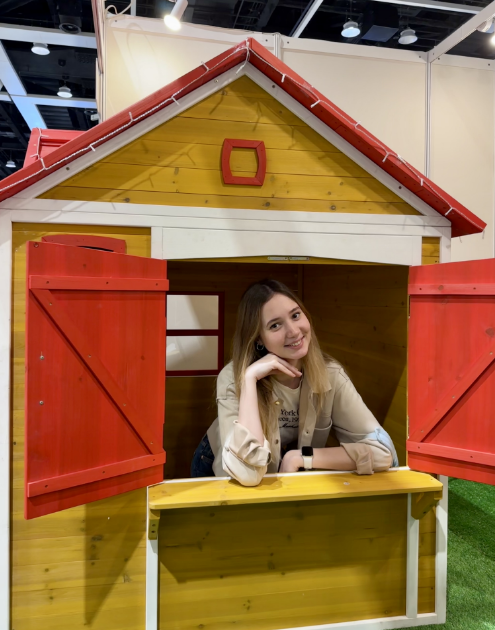
childrens wooden playhouse
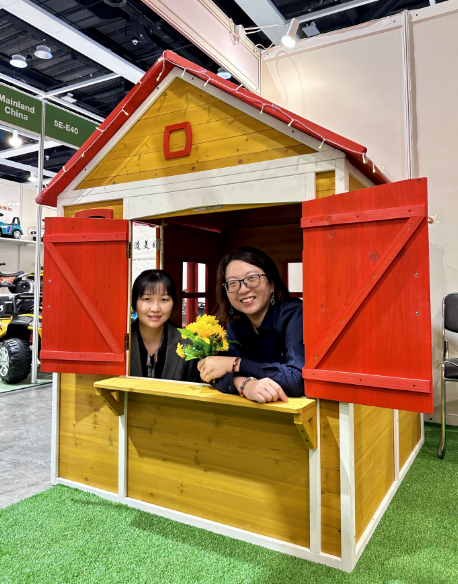
wooden wendy house
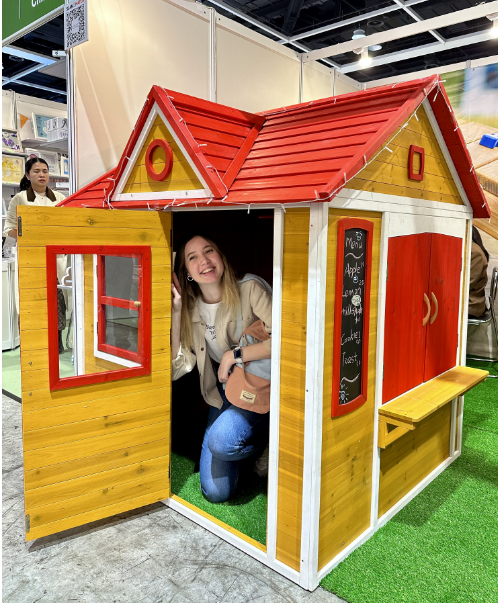
outdoor wooden playhouse