Can Pop-Up Playhoods Redefine Public Play?
A new wave of urban play is emerging not in permanent concrete, but in flexible wood. Across forward-thinking cities, pop-up playhoods—temporary villages composed of portable, modular wooden playhouses—are transforming public parks into dynamic landscapes of imagination. This innovative approach represents a fundamental shift from static playgrounds to adaptive, community-responsive play environments. But what defines this trend, and how does it address contemporary urban challenges?
The concept is elegantly disruptive. Instead of installing a single fixed wooden playhouse, municipalities and community groups deploy a collection of lightweight, interlocking units. Each play house wooden module is a self-contained playspace that can function alone or connect securely with others. Over a weekend, a flat section of a park can become a bustling village of childrens wooden playhouse structures, arranged as a dense hamlet, a winding street, or a scattered outpost. The following month, the same units can be reconfigured into an entirely new layout in a different neighborhood park.
The Philosophy: Ephemerality as a Feature
The strength of the pop-up playhood lies in its intentional temporality and mobility. Unlike capital-intensive permanent playgrounds that can become monotonous, these temporary wooden villages generate novelty and event-based excitement. Their impermanence is not a limitation but a strategic tool. Parks departments can respond to seasonal demand, activating spaces during summer breaks or holiday periods and then clearing the area for other public uses. This model allows cities to test play concepts in diverse neighborhoods, gather community feedback, and promote equitable access to high-quality play without the long-term commitment of poured concrete and welded steel.
Furthermore, the modular nature of these outdoor wooden playhouse units fosters participatory placemaking. Installation events often involve local families and children in the assembly and layout process. A simple wooden wendy house might be designated as "The Library" one day and "The Spy Headquarters" the next, based on the collective imagination of its young users. This hands-on involvement cultivates a powerful sense of ownership and agency, transforming passive park visitors into active co-creators of their play environment.
Design & Impact: Engineering for Community and Ecology
The execution of pop-up playhoods relies on thoughtful design that balances durability, safety, and logistics.
Modular Engineering: Units feature robust, weather-resistant connectors—often inspired by timber framing techniques—that allow for secure, flexible configurations. This enables the creation of complex play narratives, from interconnected forts to standalone lookout posts.
Sustainable Materiality: Constructed primarily from sustainably sourced timber like cedar or high-grade plywood, these structures offer a warm, natural aesthetic that blends with park settings. Their materiality provides a tactile, sensory-rich alternative to plastic and metal, reconnecting play with natural textures.
Urban Cooling & Greening: Some advanced designs incorporate green roof elements on wooden playhouse units, planting sedum or local grasses that provide insulation, manage stormwater, and create micro-habitats. When deployed across a city, these playhoods can contribute to urban cooling and biodiversity, turning play spaces into ecological assets.
Social Catalyst: By creating a clustered village of childrens wooden playhouse structures, these installations naturally encourage cooperative, social play. They become hubs for intergenerational interaction, where caregivers connect while children engage in complex, imaginative scenarios that span multiple structures.
The Urban Planning Perspective: A Toolkit for Agile Cities
For urban planners, pop-up playhoods represent a versatile new tool in the public space toolkit.
Equitable Placemaking: Units can be rotated through parks in underserved neighborhoods, addressing "play deserts" and ensuring all children have periodic access to innovative play environments.
Tactical Urbanism for Play: This approach aligns with tactical urbanism principles—using short-term, low-cost interventions to demonstrate long-term value. A successful temporary play village can build public support for larger, permanent investments in play infrastructure.
Adaptive Reuse of Space: Playhoods can activate underutilized pavements, vacant lots, or oversized lawn areas, demonstrating how flexible design can maximize the utility of public land.
Community-Led Innovation: The lower barrier to entry (compared to permanent builds) allows for more experimental designs and faster iteration based on real-time observation of how children actually use the spaces.
The rise of pop-up playhoods signifies a maturation in how cities conceptualize public play. By leveraging portable, modular wooden playhouses, municipalities are creating agile, engaging, and ecologically conscious play environments that meet communities where they are. These temporary villages of outdoor wooden playhouse structures do more than entertain—they demonstrate that the most vibrant and responsive urban spaces are those that can adapt, move, and grow alongside the communities they serve. In the process, they redefine the wooden wendy house not as a backyard fixture, but as a building block for more playful, connected, and resilient cities.
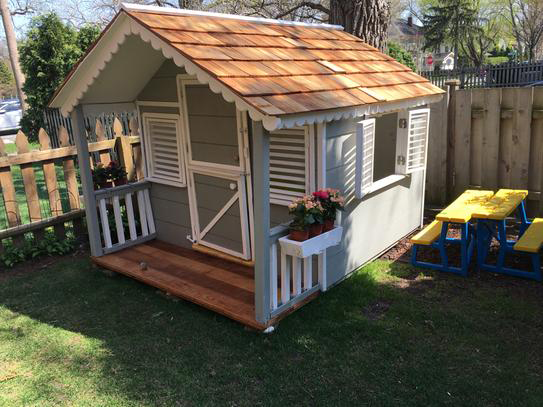
wooden wendy house
wooden playhouse
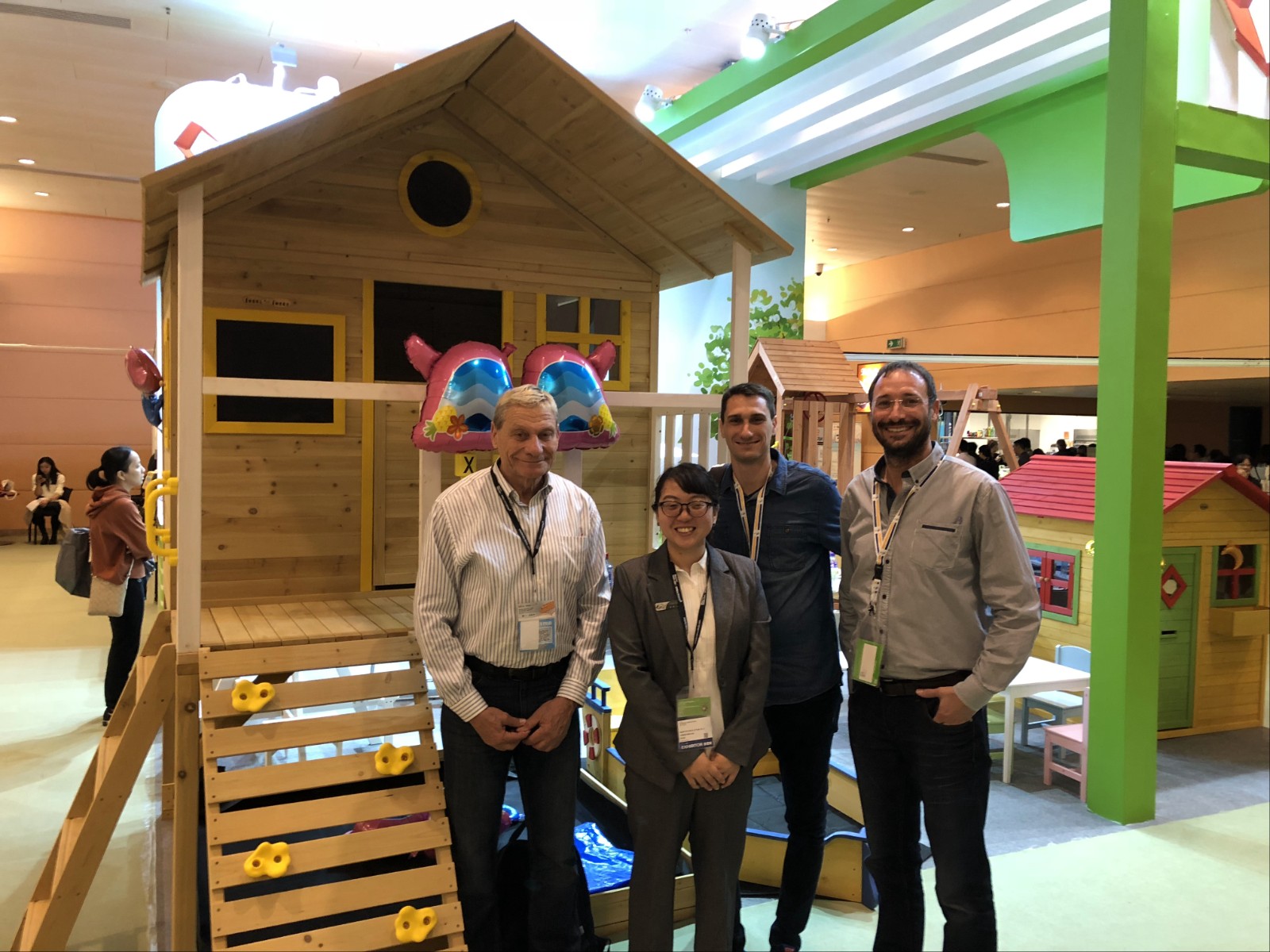
play house wooden
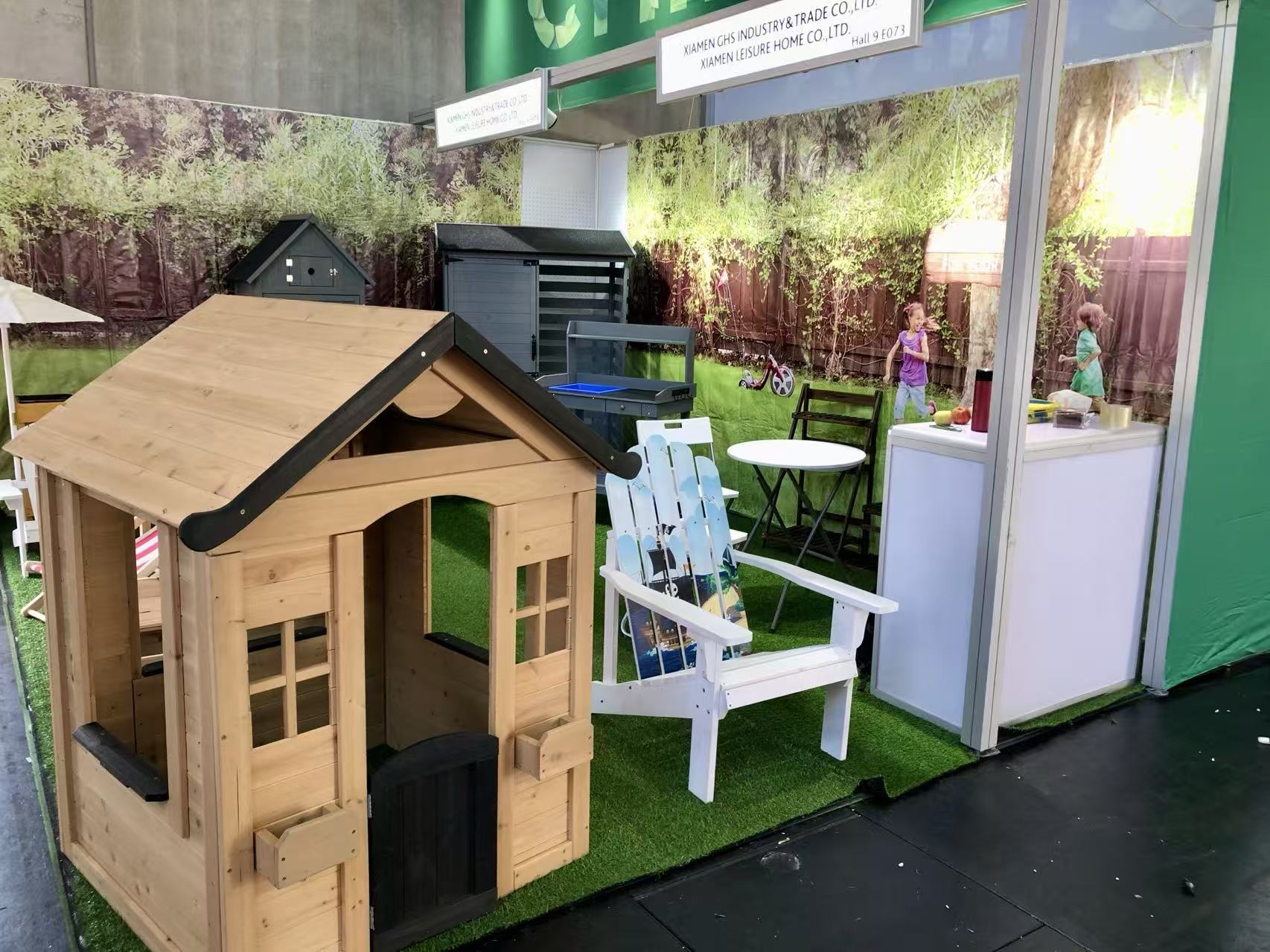
outdoor wooden playhouse