Can a Cubby House Really Reclaim Childhood in the Digital Age?
In an era dominated by screens and structured schedules, a quiet revolution is taking root in backyards worldwide. Parents, increasingly concerned about the erosion of unstructured, imaginative play, are turning to a timeless yet reinvented solution: the outdoor cubby house. This is not merely a nostalgic nod to the past but a strategic, tangible tool in the modern parental toolkit. The pressing question becomes: How can a simple structure like a cubby house effectively "reclaim" a child's childhood from the clutches of digital passivity and overscheduled routines?
The answer lies not in the cubby house itself as an object, but in the unique space—both physical and psychological—it creates. A well-designed childrens cubby house operates as a powerful antidote to contemporary childhood pressures by fulfilling four critical roles that digital devices cannot.
Creating an Irresistible Physical Magnet for Unstructured Play
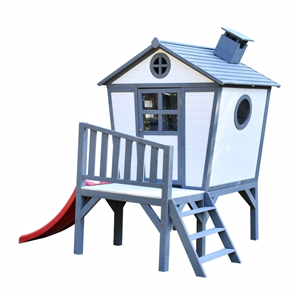
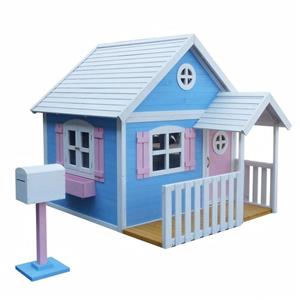
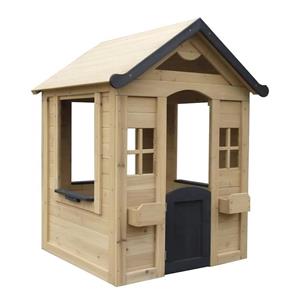
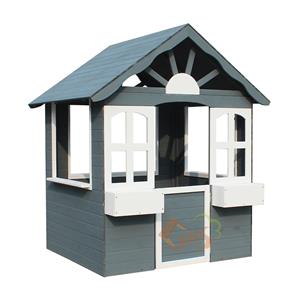
The primary strategy is one of displacement. A compelling outdoor cubby house serves as a more attractive destination than the couch or tablet. Unlike digital entertainment, which is consumed passively, a wooden cubby house is a stage awaiting a director. Its very presence in the garden is an open invitation to adventure. Whether it's a rustic wooden cubby house that becomes a frontier fort or a modern outdoor cubby configured as a spaceship, it provides the framework for child-led narrative. This open-endedness is crucial. There are no rules, levels, or algorithms—only the child's imagination setting the agenda. By offering a dedicated domain for self-directed exploration, the cubby house physically pulls children into a world of their own making, directly competing for their time and attention.
2. Serving as a Sanctuary for Sensory and Social Development
Once inside, the outdoor cubby house becomes a laboratory for essential, real-world learning. This environment fosters what screens often inhibit: rich sensory input and complex social negotiation. The feel of wood, the sound of rain on the roof, the scent of the garden—these sensory experiences ground a child in the physical world. Socially, the childrens cubby house is a micro-society. Children must negotiate roles ("You be the captain, I'll be the cook"), establish rules, and resolve conflicts to maintain their shared world. This unstructured social play is the bedrock for developing empathy, communication skills, and emotional resilience. It is in the hushed conversations and boisterous negotiations within a cubby house that the deep, messy, and invaluable work of childhood socialization occurs.
3. Facilitating "Slow Time" and Family Connection
Reclaiming childhood is also about reclaiming time—specifically, slow, uninterrupted, and present time. A wooden cubby house naturally facilitates this. It encourages play that unfolds over hours or even days, where a story started one afternoon can be continued the next. This builds patience and sustained attention. Furthermore, it acts as a catalyst for device-free family interaction. The process of building, painting, or customizing the outdoor cubby becomes a collaborative project. Parents reading stories inside, helping to string up fairy lights, or simply being invited for a "tea party" find themselves pulled into this slower, more present pace. The cubby house thus becomes a shared family hearth, a place where connections are strengthened away from the ping of notifications.
4. Reconnecting Childhood with the Natural World
Positioned in the garden, the outdoor cubby house inherently re-establishes a child's link to nature. It becomes a basecamp for observation—watching insects, tending to a small planter box, or simply feeling the wind change. This daily, casual interaction with the outdoors fosters environmental stewardship, reduces stress, and promotes physical well-being. It counters the "indoor childhood" trend, ensuring that a child's world includes sky, soil, and seasons.
A cubby house does not reclaim childhood through opposition to technology, but through offering a superior, more fulfilling alternative. It successfully competes by providing what the digital world lacks: autonomy, sensory richness, authentic social challenge, and a deep connection to the tangible world. The modern childrens cubby house or thoughtfully crafted wooden cubby house is therefore far more than a play structure. It is a deliberate architectural intervention—a declaration that childhood should be filled with mud pies and secret clubs, with whispered plans and boundless imagination. By investing in this simple space, parents are not just building a playhouse; they are actively constructing the conditions for a richer, more resilient, and truly reclaimed childhood.
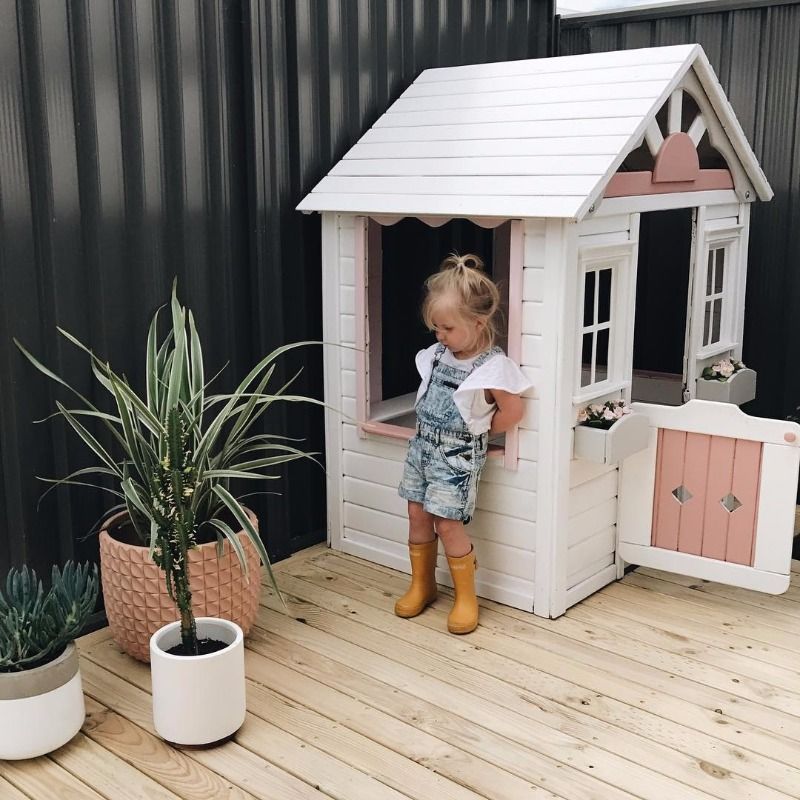
outdoor cubby
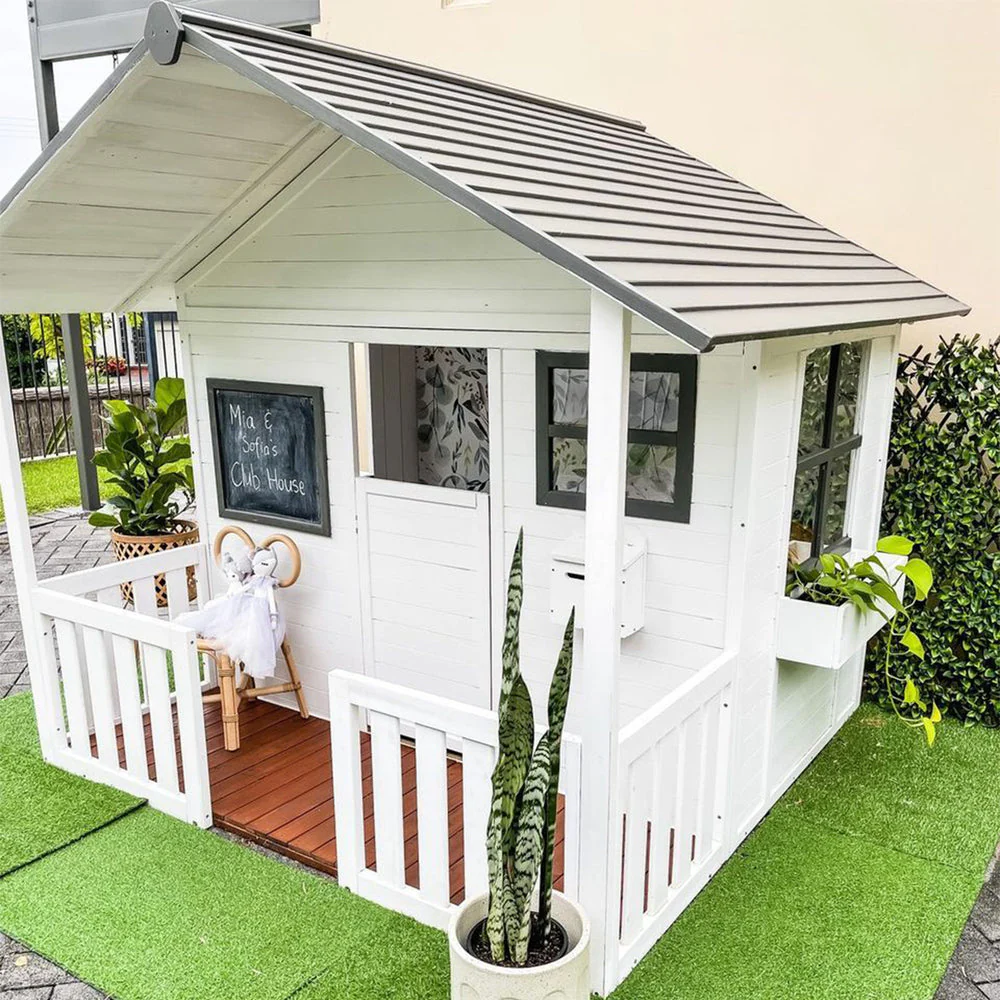
wooden cubby house
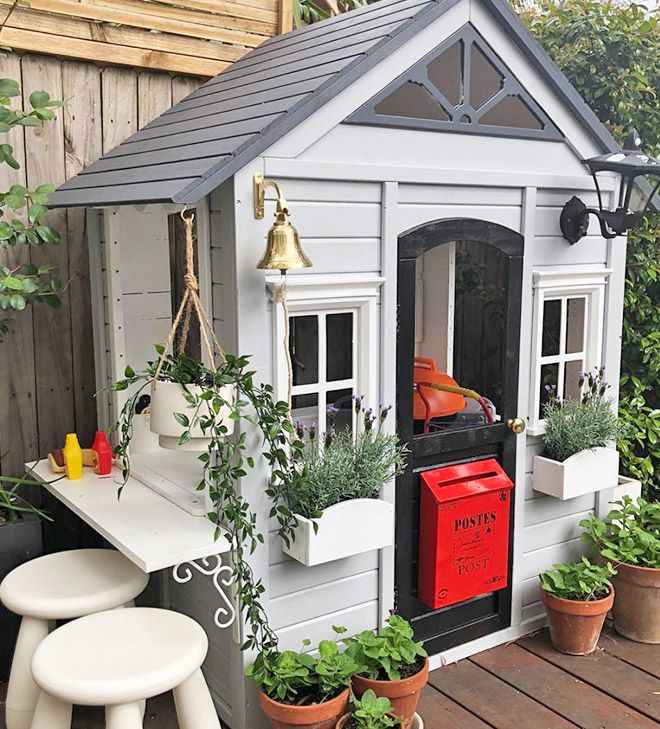
outdoor cubby house
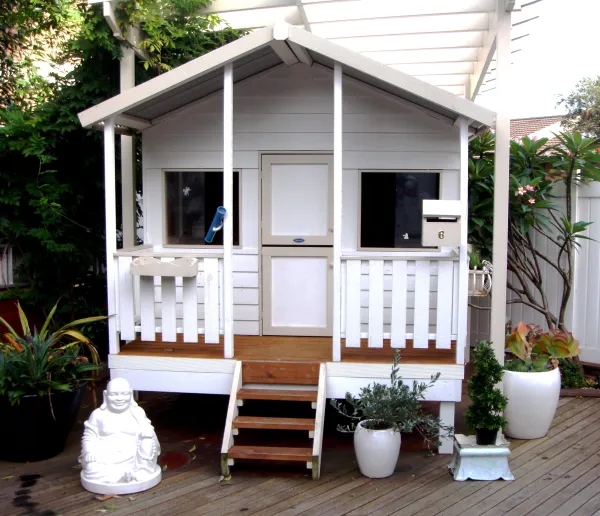
childrens cubby house