What Changes Occur in Children's Play Habits After Adding a Cubby House to the Backyard?
The decision to install a cubby house in the family garden is often met with great anticipation. Parents hope for more outdoor time, while children dream of a private kingdom. But beyond the initial excitement, a fascinating transformation often takes root. The simple presence of this structure can fundamentally reshape a child's daily play patterns, social interactions, and even cognitive engagement. So, what specific, observable changes in play habits can families realistically expect after welcoming an outdoor cubby house into their lives?
The shift is frequently profound and multi-layered, moving far beyond just "playing outside more." A well-designed childrens cubby house acts not as a mere object, but as a catalyst, redirecting a child's energy, creativity, and social dynamics in tangible ways.
1. From Passive Consumption to Active Creation: The Rise of Narrative Play
One of the most immediate changes is the shift from passive, consumption-based play to active, narrative-driven creation. Before the outdoor cubby arrived, play might have been dominated by following pre-set rules in games or consuming linear media. Afterwards, the wooden cubby house becomes a blank slate. Children become authors, directors, and set designers. A single afternoon might see the structure transform from a pirate ship evading sea monsters to a jungle research station documenting "wildlife" (backyard insects). This self-generated storytelling strengthens executive function, language skills, and problem-solving as children navigate the logistical challenges of their imagined worlds ("How do we build a trap for the dragon?"). The play is no longer about finishing a level but about extending a complex, self-created narrative.
2. The Evolution of Social Dynamics: Negotiation and Shared Sovereignty
The introduction of a cubby house often revolutionizes social play, especially with siblings or friends. It becomes a coveted asset, a "clubhouse" that requires the development of a mini-society. Parents report observing children spontaneously negotiating rules, membership, and roles. They draft codes of conduct, assign responsibilities (like "door keeper" or "treasure guardian"), and learn to resolve conflicts to preserve the fun of their shared domain. This outdoor cubby house becomes a real-world social laboratory where lessons in diplomacy, sharing, and collective imagination are learned organically. The play habit shifts from parallel or lightly interactive play to deeply collaborative, rule-building enterprise.
3. Increased Duration and Depth of Outdoor Engagement
Perhaps the most hoped-for change is a significant increase in quality outdoor time. The cubby house provides a compelling "home base" that makes the backyard a destination rather than just a space to pass through. Play sessions become longer and more resilient to boredom. A child might spend hours curating their space—arranging found objects as treasures, making "meals" from leaves and petals, or simply reading a book in the quiet corner of their wooden cubby house. This represents a move from intermittent outdoor activity to sustained, immersive engagement. The garden becomes an integral part of their play world, encouraging observation of nature, weather, and seasons in a way that fleeting outdoor play does not.
4. The Emergence of Autonomy and a Sense of Ownership
A key psychological shift is the development of autonomy and territorial responsibility. The childrens cubby house is often perceived as a child's first truly independent domain, separate from adult-governed indoor spaces. This fosters a powerful sense of ownership. Children take initiative in decorating, cleaning, and "repairing" their space. They make independent decisions about its use and layout. This habit of caring for a space and managing a small, personal territory builds confidence, responsibility, and pride. Play becomes intertwined with stewardship, a combination rarely found in other toys or digital platforms.
5. A New Venue for Family Interaction and Intergenerational Play
Finally, the play habit of family interaction often finds a new, relaxed venue. The outdoor cubby house naturally invites adults into children's worlds on the children's terms. Parents might be summoned for a puppet show, invited to a "restaurant" serving mud pies, or asked to help solve a structural challenge. This shifts family play from adult-organized activities to child-led invitations, creating more authentic and memorable connections. The cubby house becomes a bridge between generations, facilitating play in a way that feels natural and spontaneous for the child.
The changes witnessed after installing a cubby house are a testament to its power as a developmental tool. It does not simply change where a child plays, but how they play. It catalyzes a shift towards more creative, social, autonomous, and deeply engaged habits. The backyard outdoor cubby house or classic wooden cubby house ceases to be just an addition to the garden and becomes the engine of a richer, more complex, and self-directed childhood culture. For parents observing these changes, the reward is seeing not just a child at play, but a growing mind architecting its own world.
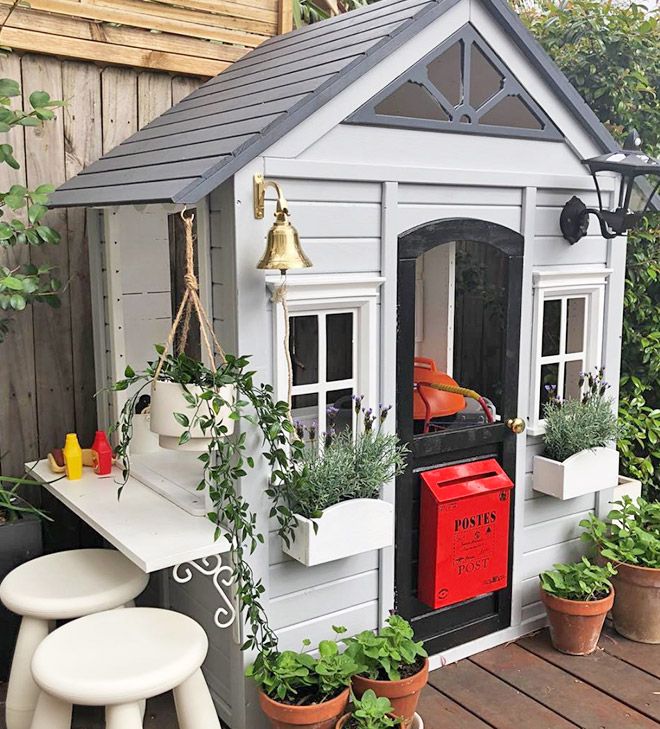
outdoor cubby
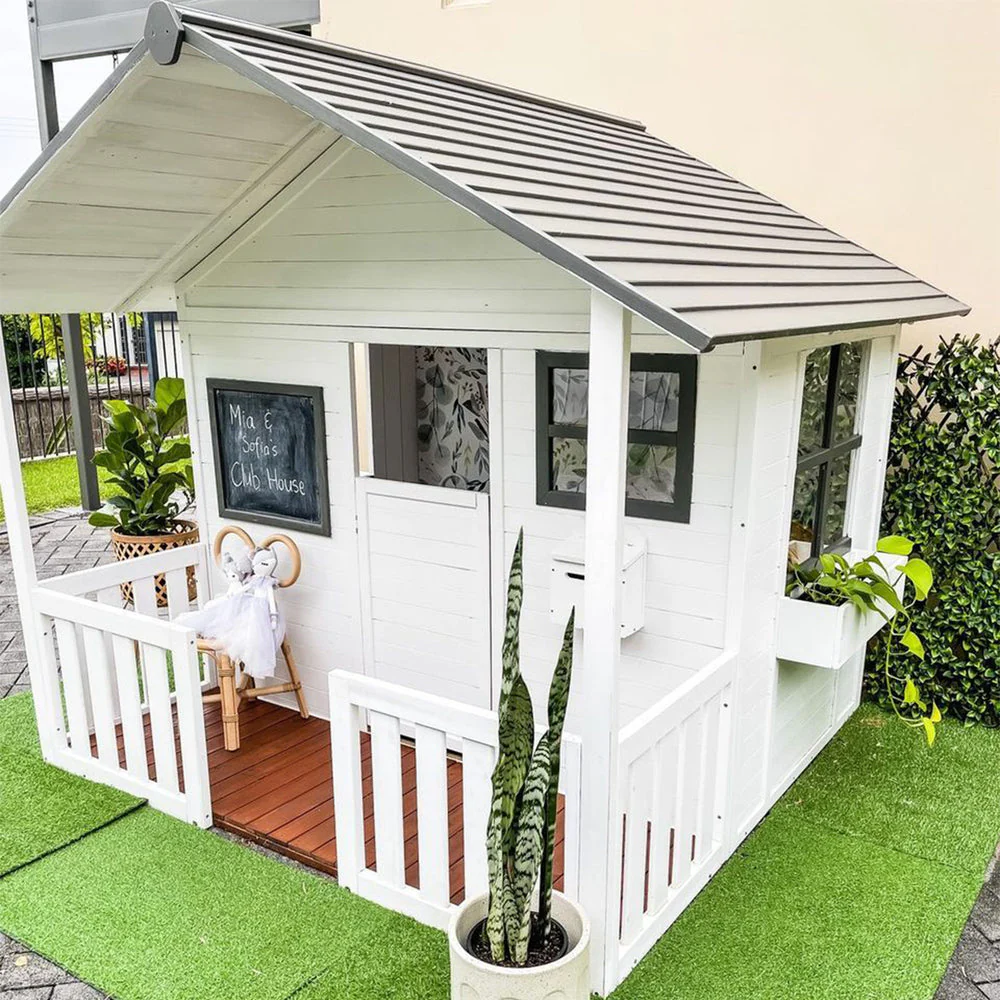
wooden cubby house
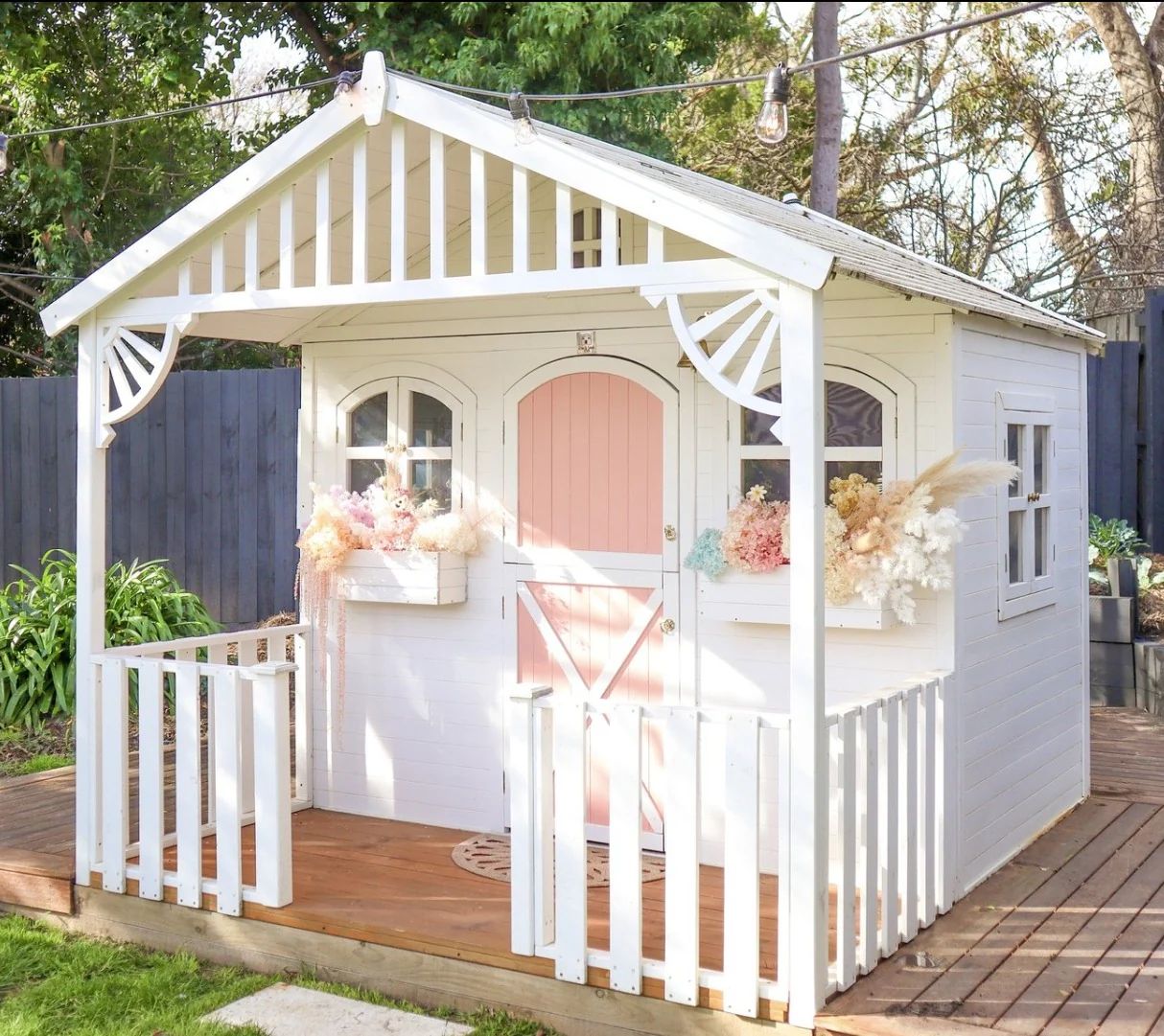
outdoor cubby house
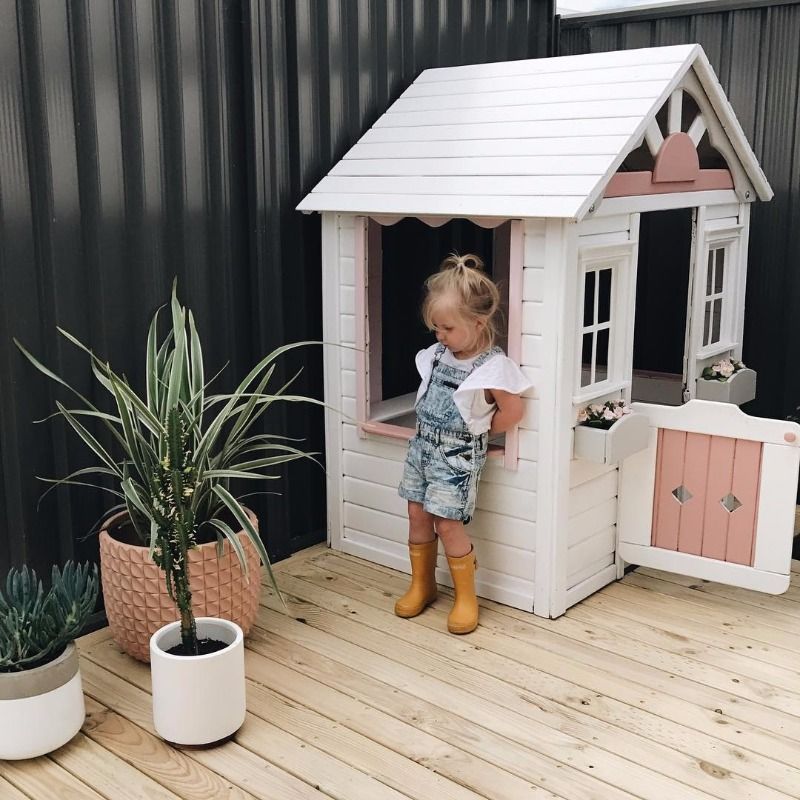
childrens cubby house