What is the Best Material for a Children‘s Cubby House: Wood Plastic or Fabric?
Choosing the perfect cubby house is an exciting decision for any family, but one of the most fundamental questions often arises first: What material is best? The classic charm of a wooden cubby house, the modern practicality of plastic, or the lightweight portability of fabric each present distinct advantages and trade-offs. This decision impacts not only the play structure's aesthetics and longevity but also its safety, environmental footprint, and role in a child's development. So, which material truly offers the optimal balance for your outdoor cubby house?
The Timeless Classic: Wooden Cubby House
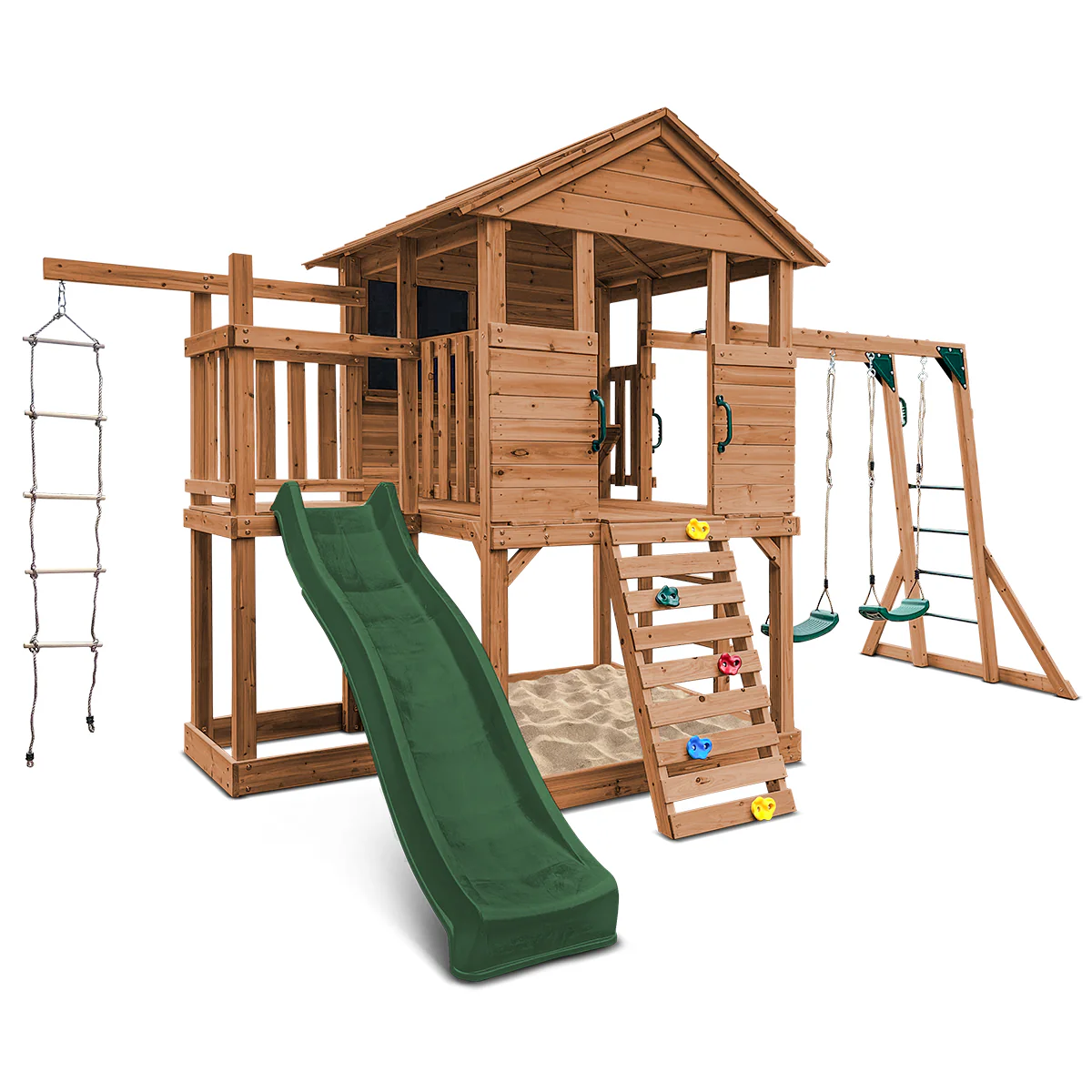
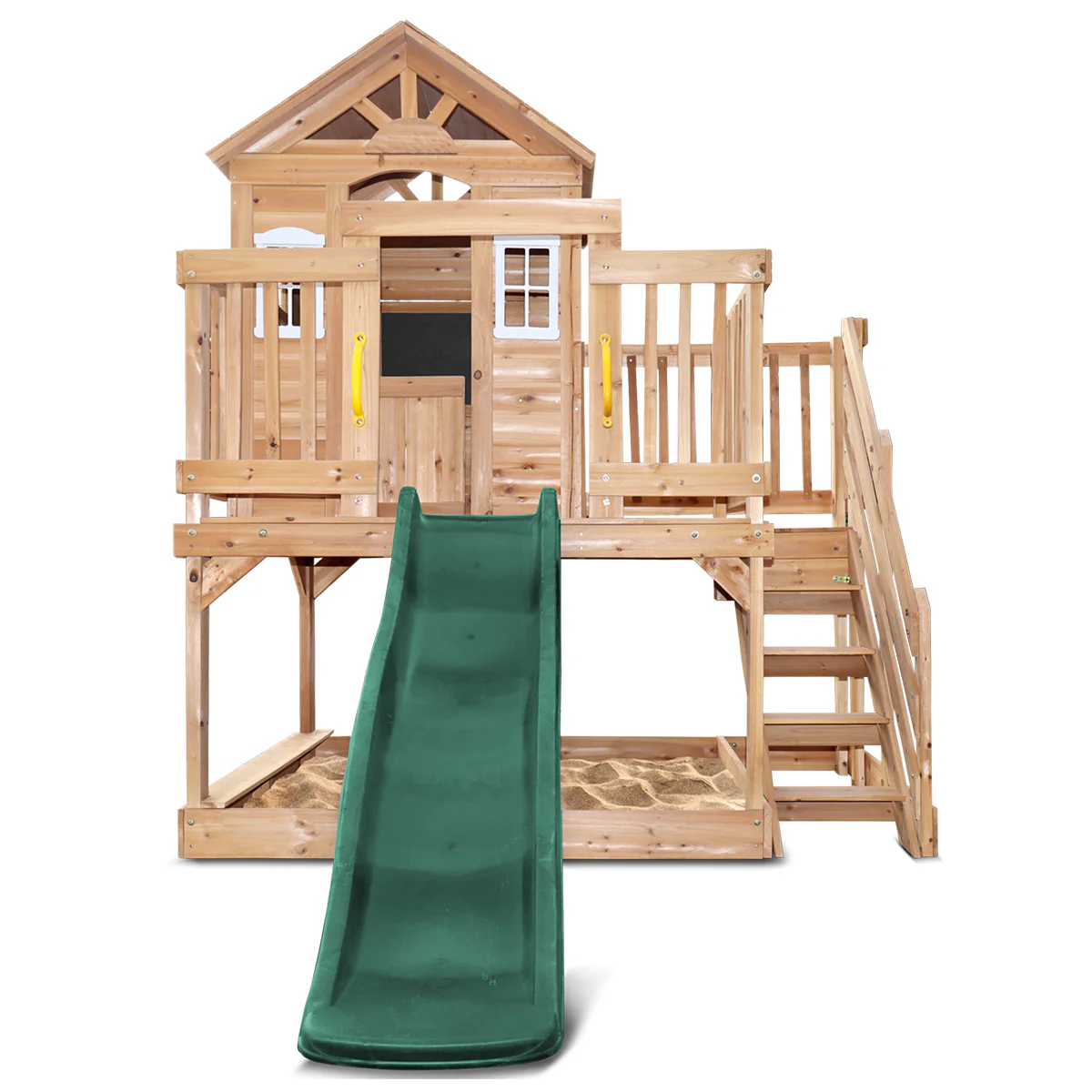
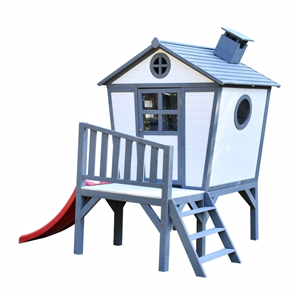
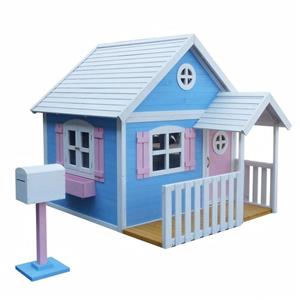
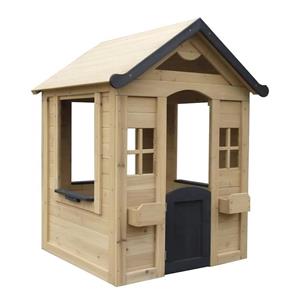
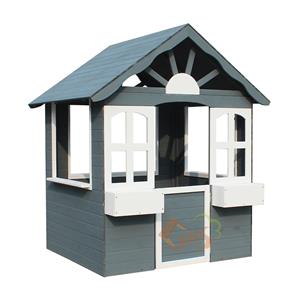
For generations, wood has been the gold standard for a childrens cubby house, and for compelling reasons. A well-constructed wooden cubby house offers unparalleled durability and a natural aesthetic that blends seamlessly into any garden.
Durability & Longevity: High-quality, treated timber like cedar, redwood, or pressure-treated pine can withstand years of vigorous play and diverse weather conditions, often becoming a backyard heirloom passed between siblings.
Safety & Stability: When properly built, a wooden cubby house provides excellent structural stability. It can be securely anchored to the ground, offering peace of mind for parents. Using non-toxic, child-safe stains or sealants is crucial for safety.
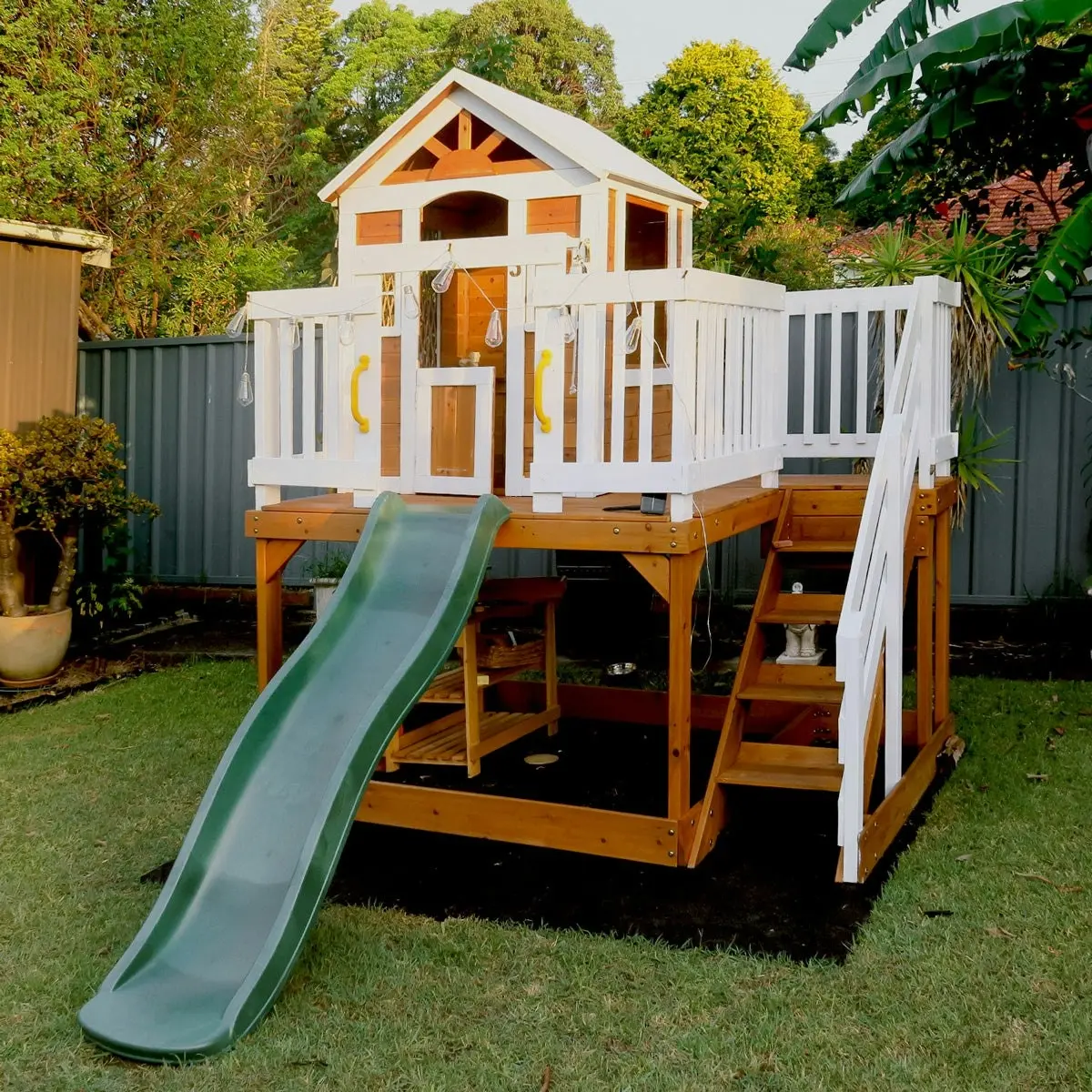
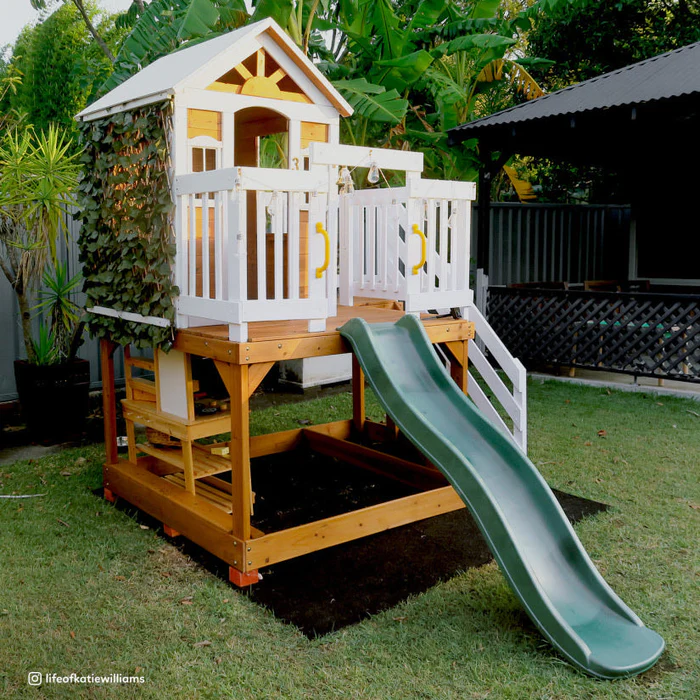
Developmental & Aesthetic Value: Wood has a tactile, warm quality that plastic lacks. It invites customization—children can paint it, helping to foster a sense of ownership and creativity. Its natural look encourages a connection to the outdoors.
Considerations: Wood requires more maintenance than other materials, such as periodic sealing or staining to prevent rot or warping. Initial cost and assembly complexity are also typically higher.
The Modern Contender: Plastic Cubby House
Plastic outdoor cubby structures have gained popularity due to their affordability and low-maintenance appeal, making them a common choice for many families.
Practicality & Maintenance: Plastic units are typically lightweight, easy to assemble, and require virtually no upkeep—they won’t rot, rust, or need painting. Their bright colors and molded play features (like built-in slides) are immediately appealing to young children.
Safety & Portability: Rounded edges and smooth surfaces are child-friendly. Their lighter weight makes them portable, though this can also be a drawback for stability in strong winds unless secured.
Considerations: The major trade-offs come in longevity and environmental impact. Plastic can become brittle and fade when exposed to intense sunlight over time, and it offers less insulation, becoming very hot in summer. From a sustainability perspective, plastic is derived from fossil fuels and is less recyclable than often assumed, posing a dilemma for eco-conscious families.
The Flexible Option: Fabric Cubby House
Fabric or canvas cubby house tents offer a unique, often indoor-outdoor solution focused on portability and imaginative setup.
Portability & Creativity: These are ideal for families with limited space or who desire a flexible play area that can be moved from the living room to the garden. They spark imagination through their varied shapes (tipis, tunnels, castles).
Affordability & Softness: Fabric structures are generally the most affordable and safest in terms of soft falls and lightweight frames, suitable for very young toddlers.
Considerations: They are the least durable option for dedicated outdoor cubby house use. Fabric is susceptible to mold, mildew, and damage from sun and rain. It offers minimal thermal insulation and lacks the robust, "permanent clubhouse" feeling that encourages deep, sustained imaginative play.
The Verdict: A Matter of Priority and Purpose
The "best" material is not a universal answer but depends on your family's specific values, budget, and long-term vision for the childrens cubby house.
For Long-Term Investment & Holistic Development: Wood is Superior. If you seek a durable, aesthetically pleasing, and customizable structure that grows with your child and fosters a deep connection to creative, outdoor play, a wooden cubby house is the definitive choice. It represents an investment in years of childhood memories.
For Budget-Friendly, Low-Maintenance Immediate Play: Plastic is Practical. For a colorful, easy-setup option for younger children where initial cost and upkeep are primary concerns, plastic serves a functional purpose.
For Flexible, Supplemental Imaginative Play: Fabric is Functional. As an indoor companion or a temporary outdoor novelty for toddlers, fabric tents have their valued place.