How to Childproof Your Cubby House: 7 Safety Must-Dos Every Parent Should Follow
A cubby house represents a magical kingdom for a child—a private domain for adventure and imagination. However, transforming this beloved outdoor cubby house into a secure haven requires proactive steps from parents. Whether you have a charming wooden cubby house or a modern outdoor cubby, ensuring its safety is paramount. From structural integrity to material safety, here are seven essential guidelines every parent should follow to childproof their childrens cubby house effectively.
1. Inspect Structural Stability and Secure Anchoring
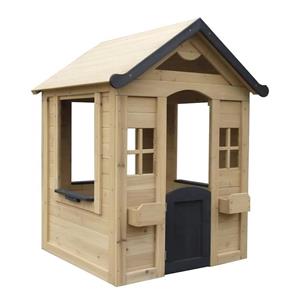
The foundation of any safe cubby house is its structural stability. Begin by thoroughly inspecting all joints, beams, and panels. For a wooden cubby house, check for signs of rot, splintering, or loose fasteners. Ensure the entire structure is firmly anchored to the ground to prevent tipping during vigorous play or strong winds. Use sturdy, rust-resistant brackets or ground anchors designed for outdoor cubby structures. Regularly tighten bolts and screws, as weather changes can loosen them over time.
2. Ensure Smooth Surfaces and Rounded Edges
Children’s play is often energetic, and sharp edges or rough surfaces pose significant risks. Sand down any rough spots or splinters on a wooden cubby house using fine-grit sandpaper. Pay special attention to corners, railings, and doorframes. If your outdoor cubby house has plastic or composite components, ensure there are no sharp mold seams. Consider adding soft corner guards or edge protectors to further minimize injury risks.
3. Verify Non-Toxic Materials and Finishes
The materials used in your cubby house should be safe for prolonged contact. For painted or stained structures, confirm that all paints, sealants, and stains are non-toxic, water-based, and certified for children’s use. This is especially critical for a wooden cubby house, where chemical treatments may be applied. Avoid products containing volatile organic compounds (VOCs) or lead. If you’re unsure, apply a child-safe sealant over existing finishes.
4. Install Safe Railings and Guardrails
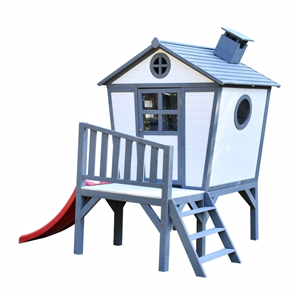
Falls are a common concern with elevated outdoor cubby house designs. Ensure all platforms, stairs, and decks are equipped with secure railings or guardrails. The spacing between railings should be less than 3.5 inches (9 cm) to prevent a child’s head from getting trapped. Height is also crucial—railings should be at least 24–30 inches tall for young children. Regularly test their sturdiness by applying gentle pressure.
5. Check for Adequate Ventilation and Visibility
A well-ventilated childrens cubby house prevents overheating and ensures air circulation. Ensure windows or openings allow fresh air to flow freely, especially in enclosed designs. Additionally, maintain clear visibility for adult supervision. Avoid covering windows with opaque materials, and position the outdoor cubby in a spot where you can easily monitor play from a distance.
6. Remove or Secure Potential Hazards
Childproofing extends to the accessories and surroundings of your cubby house. Secure removable parts like ladders, slides, or play panels to prevent them from collapsing. Keep the interior free of small, detachable items that could pose choking hazards. Ensure nearby trees or branches do not overhang the structure, and clear the area of tripping hazards like rocks or garden tools.
7. Establish and Enforce Safe Play Rules
Finally, educate your children on cubby house safety. Set clear rules, such as no pushing on platforms, no climbing on roofs, and no roughhousing near edges. Explain the importance of using the structure as intended. For a wooden cubby house, remind children to avoid chewing on rails or dragging toys across unfinished surfaces. Regular conversations about safety foster responsible play habits.
A childproofed cubby house is more than just a play structure—it’s a secure environment where creativity and exploration can thrive. By prioritizing structural checks, material safety, and proactive maintenance, parents can ensure their outdoor cubby house remains a joyful and risk-free zone. Whether you’re setting up a new childrens cubby house or retrofitting an existing one, these seven steps provide a comprehensive roadmap to peace of mind. After all, the greatest adventures are those enjoyed safely within the walls of a well-protected backyard kingdom.
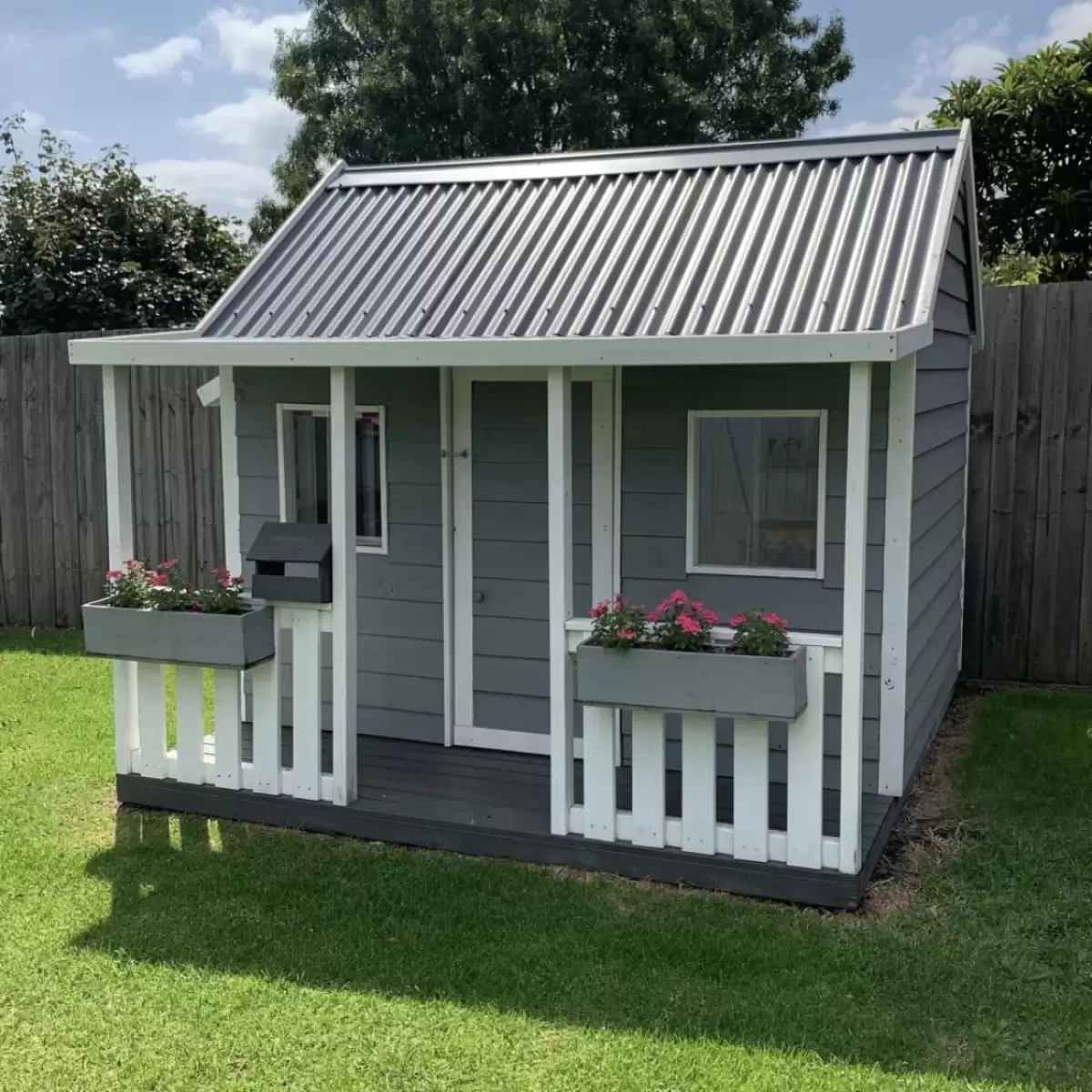
outdoor cubby
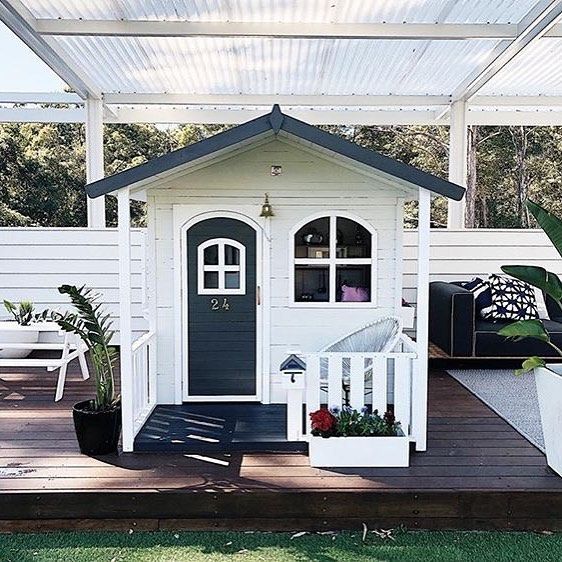
wooden cubby house
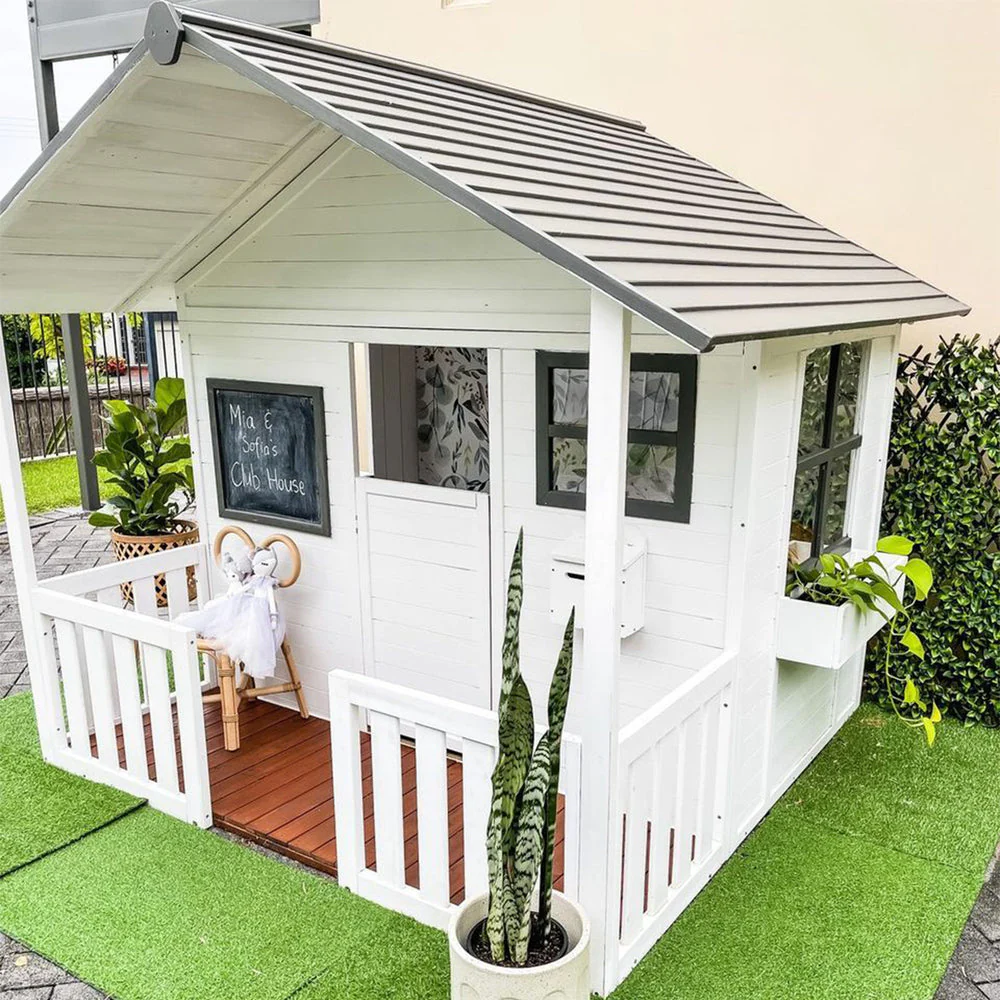
outdoor cubby house
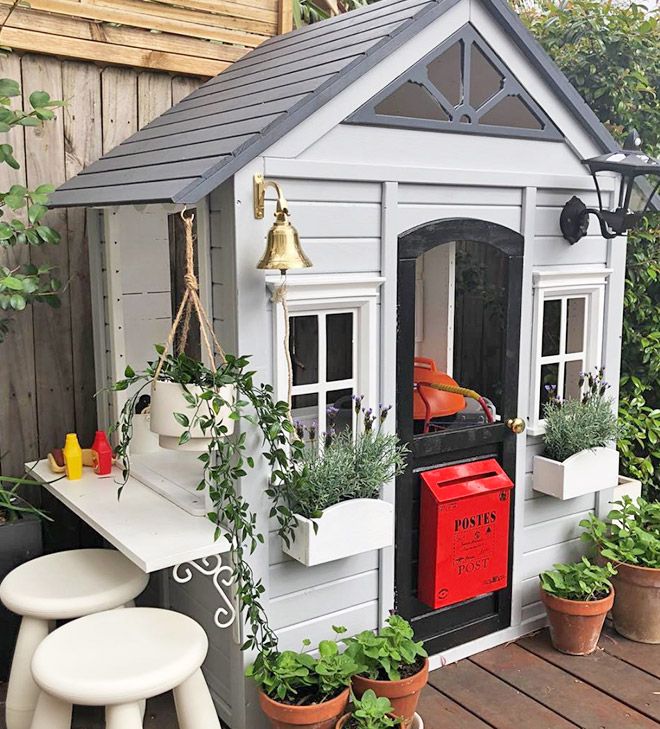
childrens cubby house