Can Kids Now Design Their Dream Wooden Playhouse with AR?
A revolutionary shift is occurring in how families plan and personalize backyard play spaces, moving the design process from the imagination directly into the yard through technology. Augmented Reality (AR) applications are now enabling children and parents to collaboratively design, customize, and visualize their dream wooden playhouse in precise detail before a single piece of timber is cut. This digital innovation prompts a compelling question: How is AR technology transforming the emotional investment and creative process behind building the perfect outdoor wooden playhouse?
The traditional approach to creating a childrens wooden playhouse often involved sketches, catalog photos, and a leap of faith regarding how a chosen model would fit and look in the actual backyard space. Modern AR apps are eliminating this guesswork. Using a smartphone or tablet, families can select a base model of a wooden playhouse from a manufacturer's digital catalog and then use the device's camera to project a life-size, three-dimensional hologram of the structure onto their exact chosen spot in the garden. This allows them to walk around the virtual outdoor wooden playhouse, assess its scale against existing trees or fences, and see how sunlight falls across it at different times of day.
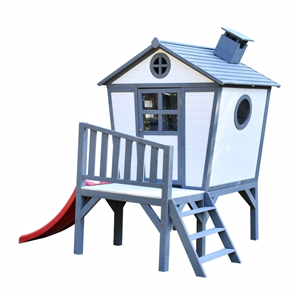
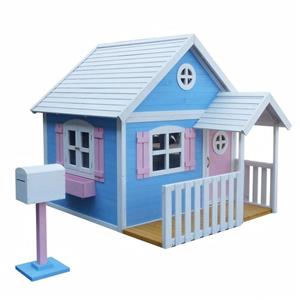
The true magic, however, lies in the immersive customization phase. This is where the experience goes "beyond the paintbrush." Within the app, users can experiment in real-time with a vast array of design choices that were previously abstract or required costly commitments. They can change the siding from classic clapboard to log-cabin style, swap out window shapes, add a flower box or a climbing wall to their wooden wendy house, and try endless color combinations for trim and shutters. The child can see their fantasy—a pirate ship with a crow's nest or a pastel-pink fairy castle—superimposed onto their real-world backyard, making the design process a deeply engaging and collaborative family activity.
This technology is dramatically enhancing consumer confidence and creative agency. By visualizing the final product with such accuracy, families avoid the disappointment of a structure that feels too large, too small, or aesthetically mismatched. It turns the purchase of a play house wooden from a transactional decision into an interactive and memorable co-creation journey. The child's direct involvement in the AR design process fosters a powerful sense of ownership and anticipation, making the subsequent physical construction or delivery of their wooden playhouse the thrilling realization of a vision they have already "lived in" virtually.
For manufacturers and builders, AR apps serve as a powerful sales and design tool, reducing uncertainty and post-purchase dissatisfaction. They streamline the consultation process, allowing clients to arrive at a final design more efficiently and with full confidence.
The integration of AR technology into the wooden playhouse design process is more than a gimmick; it is a fundamental enhancement of the customer experience. It bridges the gap between imagination and reality, empowering children as the lead architects of their own backyard adventures. By allowing families to see, modify, and explore their dream outdoor wooden playhouse in their actual environment, AR ensures that the final, physical childrens wooden playhouse is not just built, but lovingly and precisely imagined into existence, guaranteeing it will be a perfect fit for both the yard and the child's heart.
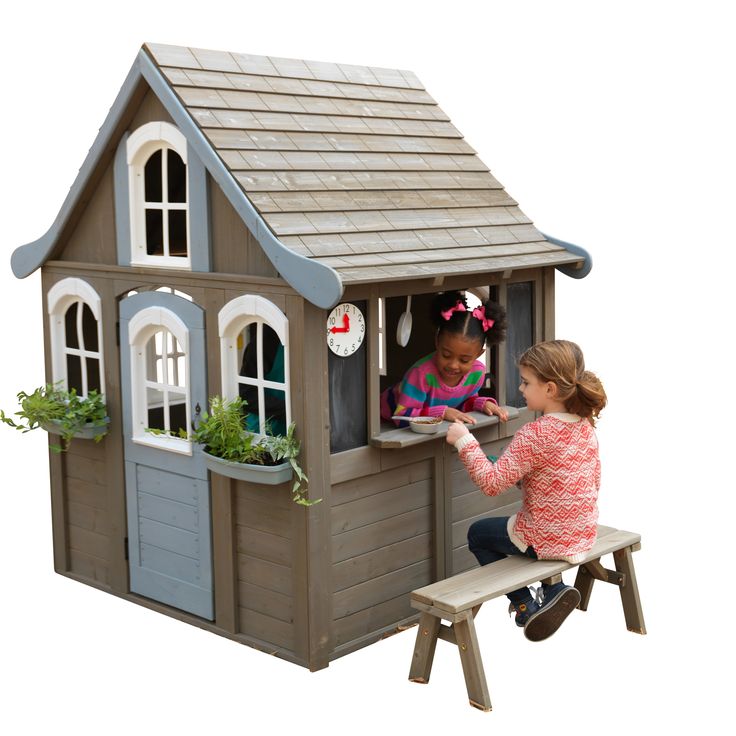
play house wooden
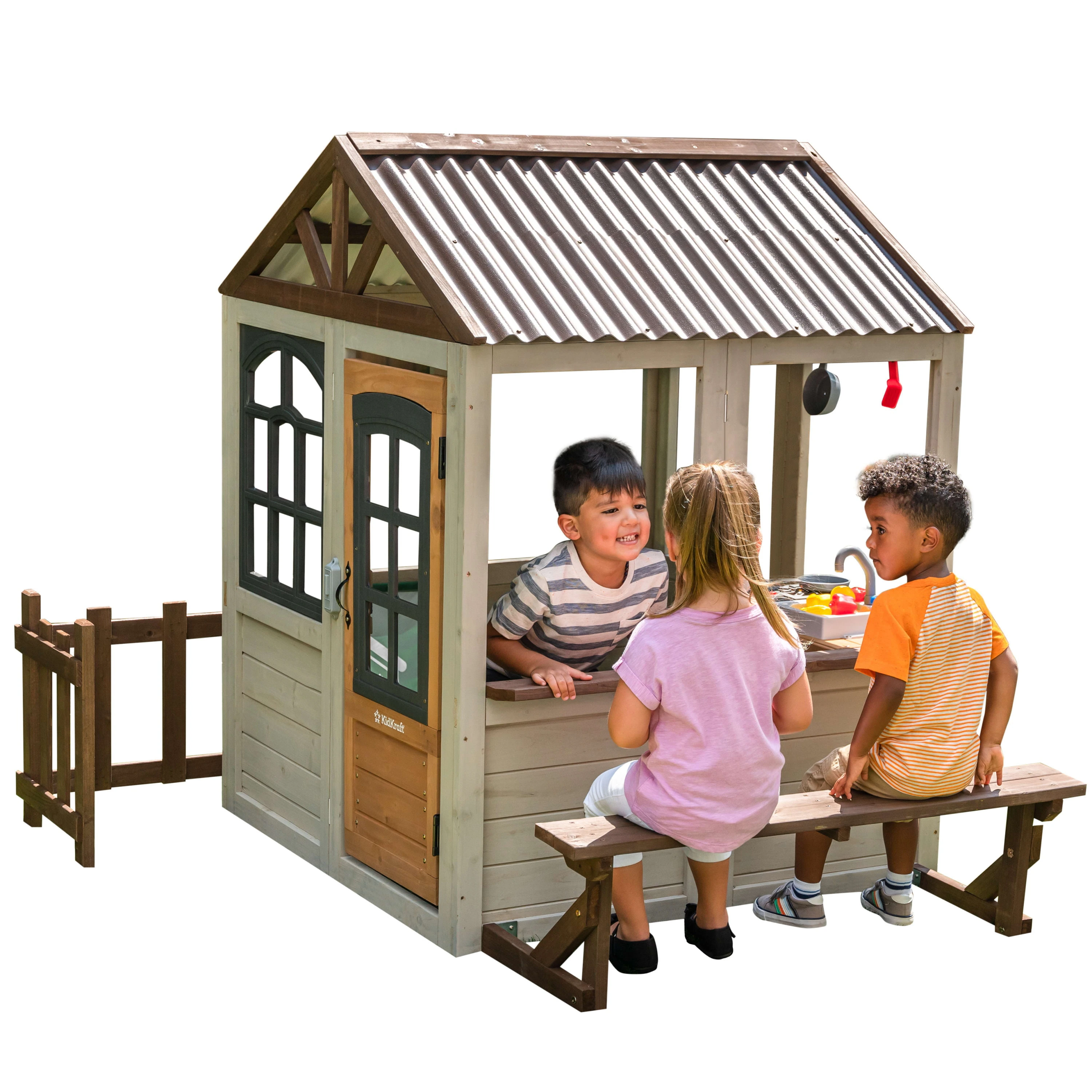
childrens wooden playhouse
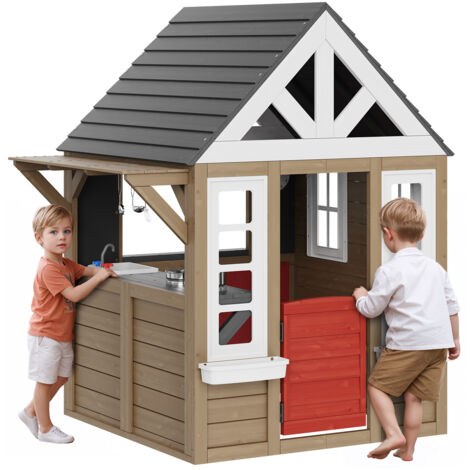
wooden wendy house
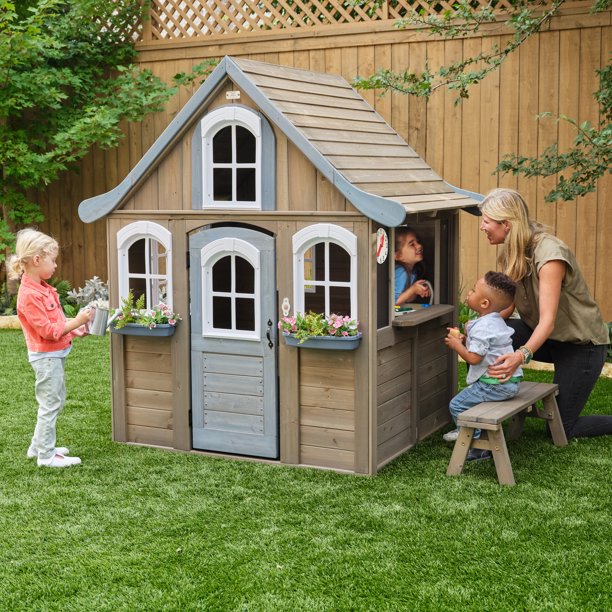
outdoor wooden playhouse