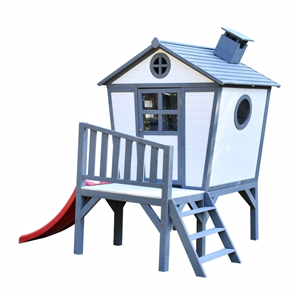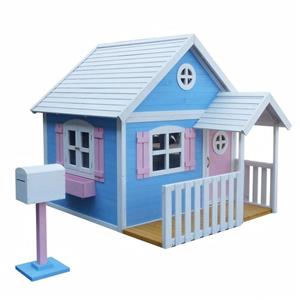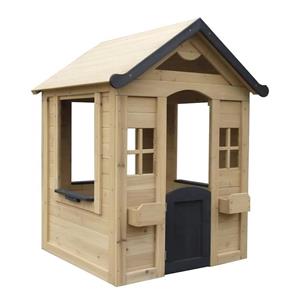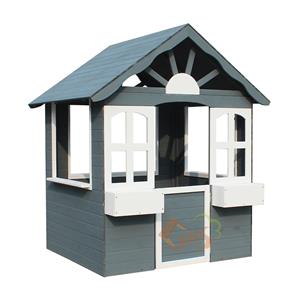
Will 2026's Smart Playhouse Maintain Itself?
A quiet technological revolution is poised to redefine the backyard sanctuary. As we look toward 2026, the integration of Internet of Things (IoT) sensors into the classic wooden playhouse promises to create a new standard: the self-maintaining, proactively safe wooden fort. This evolution moves beyond simple play to introduce an era of intelligent, responsive structures, raising a pivotal question: How will interconnected sensors transform a simple outdoor wooden playhouse into a safer, more durable, and self-aware environment for children?
The vision for the 2026 smart playhouse is built on a network of discreet, durable sensors embedded within the structure of a childrens wooden playhouse. These sensors will monitor the playhouse's condition and environment in real-time, creating a continuous data stream that enhances both safety and longevity. For parents, this means a shift from reactive worry and scheduled maintenance to proactive assurance and predictive care.
Enhanced Safety Through Environmental Monitoring is a primary application. Moisture sensors within the walls and floor of a wooden wendy house can alert parents via a smartphone app to potential water ingress or elevated humidity levels long before mold or rot becomes visible. Temperature sensors can warn if the interior of an outdoor wooden playhouse becomes excessively hot on a summer day, prompting ventilation. Simple motion or vibration sensors can log activity, offering parents peace of mind about usage patterns without intrusive cameras.
The concept of Self-Maintenance and Predictive Upkeep is where IoT technology truly innovates. Strain gauges on key joints and load-bearing beams can monitor structural integrity, alerting owners to potential weaknesses long before they become hazards. UV sensors can track cumulative sun exposure, sending a notification when it's statistically optimal to reapply a protective sealant to the wooden playhouse, preventing wood degradation at the ideal moment. This data-driven approach promises to maximize the lifespan of a play house wooden, ensuring it remains a safe heirloom for years.
Furthermore, this intelligence can enhance the play experience itself. Ambient light sensors could automatically trigger gentle, battery-powered fairy lights at dusk. Sound level sensors might help parents monitor the decibel level of exuberant play. When combined with solar power systems, these smart forts become truly autonomous units, managing their own energy needs for lighting and sensing.
Critically, the success of this vision hinges on privacy, security, and simplicity. Data transmission must be secure and anonymized, with clear parental controls. The technology must be secondary to the primary material—warm, natural wood—and require minimal user complexity. The goal is not to create a digital device, but a thoughtfully enhanced wooden sanctuary.
The 2026 smart playhouse, empowered by IoT sensors, represents a logical fusion of timeless craft and modern guardianship technology. It promises to elevate the outdoor wooden playhouse from a passive structure to a connected partner in safety and care. By offering real-time insights into structural health and environmental conditions, these intelligent forts will allow parents to worry less about upkeep and hazards, and children to enjoy their wooden wendy house with greater freedom and security, making the backyard fort of the future not just a place for adventure, but a paradigm of intelligent, caring design.
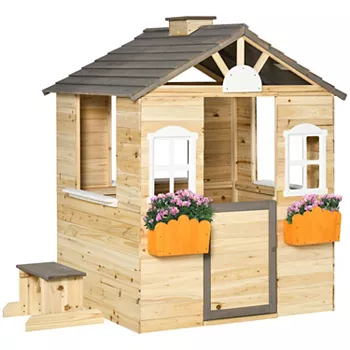
play house wooden
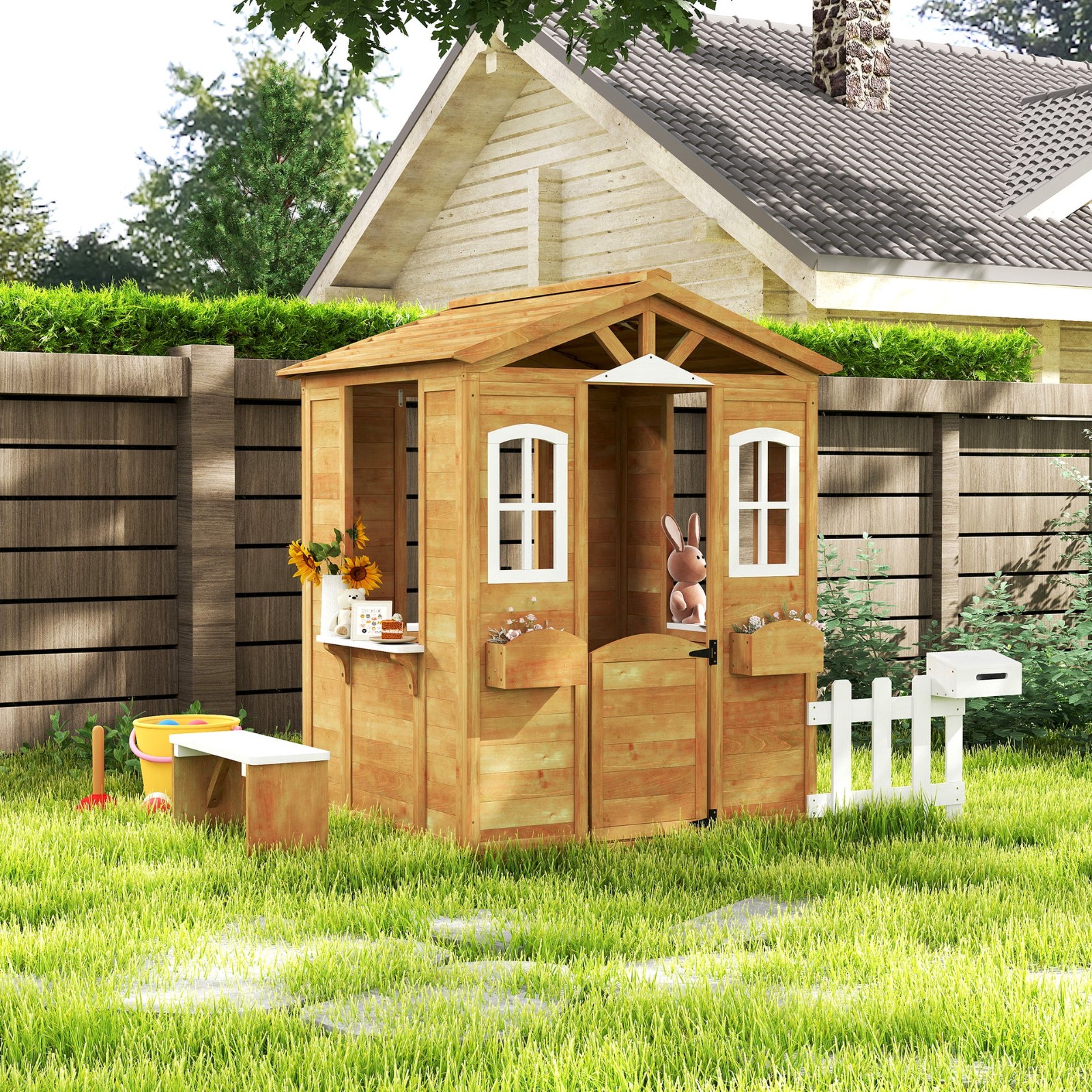
childrens wooden playhouse
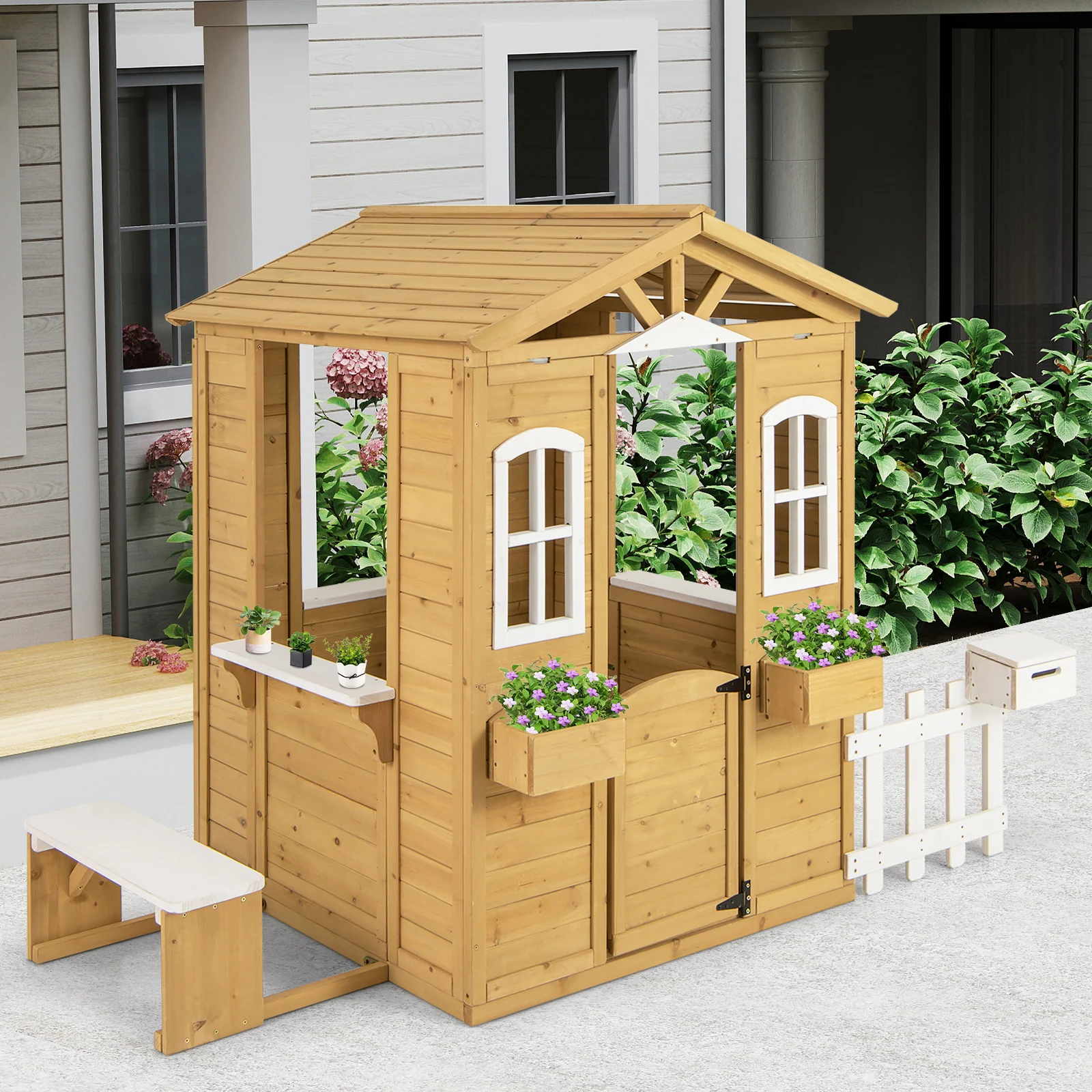
wooden wendy house
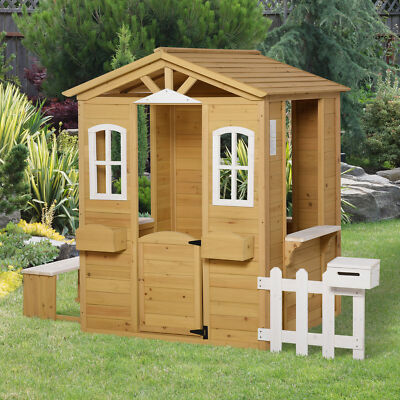
outdoor wooden playhouse