Can Your Cubby House Be Truly Unique? A Guide to Family-Led Personalization
In an era where mass-produced toys dominate the market, a growing desire for meaningful, personalized experiences is reshaping consumer choices. This trend is powerfully evident in the realm of children's outdoor play, particularly with the modern outdoor cubby house. Parents are increasingly asking: Does this product support true personalization, and how can our family collaborate to create a space that is uniquely ours? The answer from leading manufacturers is a resounding yes, with the journey of customization becoming as valuable as the finished childrens cubby house itself, transforming a simple purchase into a cherished family project.
1. The Framework for Customization: Beyond Paint and Stickers
Today's premium cubby house is designed from the ground up to be a canvas for family creativity. Personalization is no longer an afterthought limited to a coat of paint; it is a core design principle enabled by modular architecture and flexible systems.
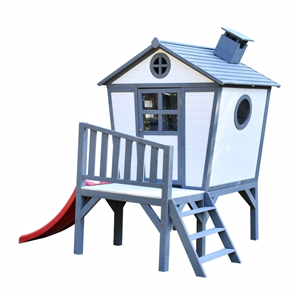
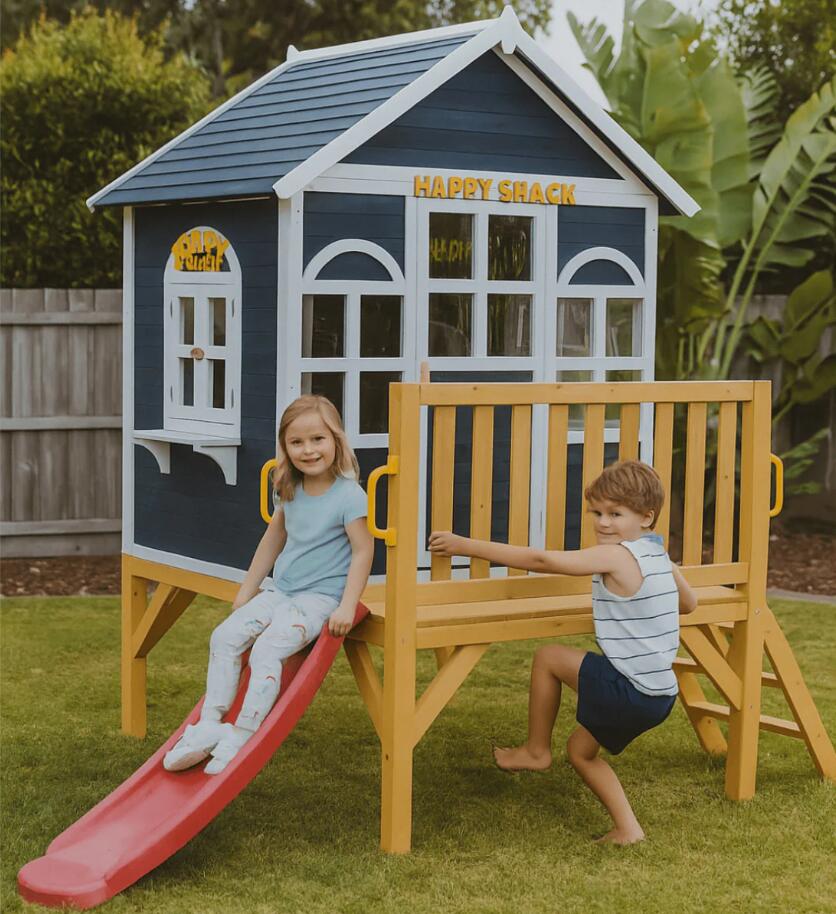
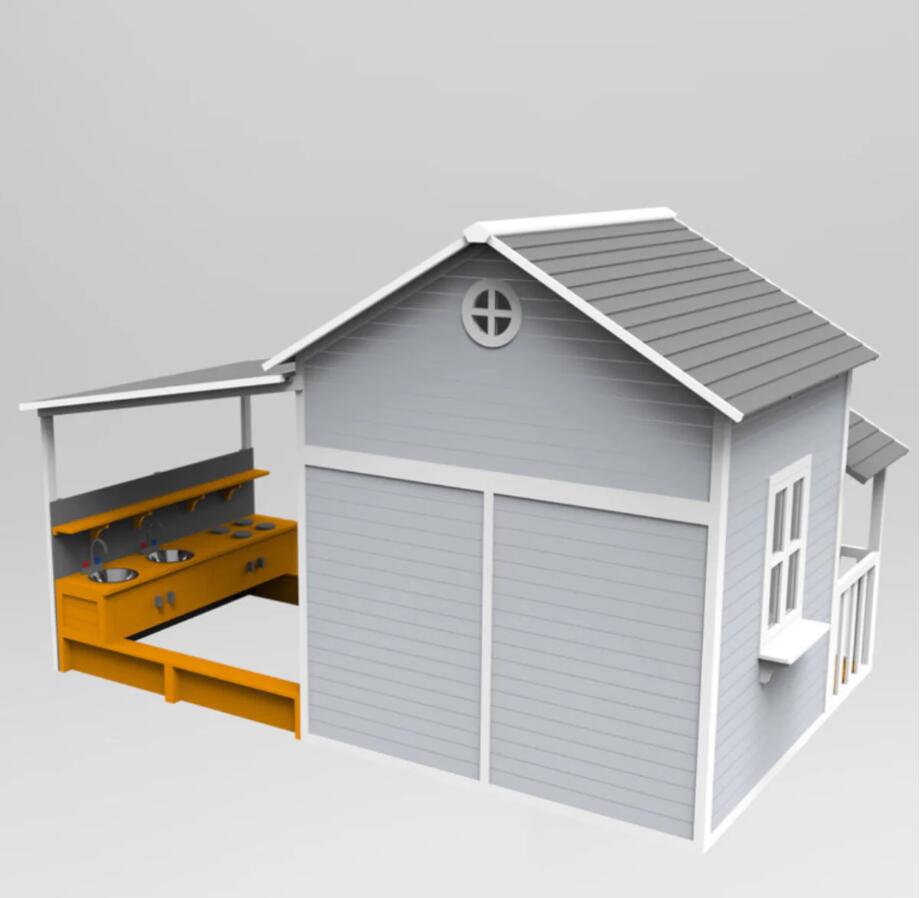
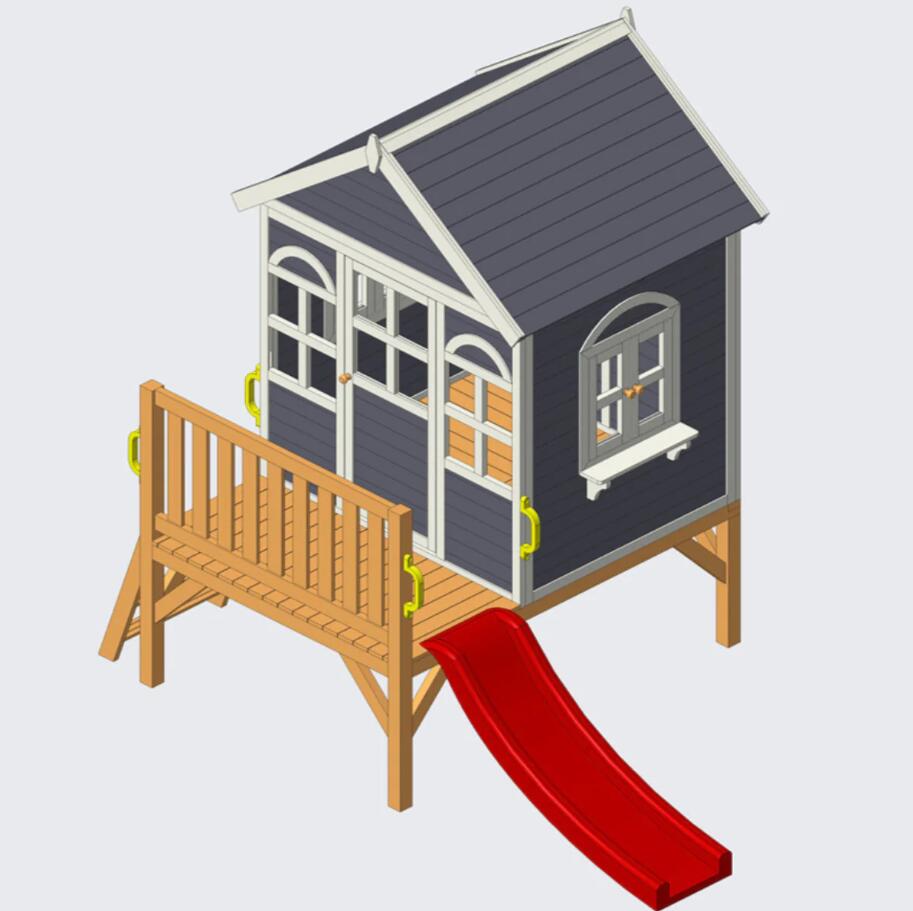
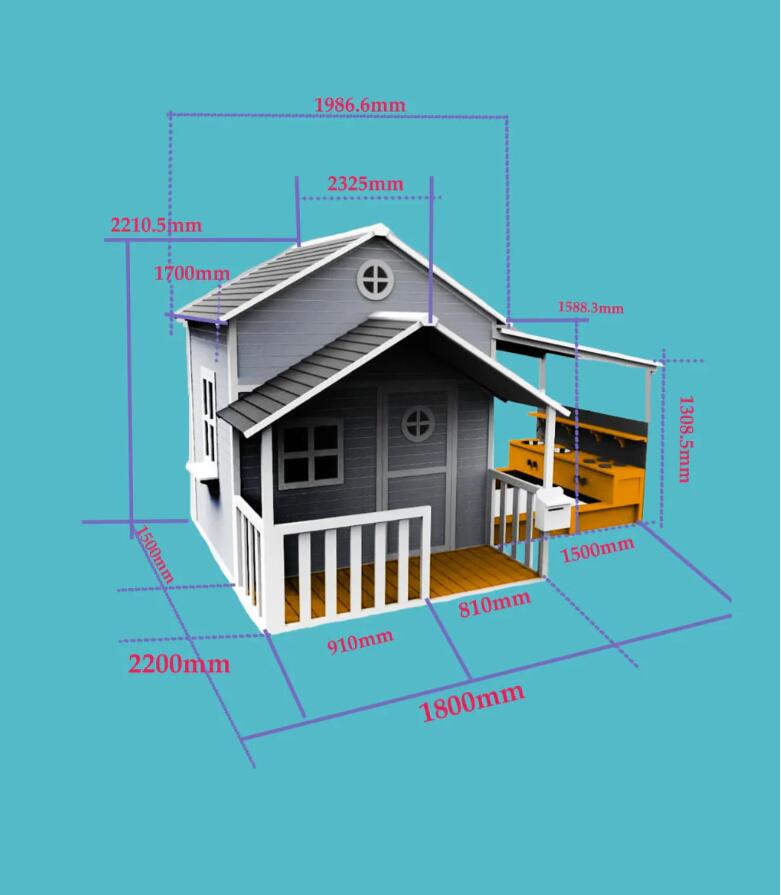
Modular Design for Structural Uniqueness: The foundation of deep personalization lies in modularity. Many modern wooden cubby house kits function like sophisticated building sets. Parents and children can choose from various base configurations, roof styles (gabled, flat with railings), and then add modular extensions like covered verandas, adjoining sandbox decks, or even second-story lookouts. This allows each outdoor cubby house to physically adapt to the family's backyard space and the child's evolving play themes—be it a frontier fort, a cozy cottage, or a spaceship command module.
Interactive and Swappable Panels: Walls become active components of play. Companies offer interchangeable wall panels that can be swapped out as interests change: a solid panel one season, a chalkboard or whiteboard panel for drawing the next, or even an activity panel with built-in gears, knobs, or a pulley system. This ensures the childrens cubby house remains dynamically engaging for years.
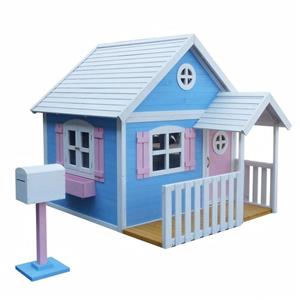
Official Accessory Ecosystems: Beyond structure, there are curated accessory lines for customization. This includes functional add-ons like working shutters, flower box planters, mailboxes, pretend-play kitchenettes, or steering wheels. These elements allow families to tailor the function and aesthetic of their outdoor cubby without needing advanced DIY skills.
2. The Collaborative Journey: Building Memories Alongside the Structure
The process of personalizing a cubby house offers a priceless opportunity for parent-child interaction, teamwork, and skill-building. It transforms the product from a delivered item into a shared accomplishment.
1: The Design Collaboration: The journey begins with a family planning session. Parents and children can sit together with product catalogs or online 3D configurators offered by many brands. This involves democratic decision-making: "Should our wooden cubby house have a slide or a climbing wall?" "What color should we choose for the trim?" These discussions foster a sense of ownership and shared vision in the child.
2: The Hands-On Build and Decorate: The assembly process itself is a formative experience. While parents handle the major structural assembly following clear instructions, children can be entrusted with meaningful tasks: handing over tools, placing decorative non-structural parts, sanding a smooth spot, or holding a panel steady. This collaborative effort teaches problem-solving, patience, and pride in craftsmanship.
3: Ongoing Creative Curation: After construction, personalization continues. Families can work together to sew simple curtains, create a custom name plaque, paint murals on safe interior walls, or design a miniature garden around the outdoor cubby house. This ongoing curation makes the space a living project that reflects the family's growing memories and the child's developing personality.
3. Balancing Guidance with Freedom: The Role of Quality Kits
A high-quality cubby house kit successfully balances structure with freedom. It provides a safe, sturdy, and aesthetically pleasing framework (the "bones") that ensures durability and safety. This framework then liberates families to inject their personality without worrying about structural integrity. Whether it's a classic wooden cubby house awaiting its family's color scheme or a modern outdoor cubby with plug-and-play accessory ports, the best products empower creativity rather than dictate the final form.
The modern outdoor cubby house has brilliantly evolved to meet the demand for personalization. It answers the call for uniqueness not merely through aesthetic choices but through a flexible architecture that invites co-creation. The process of designing, building, and continually customizing a childrens cubby house becomes a powerful catalyst for family bonding, creative expression, and hands-on learning. In the end, the most personalized cubby house is not defined by its catalogue features alone, but by the unique stories, collaboration, and memories built into its very walls by the family who calls it their own.
outdoor cubby
wooden cubby house
cubby house
outdoor cubby house