Cubby House: What Interactive Features Does It Offer, and Does It Undermine Outdoor Play?
The emergence of the "smart" cubby house marks a fascinating evolution in children's play structures. Tis new generation of the classic outdoor cubby house promises to blend the timeless appeal of a backyard hideaway with interactive technology, sparking both excitement and thoughtful inquiry among parents and educators. The central questions become: What specific interactive functionalities do these smart structures actually provide, and crucially, do they risk increasing children's screen time, thereby contradicting the core purpose of encouraging outdoor, imaginative play? A closer examination reveals that the most thoughtfully designed smart childrens cubby house aims not to digitize the play space, but to enrich the physical and sensory experience of the traditional wooden cubby house.
1. Redefining Interaction: Beyond the Screen
The interactive features of a leading smart outdoor cubby are carefully curated to enhance, not replace, tactile and social play. These functionalities generally fall into three categories, all designed to operate without a traditional tablet or smartphone interface:
Ambient Environmental Response: This includes integrated, weather-resistant sensors that trigger gentle, colored LED lighting when someone enters the cubby house or when the sun sets, creating a magical atmosphere. More advanced systems might feature a simple rainwater collection gauge with a digital readout, or a mini weather station measuring temperature and wind, turning the structure itself into a tool for learning about the natural environment.
Audio-Enhanced Imaginative Play: Instead of screens, audio takes center stage. Think of a sturdy, waterproof speaker system that can be connected via Bluetooth for controlled music or storytelling sessions, or better yet, a system activated by non-digital triggers. For instance, a hand-crank generator could power a speaker for a brief story, teaching energy conversion. Sound-effect panels with physical buttons might produce pirate ship creaks or animal noises, deepening role-playing scenarios without a visual display.
Basic "Physical Coding" and Problem-Solving: Some innovative models incorporate simple circuit boards with safe, low-voltage components. Children might use oversized, rugged switches and connectors to turn on LED strand lights or activate a small fan, learning the fundamentals of cause, effect, and circuitry through direct hands-on manipulation within their wooden cubby house sanctuary.
2. The Screen-Time Paradox: Enhancement vs. Replacement
This leads to the critical concern: does a smart outdoor cubby house simply lure children outdoors to engage with more screens? The philosophy of well-executed designs is a firm no. The distinction lies in passive consumption versus active creation.
The Intent of Smart Integration: The technology is not an end in itself but a means to amplify open-ended play. The goal is to make the childrens cubby house an even more compelling destination. Interactive lights set the stage for a play; sound effects fuel a narrative; a working circuit becomes a puzzle to solve as part of a spaceship mission. The technology serves the imagination, not the other way around.
Contrast with Isolated Screen Time: Traditional screen time often involves solitary, sedentary, and consumption-based activity. In contrast, the interactivity in a smart cubby house is typically social, physical, and integrated into a larger creative narrative. It prompts movement (cranking a generator, pressing a button), collaboration (deciding what sound effect to use next), and problem-solving (figuring out why the lights won't turn on).
Parental Control and Intentionality: Reputable brands design these features with intentional limits and parental oversight. Connectivity is often optional and time-limited. The primary interactive elements usually function independently of the internet, ensuring the outdoor cubby remains a haven for unplugged, self-directed play, with technology as a occasional enhancer rather than a constant draw
The most innovative smart cubby house does not represent a betrayal of outdoor play's(original intent) but a sophisticated reinterpretation of it for a new generation. By embedding subtle, sensor-driven, and audio-focused technology, it addresses the contemporary child's landscape without capitulating to its pitfalls. It leverages tech to make the physical world more responsive, intriguing, and educational.
A well-designed smart outdoor cubby house stands as a powerful rebuttal to the screen-time dilemma. It demonstrates that technology, when applied thoughtfully, can act as a bridge back to the physical world, making the classic wooden cubby house more engaging than ever. It encourages children to go outside not to watch a screen, but to command their own responsive, interactive domain—a place where the boundaries of play are expanded, not by a digital interface, but by a child's own boundless creativity.
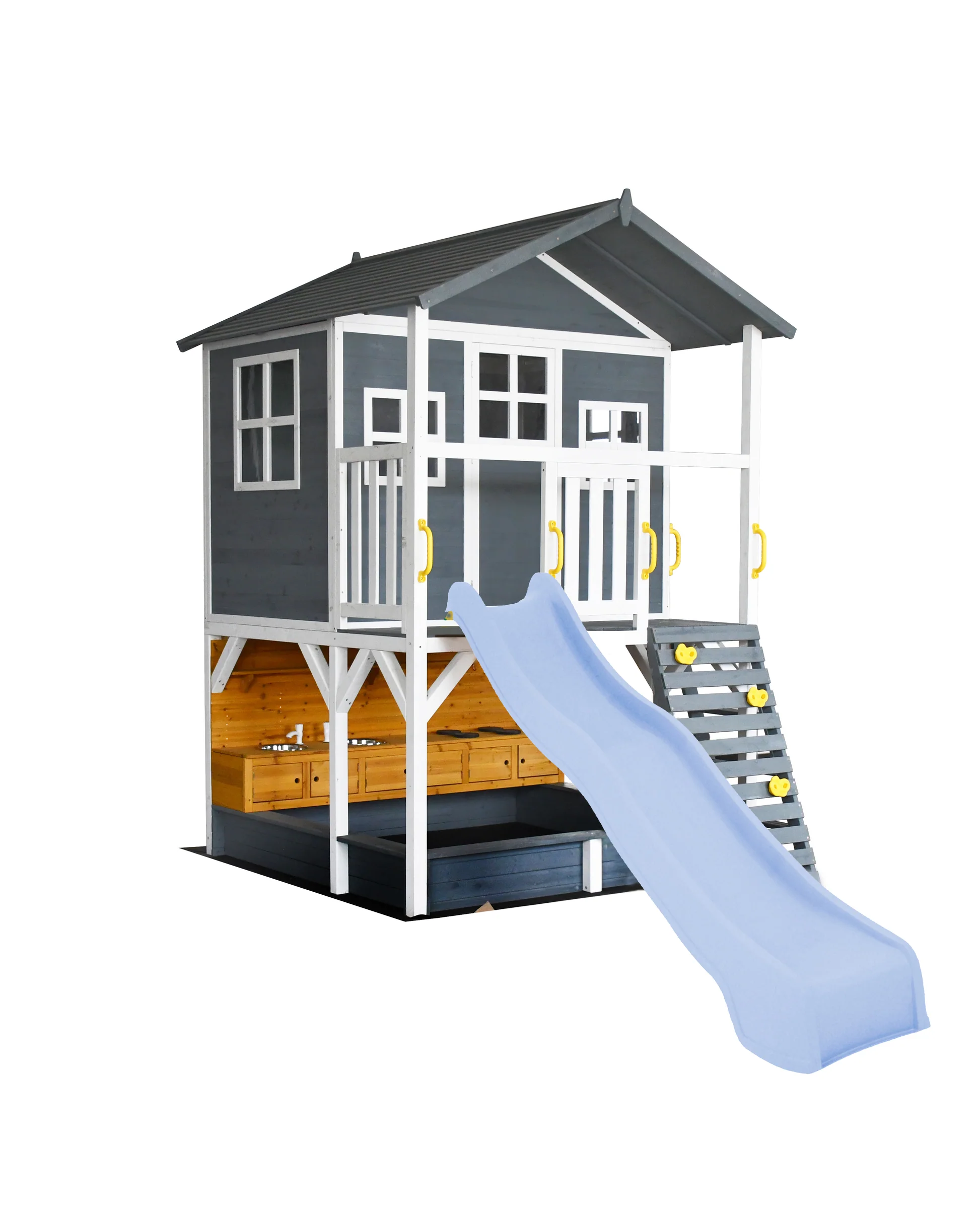
Product Title
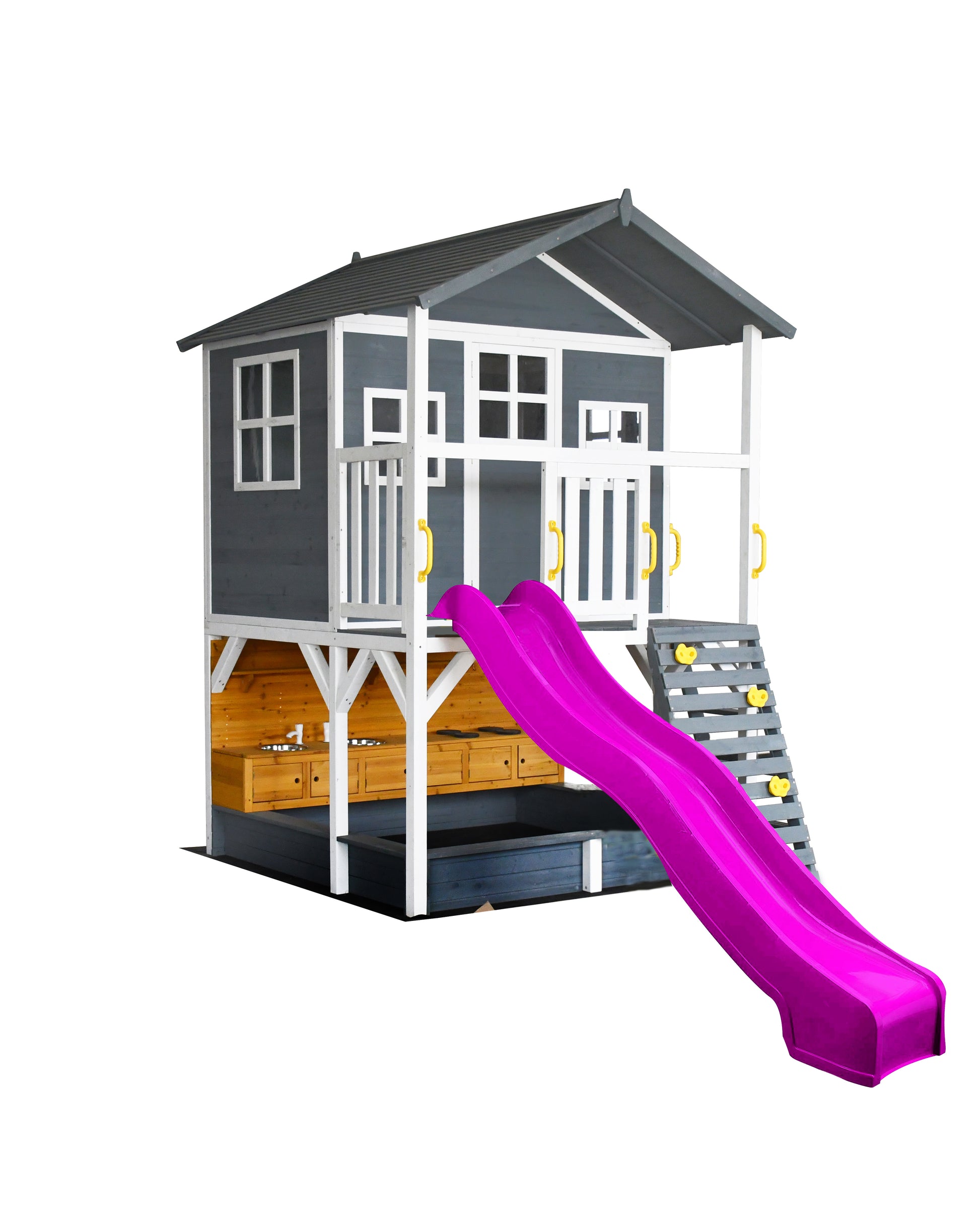
Product Title
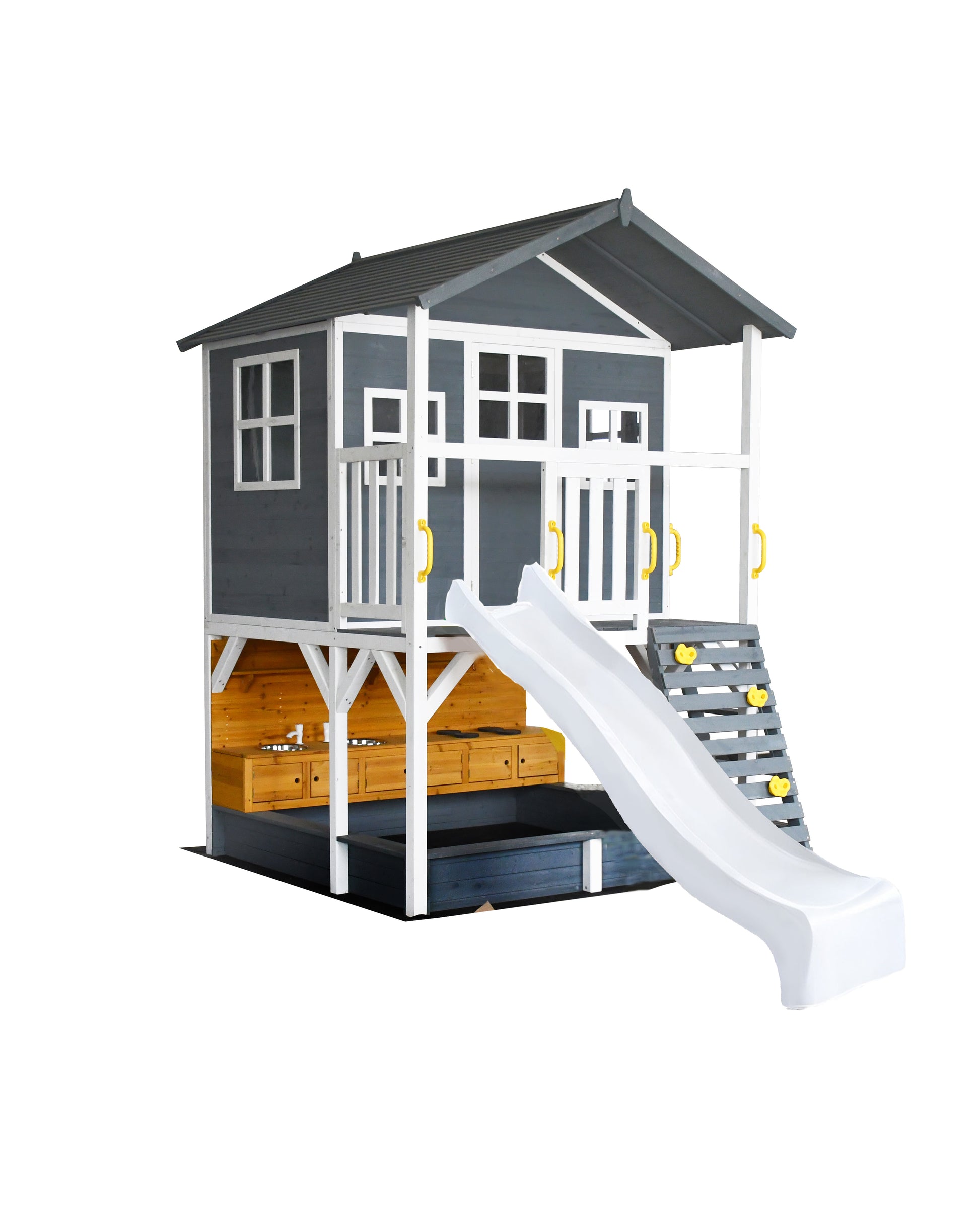
Product Title
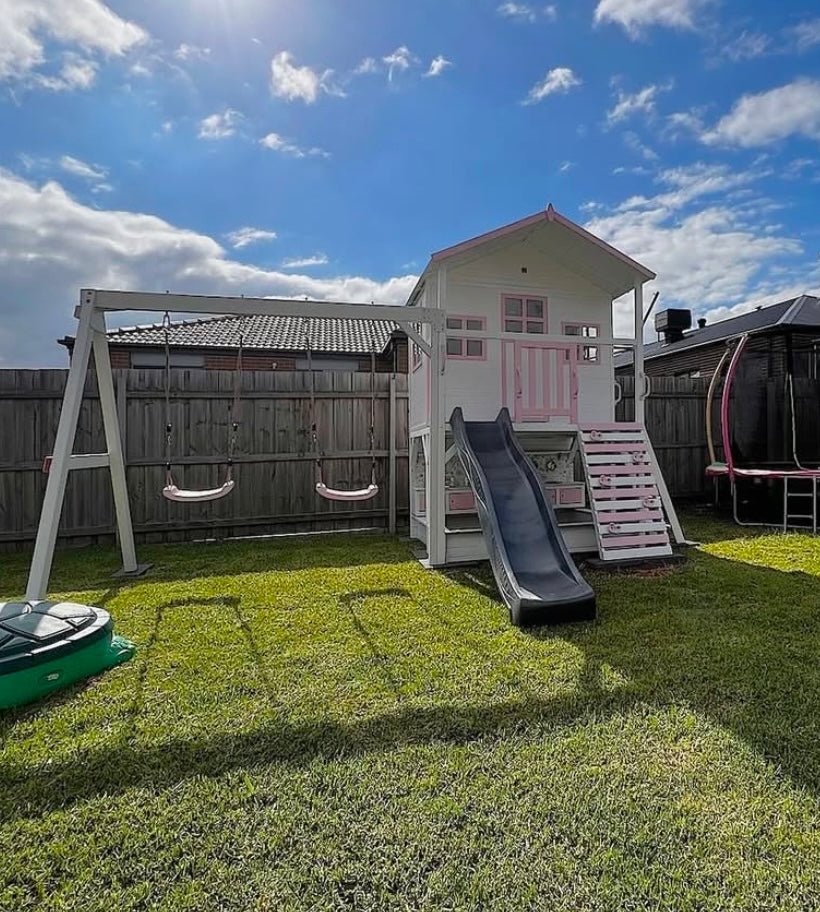
Product Title