How Do Modern Cubby House Manufacturers Address Core Parental Concerns About Safety and Durability?
For generations, the outdoor cubby house has been a cherished symbol of imaginative childhood play. However, in today's market, parents approach this purchase with heightened awareness and specific, non-negotiable concerns. The two paramount questions that dominate their decision-making are: Is it safe? and Will it last? Modern manufacturers of premium childrens cubby house products understand that these are not mere features but fundamental pillars of trust. The industry's response has evolved from simple compliance to a proactive, holistic philosophy that embeds safety and durability into every stage of design, material selection, and construction.
1. Engineering Safety: A Multi-Layered Philosophy
Safety in a contemporary cubby house extends far beyond rounding off a few sharp corners. It is a comprehensive, pre-emptive engineering discipline.
Structural Integrity & Stability: The foundation of safety is unshakeable stability. High-quality wooden cubby house structures use robust joinery techniques—such as mortise-and-tenon or heavy-duty steel bracketing—instead of relying solely on screws. They are designed with a low center of gravity and, where necessary, include integrated anchoring systems to secure the entire outdoor cubby firmly to the ground, ensuring it remains steadfast even during the most energetic play.
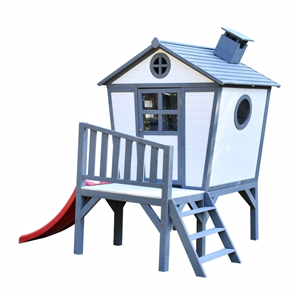
Proactive Hazard Mitigation: Every design element is scrutinized. This includes using fully enclosed safety railings at appropriate heights, ensuring gaps between balusters are too narrow for a child's head to become trapped, and implementing smooth, sanded finishes on every surface, inside and out. Doors feature pinch-proof hinges and secure, easy-to-open latches that prevent accidental locking.
Non-Toxic Material Assurance: Safety is also chemical. Leading brands exclusively use non-toxic, water-based stains and paints that are certified safe for children, even if chewed on. The timber itself, especially in a wooden cubby house, is often pressure-treated with non-arsenic, child-safe preservatives or is naturally durable, sustainably sourced species that require minimal chemical intervention.
2. Building Durability: For Legacy, Not Landfill
Addressing durability concerns means combating the disposable culture and positioning the outdoor cubby house as a long-term family investment. This is achieved through superior materials and intelligent construction.
Premium, Weather-Resistant Materials: The choice of material is critical. While traditional wood is beloved, the best wooden cubby house products use either dense, naturally rot-resistant timbers like cedar or redwood, or sustainably sourced lumber that has undergone thermal modification—a process that hardens the wood and makes it highly resistant to moisture, decay, and insects. Alternatively, advanced composites made from recycled plastics and wood fibers offer exceptional resistance to weathering, splintering, and UV damage, ensuring the structure maintains its integrity and appearance for decades.
Construction Built to Endure: Durability is in the details. This involves using stainless steel or galvanized hardware that will not rust, employing reinforced joints at high-stress points, and designing roofs with proper overhangs and drainage to protect the walls from driving rain. The goal is to create an outdoor cubby that gracefully withstands seasonal extremes—from scorching summer sun to freezing winter frost—without warping, cracking, or deteriorating.
Adaptable Longevity: Modern durability also encompasses functional longevity. Through modular design, a childrens cubby house can adapt as children grow. Add-on panels, interchangeable accessories, and expandable platforms mean the structure evolves, preventing it from becoming obsolete. This "grow-with-the-child" approach ensures the product remains useful and engaging for 10-15 years, representing outstanding value over time.
3. Transparency and Certification: Building Trust Beyond the Product
Recognizing that parents seek verifiable proof, responsible manufacturers now prioritize transparency. They readily provide details on material origins (such as FSC certification for wood), independent safety test reports against relevant standards (e.g., ASTM F1148 for home playground equipment), and clear, comprehensive assembly guides. This open communication allows parents to make informed decisions based on facts, not just marketing claims.
The industry's response to core parental concerns is both profound and practical. By engineering safety into every joint and surface and building durability for multi-generational use, manufacturers are transforming the humble cubby house from a simple plaything into a safe haven for creativity and a durable heirloom of childhood. The modern premium outdoor cubby house is no longer a source of worry but a thoughtfully crafted solution, designed to provide peace of mind for parents and boundless, secure adventure for children, season after season.
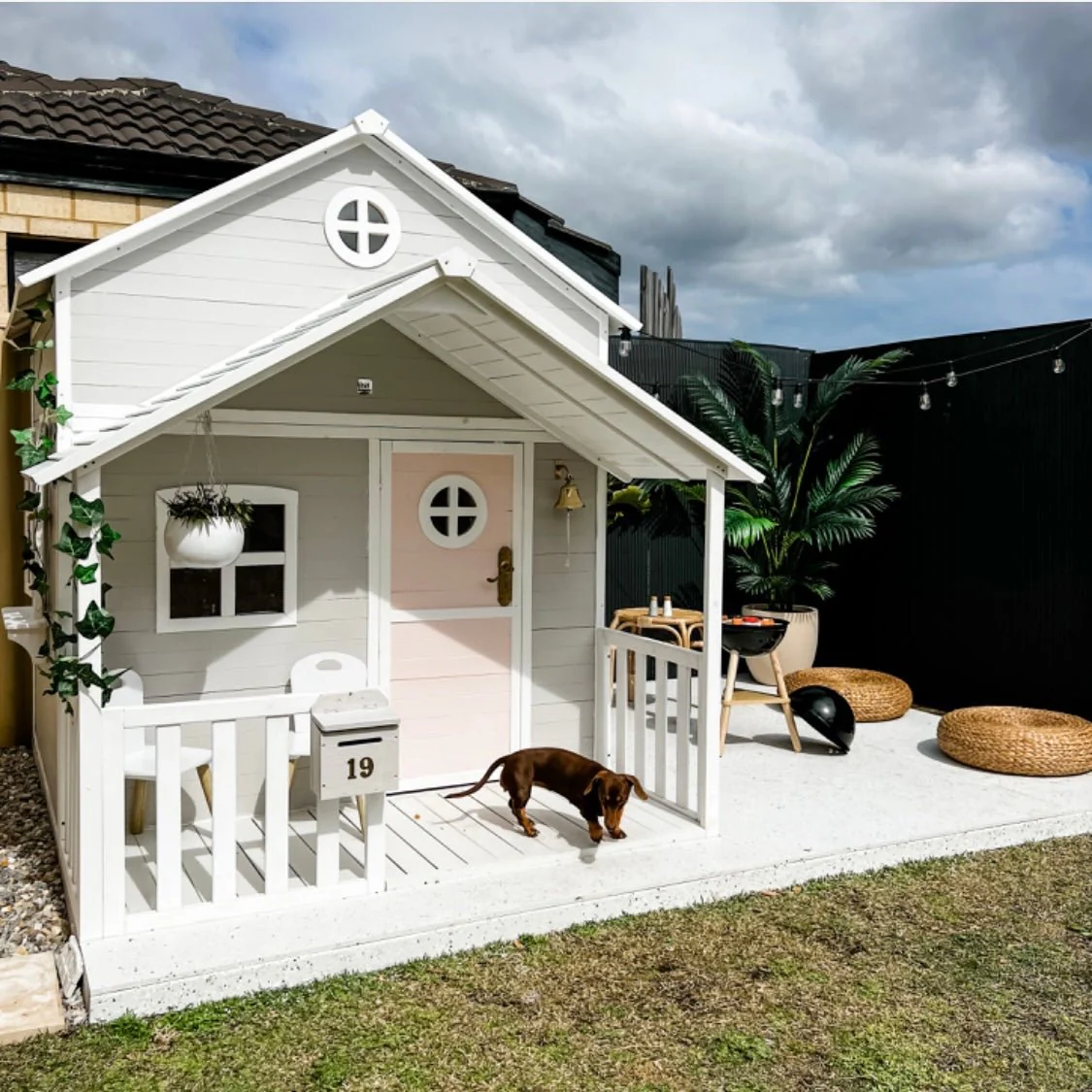
wooden cubby house
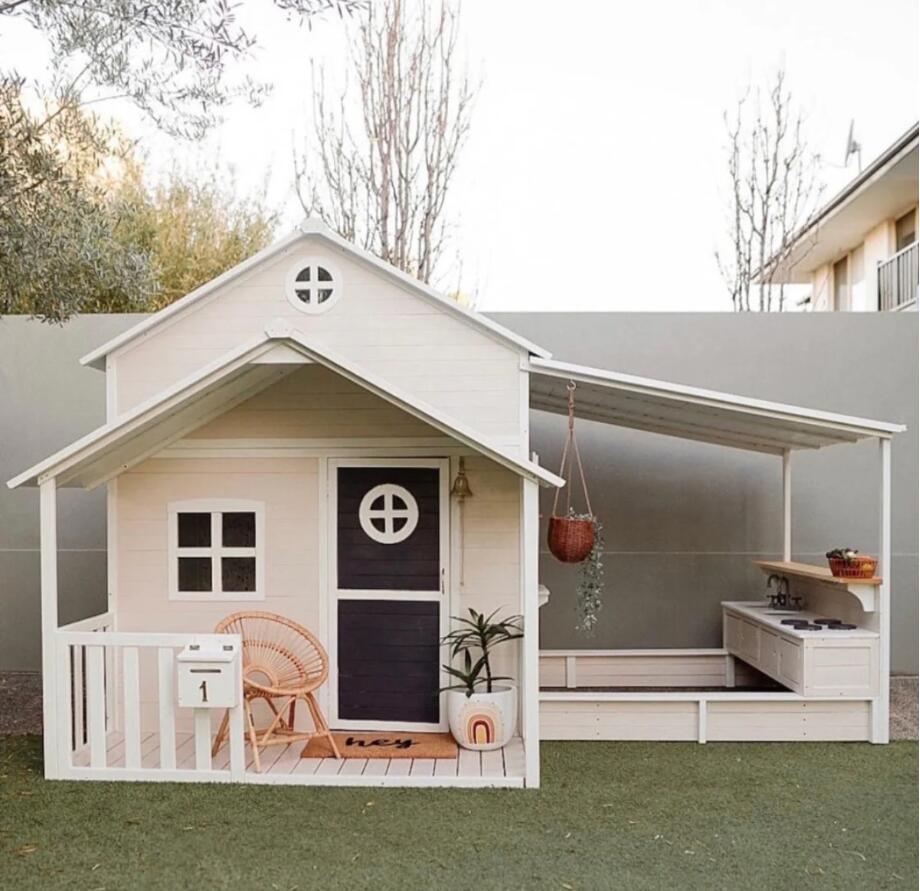
childrens cubby house
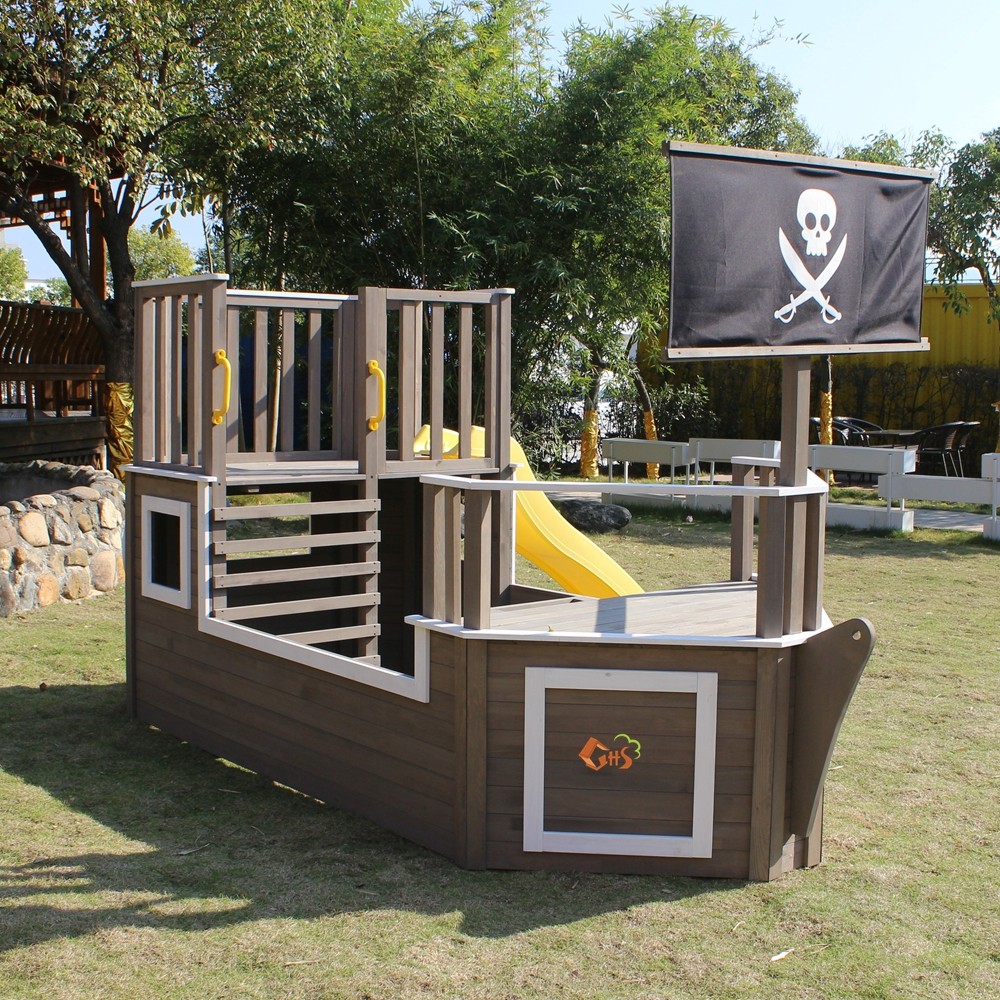
outdoor cubby house
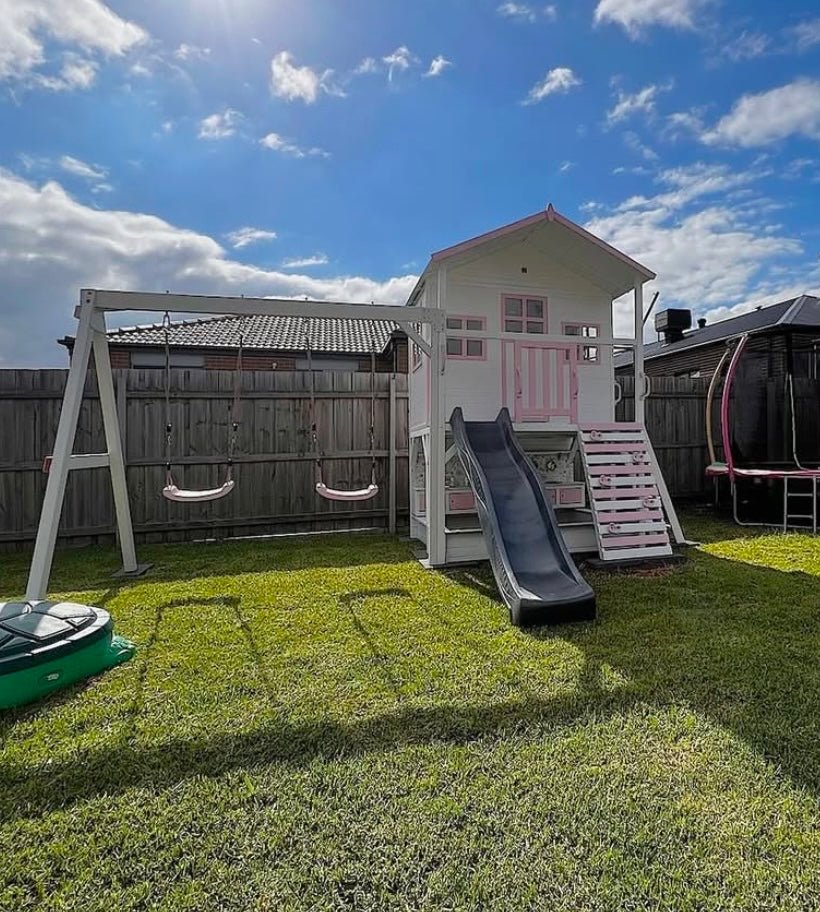
outdoor cubby