What Truly Sets the New Generation of Cubby Houses Apart? Design, Materials, or Tech?
The classic image of a children's cubby house—a simple, static wooden structure in the backyard—is being fundamentally reimagined. A new generation of outdoor cubby house products is entering the market, promising not just incremental updates but a paradigm shift in how we think about play structures. This raises a pivotal question for designers, parents, and industry observers alike: where does the most significant breakthrough lie? Is it in the design philosophy, the advanced materials, or the integration of interactive technology? The answer, upon close inspection, is not found in one single element, but in a synergistic fusion of all three, redefining the very essence of the modern cubby house.
1. Revolutionary Design: From Static Shed to Dynamic Playscape
The most visible break from tradition is in design philosophy. The new outdoor cubby is no longer a fixed, monolithic entity. The breakthrough lies in modular, adaptive, and user-centric design. Imagine a wooden cubby house system with interchangeable wall panels—one day a solid wall, the next a chalkboard or a water play station. Roofs can be flat decks for stargazing or pitched with integrated solar tiles. The structure itself can grow with the child; add-on modules for climbing, sliding, or extended shaded areas transform the basic unit over time. This design shift moves the product from being a mere playhouse to a scalable playscape, actively responding to a child's evolving developmental stages and interests. It empowers children as co-creators of their space, fostering a deep sense of ownership and continuous engagement that a traditional, fixed cubby house could never achieve.
2. Material Science: Beyond the Traditional Wooden Frame
While the wooden cubby house retains its nostalgic appeal, the breakthrough in materials expands far beyond untreated pine. The innovation here is in engineered sustainability and smart composites. We now see widespread use of FSC-certified, thermally-modified woods that offer superior resistance to rot, insects, and warping without toxic chemical treatments. More radically, new composites made from recycled plastics and reclaimed wood fibers are entering the market, offering exceptional durability, safety, and minimal maintenance while addressing circular economy principles. Furthermore, advanced, non-toxic coatings with properties like self-cleaning or heat reflection are being applied. These material innovations ensure that the modern outdoor cubby house is not only safer and longer-lasting but also embodies the environmental values of contemporary families, making it a responsible legacy product rather than a disposable item.
3. Seamless Tech Integration: Interactive Play Without Screens
Perhaps the most counter-intuitive and sophisticated breakthrough is in technology. The goal is not to plaster screens onto a cubby house but to embed ambient, sensor-driven interactivity that enhances physical and imaginative play. Think of a weatherproof audio system activated by a hand-crank or a motion sensor, allowing for storytelling or sound effects. Consider modular wall panels with built-in, low-voltage LED lights that children can wire and control via simple, safe switches, learning basic circuitry. Some prototypes include gentle, color-changing lighting that responds to voice pitch or external weather conditions. This technology is subtle, robust, and designed to be tinkered with. It introduces concepts of coding, cause-and-effect, and environmental awareness through hands-on interaction, ensuring the children's cubby house remains a sanctuary for active, creative play while preparing children for a digital world in a healthy, balanced way.
Therefore, singling out design, materials, or technology as the sole breakthrough misses the larger point. The true revolution of the new-generation cubby house is the meaningful integration of all three. An adaptive modular design is made possible by advanced, lightweight composites. Those same composites allow for the safe embedding of interactive tech elements. The technology, in turn, makes the adaptable design features more engaging and educational. This holistic approach creates a product ecosystem that is responsive, sustainable, and intelligently engaging.
The most significant breakthrough of the new outdoor cubby house is its transformation from a passive backyard fixture into an active, evolving partner in childhood development. It leverages cutting-edge design for flexibility, innovative materials for responsibility and longevity, and thoughtful technology for enriched learning. This convergence ultimately redefines the children's cubby house as a dynamic, values-driven platform for play, setting a new standard that moves far beyond the charming limitations of its traditional wooden predecessor.
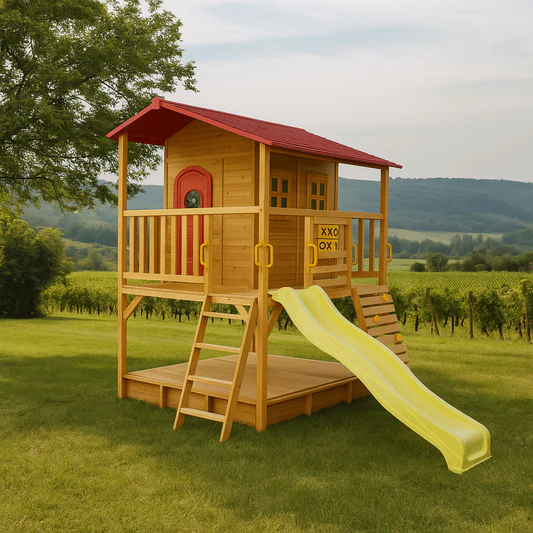
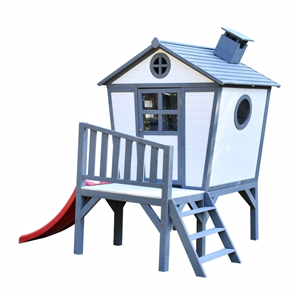
childrens cubby house
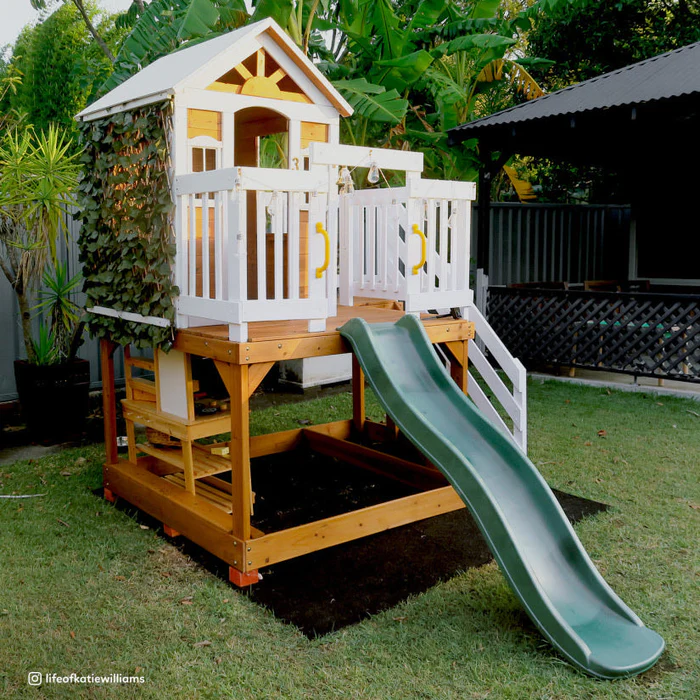
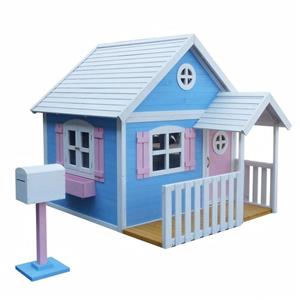
childrens cubby house
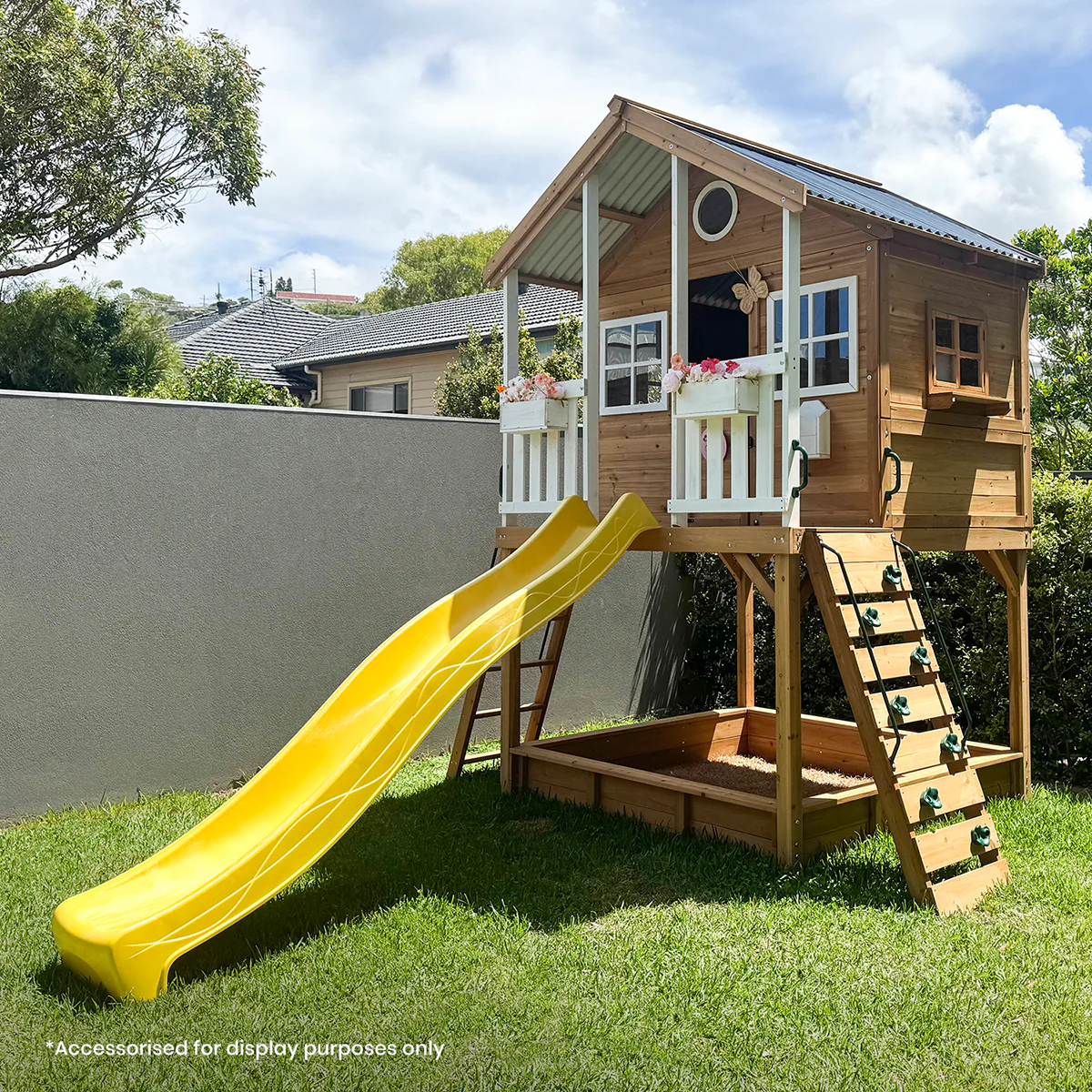
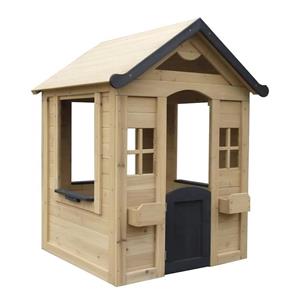
childrens cubby house
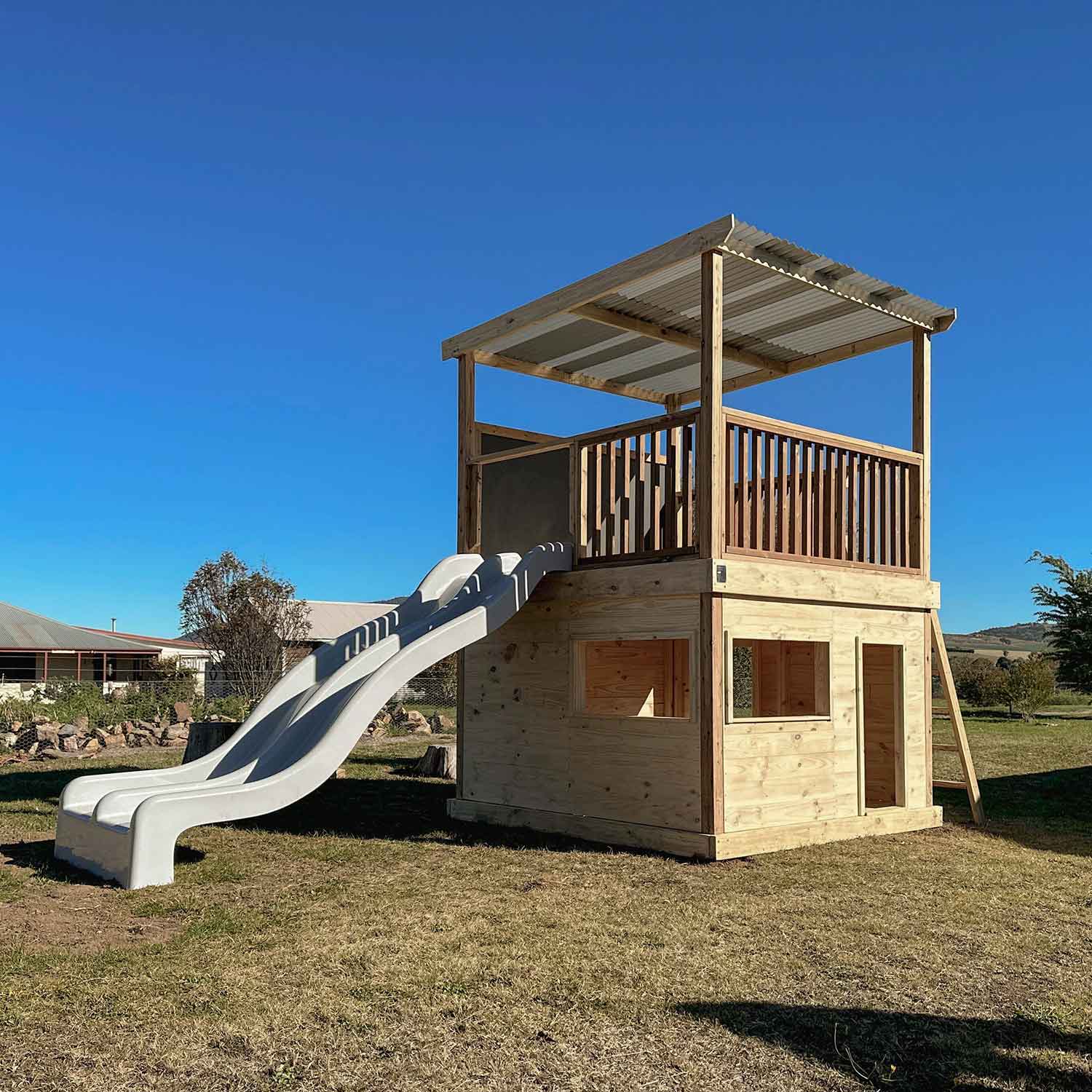
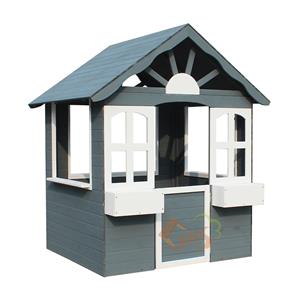
childrens cubby house