Healing Space in the Backyard": Can a Cubby House Ease Childhood Anxiety?
In an era where childhood anxiety is a growing concern, parents and child development experts are seeking tangible tools to foster resilience and emotional well-being. Increasingly, the humble cubby house is being recognized not merely as a play structure, but as a vital "third space"—a sanctuary distinct from the pressures of home and school. This raises a pivotal question: How can a simple outdoor cubby house be transformed into a therapeutic retreat that helps children navigate stress and build emotional security?
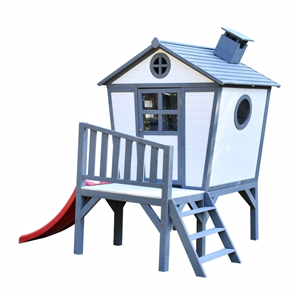
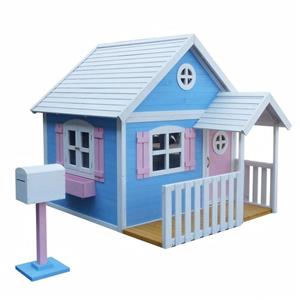
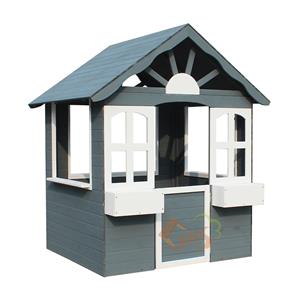
The concept of a "third space" is crucial. For children, the first space is home (often governed by rules), the second is school (focused on performance), leaving little room for unstructured autonomy. A thoughtfully designed childrens cubby house in the backyard can become this essential third domain—a personal territory where a child has control, can retreat, and engage in restorative, self-directed play. This autonomy is a powerful antidote to feelings of helplessness that often fuel anxiety.
The Architecture of Emotional Safety
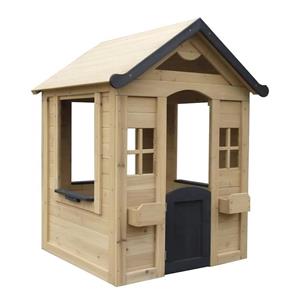
The design and nature of a wooden cubby house contribute directly to its therapeutic potential. Its small, enclosed space creates a psychological sense of security and containment—a "holding environment" that feels manageable and safe. Unlike the vast, sometimes overwhelming openness of a playground or the digital chaos of a screen, a cubby house offers defined boundaries. This physical cocooning can help soothe a child's nervous system, providing a literal and figurative shelter from external stimuli.
Furthermore, the act of personalizing this outdoor cubby house—choosing colors, arranging simple furniture, displaying treasures—is an exercise in agency and self-expression. For an anxious child, the ability to exert control over this small environment and create a world that reflects their inner self is profoundly empowering. It becomes a tangible project where they are the architect of their own calm.
The Role of Sensory Engagement and Nature Connection
A key element in the therapeutic value of an outdoor cubby is its inherent connection to the natural world, a proven buffer against stress. The sensory experience is grounding:
Tactile: The grain of wooden cubby house timber, the texture of a fabric curtain, the coolness of the shade inside.
Auditory: The sound of leaves rustling on the roof, birdsong from nearby trees—a natural soundscape that contrasts with artificial noise.
Visual: A framed view of the garden through a small window, watching clouds pass or plants grow.
This multisensory, nature-based engagement helps pull a child into the present moment, practicing a form of mindfulness that counteracts anxious rumination about the past or future. The cubby house acts as a peaceful observatory, facilitating a quiet connection with the slower, rhythmic patterns of the natural world.
A Stage for Narrative Therapy and Social-Emotional Learning
Play is the language of childhood, and a cubby house provides the perfect stage for "narrative therapy" through imagination. Within its walls, children can safely act out scenarios, process confusing emotions, and experiment with solutions. An anxious child might play "protecting the fort," subconsciously rehearsing resilience and boundary-setting. They might create comforting rituals, like hosting a quiet tea party, which builds predictability and order.
When shared, the childrens cubby house also becomes a laboratory for social-emotional learning. Negotiating entry, sharing the space, and co-creating stories with siblings or friends require communication, empathy, and compromise—skills that directly combat social anxiety. It provides a low-stakes, real-world context to practice these interactions.
Viewing a cubby house through a therapeutic lens reframes it from a luxury to a potential tool for proactive mental wellness. It is not a substitute for professional care when needed, but a complementary, accessible haven that supports emotional regulation. By offering autonomy, sensory grounding, a connection to nature, and a canvas for expressive play, a well-conceived outdoor cubby house or a cozy wooden cubby house does more than fill time. It provides a dedicated, safe "third space" where children can decompress, rebuild their sense of agency, and simply be—laying a foundational stone for lifelong emotional resilience, right in the safety of their own backyard.
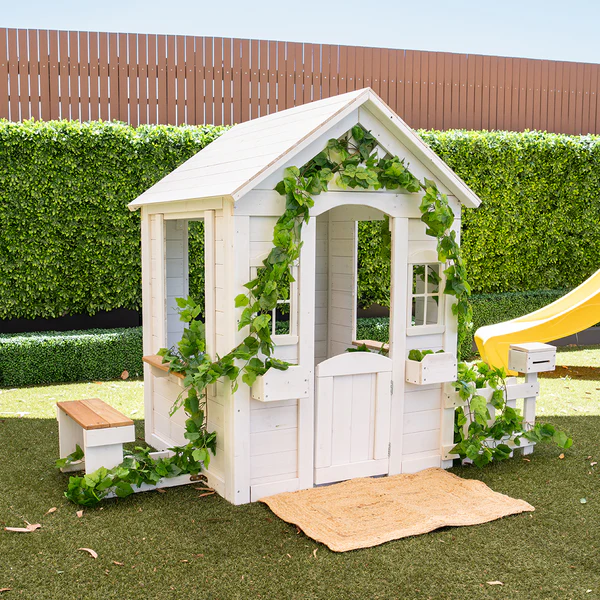
outdoor cubby
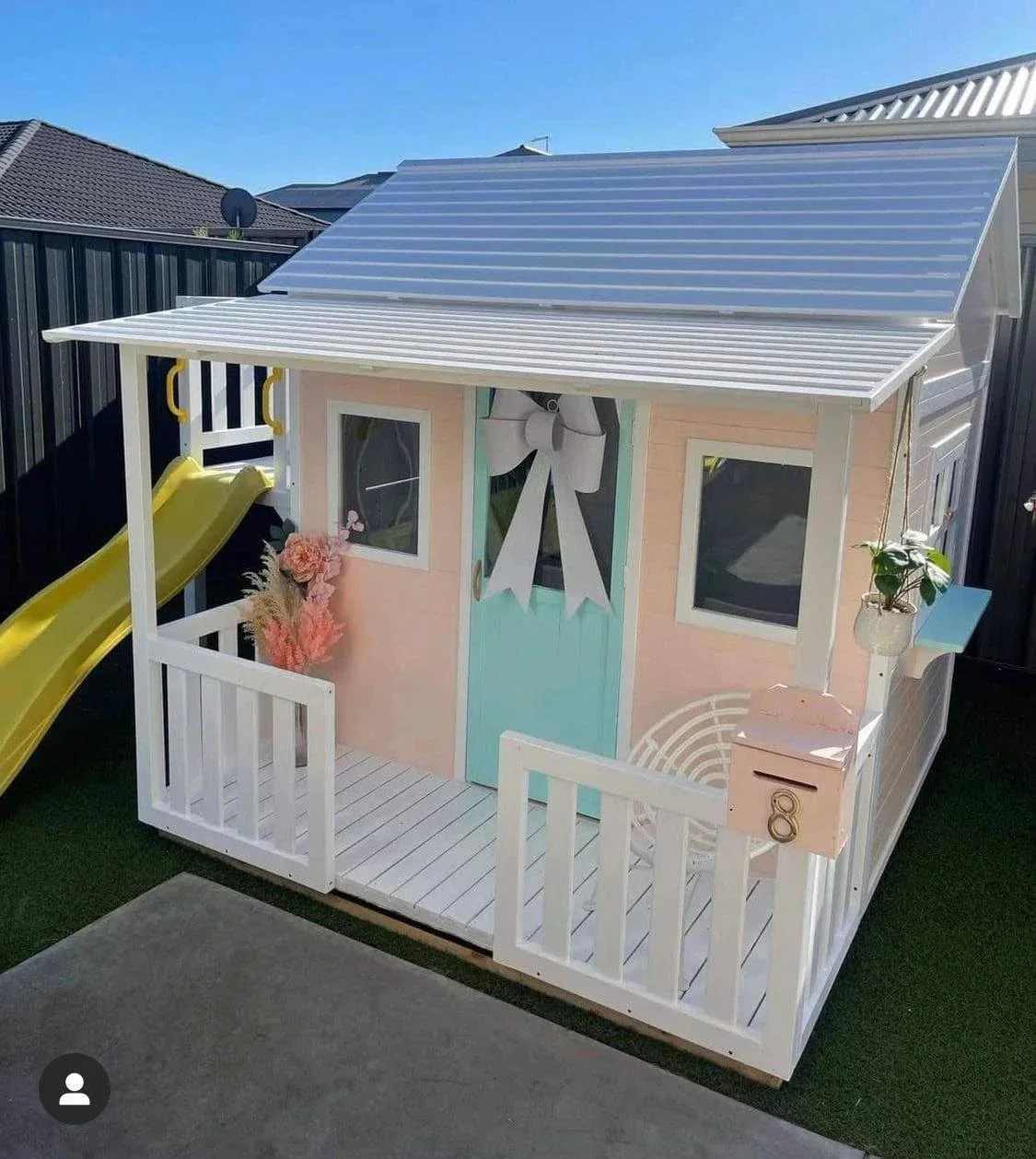
wooden cubby house
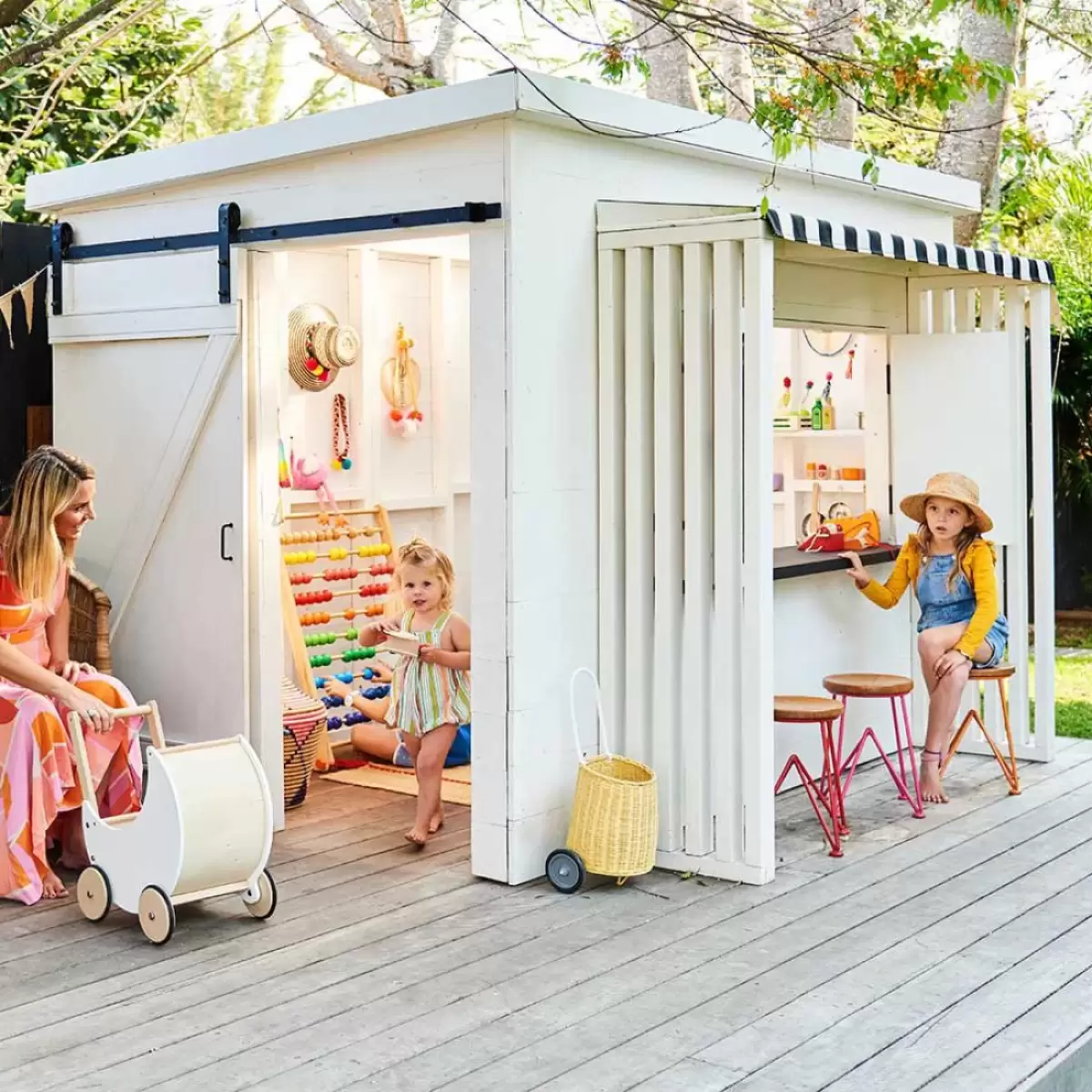
outdoor cubby house
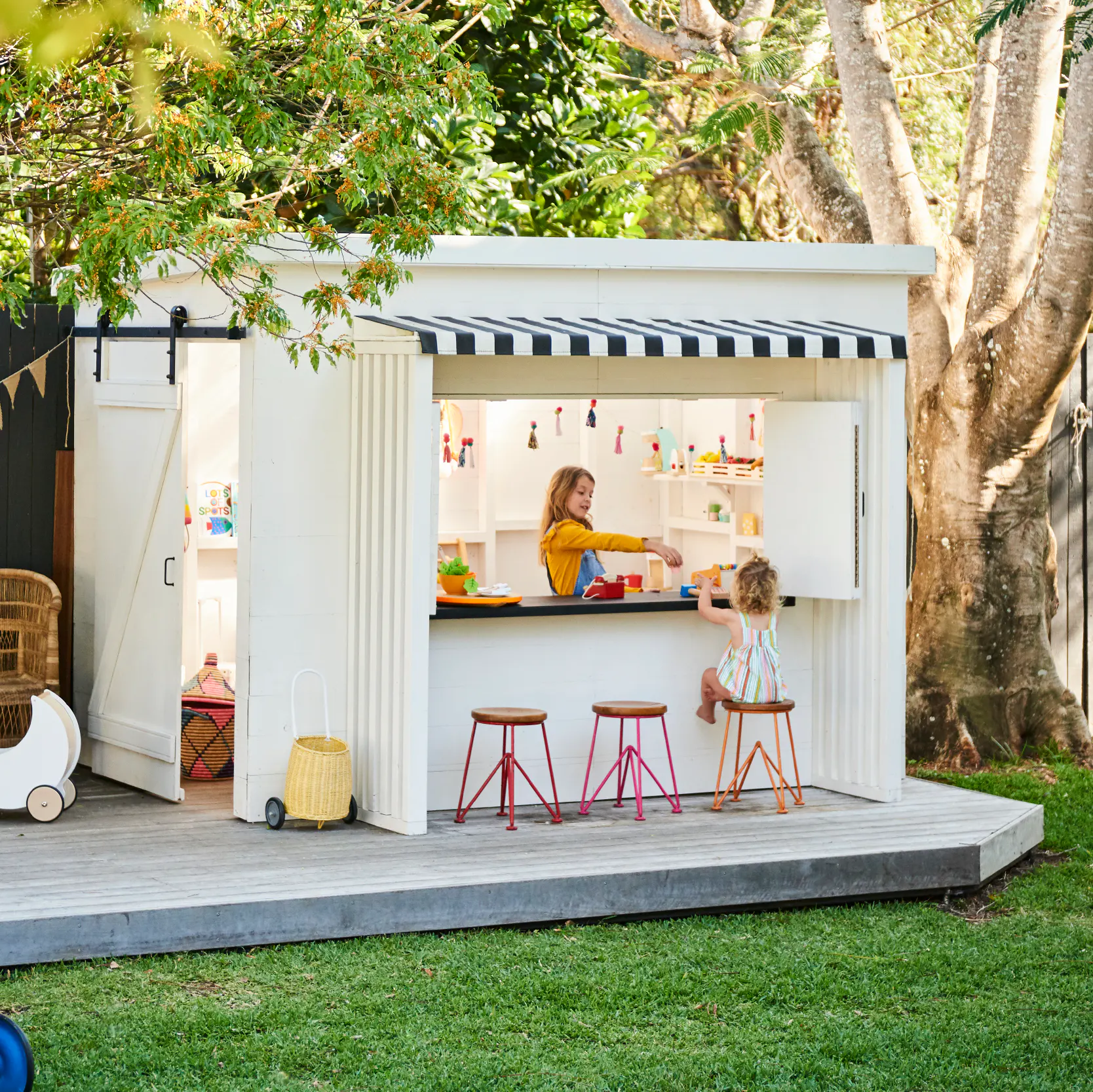
childrens cubby house