What Are Global Trends in Cubby House Design?
The concept of a childrens cubby house is being reimagined on a global scale, drawing inspiration from profound cultural philosophies of childhood and nature. No longer just a simple backyard shed, the modern outdoor cubby house is evolving into a thoughtful design object that reflects regional values—from the rugged, nature-immersive ethos of Nordic "Forest Kindergartens" to the serene, mindful aesthetics of Japanese "Garden Philosophy." This international tour reveals how these diverse influences are shaping the next generation of wooden cubby house designs, creating spaces that do more than entertain; they educate, connect, and inspire.
The Nordic Influence: Rugged Simplicity and Nature Immersion
In Scandinavia, the "Forest Kindergarten" model—where children spend most of their day outdoors in all weather—has deeply influenced cubby house design. Here, the structure is not a sanitized play zone but an extension of the wild landscape.
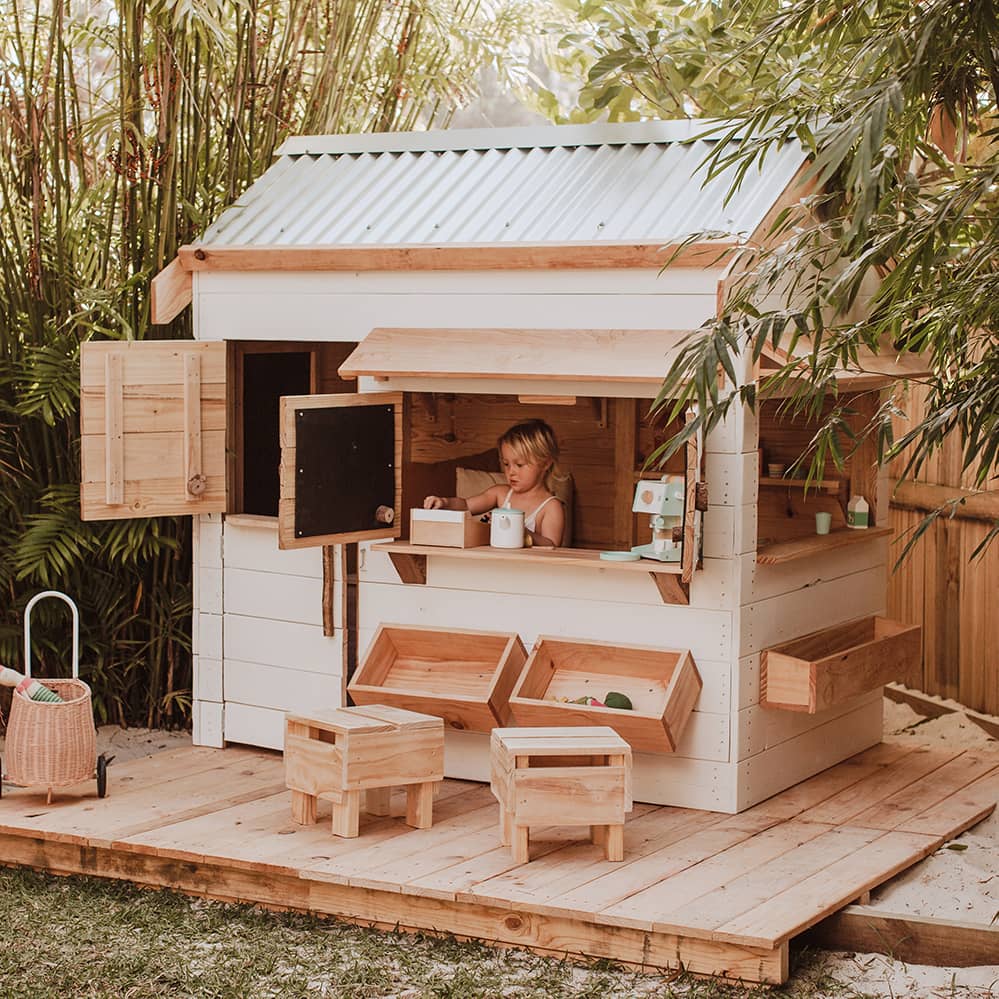
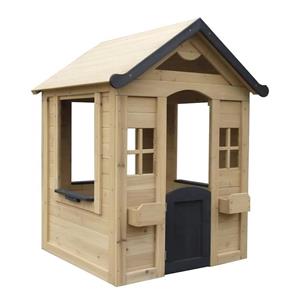
Design Manifestation: Nordic-inspired wooden cubby house designs emphasize robustness, minimalism, and raw materiality. Think untreated or lightly oiled timber that weathers naturally to gray, mimicking the surrounding trees. Designs are often simple A-frames or modest shelters with large, openable sides, prioritizing unobstructed views and easy access to the outdoors. The outdoor cubby becomes a basecamp for exploration, equipped with hooks for rain gear, shelves for found pinecones or rocks, and a focus on durability over decorative frills.
Core Philosophy: The playhouse is a tool to facilitate risk-competent, self-directed play. It provides basic shelter and a sense of ownership, but the true "play" happens in the environment around it. This trend champions resilience, independence, and a deep, tactile connection to the natural world through a cubby house that feels inherently part of the forest.
The Japanese Influence: Tranquility, Craftsmanship, and Micro-Cosmos
Drawing from niwa no tetsugaku (garden philosophy) and concepts like komorebi (sunlight filtering through leaves), the Japanese approach to a childrens cubby house is one of serene intentionality and exquisite craftsmanship.
Design Manifestation: Japanese-inspired designs focus on harmony, scale, and sensory subtlety. A wooden cubby house might feature a gracefully sloped roof, shoji-inspired sliding screens made of safe, translucent materials, and a deep engawa (veranda) for sitting and observing. The structure is often positioned to frame a specific garden view, creating a micro-cosmos for the child. Natural materials are finely crafted, with attention to joinery and grain. The space inside is intentionally uncluttered, promoting calm, focused play, reading, or contemplation.
Core Philosophy: The playhouse is a sanctuary for mindful engagement. It teaches respect for craftsmanship, appreciation for quiet beauty, and the value of a personal haven. This trend moves away from overwhelming stimulation, offering a cubby house as a peaceful retreat that cultivates observation and inner peace.
Converging Global Trends: Sustainability, Adaptability, and Community
Beyond these regional inspirations, universal trends are shaping outdoor cubby house design worldwide:
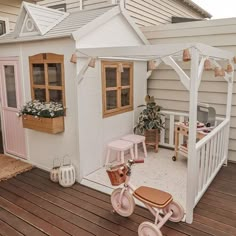
Biophilic & Sustainable Design: Globally, there is a push for cubby house structures made from locally sourced, sustainable, or reclaimed materials. Green roofs, integrated planters, and designs that encourage wildlife observation (like insect hotels) are popular, blending the play structure seamlessly into the ecosystem.
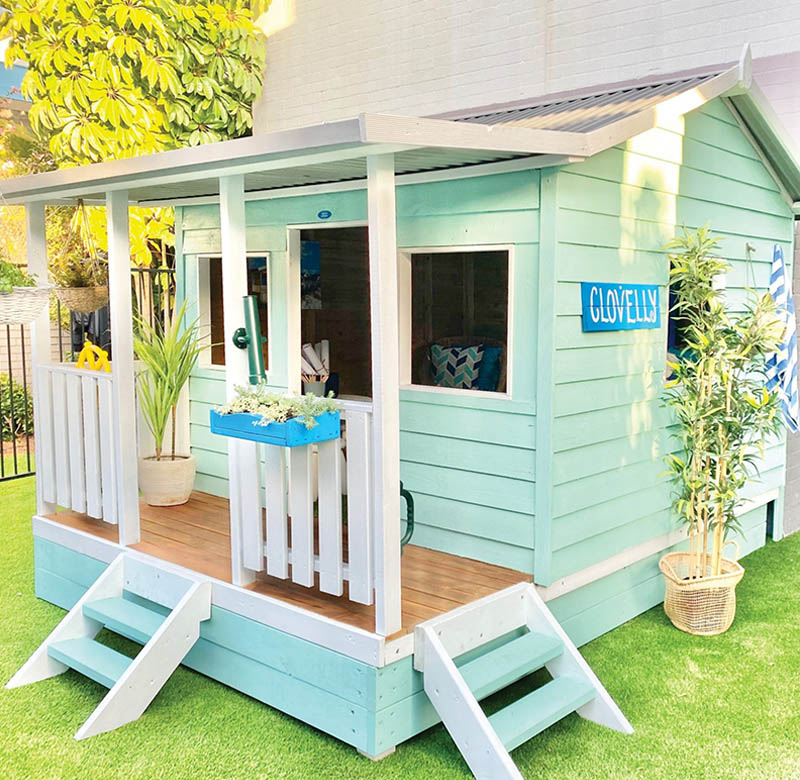
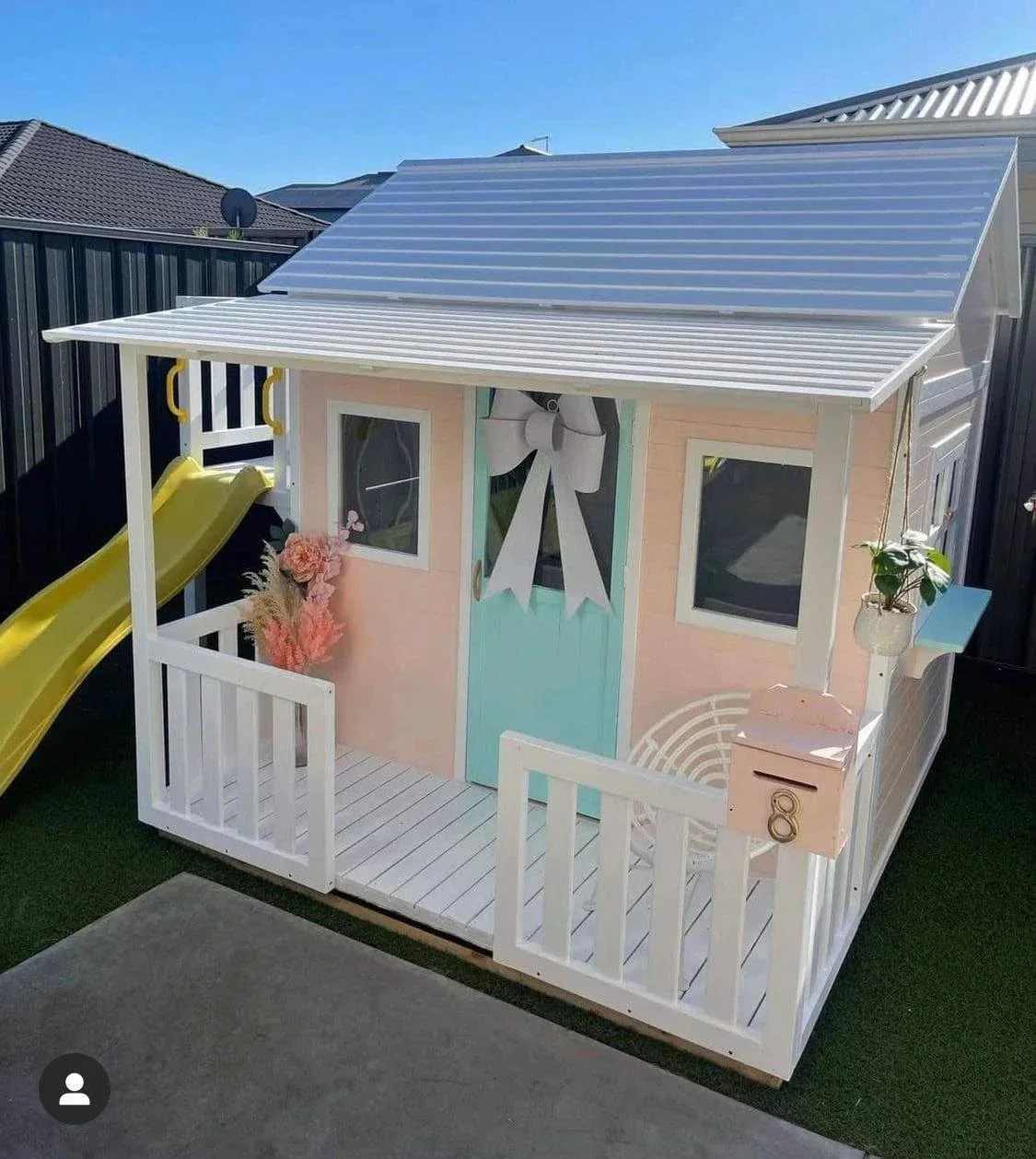
Adaptable & "Slow-Grow" Design: Inspired by both Scandinavian pragmatism and Japanese flexibility, modern childrens cubby house kits often feature modular elements. Walls can be reconfigured, add-ons like decks or slides can be attached later, and interiors can evolve from a toddler's nap nook to a tween's hangout. This reflects a global shift toward long-term value and reducing waste.
Fostering Community & Shared Play: From the Nordic emphasis on collective outdoor time to the Japanese community garden, designs are increasingly encouraging social interaction. This is seen in larger outdoor cubby house designs with multiple "rooms," communal workbenches, or adjacent garden plots, promoting cooperative play and intergenerational connection.