When Cubby House Meets AR: Is the Future Playhouse a Mixed-Reality Playground?
The iconic childrens cubby house, a timeless wooden sanctuary in the backyard, is on the cusp of a revolutionary evolution. For generations, its charm has resided in its physical simplicity—a blank canvas for pure imagination. Today, emerging technologies like Augmented Reality (AR) present a fascinating question: Could the future outdoor cubby house become an immersive, hybrid playspace where physical structures and digital layers seamlessly merge? This exploration delves into how the classic wooden cubby house might transform into a smart outdoor cubby, blending tactile play with interactive digital storytelling to create the next-generation playscape.
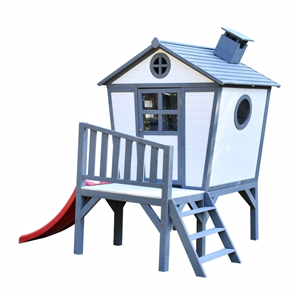
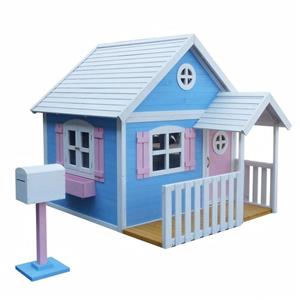
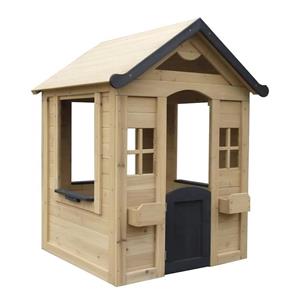
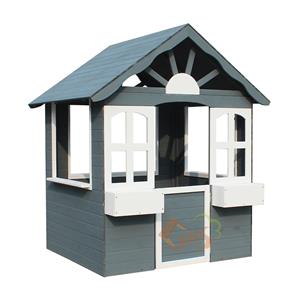
The core appeal of a cubby house lies in its role as a stage for narrative and role-playing. AR technology, which superimposes digital images and information onto the real world via a screen (like a tablet or smart glasses), could amplify this narrative potential without replacing the essential physical experience. Imagine a child pointing a device at their wooden cubby house and seeing it transform: wooden walls could be overlaid with animated stone textures for a castle, portholes and gauges for a spaceship, or vines and creature animations for a jungle hut. The fundamental, safe structure of the outdoor cubby house remains, but its imaginative context becomes dynamic and visually rich.
The Hybrid Playground: Enhancing, Not Replacing
The future of the childrens cubby house in a mixed-reality world is not about children staring passively at screens indoors. Instead, it's about context-aware augmentation that encourages active, physical, and social play in the outdoor cubby.
Interactive Story Triggers: Physical elements of the cubby house could act as triggers. A painted symbol on the wall, when viewed through an AR device, might summon a friendly digital dragon to converse with. A specific window frame could become a portal showing a fantastical landscape. This blends the tangibility of the wooden cubby house with limitless digital possibilities.
Educational & Exploratory Layers: AR can turn the structure and its immediate garden environment into a learning hub. Pointing a device at the roof could show animated rain cycles. "Scanning" a planter box might reveal the growth stages of the seeds planted there. The outdoor cubby house becomes a living interface for discovery.
Collaborative Mixed-Reality Games: The shared space of a cubby house could host games where children work together, using the physical layout for strategy while interacting with shared AR elements—like defending the fort from virtual pirates whose ships appear to sail across the real lawn.
Navigating the Challenges: Balance is Key
For this vision to enhance rather than undermine the value of a cubby house, critical considerations must guide its development.
Screen Time vs. Active Play: The primary risk is substituting active, social, physical play with sedentary screen interaction. The solution lies in device-as-tool, not device-as-toy design. AR sessions should be brief, goal-oriented (e.g., "unlock this week's story chapter"), and inherently encourage movement and collaboration within the physical outdoor cubby space.
Preserving Open-Ended Imagination: The magic of a traditional wooden cubby house is that a stick can be a sword, a spyglass, or a magic wand. Overly prescriptive AR narratives could stifle this. The technology should serve as a prompt or enhancer, not a rigid director. It must leave ample room for child-led, analog invention.
Durability & Outdoor Design: Future "smart" outdoor cubby house designs would need to consider weatherproofing for any embedded sensors or markers and rely on robust, battery-powered personal devices rather than fragile built-in screens.
The Future is a Blended Canvas
The future of the cubby house is likely not a choice between physical and digital, but a thoughtful synthesis. The wooden cubby house will remain—its sturdy, tactile, and safe presence is irreplaceable. However, through thoughtful AR integration, it can gain a magical, dynamic layer. Parents might download different "experience packs" (pirate, scientist, explorer) to renew the play value of the same physical structure.
The question is not if technology will touch the childrens cubby house, but how. Success lies in a philosophy of "augmented imagination," where AR acts as a digital paintbrush on the timeless canvas of physical play. The ultimate outdoor cubby house of the future may be one where children can, at will, turn off the digital layer and retreat into the pure, classic world of wooden walls and boundless mind-made adventures, or switch it on to embark on a visually guided quest. It promises a future where the backyard playhouse is not left behind by the digital age, but evolves into its most enchanting and balanced expression: a true mixed-reality playground.
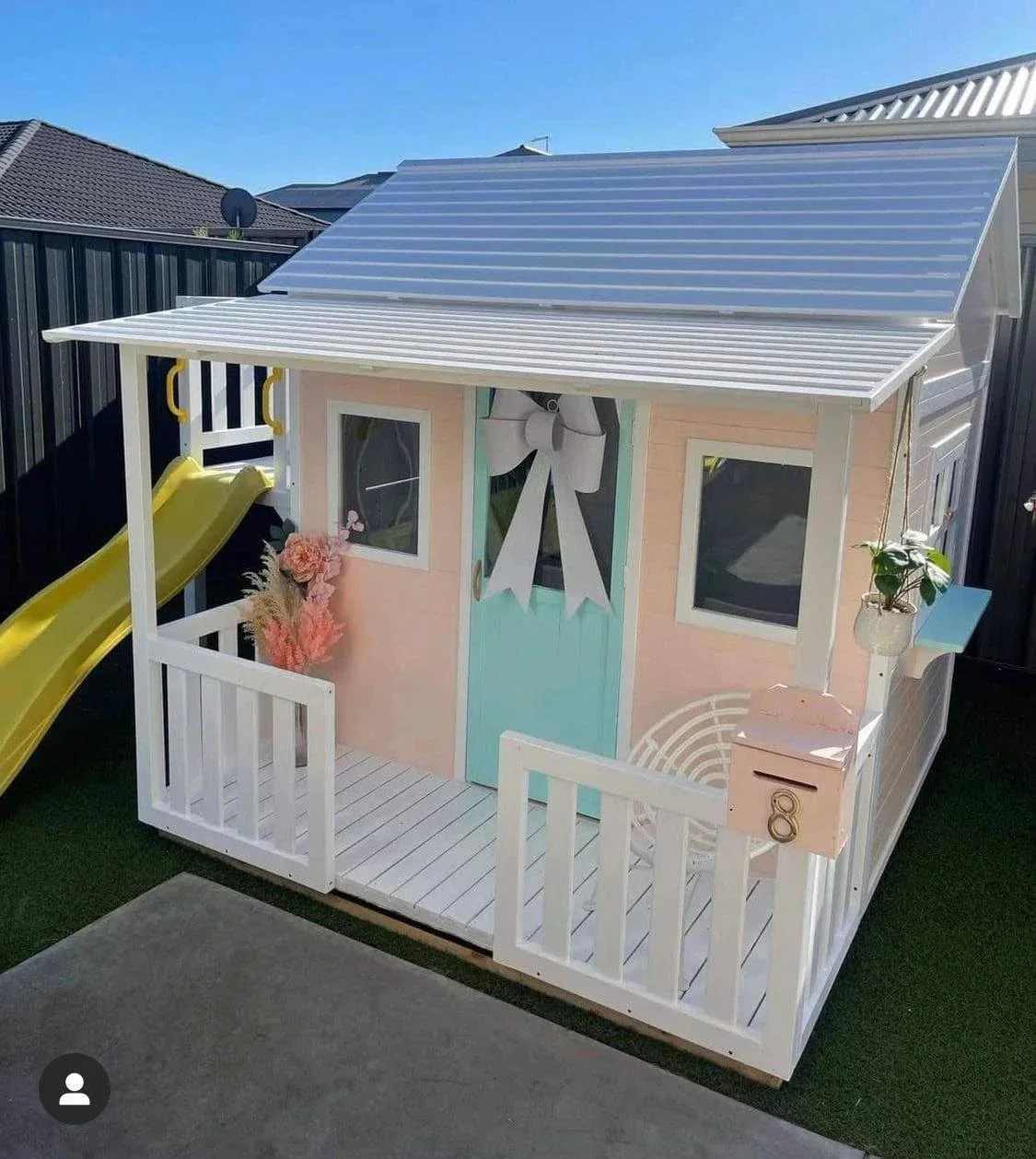
outdoor cubby
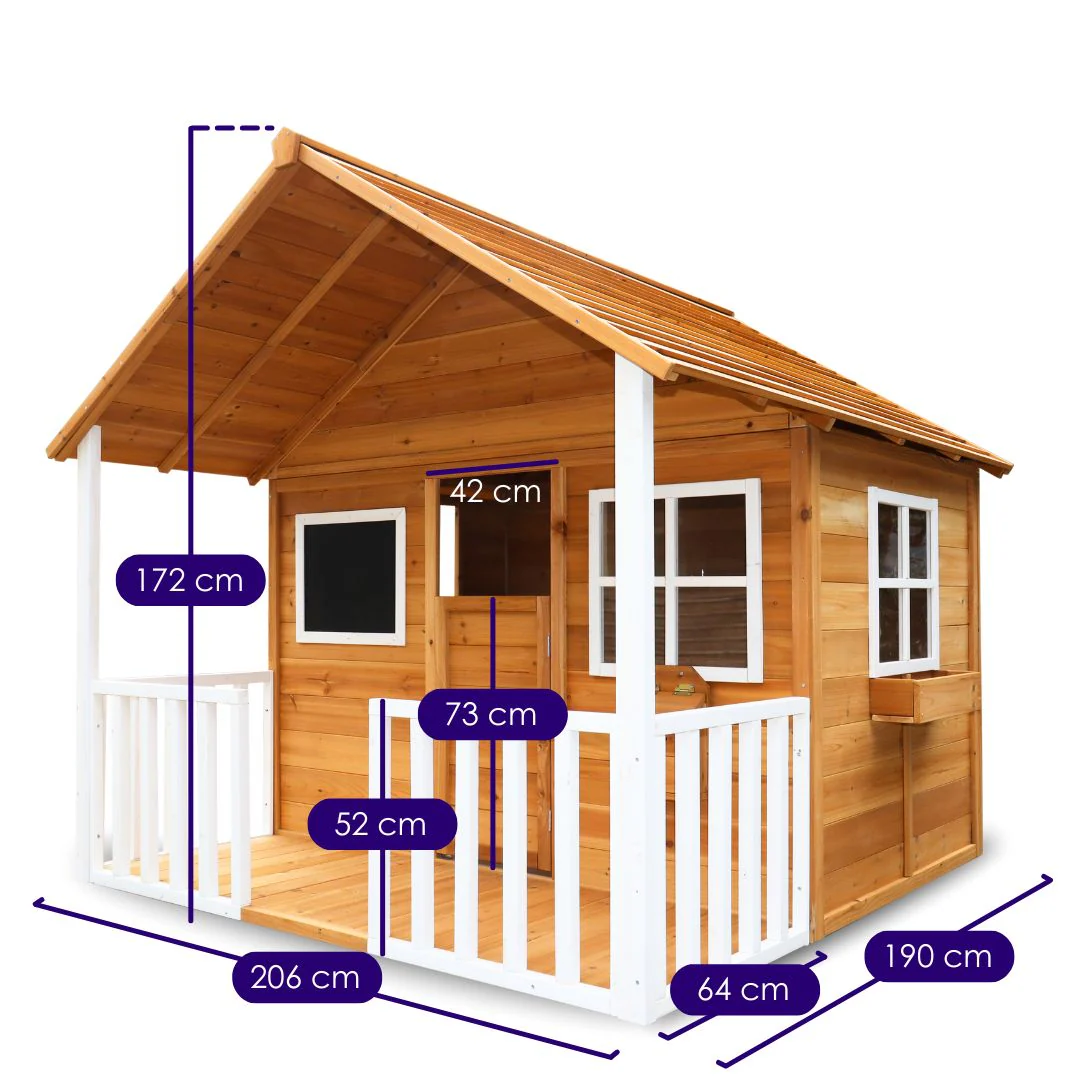
wooden cubby house
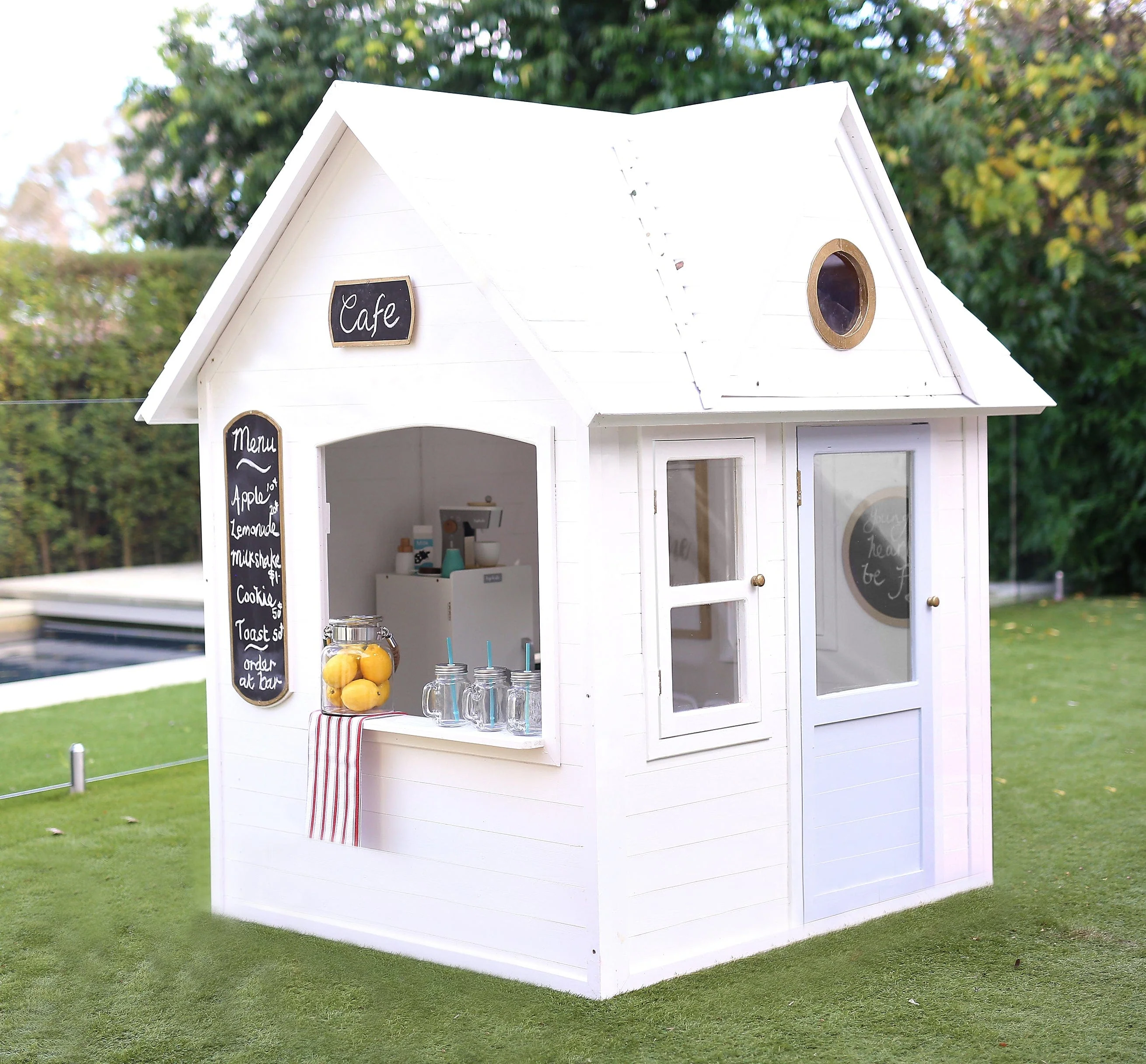
outdoor cubby house
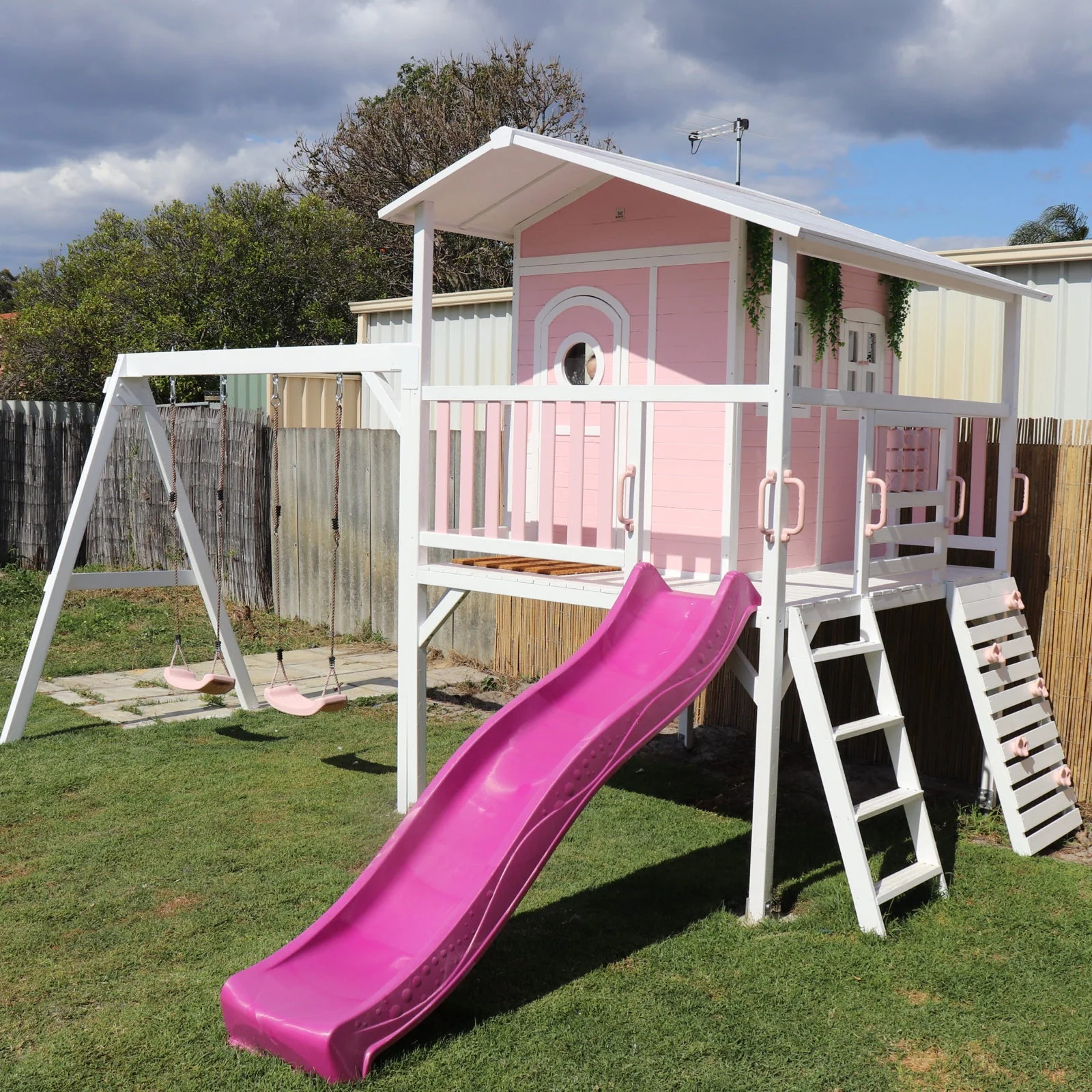
childrens cubby house