How a Shared Cubby House Revived Our Neighborhood Spirit
In a quiet suburban cul-de-sac, a remarkable transformation began not with a formal proposal, but with a simple observation: the backyards were full, but the streets were empty. Children were indoors, and neighbors were strangers. This changed when several families embarked on an extraordinary project: to co-design, build, and maintain a community shared cubby house. This initiative did more than create a play structure; it actively revived the fading art of neighborhood connection and shared childhood memories.
The concept emerged during a casual street barbecue. Parents lamented the lack of spontaneous interaction their children experienced. Inspired by nostalgia for a time when play was a communal, outdoor affair, the idea of a collective outdoor cubby house was born. It would be built on a small, neutral green space at the end of the street—a plot owned by the homeowners' association that had lain unused for years. The goal was explicit: to build more than a wooden cubby house; to build a new heart for the community.
The Co-Creation Process: From Blueprint to Bonding
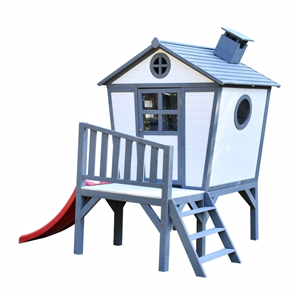
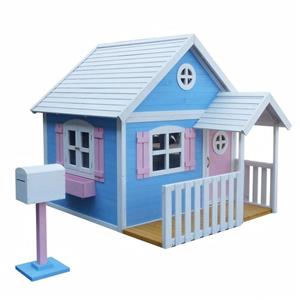
The project's first phase was democratic design. Over a series of weekend meetings in a neighbor's garage, families gathered with their children. Sketches were drawn, with kids contributing ideas like a twisting slide, a pirate ship's wheel, and a secret reading nook. The final design for the childrens cubby house was a hybrid marvel: a two-story wooden cubby house with a castle turret on one side and a ship's bridge on the other, connected by a short rope bridge to a separate deck with a sandpit.
Funding was communal. Instead of hiring a contractor, the neighborhood pooled funds for high-quality, sustainable materials—FSC-certified timber, non-toxic paint, and a metal roof. The real investment, however, was sweat equity. The build became a series of weekend "barn-raising" events. An engineer neighbor oversaw the structural framing. A teacher organized the children to sand down every plank. A graphic designer helped the kids stencil colorful animals on the walls. This hands-on collaboration transformed the outdoor cubby from a product into a shared story, with every family leaving a literal mark on its construction.
The Ripple Effect: A Hub of Spontaneous Community
Upon completion, the shared cubby house immediately became the neighborhood's gravitational center. Its impact was profound and multi-layered:
1、Revitalized Play: The cubby house became a stage for unstructured, imaginative play. It wasn't uncommon to see a band of "knights" defending the turret one hour and a team of "astronauts" preparing for launch from the ship's deck the next. The space belonged to no single child, so negotiation, shared storytelling, and inclusive play became the natural order.
2、Fostered Adult Connections: While the children played, parents gathered on nearby benches. Casual conversations over coffee evolved into deeper connections. Babysitting exchanges, tool-sharing agreements, and walking groups formed organically. The cubby house provided a daily, effortless reason for neighbors to interact, breaking down years of polite anonymity.
3、Shared Stewardship: Maintenance was incorporated into the culture. A shared online calendar was created for seasonal tasks: checking the structure's stability, reapplying sealant to the wooden cubby house, raking the fall zone, and refreshing the sandpit. These "care days" became minor social events, reinforcing a collective pride and responsibility for their shared asset.
The shared outdoor cubby house project proved that the simplest structures can have the most complex and beautiful social outcomes. It successfully revived a sense of "childhood street life"—not by chance, but by deliberate, collective creation. This childrens cubby house is now more than a play structure; it is a testament to what a neighborhood can achieve together. It stands as a vibrant, wooden symbol of reclaimed community, demonstrating that sometimes, the best way to build connections between people is to first build a common dream, one piece of timber at a time. In an age of digital isolation, this neighborhood found its way back to each other through the timeless, unifying power of a cubby house.
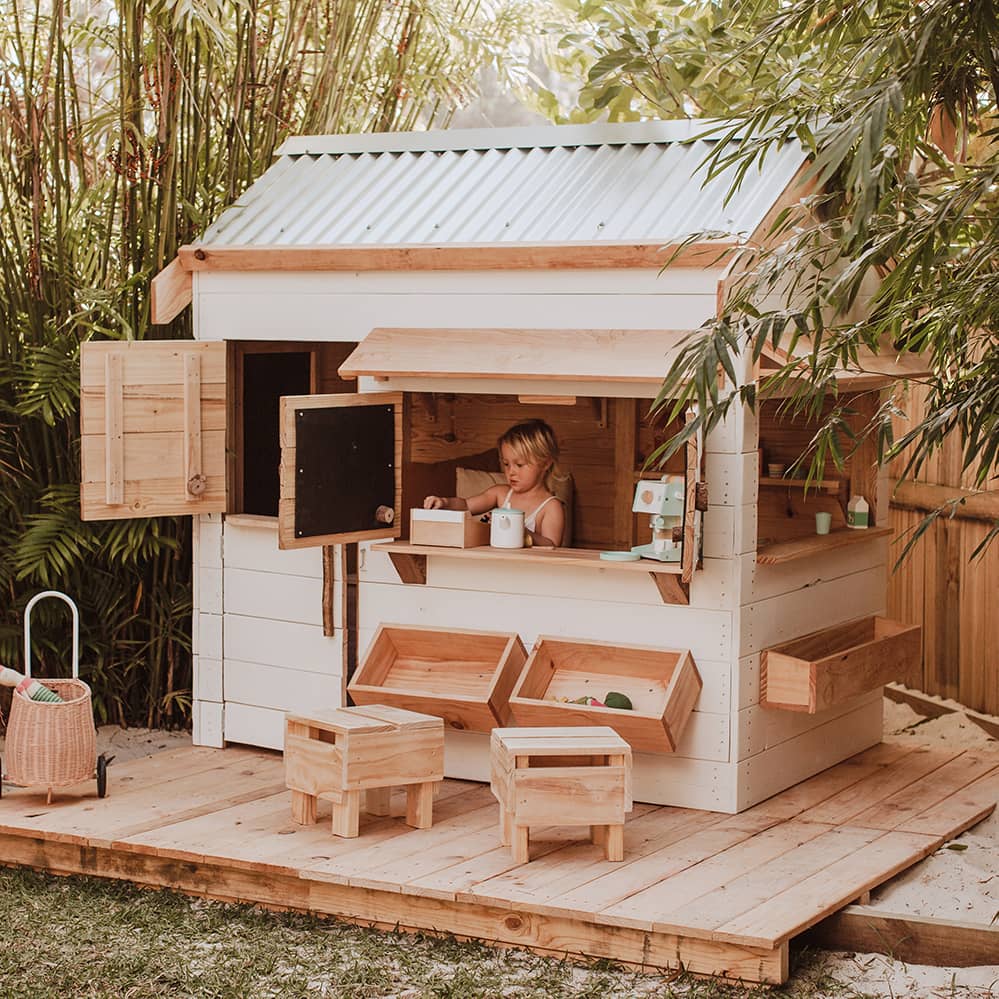
outdoor cubby
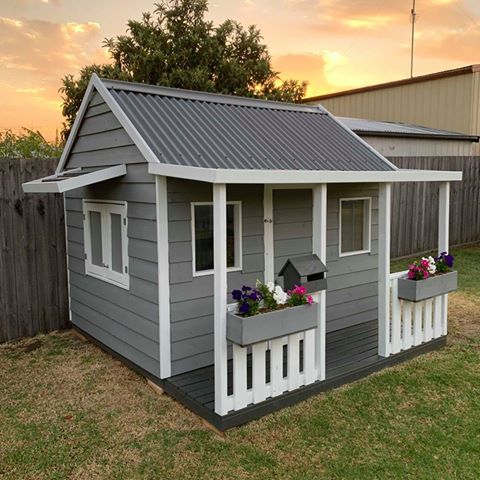
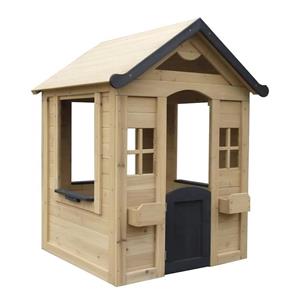
wooden cubby house
outdoor cubby house
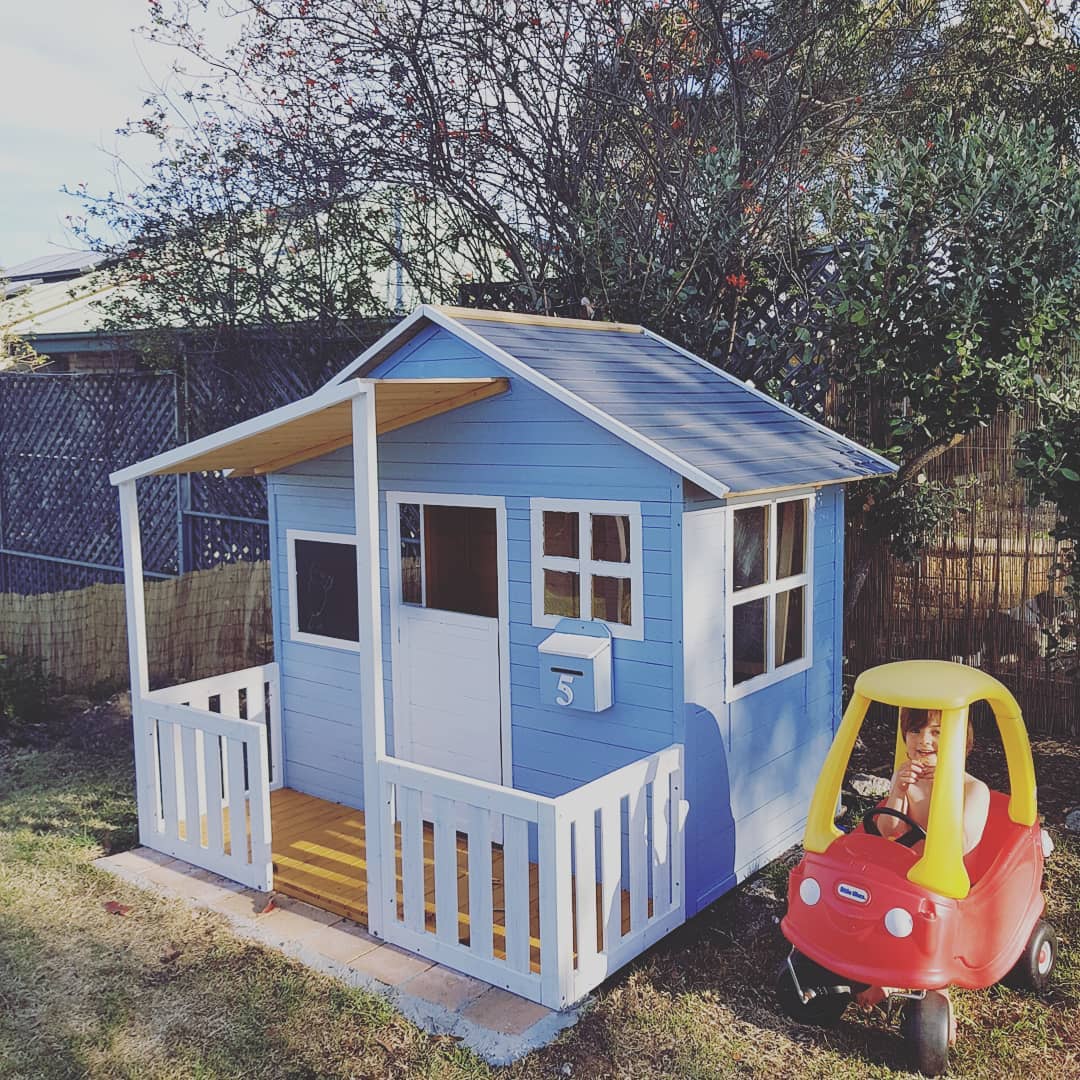
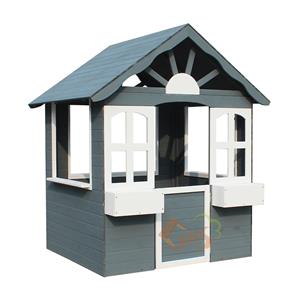
childrens cubby house