Where to Find Certified Cedarwood for Your DIY Cubby House Project?
Embarking on a DIY cubby house project is an exciting endeavor that promises to create lasting family memories. For many builders, selecting cedarwood for the construction of a wooden cubby house represents a commitment to quality, durability, and natural beauty. Known for its inherent resistance to rot, insects, and weathering, cedar is a premium choice that ensures your outdoor cubby house will stand the test of time. However, sourcing certified cedarwood—verified for sustainability and quality—can be a critical yet challenging step. So, where can conscientious builders find certified cedarwood to lay the foundation for a safe and enchanting childrens cubby house?Certified cedarwood, particularly bearing the Forest Stewardship Council (FSC) label, guarantees that the timber is harvested from responsibly managed forests that prioritize environmental conservation, social benefits, and economic viability. For a project as special as building a childrens cubby house, using certified wood aligns the joy of creation with ecological stewardship, ensuring that your backyard retreat is built on a foundation of sustainability.
1. Specialized Lumber Yards and Building Supply Retailers
Your first and most reliable stop should be a reputable lumber yard or a large building supply retailer. Establishments like these often carry a selection of certified woods, including cedar.
What to Look For: Inquire specifically for FSC-certified Western Red Cedar. Major retailers may have this information readily available online or in-store. Don't hesitate to ask for certification documentation; a trustworthy supplier will be transparent about their wood's origins.
Advantage: These suppliers typically offer wood in a variety of grades and dimensions, allowing you to select the perfect boards for the frame, siding, and decorative details of your wooden cubby house. Staff can often provide valuable advice on wood selection and project planning.
2. Online Sustainable Timber Merchants
The digital marketplace has made sourcing specialty materials more accessible than ever. Several online merchants specialize in sustainable and certified lumber, delivering directly to your doorstep or a local pickup point.
What to Look For: Search for "FSC certified cedar" or "sustainable cedar lumber." Reputable online merchants will clearly display certification badges on their product pages. Read product descriptions carefully to ensure the wood is suitable for outdoor use in an outdoor cubby project.
Advantage: This option provides access to a wider range of cedar grades and specialty cuts that might not be available locally. It is ideal for those in areas without a dedicated lumberyard.
3. Local Sawmills and Custom Woodworking Shops
For a truly local and often more unique sourcing experience, consider contacting sawmills in your region. Many smaller mills source timber locally and may participate in sustainable forestry programs.
What to Look For: Ask if their cedar comes from a sustainably managed forest and if they have a chain-of-custody certification. You may find beautiful, locally-sourced cedar that adds a unique character to your cubby house.
Advantage: Supporting local business, potentially lower transportation costs, and the opportunity to see the wood before you buy. You might also find more custom dimensions for your specific outdoor cubby house design.
4. Eco-Friendly Building Material Directories and Associations
Utilize resources provided by environmental building associations. Organizations dedicated to green construction often maintain directories of suppliers who specialize in certified sustainable materials.
What to Look For: Search the websites of associations like the U.S. Green Building Council (USGBC) or your country's equivalent for member directories or recommended material suppliers.
Advantage: These vetted directories can connect you with suppliers who are committed to sustainability as a core principle, ensuring alignment with your project's values.
Key Considerations When Purchasing Cedar for Your Cubby House
Once you've found a source, keep these essential tips in mind:
Verify the Certification: Look for the official FSC logo or other recognized certification (like PEFC) on the documentation or the wood itself.
Choose the Right Grade: Cedar is available in different grades, from clear (free of knots) to more rustic grades. For a childrens cubby house, a "construction" or "standard" grade is often perfectly suitable, cost-effective, and adds charming character.
Plan for Quantity: Carefully calculate the board feet needed for your DIY cubby house plans, adding an extra 10-15% for cutting waste. A detailed plan will make this process much easier.
Inspect Upon Delivery: Even certified wood should be inspected for excessive warping, large cracks, or other defects that could compromise the build of your wooden cubby house.
In conclusion, finding certified cedarwood for your cubby house project is a crucial step that marries your building ambition with environmental responsibility. By sourcing from specialized lumber yards, online sustainable merchants, local sawmills, or through green building directories, you secure a material that is not only beautiful and durable but also ethically harvested. Building a certified cedar outdoor cubby house ensures that the sanctuary you create for your children's imagination is also a gift to the planet—a legacy of play built on a foundation of respect for nature.
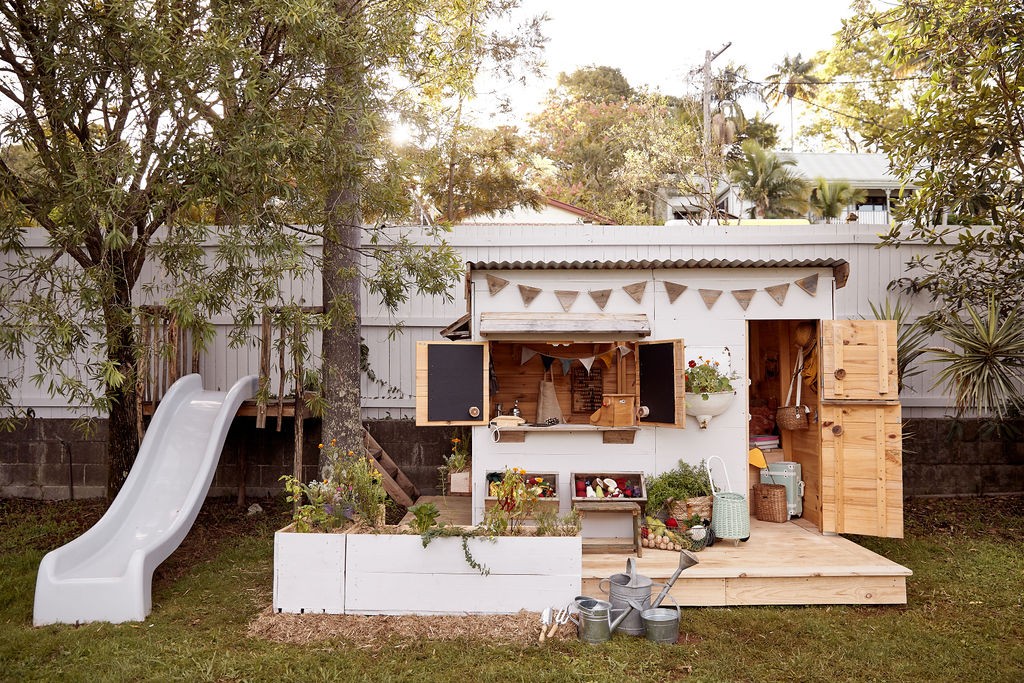
outdoor cubby
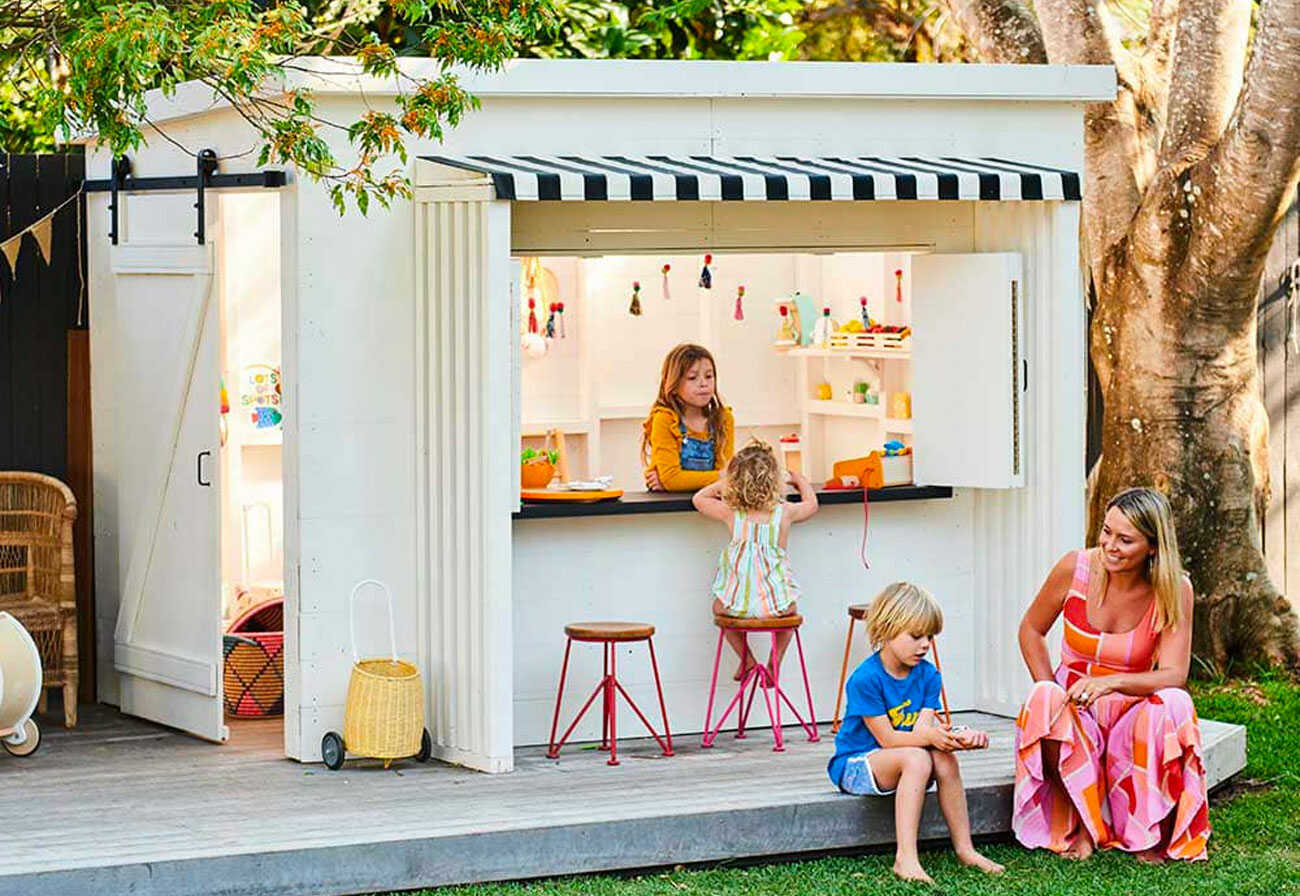
wooden cubby house
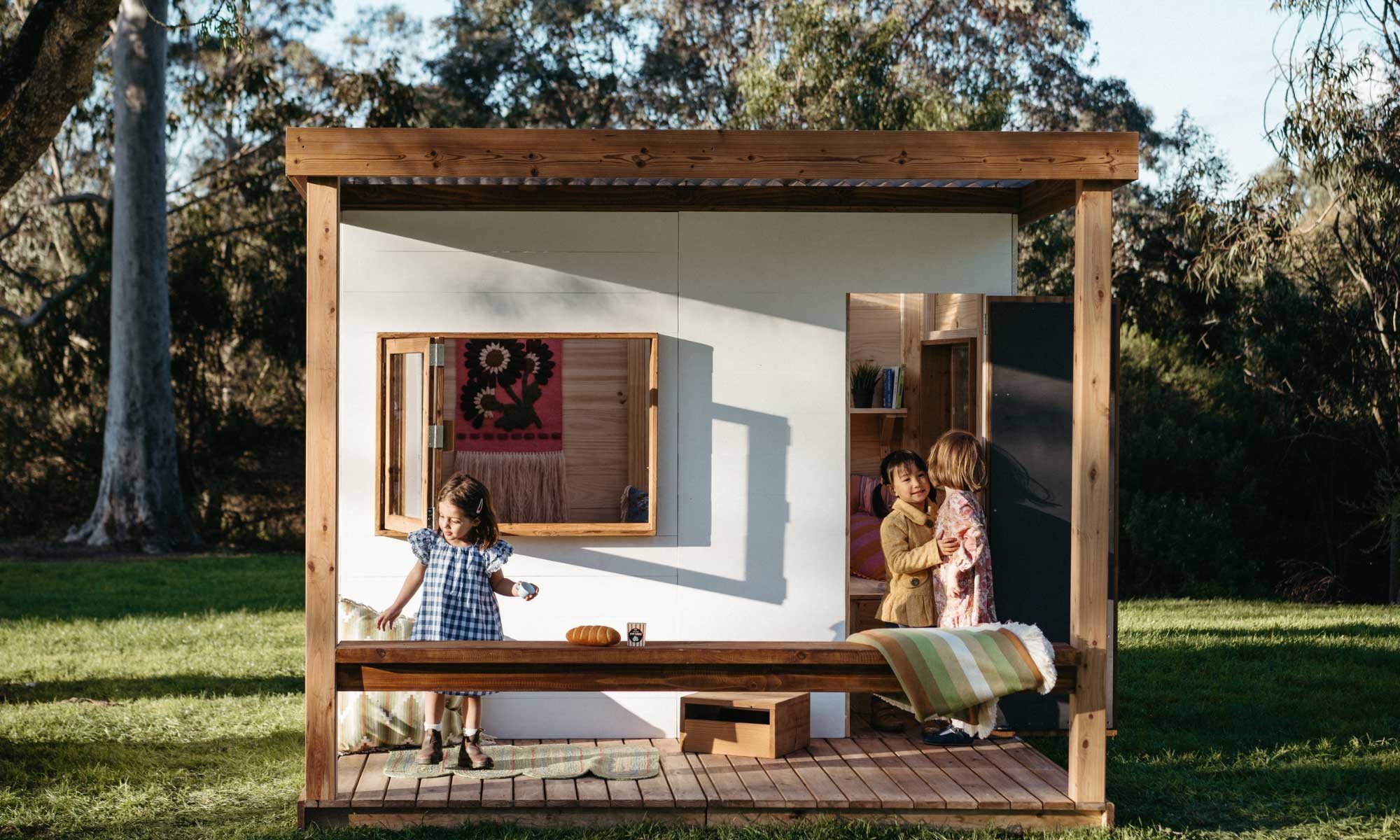
outdoor cubby house
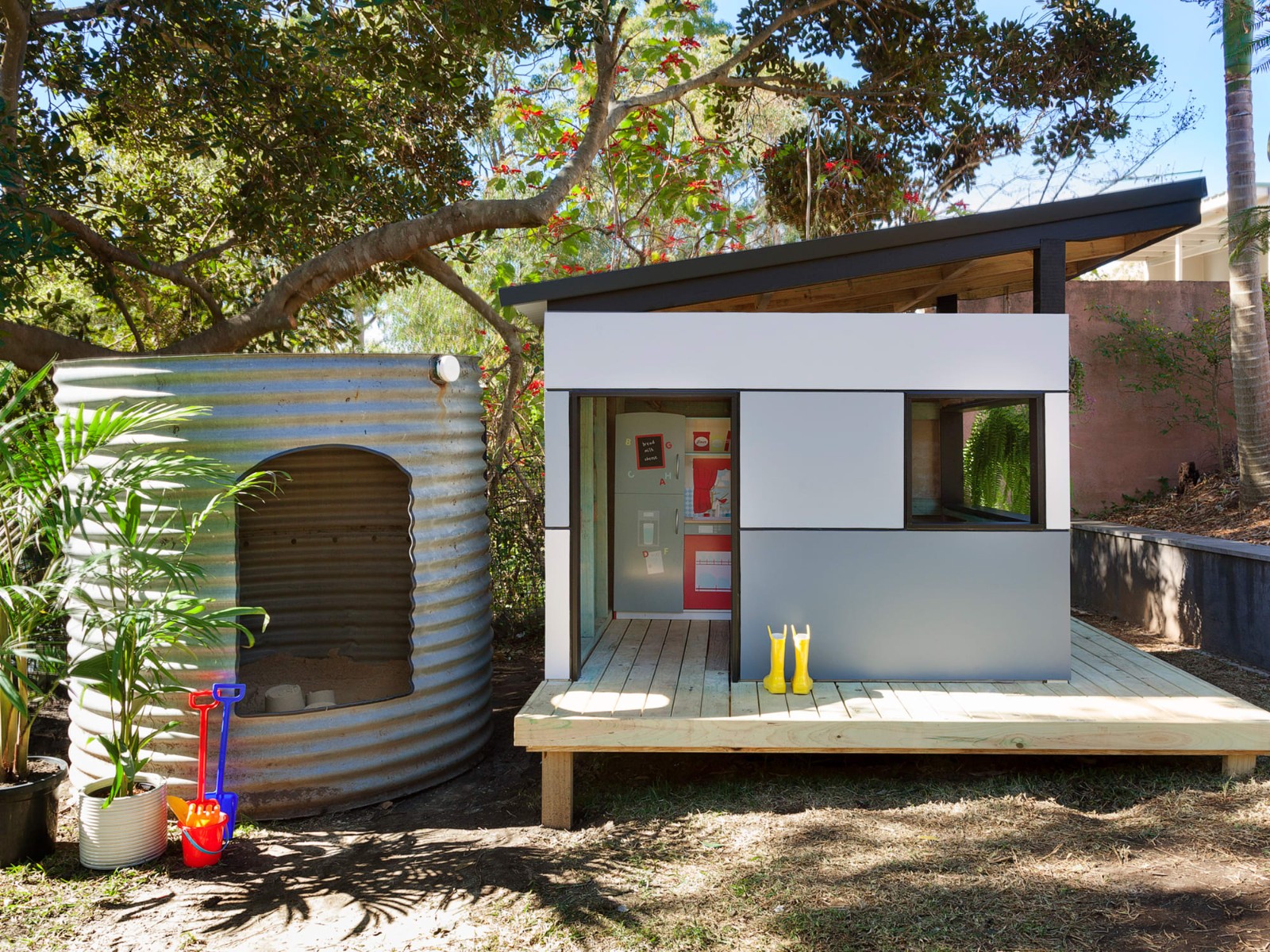
childrens cubby house