Why a Small Cubby House Might Be Better for Your Child‘s Creativity.
In an era where more is often perceived as better, parents planning a backyard retreat may instinctively lean toward the largest, most feature-packed outdoor cubby house they can find. However, when it comes to nurturing a child's imagination, size isn't the ultimate advantage. A compelling case can be made that a thoughtfully designed, small wooden cubby house can actually serve as a superior catalyst for creativity and cognitive development. So, how can a compact outdoor cubby become a more powerful engine for imaginative play than its spacious counterpart?
The magic of a smaller childrens cubby house lies not in its square footage, but in the psychological and developmental dynamics it fosters. A cozy, defined space can actively enhance focus, resourcefulness, and narrative depth in ways that a vast, empty structure cannot.
1. The Power of Intimacy and Focus
A small cubby house creates an intimate, womb-like environment that naturally enhances a child's focus. Without the distraction of vast, empty spaces, children are not overwhelmed by the need to "fill" the area. Instead, their attention turns inward, to the details and possibilities within their immediate reach. This contained space becomes a defined "stage"—a manageable world where every corner and object can be incorporated into a play narrative. The limited physical boundaries of a wooden cubby house help contain and concentrate creative energy, leading to deeper, more sustained play scenarios rather than scattered, fleeting activities.
2. Encouraging Resourcefulness and Problem-Solving
Constraints breed creativity. A smaller outdoor cubby house challenges children to think innovatively about space utilization. They become the architects of their own tiny world, figuring out how to arrange limited furniture, where to store "treasures," and how to transform a single room into multiple settings—a castle keep, a spaceship cockpit, a secret agent's hideout—all within the same few square feet. This constant mental remodeling and adaptive thinking are excellent exercises in problem-solving, spatial reasoning, and flexible thinking. In a large structure, this imperative to innovate is diminished, as space is not a limiting factor.
3. Deepening Narrative and Role-Playing Depth
In a compact childrens cubby house, social play becomes more intense and cooperative. With less room for parallel play, children are forced to engage directly with one another, negotiating roles, co-creating complex storylines, and sharing the narrative spotlight. The close quarters necessitate communication and collaboration, turning the outdoor cubby into a dynamic laboratory for social-emotional learning. The stories invented here often have greater narrative complexity because the environment itself demands more symbolic transformation—a blanket over a table isn't just a tent; it's the defining feature of the entire fortress.
4. Fostering a Sense of Security and Ownership
A small, cozy space inherently feels safe and secure. This sense of sanctuary is crucial for creative risk-taking. When a child feels protected within the walls of their wooden cubby house, they are more likely to experiment with bold ideas, voices, and roles in their play. Furthermore, a space that feels perfectly sized for them enhances their sense of true ownership and control. It is undeniably their domain, scaled to their world, which empowers them to rule it completely, fostering confidence and autonomy—key ingredients for creative expression.
5. The Advantage of Manageable Scale and Integration
From a practical standpoint, a smaller cubby house is often easier to personalize and maintain. It invites detailed decoration—every window frame can be painted, every inch of wall can become a gallery. This manageable scale allows a child to feasibly "curate" their entire environment, reinforcing the connection between effort, care, and creative output. Additionally, a compact outdoor cubby house integrates more harmoniously into diverse garden landscapes, becoming a charming focal point rather than an imposing structure, further reinforcing its role as a natural extension of a playful, imaginative world.
While a grand play palace may initially dazzle, a small cubby house holds profound, research-aligned advantages for creative development. By offering intimacy over expanse, constraint over abundance, and focus over dispersion, a compact wooden cubby house provides the ideal conditions for imagination to flourish. It teaches children that creativity is not about the space you have, but what you do within it. In choosing a smaller outdoor cubby house, you are not limiting your child's world; you are gifting them a concentrated universe of infinite possibility, where the only true boundary is the edge of their own incredible imagination.
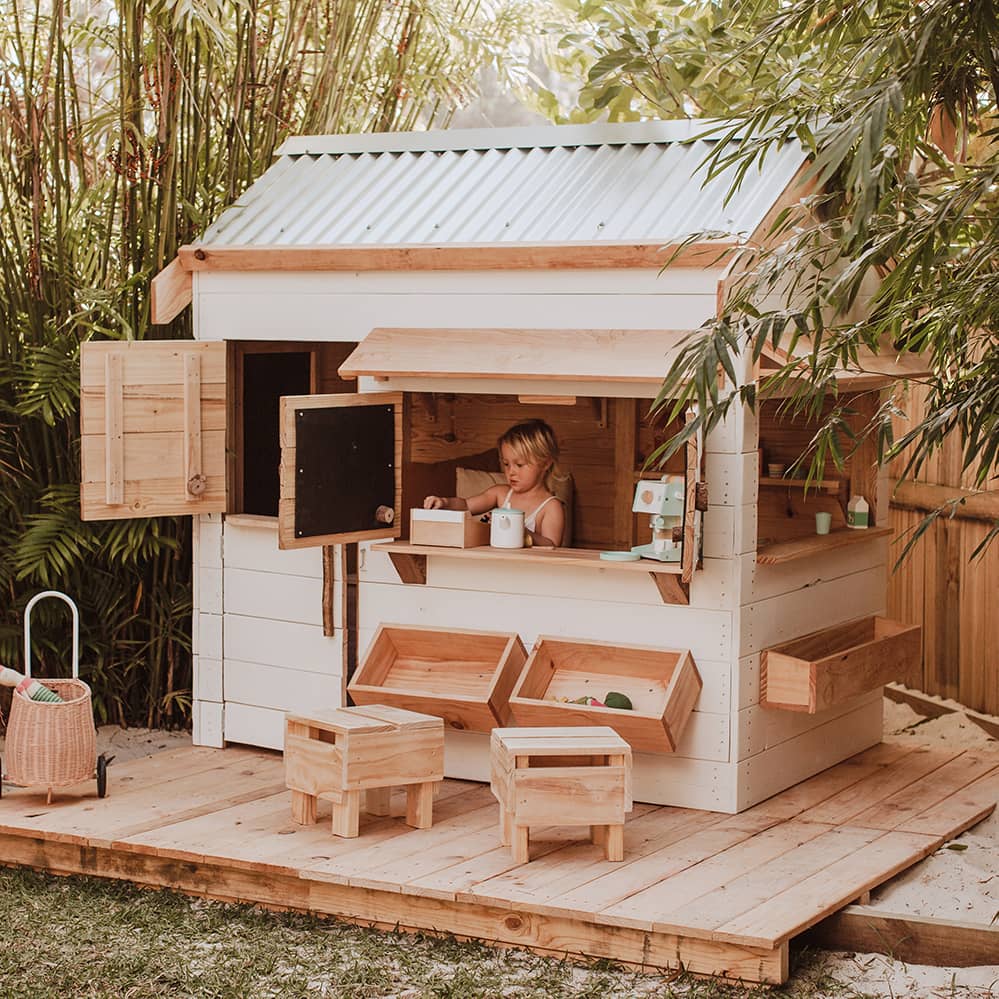
outdoor cubby
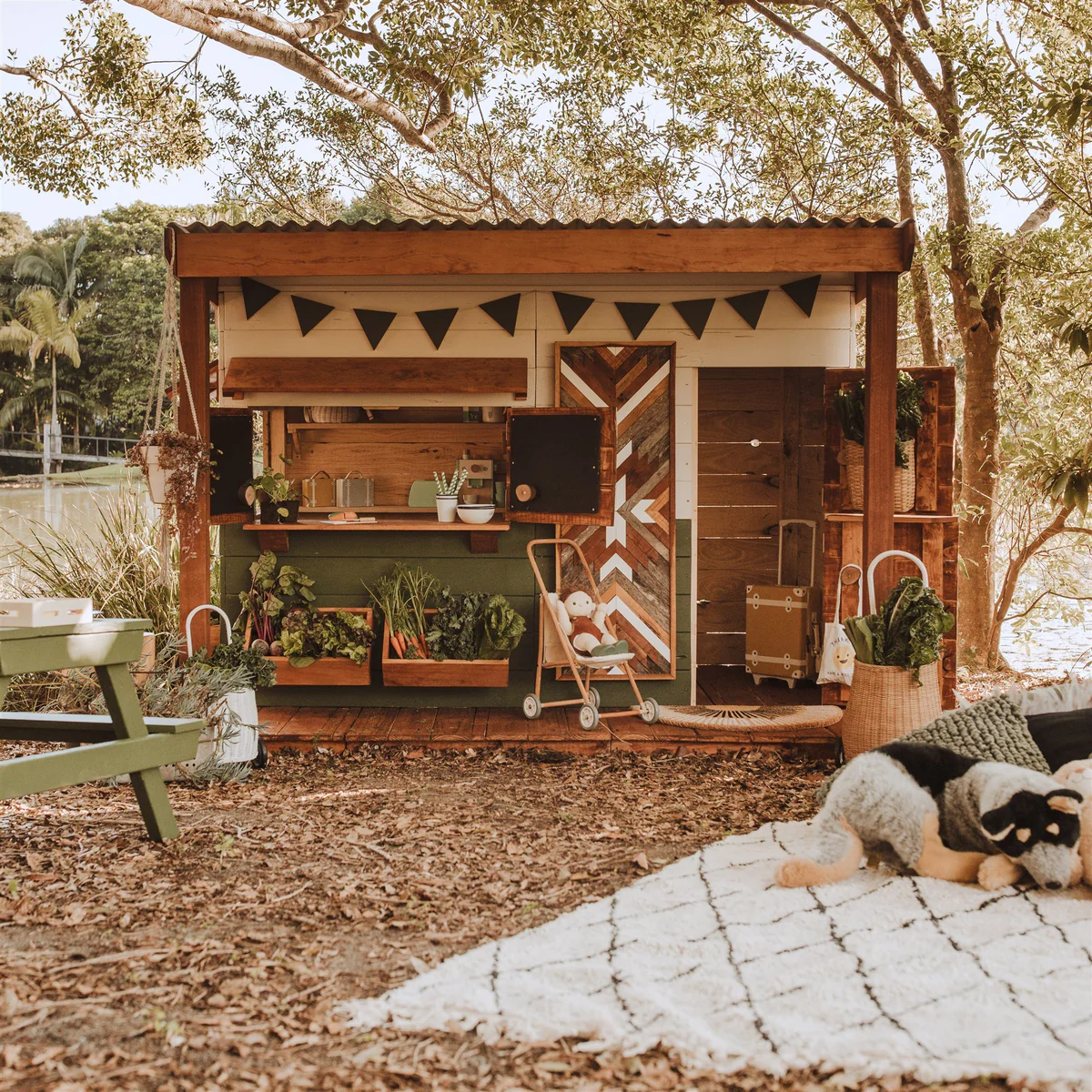
wooden cubby house
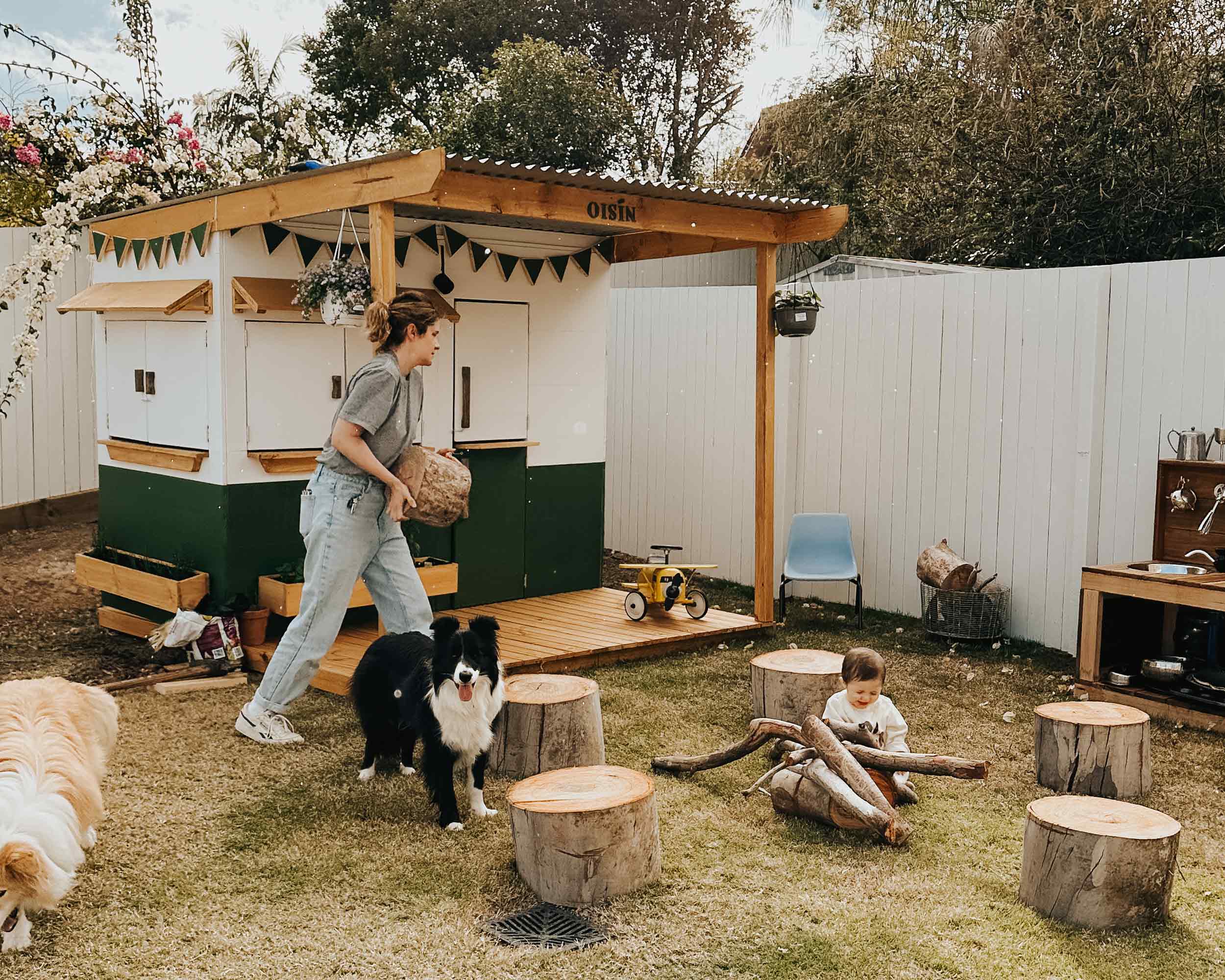
outdoor cubby house
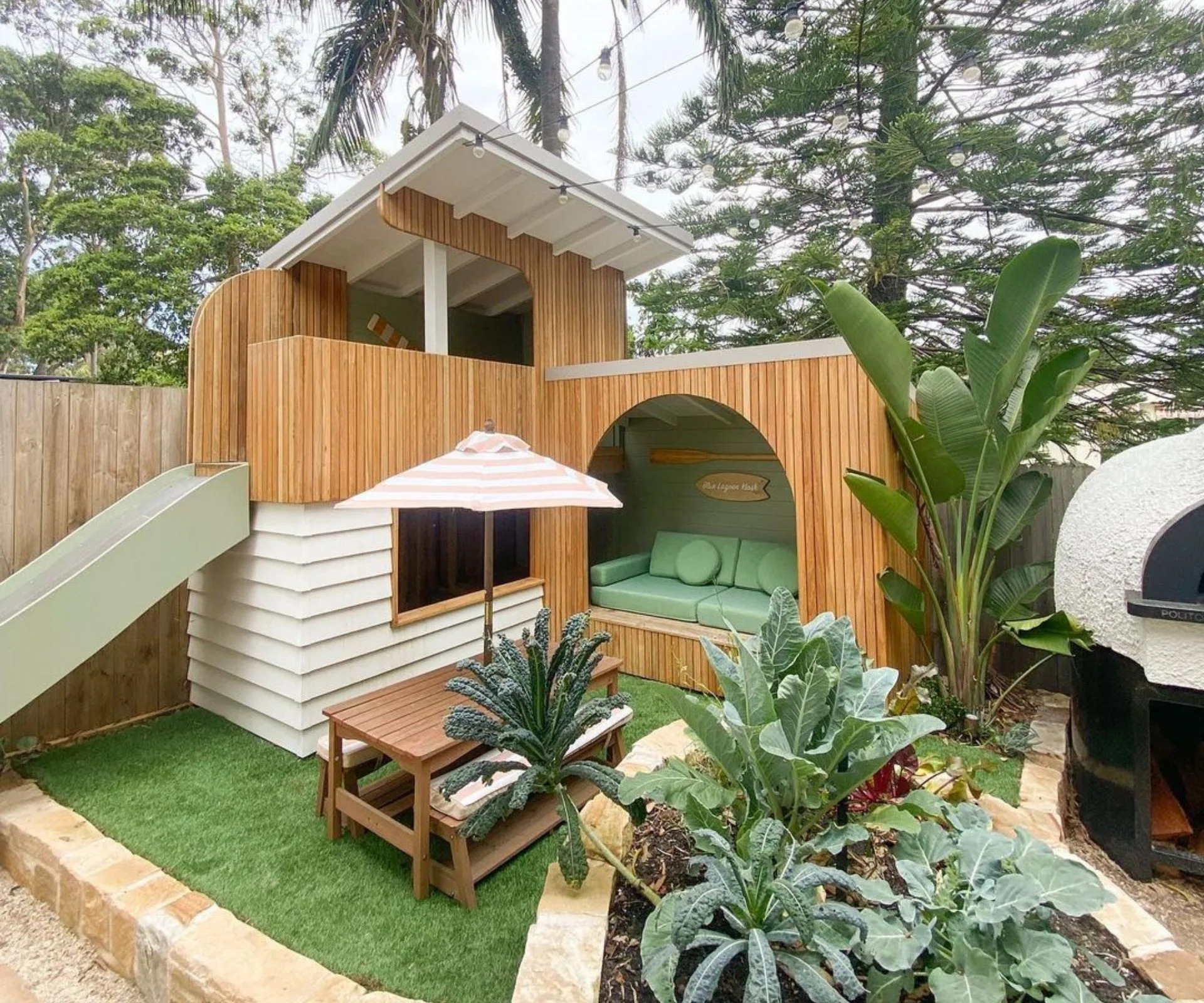
childrens cubby house