How Do Leading Cubby House Materials Compare in Durability and Maintenance?
Choosing the perfect cubby house is an exciting milestone for any family, but the decision often hinges on two critical, interconnected factors: long-term durability and the ongoing maintenance required to achieve it. Whether you’re considering a classic wooden cubby house or a modern composite outdoor cubby, understanding this balance is key to a satisfying, long-term investment. So, how do the most popular materials truly compare when it comes to weathering the elements and the test of active play over the years? This analysis breaks down the performance and care requirements of the primary contenders in the childrens cubby house market.
The ideal outdoor cubby house should provide a safe, sturdy play environment for a decade or more. Durability refers to a material's inherent ability to resist decay, structural degradation, UV damage, and wear from use. Maintenance is the proactive effort—whether minimal or regular—needed to preserve that durability. Let’s evaluate the three main categories.
1. Pressure-Treated Wooden Cubby House: The High-Performance Project
Durability Profile:
Pressure-treated pine is engineered for resilience. The treatment process forces preservatives deep into the wood, providing strong resistance to rot, fungal decay, and insect infestation. Structurally, it is robust and can easily support the weight and activity of multiple children. However, its Achilles' heel is weathering. If left unfinished, it will gray, crack, and warp over time due to UV exposure and moisture cycling.
Maintenance Requirements:
This is a moderate to high-maintenance option where effort directly dictates longevity. To unlock its full potential (a 10-15 year lifespan), a strict regimen is essential:
Initial Treatment: The wood must dry completely after assembly, then be sealed with 2-3 coats of a non-toxic, water-based exterior sealant.
Ongoing Care: The protective finish must be reapplied every 1-2 years. Annual inspections for loose hardware, splinters, and structural integrity are also crucial.
Verdict: Offers excellent, long-lasting durability, but only through a committed, active partnership with the owner.
2. Natural Premium Wood (Cedar/Redwood): The Naturally Resilient Choice
Durability Profile:
Woods like Western Red Cedar and Redwood are the premium standard for a wooden cubby house. They contain natural oils and tannins that provide inherent resistance to rot, moisture, and insects. Cedar is particularly stable, resisting warping and checking better than many woods. It ages gracefully to a silvery-gray if left untreated, without a significant loss of structural integrity.
Maintenance Requirements:
This is a low to moderate-maintenance option. Maintenance is more about preserving appearance and enhancing an already durable material.
Initial & Ongoing Care: While it can be left to weather naturally, applying a clear, non-toxic sealant or tinted stain is recommended to slow weathering, maintain color, and reduce surface cracking. Resealing is typically needed every 2-3 years. It requires the same annual safety inspections as any outdoor cubby.
Verdict: Provides outstanding natural durability with less frequent maintenance than pressure-treated wood. The higher upfront cost buys superior performance and a longer interval between care sessions.
3. Plastic/Composite Outdoor Cubby: The Low-Effort Alternative
Durability Profile:
Modern plastic or wood-plastic composite structures are champions of moisture resistance. They will not rot, rust, or splinter. However, their durability against environmental stress is different. High-density polyethylene can fade and become brittle after prolonged UV exposure (4-8 years, depending on quality). In colder climates, some plastics may become more prone to cracking from impact. Structural integrity relies on design and thickness; lighter models may flex or feel less solid than a wooden cubby house.
Maintenance Requirements:
This is the definitive low-maintenance choice.
Routine Care: Cleaning only requires soap and water. There is no need for painting, staining, or sealing.
Limitations: The maintenance is passive; you cannot "renew" faded or UV-degraded plastic. Once the material becomes brittle, its structural durability is compromised, and the only fix is replacement of parts or the entire cubby house.
Verdict: Excellent short- to medium-term durability with zero upkeep, but may have a shorter total lifespan than a well-maintained wood structure and cannot be refurbished.
The Verdict: A Trade-Off of Time, Money, and Longevity
For Maximum Longevity with Active Care: Choose a Pressure-Treated Wooden Cubby House. It offers the best cost-to-durability ratio if you commit to a simple, regular sealing schedule.
For Superior Durability with Less Frequent Care: Invest in a Cedar Wooden Cubby House. The higher initial cost is offset by its natural resilience and extended maintenance intervals, making it a true heirloom piece.
For Absolute Minimal Maintenance with Shorter Lifespan: Select a high-quality Plastic/Composite Outdoor Cubby House. It is ideal for families seeking a solution that requires no annual chores, accepting that it may need replacement sooner.
The best childrens cubby house for your family depends on your willingness to invest time over the years. Wood demands periodic care but rewards it with decades of service. Plastic asks for nothing upfront but may not stand the test of time as robustly. By understanding this fundamental relationship between durability and maintenance, you can select the backyard sanctuary that perfectly fits your family's lifestyle, ensuring it remains a safe and joyful retreat for years of play.
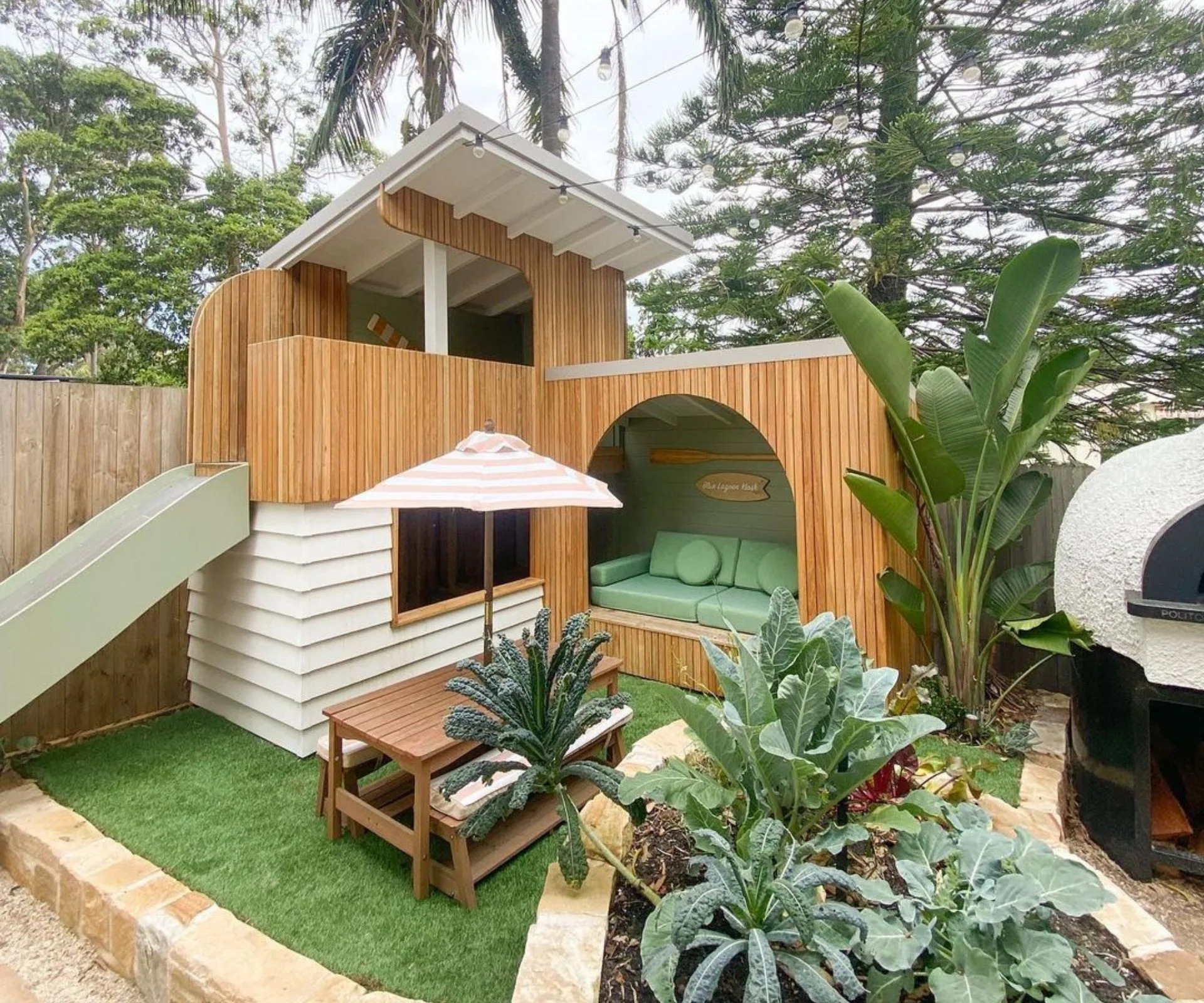
outdoor cubby
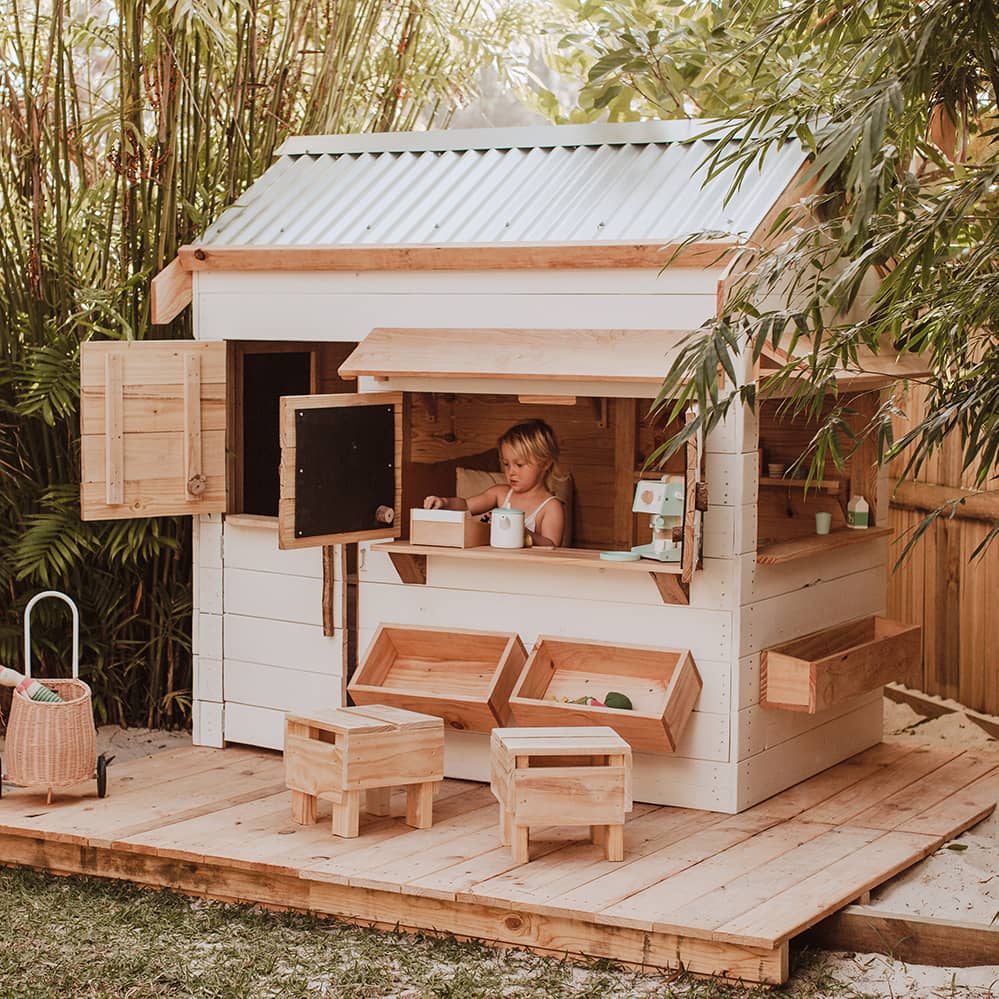
outdoor cubby house
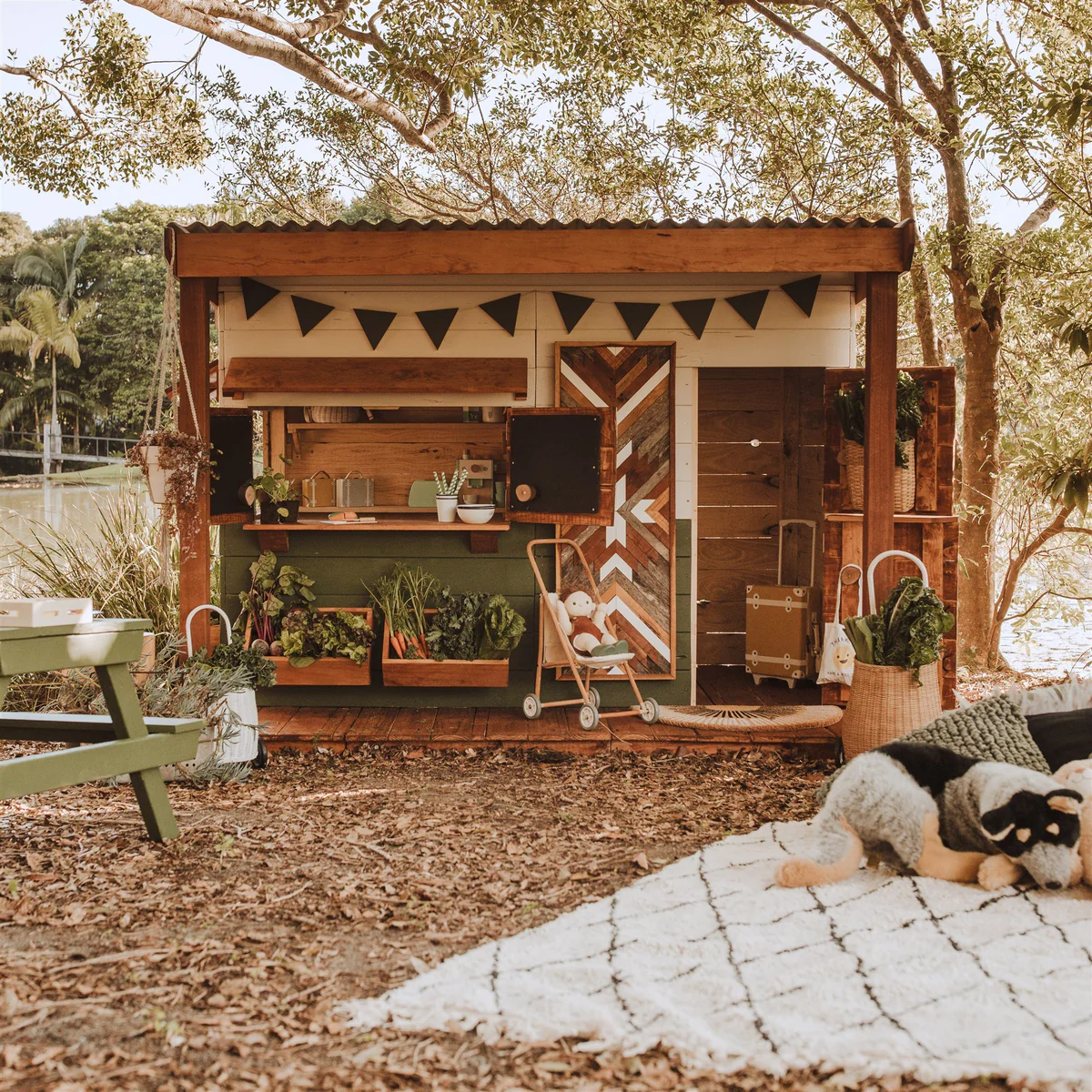
childrens cubby house
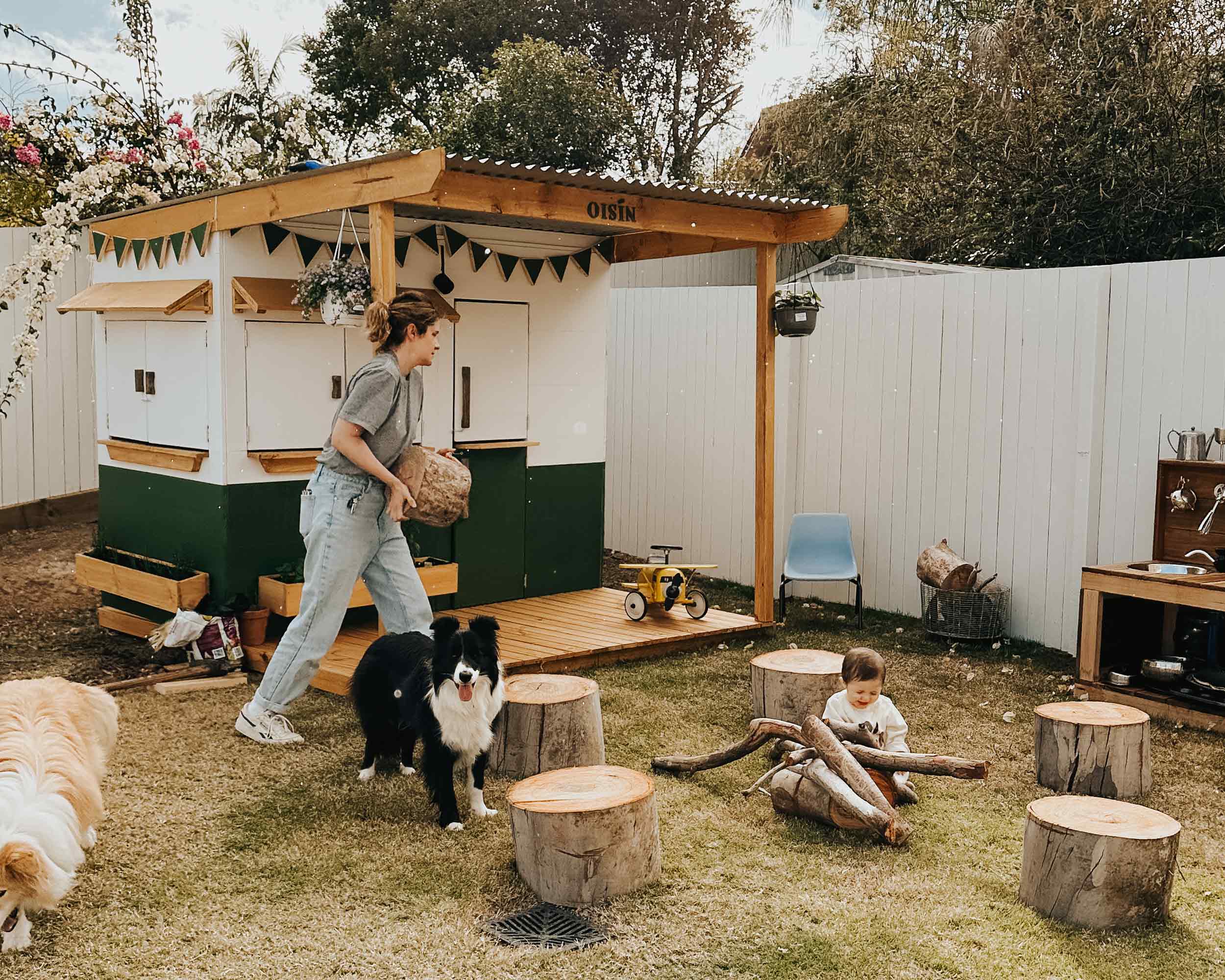
wooden cubby house