What is the Cost-Effective Cubby House Option and How Should You Treat It?
When planning for a backyard childrens cubby house, budget-conscious families often seek the most practical balance between initial cost and long-term value. Among the array of materials, one option consistently stands out for its affordability and structural strength: pressure-treated pine. This engineered wood is widely regarded as the most cost-effective choice for building a durable wooden cubby house. However, its true value and safety are unlocked not just at purchase, but through a critical, often overlooked process: proper treatment and finishing. So, what makes pressure-treated pine the go-to budget option, and what essential steps must you take to ensure it becomes a safe, long-lasting outdoor cubby house for your child?
Pressure-treated (PT) pine undergoes a manufacturing process where preservatives are forced deep into the wood's fibers under high pressure. This treatment shields the timber from its primary outdoor enemies: rot, fungal decay, and wood-boring insects. The result is a sturdy, resilient material that provides a solid frame for any outdoor cubby at a fraction of the cost of premium woods like cedar or redwood. Its widespread availability and ease of use make it the foundational choice for countless DIY projects and pre-fabricated kits. Yet, the chemical treatment that grants this durability also introduces the most important consideration for parents: post-purchase treatment and sealing.
The Critical "Why": Safety and Longevity
A newly purchased pressure-treated wooden cubby house is not immediately ready for play. The treatment chemicals can make the wood damp, and the surface may retain residues not intended for prolonged skin contact. Furthermore, without a protective topcoat, the wood is vulnerable to weathering—it can warp, crack, or develop splinters as it dries and ages in the sun and rain. Therefore, the cost-effective promise of PT pine is only fully realized through correct finishing, which achieves two vital goals:
Creating a Safe, Child-Friendly Surface: Sealing the wood locks in treatment chemicals and creates a smooth, non-toxic barrier.
Extending Lifespan: A quality sealant protects the wood from moisture intrusion and UV damage, preventing decay and preserving structural integrity for a decade or more.
The Essential "How": A Step-by-Step Treatment Guide
Transforming pressure-treated pine into a safe childrens cubby house requires patience and the right materials. Follow this essential guide:
Step 1: The Patience Period – Curing and Drying
After assembly, the cubby house must cure and dry thoroughly. This can take several weeks to a few months, depending on your climate. The wood should feel completely dry to the touch and have lightened in color before you proceed to seal it. Applying sealant to damp wood will trap moisture, leading to premature failure.
Step 2: Preparation – Cleaning and Sanding
Once dry, prepare the surface:
Clean: Use a mild detergent and water to remove any dirt, mildew, or surface residues. Rinse thoroughly and allow to dry completely.
Sand: Lightly sand all surfaces, especially any rough or "fuzzy" grain raised during weathering. This ensures a smooth finish and better sealant adhesion. Wipe away all dust with a tack cloth.
Step 3: Selection – Choosing the Right Sealant
This is the most critical choice. You must select a non-toxic, water-based exterior wood sealant or stain that is explicitly labeled as safe for children's play sets, playgrounds, or toys. Look for certifications like ASTM F963 (Toy Safety) or mention of being "non-toxic when dry." Avoid oil-based or solvent-based products that may contain harmful VOCs (Volatile Organic Compounds).
Step 4: Application – Sealing for Protection
Follow Instructions: Adhere strictly to the manufacturer's directions on the can.
Apply Evenly: Using a brush or roller, apply a generous, even coat to all surfaces, including corners, cut ends, and joints, which are most vulnerable to moisture.
Dry Completely: Allow the first coat to dry fully as per the product's guidelines.
Apply a Second Coat: A minimum of two coats is recommended for durable, uniform protection.
Step 5: Maintenance – The Ongoing Commitment
A pressure-treated outdoor cubby house is not maintenance-free. Plan to inspect the finish annually. Reapply a fresh coat of sealant every 1 to 2 years, or as soon as you notice water no longer beading on the surface.
Pressure-treated pine stands as the undisputed cost-effective champion for building a wooden cubby house. Its initial affordability makes the dream of a backyard retreat accessible. However, its role as a safe childrens cubby house demands an invested partnership from the parent. The mandatory steps of curing, sanding, and sealing with child-safe products are not optional extras; they are integral to transforming an economical material into a secure, durable, and valuable family asset. By committing to this process, you ensure your outdoor cubby is not only budget-friendly to build but also rich in years of safe, imaginative play—proving that true value is a combination of smart initial choice and dedicated, protective care.
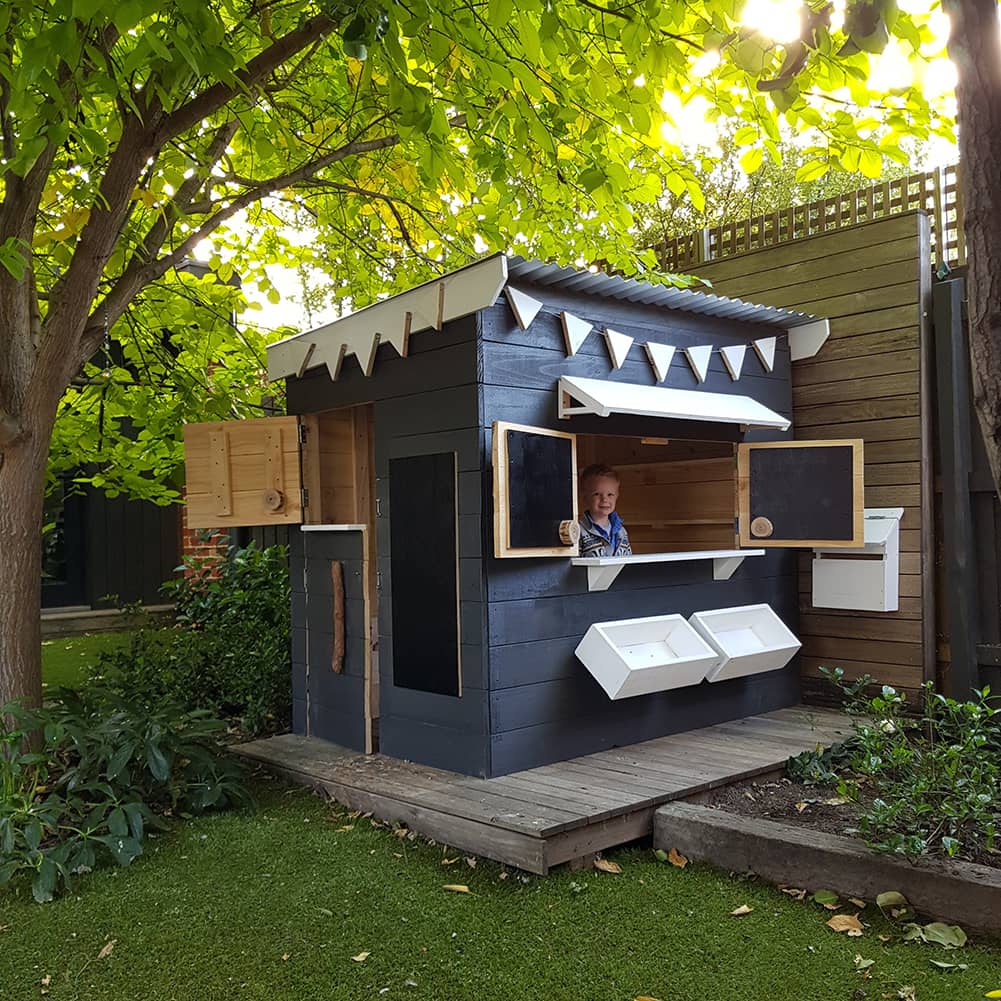
outdoor cubby
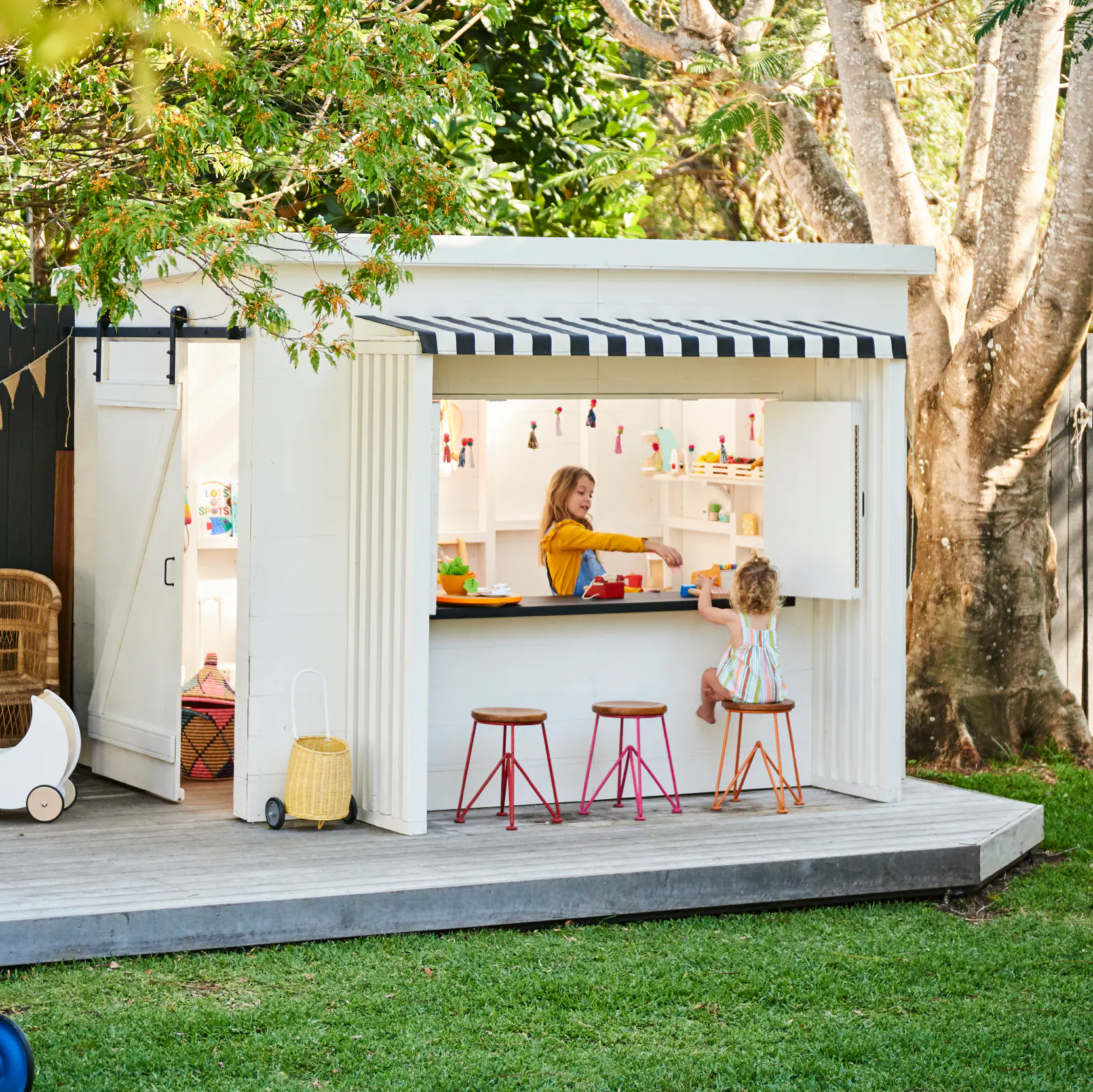
wooden cubby house
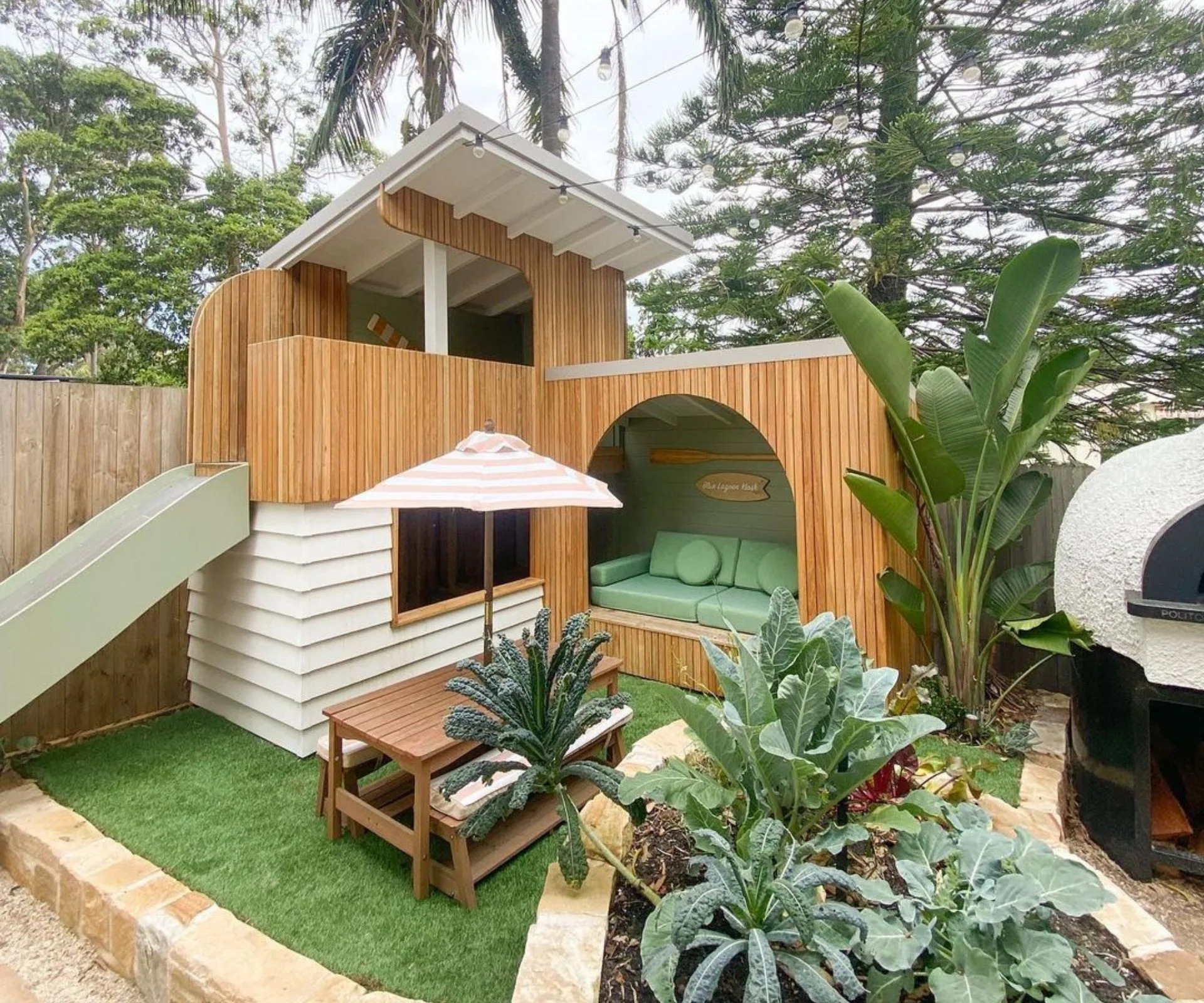
outdoor cubby house
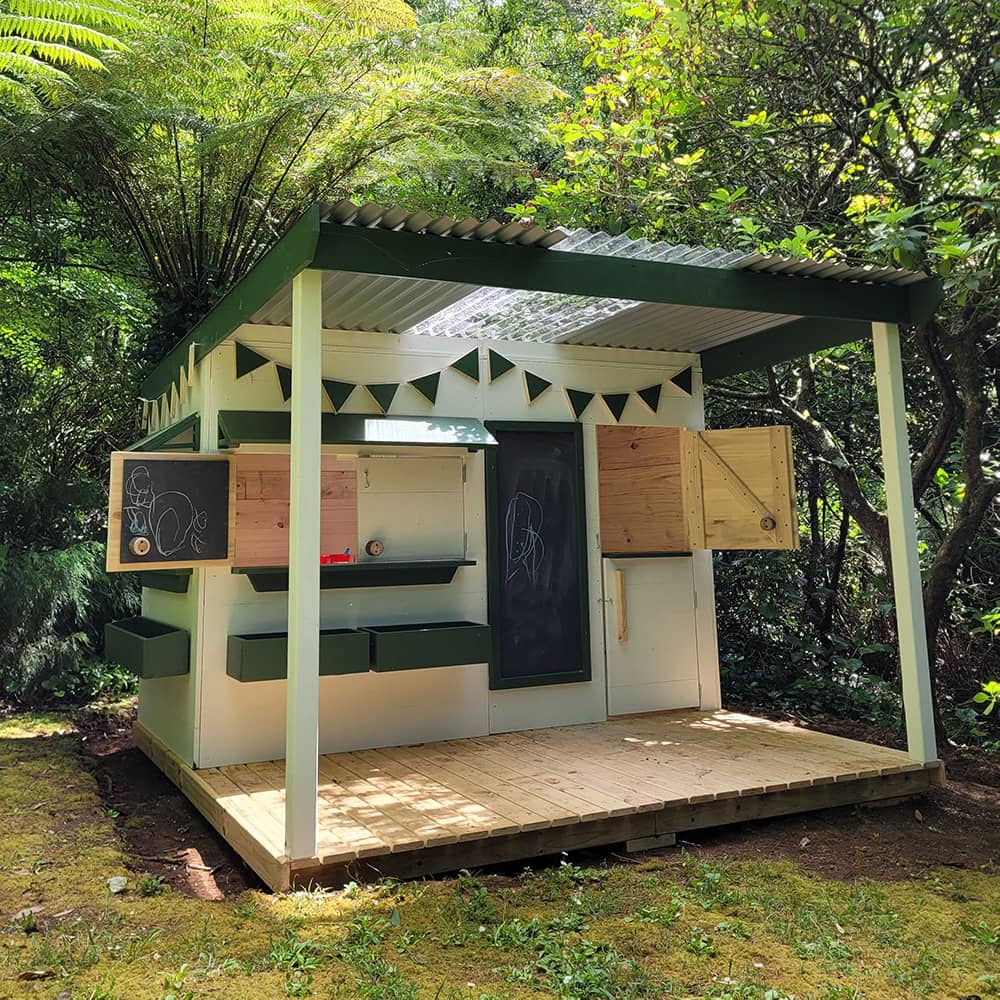
childrens cubby house