Is Cedar the Premium Choice for Rot Resistance in Cubby Houses?
When it comes to selecting the perfect material for a long-lasting childrens cubby house, durability against the elements is a top priority. Among the various options, cedar wood consistently emerges as a premium contender, renowned for its natural ability to withstand decay. But is cedar truly the ultimate choice for rot resistance in outdoor cubby house construction, and what makes it stand out in a market filled with alternatives like pressure-treated pine? This in-depth analysis explores why cedar remains the gold standard for parents seeking a safe, beautiful, and enduring wooden cubby house for their backyard.
Cedar, particularly Western Red Cedar, is celebrated not just for its warm aesthetic but for its built-in biological defenses. The key to its longevity lies within its cellular structure, which contains natural oils and phenolic compounds that act as powerful preservatives. These substances make the wood highly resistant to moisture absorption, fungal decay, and insect infestation—the primary enemies of any outdoor cubby structure. This inherent resistance means a cedar cubby house can thrive for decades with minimal chemical treatment, offering a compelling blend of sustainability and performance.
The Science Behind Cedar's Natural Defense
Unlike pressure-treated woods, which rely on industrial chemicals to repel rot, cedar’s protection is organic. Its low density and unique cell structure create a natural barrier against water, preventing the sustained dampness that leads to wood rot. Furthermore, the aromatic oils in cedar, such as thujaplicins, are toxic to decay-causing fungi and wood-boring insects. This built-in defense system allows a wooden cubby house made from cedar to age gracefully, developing a distinguished silvery-gray patina if left untreated, without compromising its structural integrity. For parents concerned about their children’s prolonged contact with play surfaces, this natural resistance offers significant peace of mind, reducing the need for frequent chemical re-treatments.
Comparative Durability: Cedar vs. Pressure-Treated Pine
While pressure-treated pine is a popular, cost-effective option for outdoor cubby house projects, its rot resistance is engineered rather than innate. The treatment process forces preservatives into the wood, providing robust protection, but this protection can diminish over time, especially in areas of high moisture or physical wear. Pressure-treated wood often requires regular resealing with safe, non-toxic finishes to maintain its barrier, adding to long-term maintenance.
In contrast, a cedar cubby house offers a more consistent and long-lasting defense from within. Its resistance is uniform throughout the timber, not just a surface coating. This results in a structure that is less prone to warping, cracking, or splintering over time—a crucial safety feature for any childrens cubby house. While the initial investment in cedar is higher, its longevity and reduced maintenance needs often translate to better value over the life of the structure.
Beyond Rot Resistance: The Holistic Benefits of Cedar
Choosing cedar for a cubby house extends beyond just fighting decay. Its advantages are multifaceted:
Aesthetic Versatility: Cedar’s rich color and straight grain provide a timeless, high-end look that enhances any garden. It can be easily stained to maintain its hue or left to weather naturally into a beautiful silver.
Thermal Insulation: Cedar has excellent insulating properties, keeping the interior of the outdoor cubby cooler in summer and more temperate in winter compared to metal or plastic alternatives.
Lightweight Strength: Despite its durability, cedar is relatively lightweight, making it easier to work with for DIY projects while still providing a sturdy, safe frame for active play.
The Verdict: A Premium Investment for a Legacy Playhouse
For families asking, “What is the best material for a lasting wooden cubby house?” cedar presents a compelling case. Its superior natural rot resistance, coupled with its aesthetic appeal, safety, and environmental profile, justifies its status as a premium choice. It is the ideal selection for parents who view a cubby house not as a temporary toy, but as a foundational piece of childhood—a legacy structure meant to host years of imaginative adventures.
When evaluating materials for an outdoor cubby house that must withstand rain, sun, and seasons of lively play, cedar’s organic durability is unmatched. It offers a harmonious blend of nature’s engineering and practical longevity, ensuring that your childrens cubby house remains a safe, sturdy, and enchanting retreat for generations. Investing in cedar is more than a purchase; it’s a commitment to quality, safety, and timeless backyard magic.
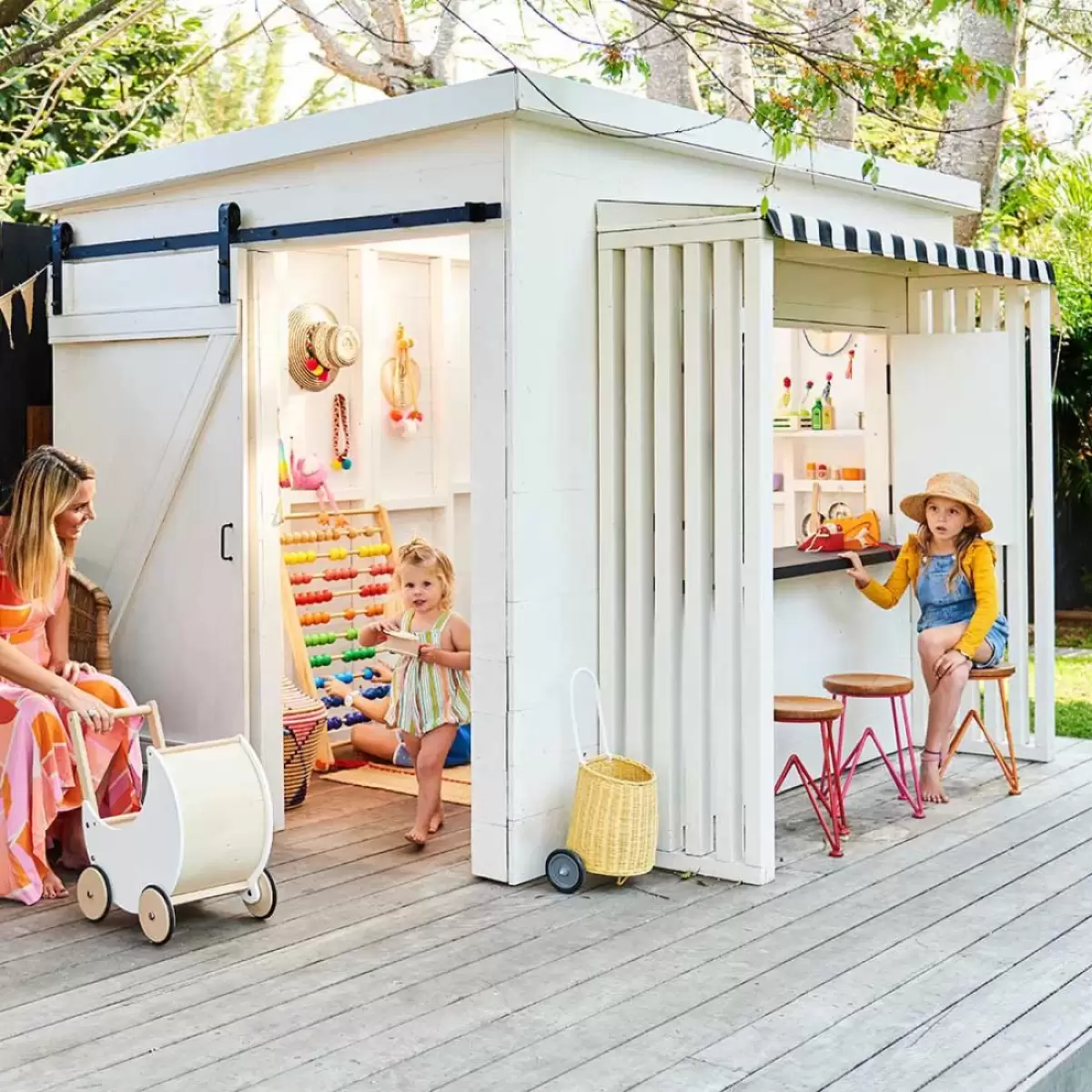
outdoor cubby
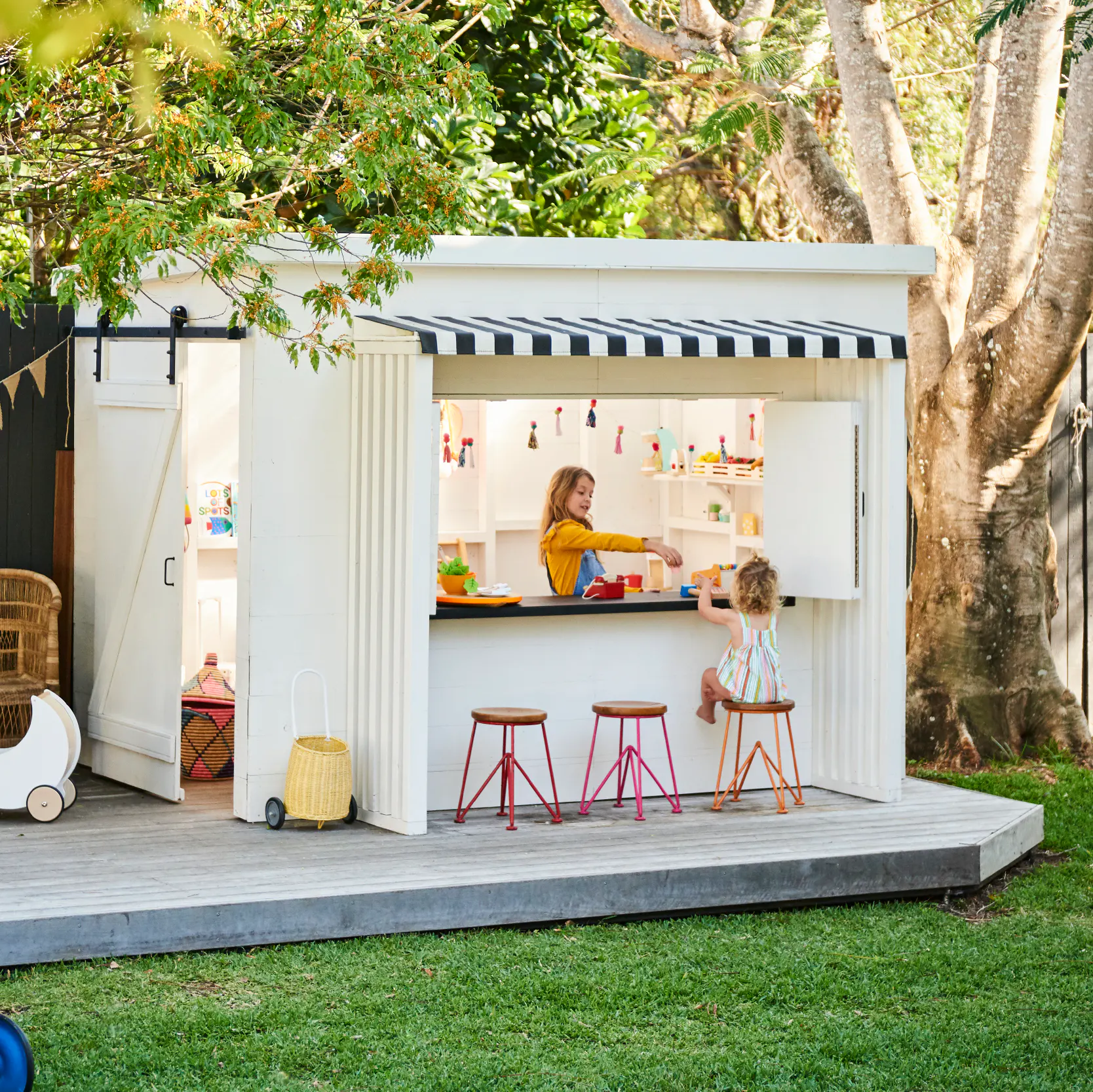
wooden cubby house
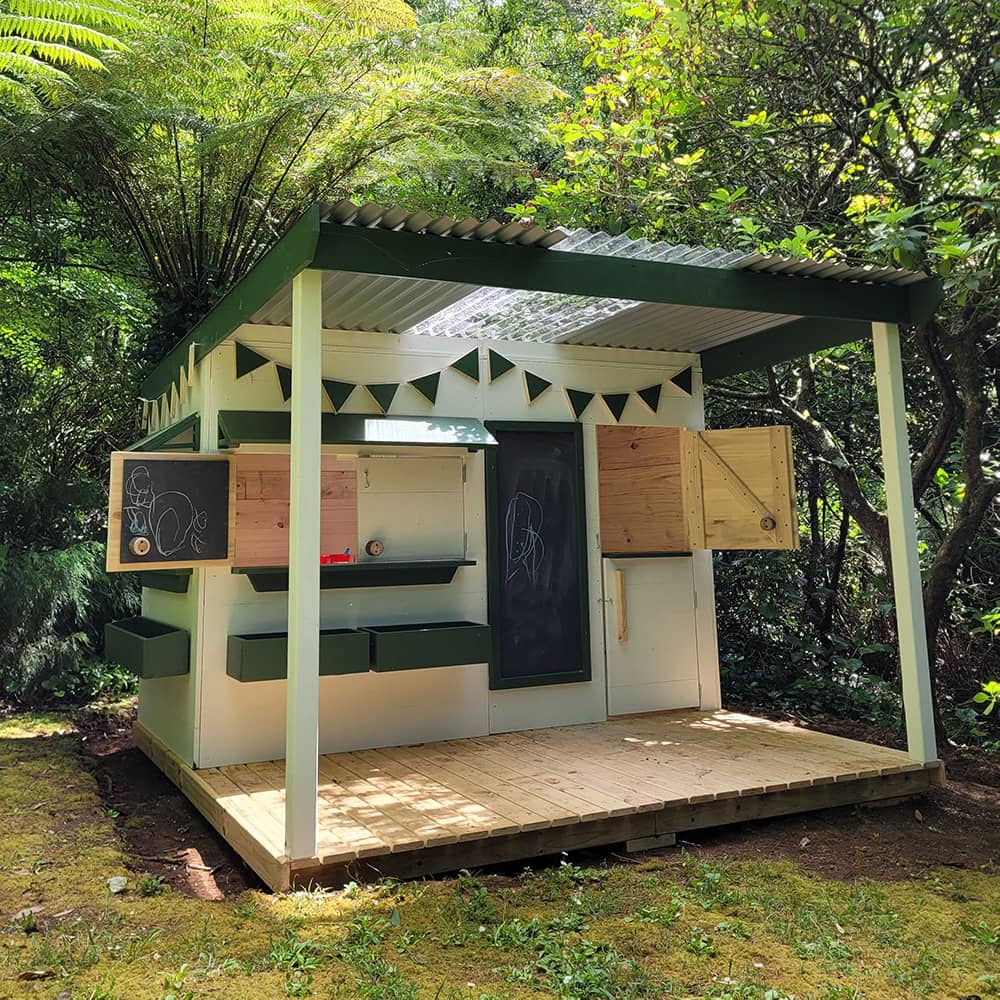
outdoor cubby house
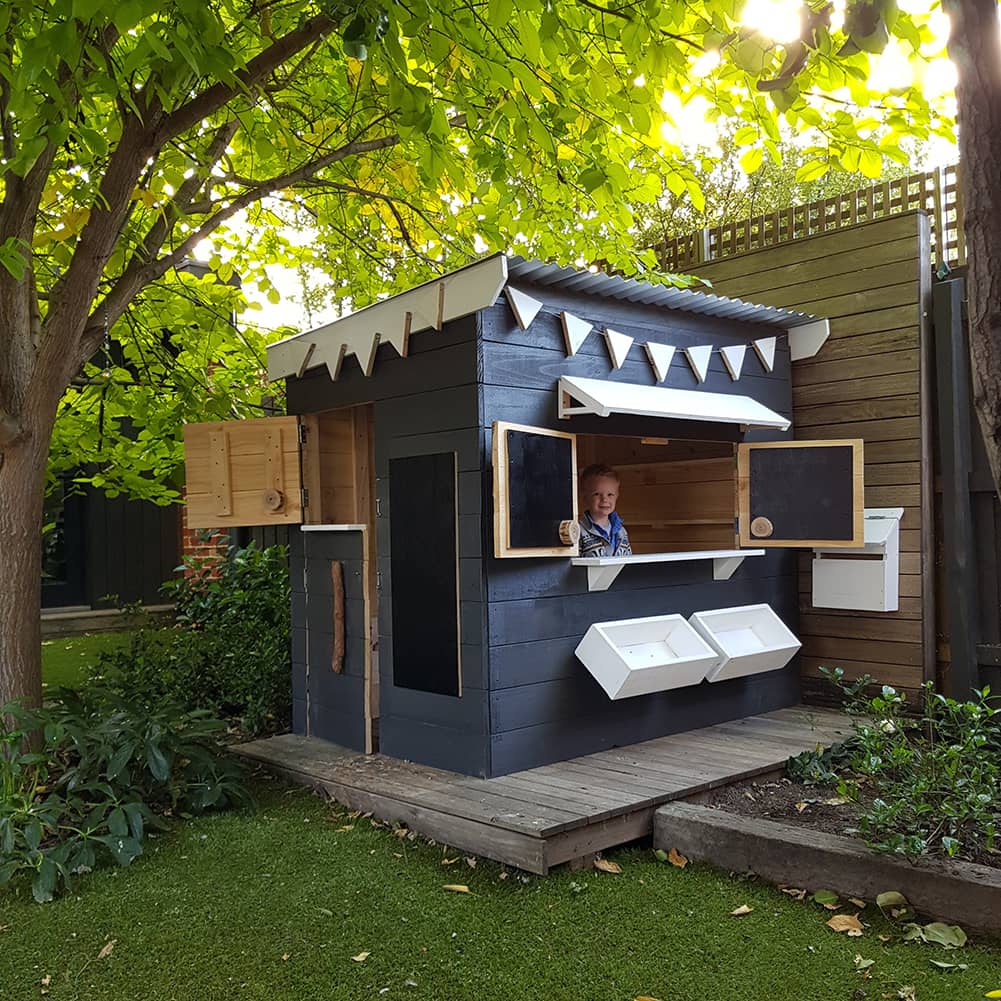
childrens cubby house