What‘s the Best Wood for a Cubby House? A Guide to Choosing the Right Timber
When embarking on the journey to build or buy a wooden cubby house, the choice of timber is arguably the most critical decision you will make. It determines not only the structure's aesthetic charm and longevity but also its safety, maintenance needs, and overall value. With various species available, from the aromatic cedar to the sturdy treated pine, parents and DIY enthusiasts often ask: What is the absolute best wood for constructing a durable and safe childrens cubby house? The answer depends on balancing key factors: natural durability, resistance to decay and insects, ease of maintenance, and, of course, budget.
Selecting the ideal timber for your outdoor cubby house is about understanding how different woods perform under the stresses of weather and active play. Let’s examine the top contenders and their unique properties to help you make an informed choice for your backyard sanctuary.
1. Western Red Cedar: The Premium Natural Choice
Often regarded as the gold standard for premium outdoor cubby structures, Western Red Cedar is a top-tier choice for several compelling reasons.
Natural Durability: This wood contains natural oils and tannins that make it highly resistant to rot, decay, and insect infestation without the need for chemical treatment.
Dimensional Stability: It is less prone to swelling, warping, and checking compared to many other softwoods, ensuring your wooden cubby house remains sturdy and its joints tight over time.
Aesthetic Appeal: With its warm, rich color that gracefully weathers to a distinguished silvery-gray, cedar offers timeless beauty. It is also easy to stain or seal if you wish to preserve its original hue.
Consideration: Its premium qualities come with a higher price tag, making it an investment choice for a long-term childrens cubby house heirloom.
2. Pressure-Treated Pine: The Cost-Effective Workhorse
Pressure-Treated (PT) Southern Yellow Pine is the most common and economically accessible wood for cubby house construction, offering excellent performance when properly maintained.
Engineered for the Outdoors: The wood is impregnated with preservatives under high pressure, forcing protective chemicals deep into the grain. This process grants it strong resistance to rot, decay, and termites, making it ideal for ground contact.
Strength and Affordability: PT Pine is strong, readily available, and significantly more budget-friendly than cedar. It provides a solid, safe frame for any outdoor cubby house.
Critical Consideration: It must be properly sealed. Initially, the wood can be damp and may contain chemicals not intended for direct, prolonged skin contact. It is imperative to let it dry thoroughly and then apply a high-quality, non-toxic, water-based sealant designed for children's play structures before use. Annual resealing is typically required.
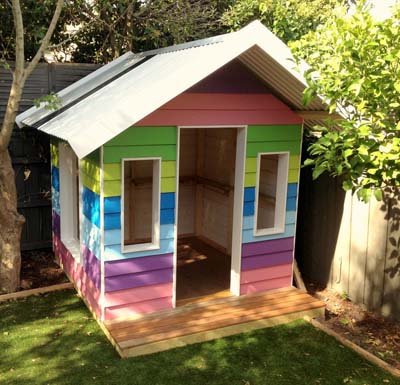
outdoor cubby
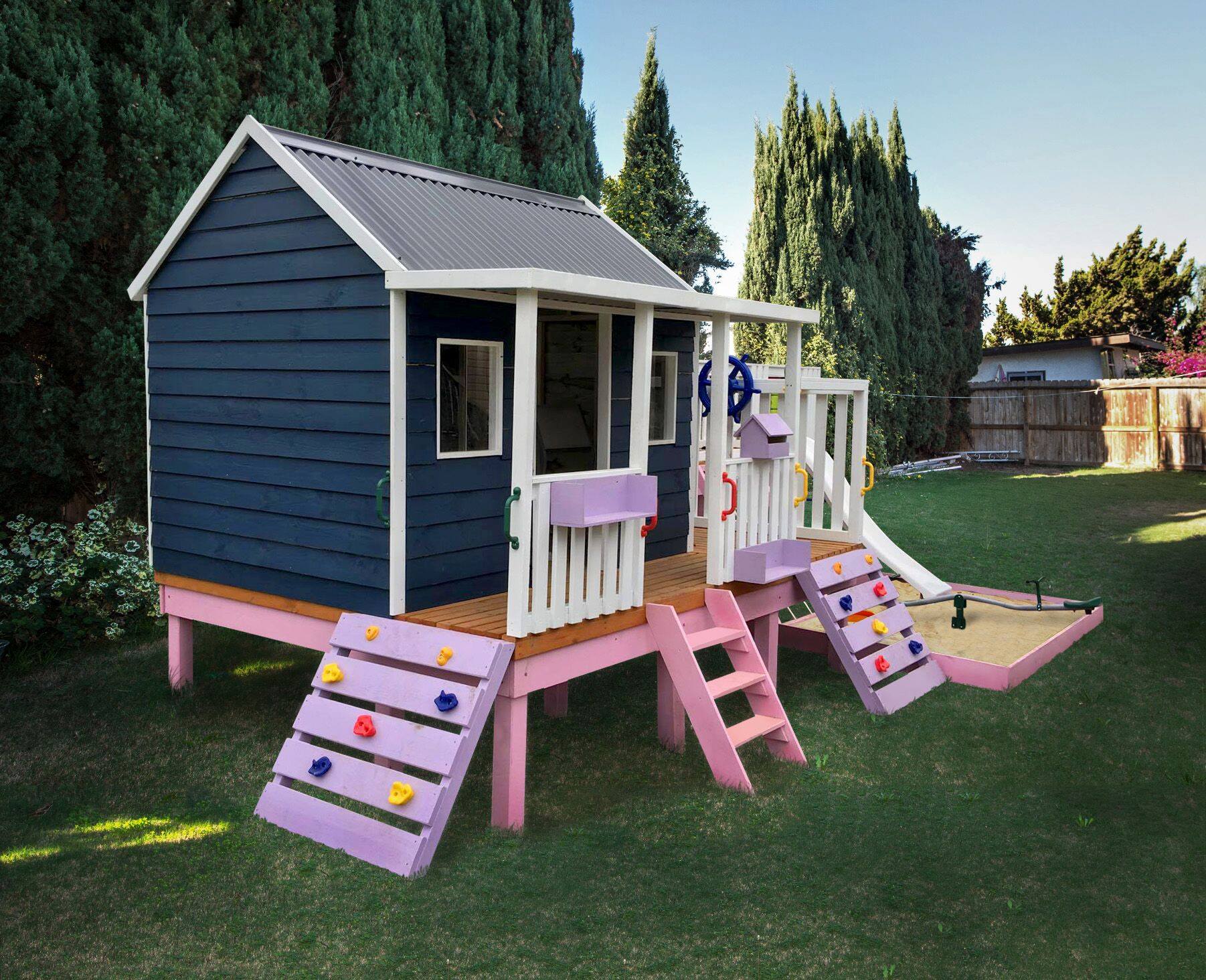
wooden cubby house
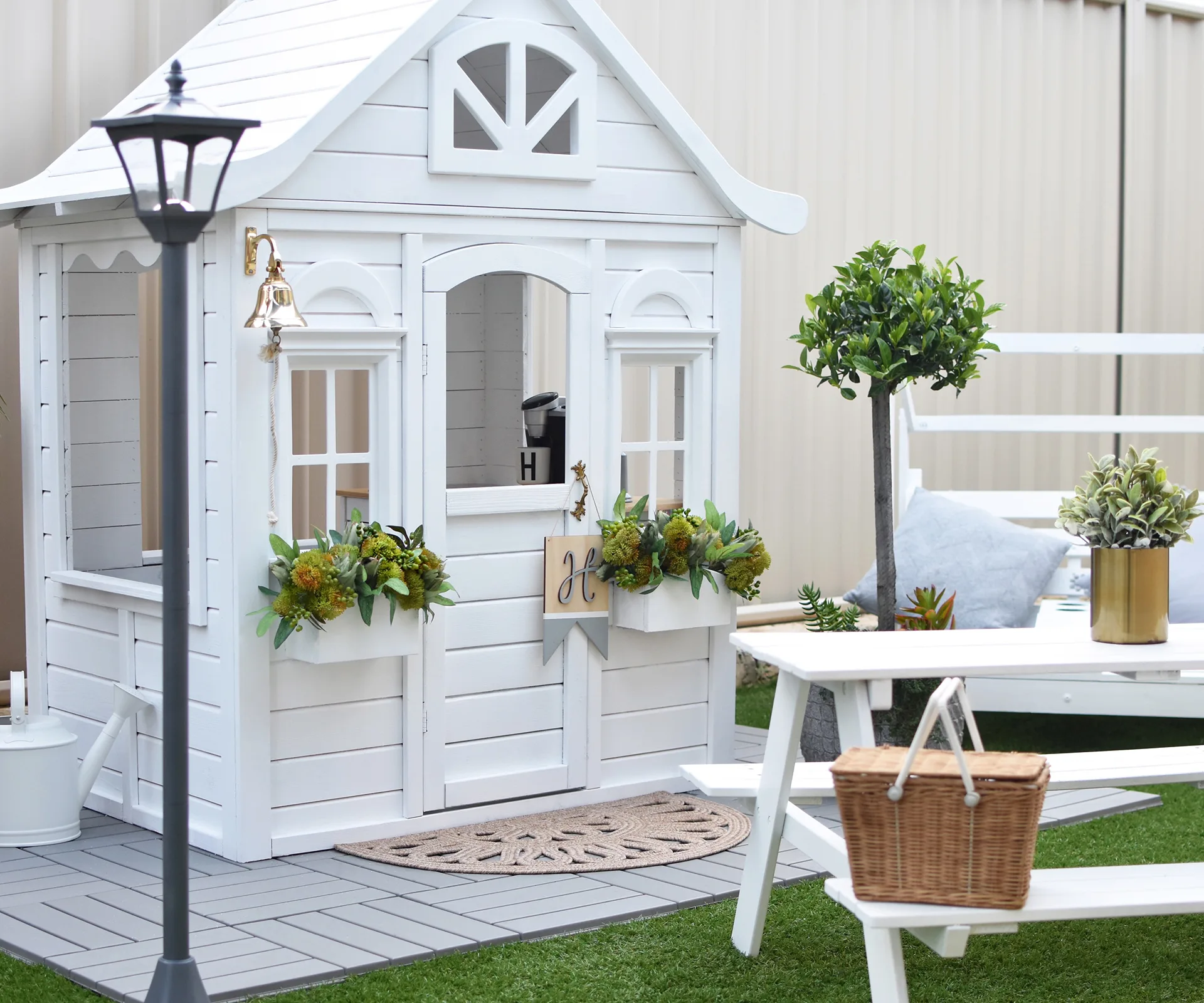
outdoor cubby house
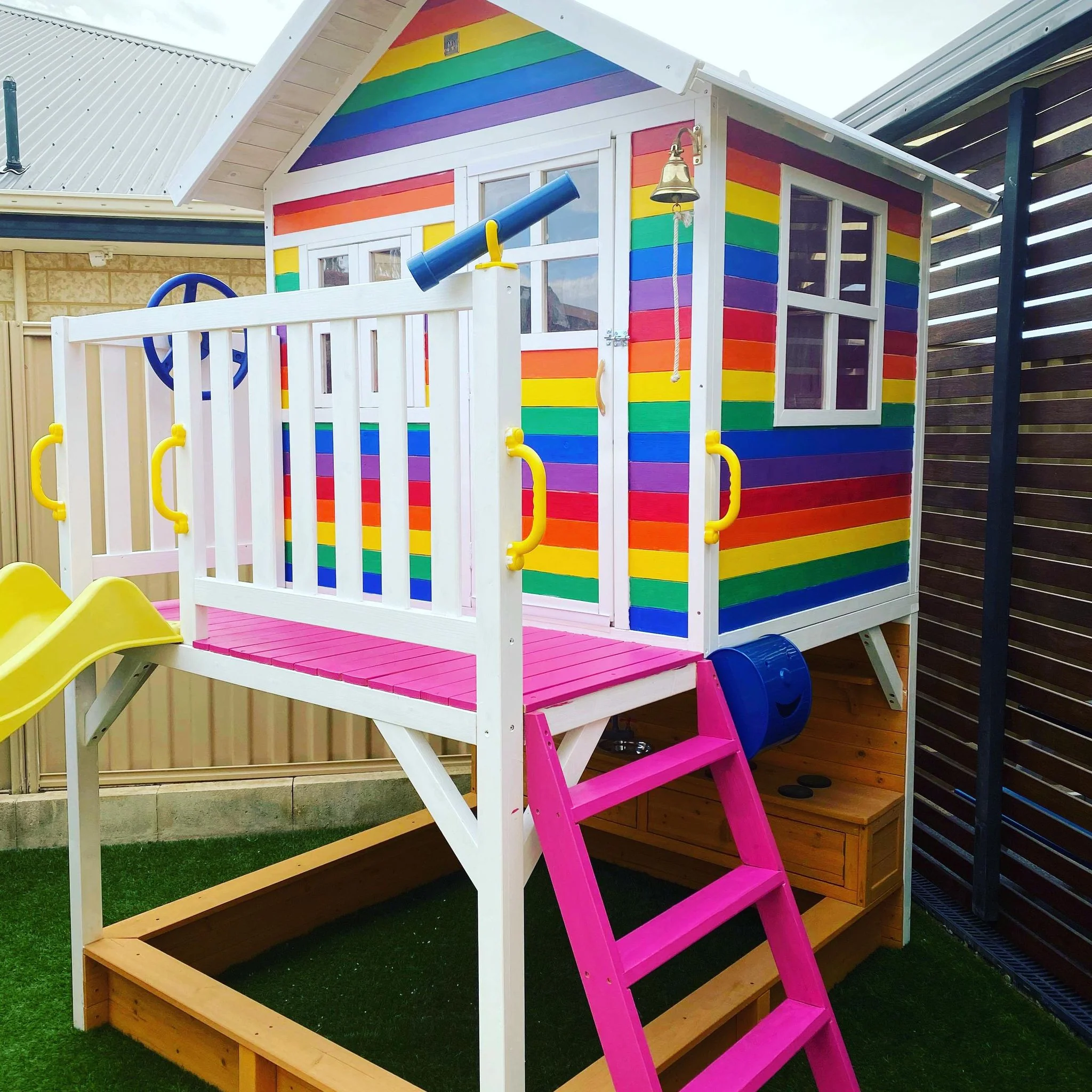
childrens cubby house
3. Redwood: The Durable Luxury Option
Similar to cedar, Redwood is another naturally durable softwood prized for high-end outdoor projects.
Superior Natural Resistance: Its heartwood (the inner, older wood) boasts exceptional natural resistance to moisture, insects, and decay.
Stability and Beauty: Redwood is stable, straight-grained, and possesses a beautiful color that weathers elegantly. It is less resinous than pine, making it cleaner to work with.
Consideration: Authentic, heartwood-grade redwood is often more expensive and less readily available than cedar, placing it in the luxury category for a wooden cubby house.
4. Cypress: The Underrated Contender
Often overlooked, Cypress is a durable domestic wood that performs well in humid, wet climates.
Rot Resistance: It contains natural cypressene, an oil that acts as a preservative, giving it good rot and insect resistance.
Workability: It is generally easy to work with and takes finishes well.
Consideration: Its availability can be regional, and it may not be as consistently durable as cedar or redwood in all climates.
The Verdict: Balancing Budget and Long-Term Vision
So, what is the best wood?
For a Low-Maintenance, Heirloom-Quality Investment: Choose Western Red Cedar. Its combination of natural durability, stability, and beauty makes it the best overall choice for a cubby house you want to last for decades with minimal chemical intervention.
For a Budget-Conscious, Durable Structure (with committed maintenance): Choose Pressure-Treated Pine. It offers excellent structural performance and value but requires a diligent commitment to sealing and upkeep to ensure a safe, long-lasting childrens cubby house.
Avoid: Standard, untreated construction-grade pine or spruce. These woods are not rot-resistant and will quickly degrade outdoors, becoming a safety hazard for an outdoor cubby house.
Final Essential Step: The Right Finish
Regardless of your choice, the final layer of protection is crucial. Always finish your wooden cubby house with a non-toxic, water-based sealant or stain specifically formulated for children's outdoor play equipment. This enhances the wood's weather resistance and provides a safe surface for play.
The "best" wood for your cubby house aligns with your priorities. Cedar stands out for its unmatched natural performance, while treated pine wins on practical affordability. By selecting the right timber and pairing it with safe, regular maintenance, you lay a solid foundation for a backyard fantasy world that is as safe and enduring as it is magical.
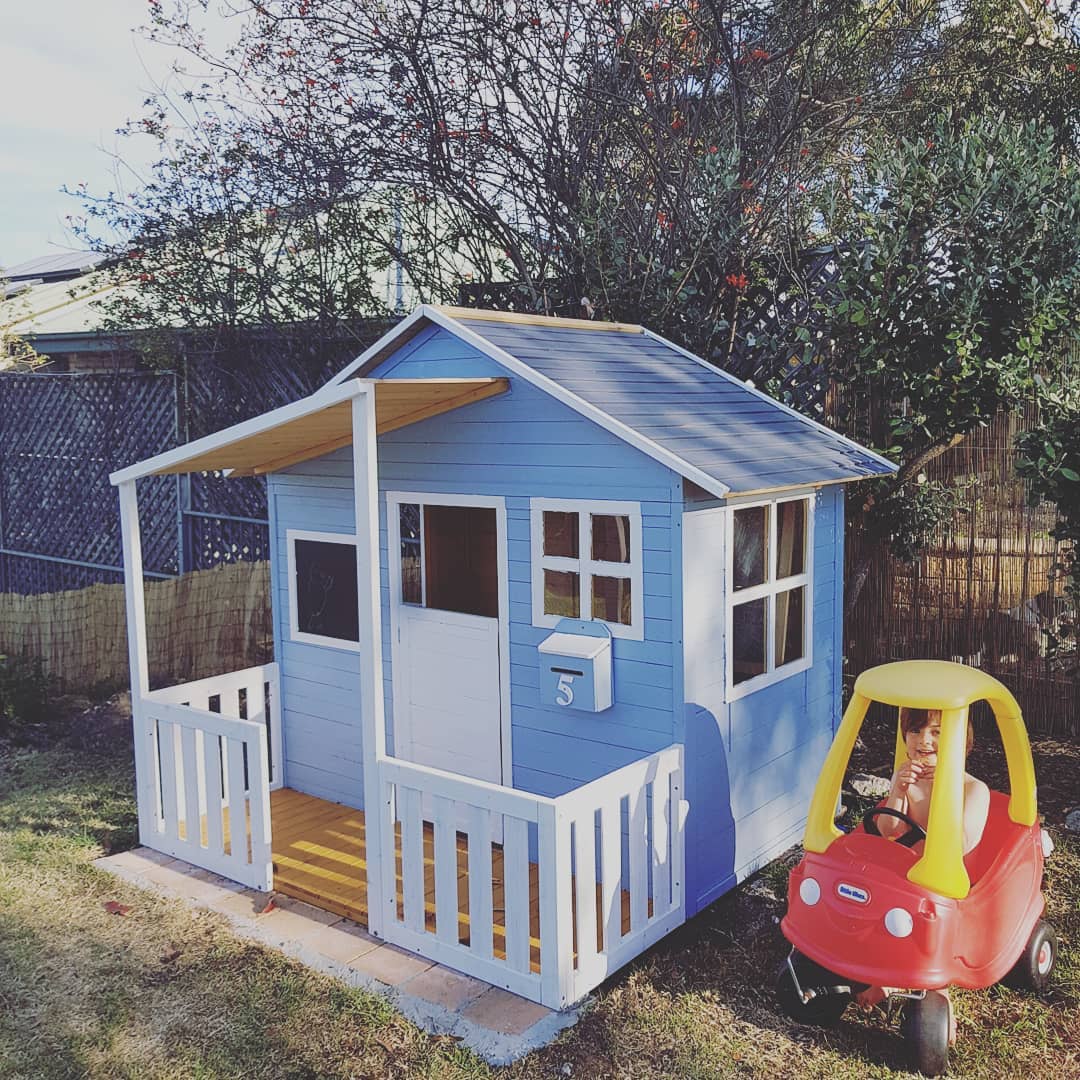
outdoor cubby
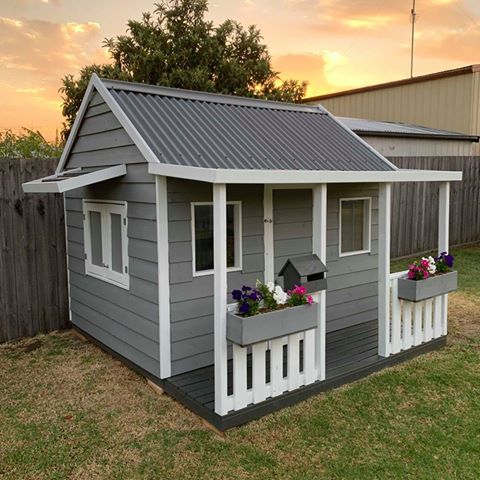
wooden cubby house
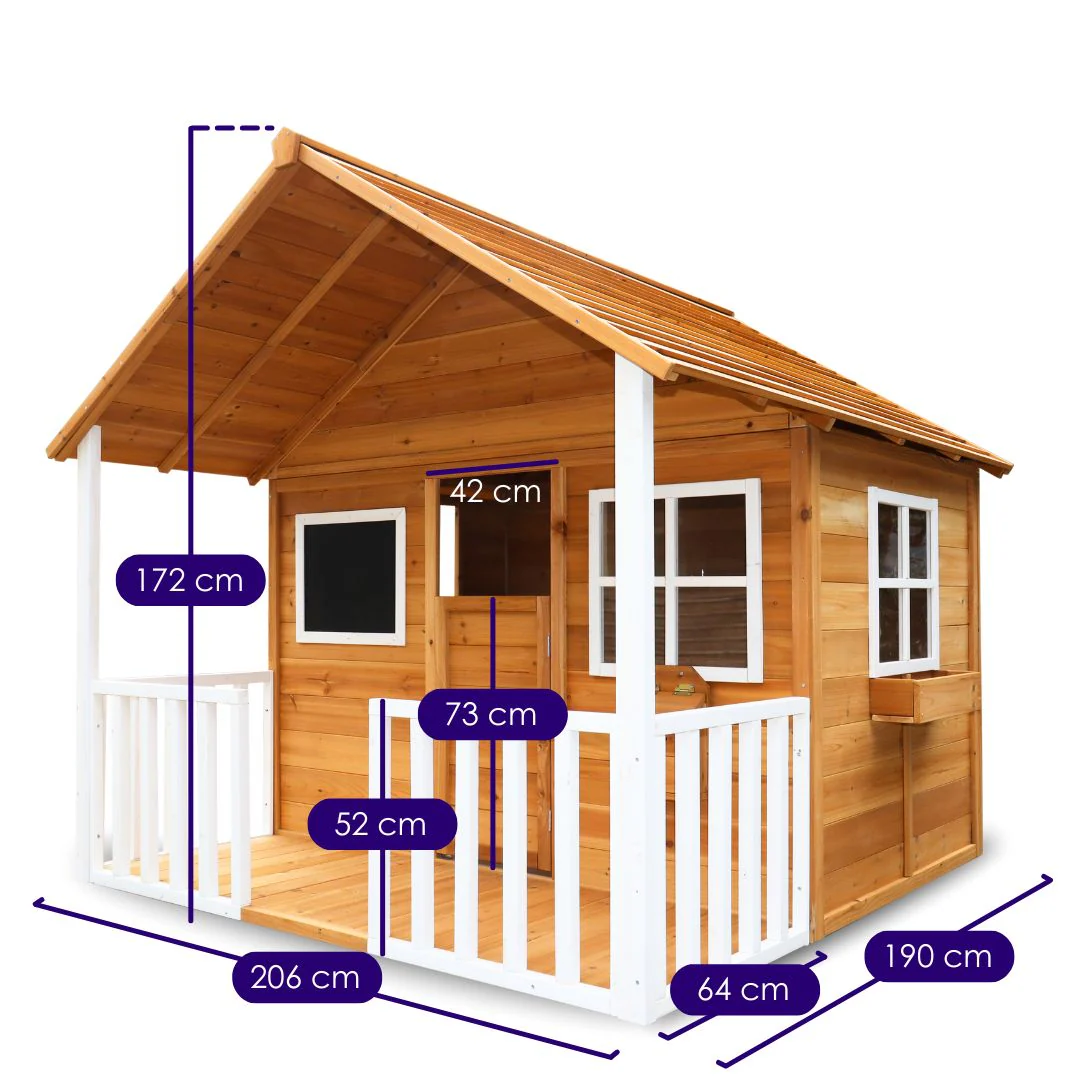
outdoor cubby house
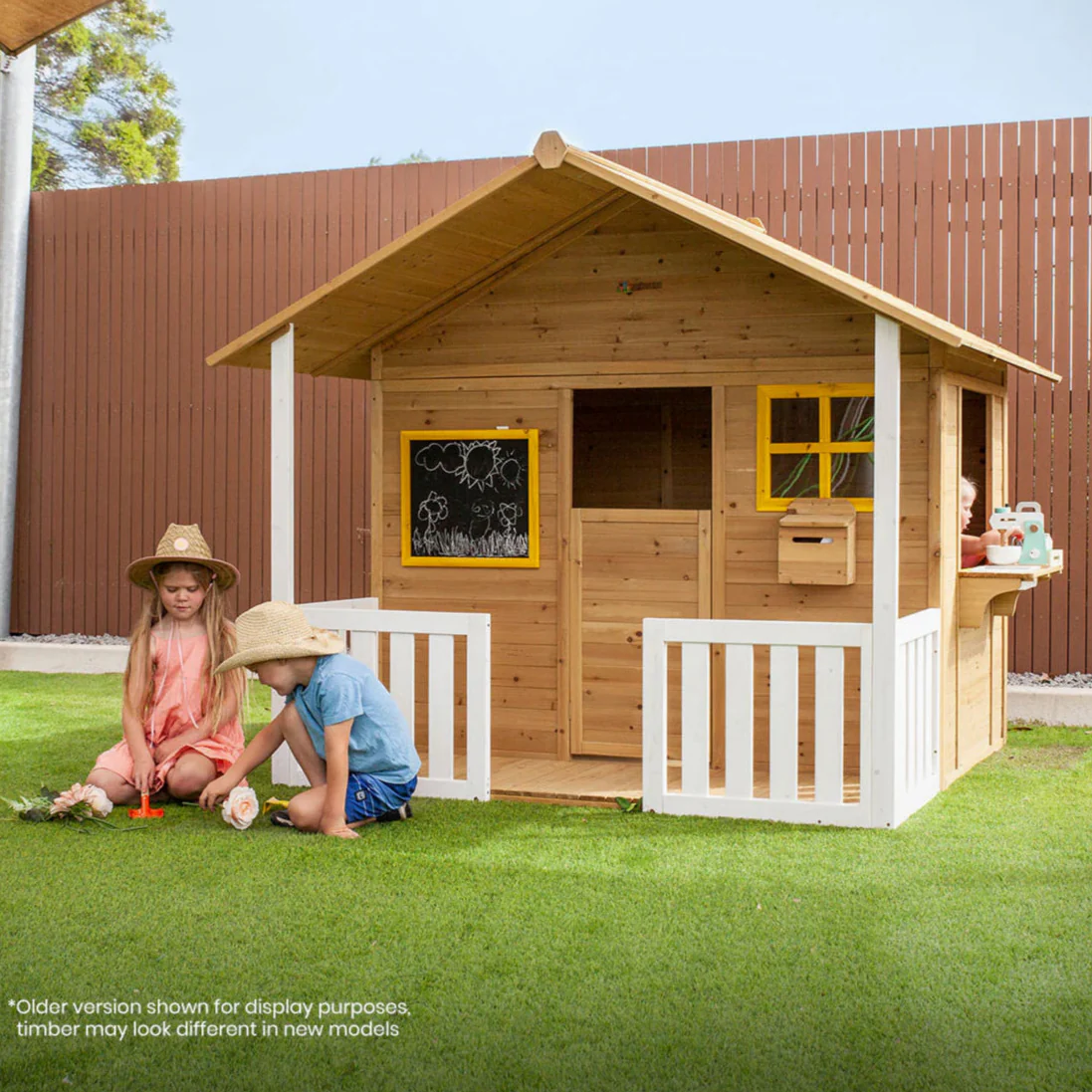
childrens cubby house