How Are Cities Updating Codes to Encourage Innovative Wooden Play Structures?
In urban landscapes where concrete often dominates, the sight of a whimsical wooden playhouse in a community park represents more than just child's play—it signifies a shift in municipal philosophy. Forward-thinking cities worldwide are re-examining and updating their building and park development codes to actively encourage innovative, nature-based play environments. This raises a critical question for urban planners and families alike: How are modern city regulations evolving to foster safer, more creative, and sustainable wooden play structures in public spaces?
Gone are the days of rigid, cookie-cutter metal and plastic playgrounds governed by overly restrictive rules. A new wave of urban policy is emerging, one that recognizes the developmental benefits of natural materials and imaginative design. This regulatory evolution is not about lowering safety standards, but about smartly adapting them to enable the construction of engaging outdoor wooden playhouse complexes that stimulate creativity, connect children with nature, and utilize sustainable materials.
From Prescriptive to Performance-Based: A Paradigm Shift in Safety Codes
The most significant change is a move from prescriptive codes to performance-based standards. Traditional codes might have dictated exact dimensions, limiting the organic shapes and unique features of a custom childrens wooden playhouse. Updated, performance-based frameworks focus on the outcome: ensuring a structure is safe from hazards like entrapment, falls, and protrusions. This allows designers and builders the freedom to create innovative structures—like a wooden wendy house with a living roof or a play fort with irregular, natural log climbers—as long as they rigorously prove the final design meets all critical safety performance thresholds through testing and professional certification.
Embracing Natural Materials and Sustainable Sourcing
Modernized codes are increasingly incorporating guidelines that promote environmental stewardship. This includes:
Material Specifications: Encouraging or even mandating the use of sustainably sourced, durable timber like cedar or redwood for play house wooden structures. Codes may reference certification systems like FSC (Forest Stewardship Council) for public projects.
Lifecycle and Durability Standards: Updated regulations consider the long-term resilience and maintenance needs of materials. This favors high-quality wooden playhouse designs that, with proper treatment, offer decades of service, reducing waste compared to shorter-lived plastic alternatives.
Integration with Landscaping: New guidelines often support blending play structures with the natural environment. This means a outdoor wooden playhouse can be built around existing trees, incorporate boulders, or include garden beds, moving beyond the old model of a fenced postage stamp of rubber mulch.
Encouraging Risk-Benefit Play and Inclusive Design
Progressive cities are updating codes to reflect contemporary child development research, which values manageable risk and sensory-rich play.
Risk-Benefit Assessment: Instead of eliminating all risk, new approaches encourage designs that offer graduated challenges—like varied climbing options on a wooden playhouse—allowing children to develop resilience and confidence within a managed environment. Codes are being refined to distinguish between genuine hazards and beneficial challenges.
Inclusive and Accessible Innovation: Beyond basic ADA compliance, new standards are pushing for creatively inclusive design. This might mean a childrens wooden playhouse with a ground-level "nature exploration" deck accessible to all, alongside more challenging upper levels, ensuring the social and imaginative benefits are shared.
Streamlining Permits for Pre-Certified, Quality Designs
To reduce barriers for communities and developers, some cities are creating fast-track permit pathways for wooden playhouse designs that use pre-approved, certified kits or components from reputable manufacturers. These kits have already been engineered and tested to meet stringent national safety standards (like ASTM F1487 or EN 1176), simplifying the local approval process and accelerating the installation of beautiful, safe play spaces.
The evolution of urban codes is quietly revolutionizing children's play. By adopting performance-based safety standards, promoting sustainable materials like wood, and embracing designs that support developmental needs, forward-thinking cities are doing more than updating rulebooks. They are actively shaping a more engaging public realm.
These policy shifts empower the creation of magical, bespoke wooden wendy house villages and intricate outdoor wooden playhouse complexes that capture the imagination. They signal that cities value play not as an afterthought, but as a vital component of community health, environmental education, and childhood joy. In doing so, they are laying the groundwork for a generation of public spaces where innovation is built into the very framework, one thoughtfully crafted play house wooden structure at a time.
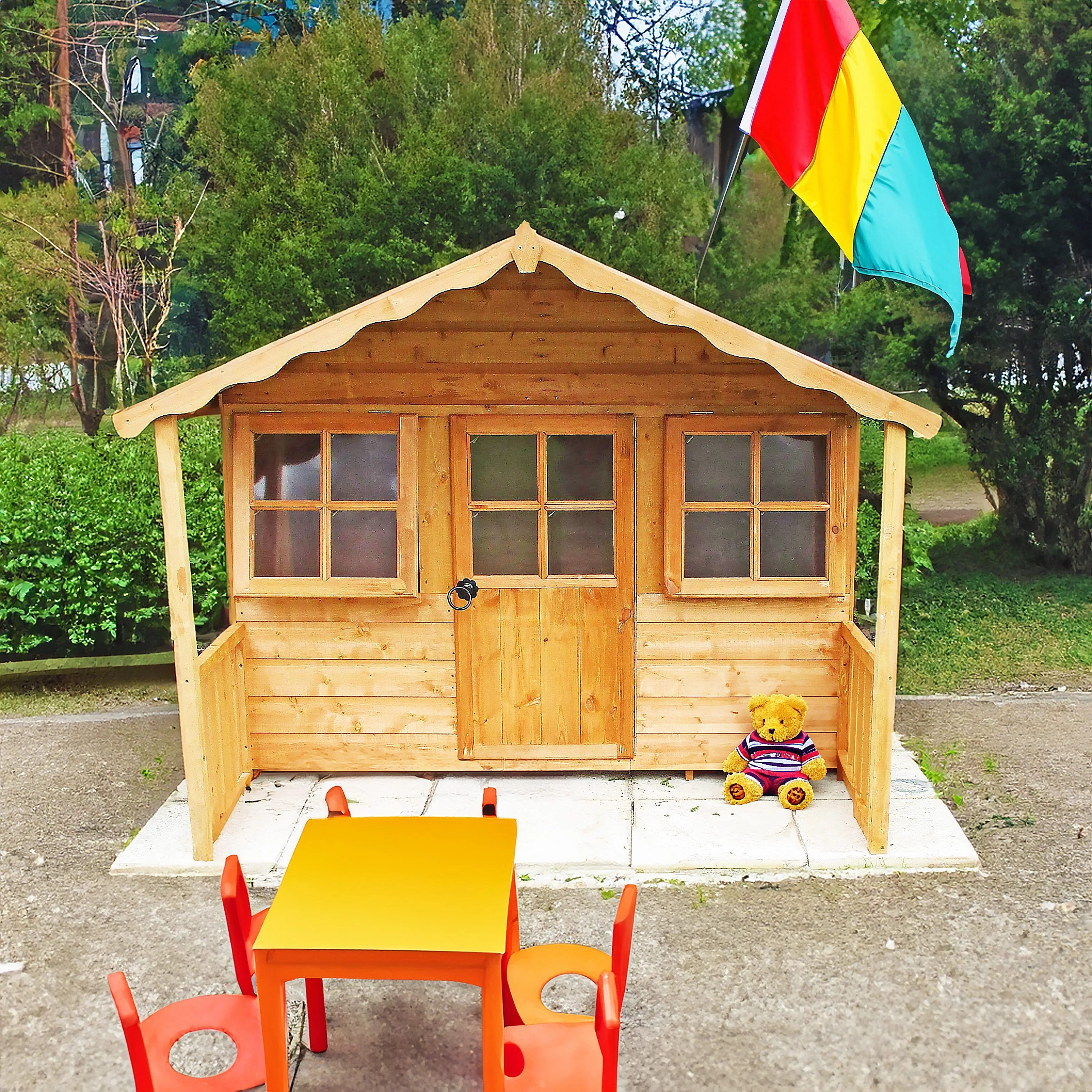
play house wooden
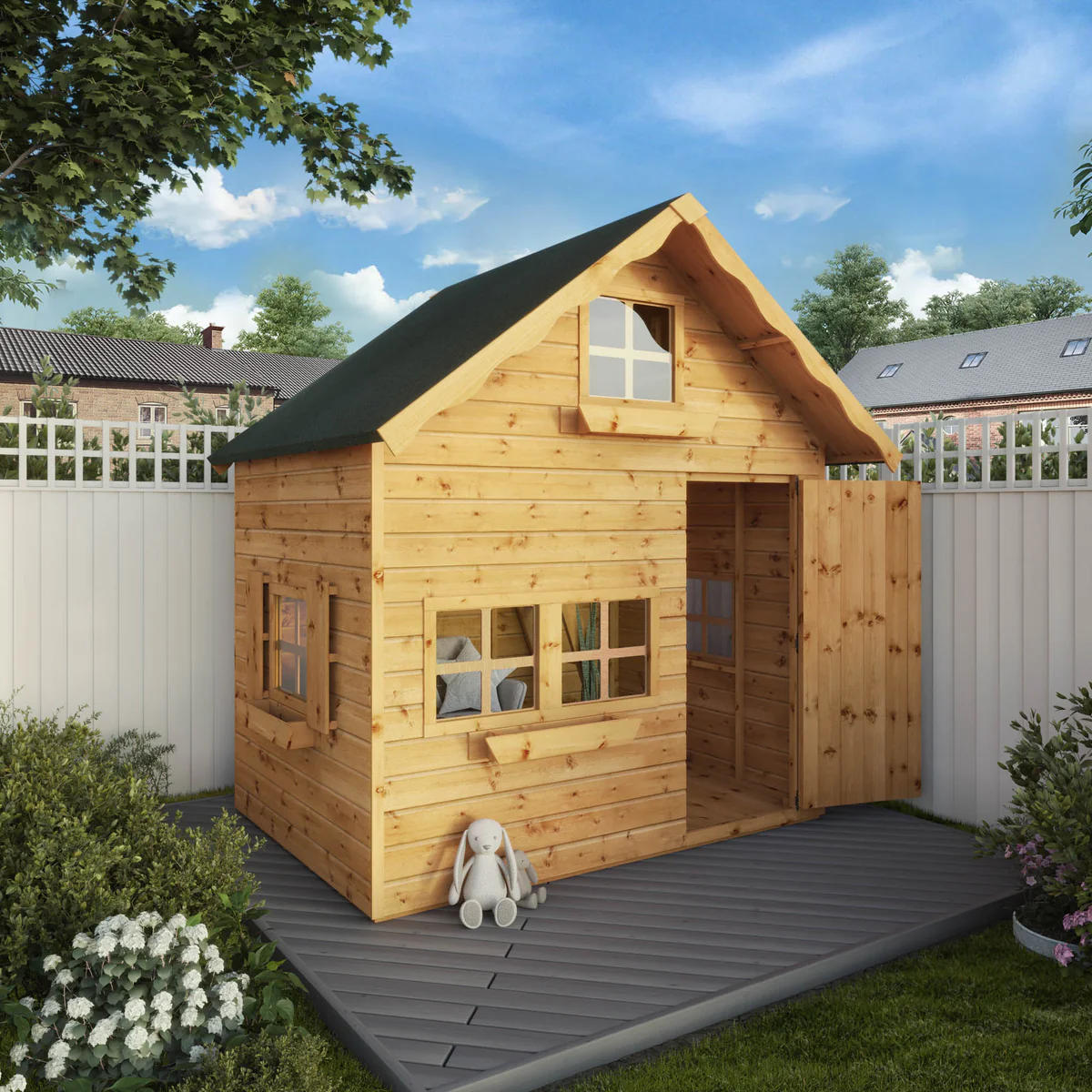
childrens wooden playhouse
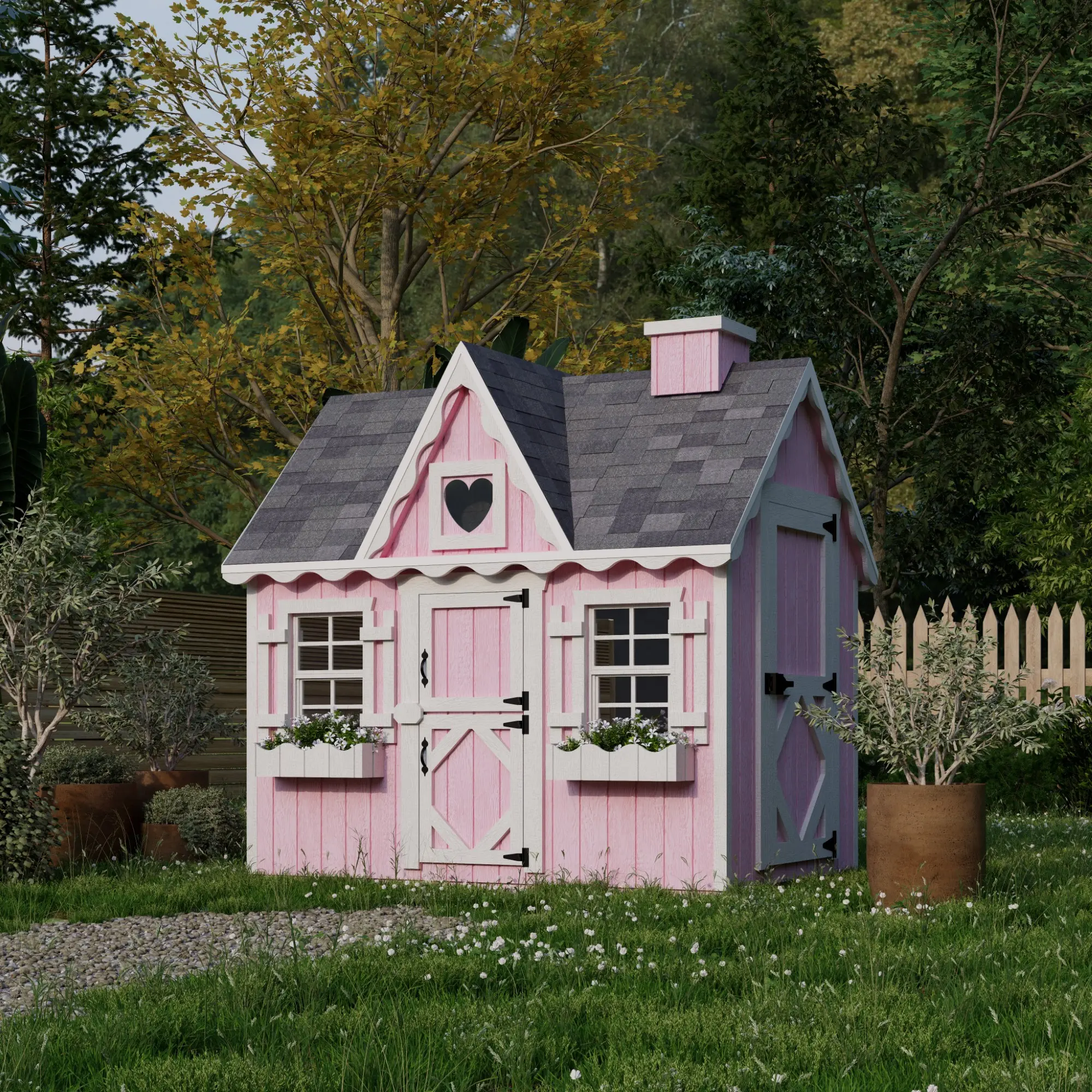
wooden wendy house
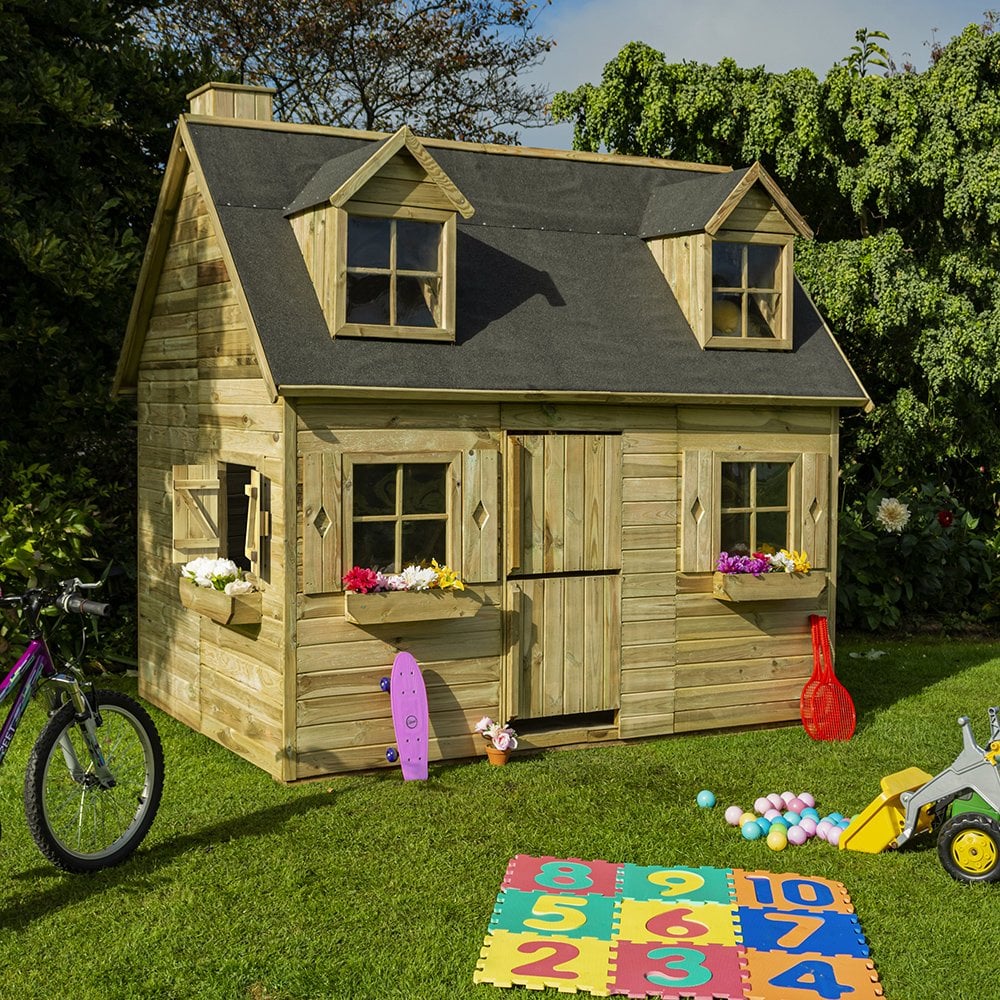
outdoor wooden playhouse