How Are Living Plant-Covered Playhouses Teaching Ecology and Cooling Cities?
In the quest to create more sustainable and educational urban environments, an innovative trend is taking root in parks, schools, and backyards: the living plant-covered playhouse wooden. These structures, far more than mere decorative garden features, represent a functional fusion of play, pedagogy, and urban climate strategy. This evolution of the classic childrens wooden playhouse prompts a vital question for communities and planners: How can greened, playful structures serve as dynamic tools for ecological education and urban cooling?
Moving beyond the traditional wooden wendy house, these innovative shelters integrate vegetation directly into their architecture. The roof and sometimes the walls are covered with a layer of soil and planted with hardy, low-growing sedums, grasses, or wildflowers. This "living skin" transforms a simple wooden playhouse into a thriving mini-ecosystem and a natural insulator, offering a tangible, interactive lesson in environmental science right where children play.
An Outdoor Classroom: Hands-On Lessons in Ecology
A plant-covered outdoor wooden playhouse functions as a living laboratory. Its design provides direct, experiential learning opportunities that textbooks cannot match.
The Water Cycle in Miniature: Children can observe how the green roof absorbs rainwater, slows runoff, and releases moisture back into the atmosphere through evaporation and transpiration. A simple, clear downspout can even show filtered water collection, demonstrating natural purification.
Biodiversity and Habitat Creation: The planted roof attracts pollinators like bees and butterflies, while its nooks and soil become micro-habitats for insects. A wooden playhouse thus becomes a station for observing local ecology, teaching children about food webs, pollination, and the importance of urban habitats for wildlife.
Photosynthesis and Plant Science: The very fact that the "walls" or "roof" are alive makes abstract concepts concrete. Children learn first-hand how plants use sunlight, water, and air to grow, directly connecting their play space to fundamental biological processes.
This hands-on engagement fosters environmental stewardship from a young age, making the childrens wooden playhouse a cornerstone of place-based ecological education.
A Natural Coolant: Mitigating the Urban Heat Island Effect
Beyond education, these structures deliver a practical climate benefit. The Urban Heat Island (UHI) effect, where cities become significantly warmer than surrounding rural areas due to human activities and heat-absorbing surfaces like asphalt and conventional roofs, is a growing concern.
A living roof on a wooden wendy house actively combats this effect through two key mechanisms:
Evapotranspiration: Plants cool their surroundings by releasing water vapor, a natural air-conditioning process. A cluster of such outdoor wooden playhouse structures in a park or schoolyard can create a perceptibly cooler microclimate.
Reduced Thermal Absorption: Unlike dark, conventional roofing materials that absorb and radiate solar heat, a vegetated roof reflects more sunlight and provides insulation. This keeps the interior of the play house wooden noticeably cooler in summer, making it a more comfortable retreat and reducing the need for energy-intensive cooling in adjacent buildings.
When adopted at scale—in public parks, schoolyards, and community gardens—these playful, green structures collectively contribute to lowering local ambient temperatures, improving air quality, and managing stormwater.
Design and Community Integration
The success of these projects lies in thoughtful design. A structural wooden playhouse frame must be reinforced to support the weight of wet soil and vegetation. The selection of drought-resistant, shallow-rooted plants (like sedum) ensures low maintenance and resilience. When communities are involved in the planting and care of these structures, the childrens wooden playhouse becomes a point of collective pride and responsibility, strengthening community bonds around a shared green asset.
The evolution of the wooden playhouse into a living, breathing ecosystem marks a significant shift in how we view play infrastructure. It is no longer a passive object but an active participant in urban ecology and education. These plant-covered shelters demonstrate that solutions to urban challenges like heat and disconnectedness from nature can be imaginative, joyful, and child-centered.
By investing in these innovative outdoor wooden playhouse designs, cities and families do more than build a play space. They cultivate a generation of ecologically literate citizens and create a network of small, green oases that collectively cool our neighborhoods. In this way, the humble wooden wendy house is reimagined as a vital piece of green urban infrastructure—proving that the future of resilient, livable cities might just be built, and grown, from the playground up.
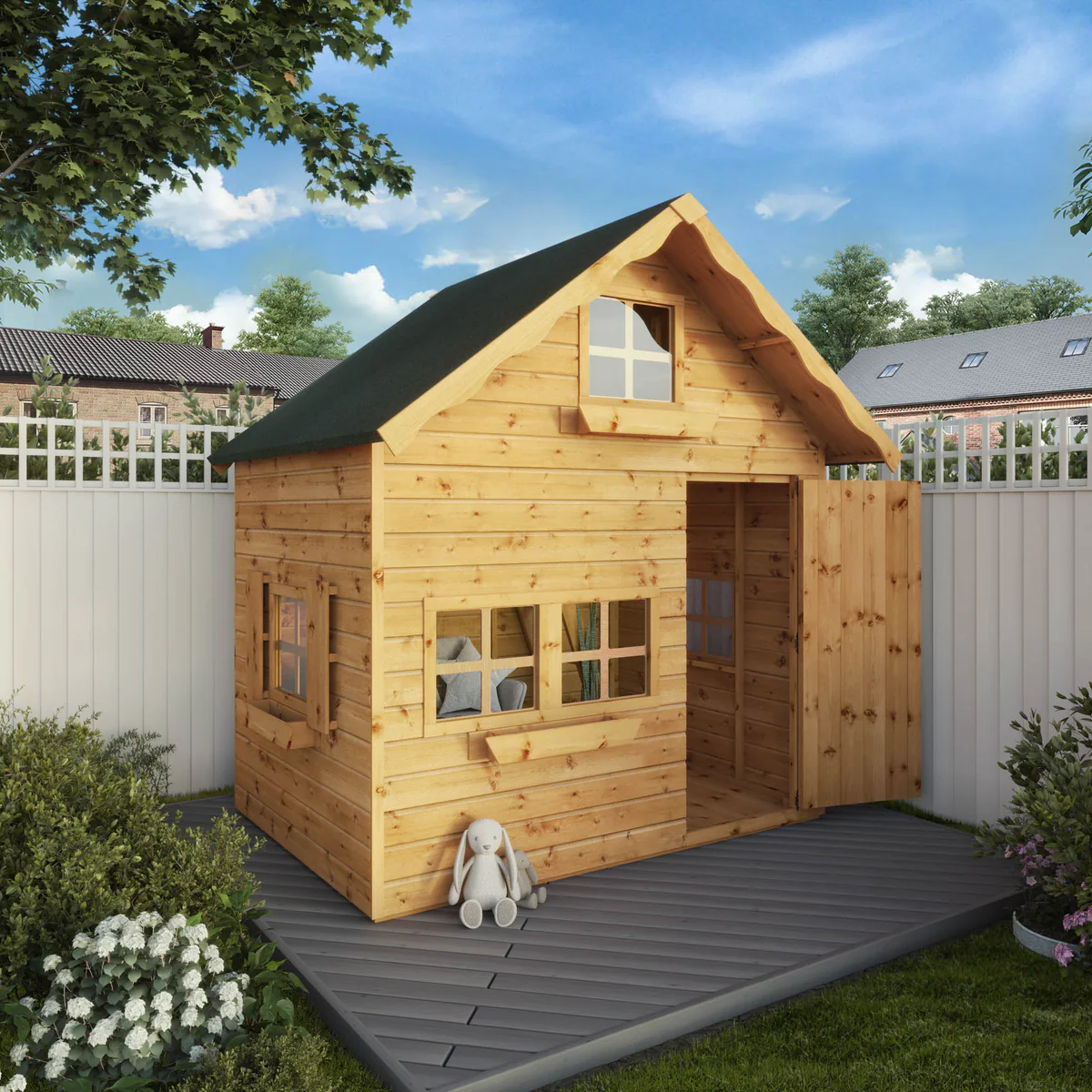
play house wooden
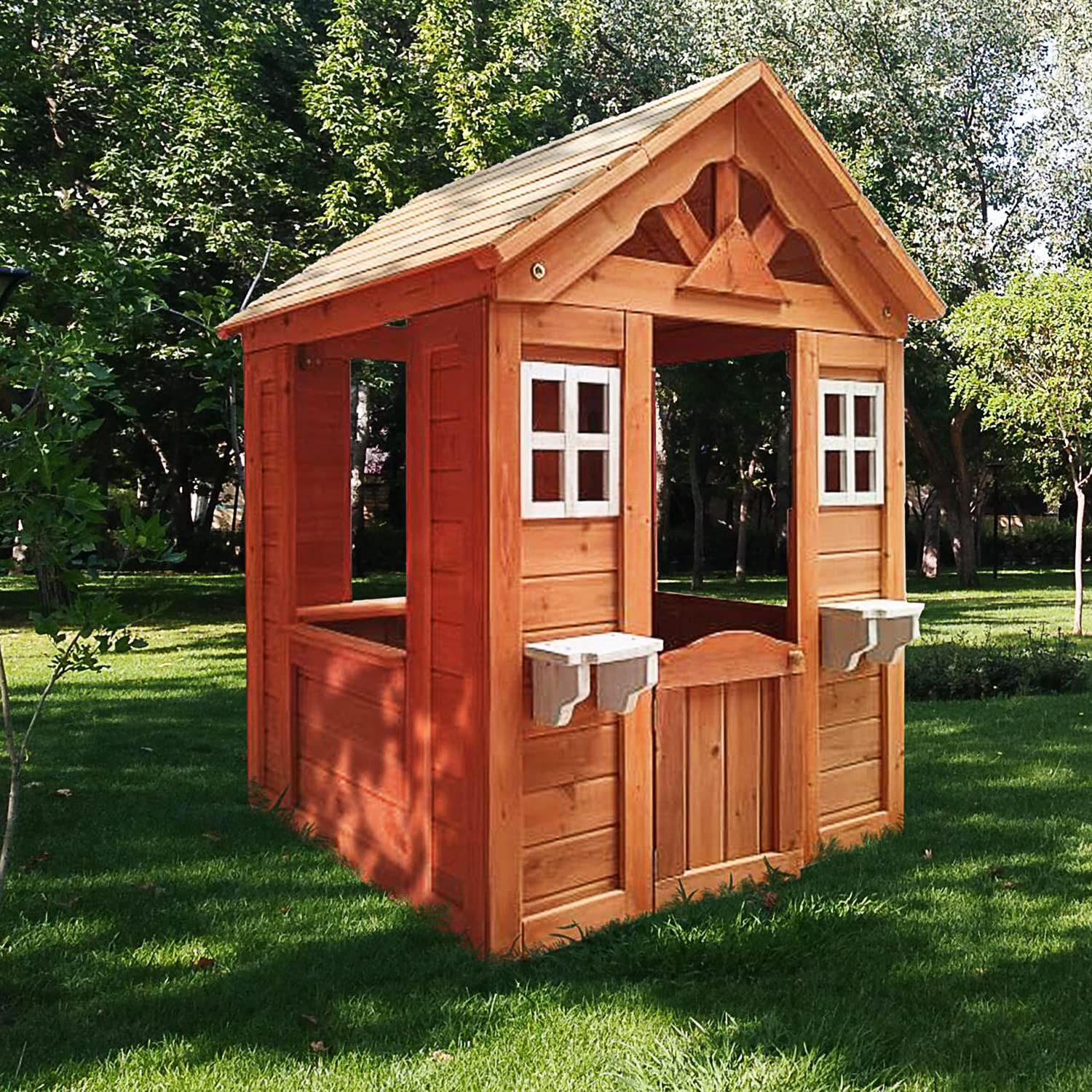
childrens wooden playhouse
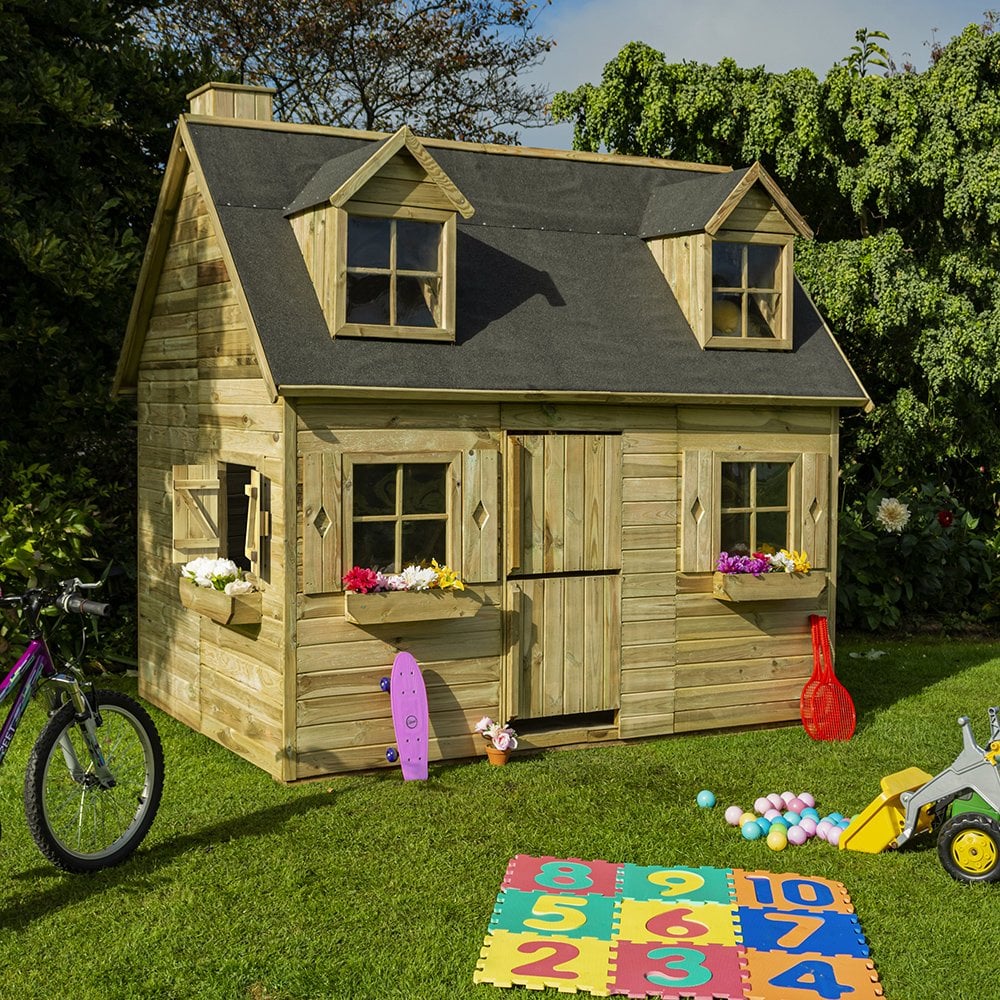
wooden wendy house
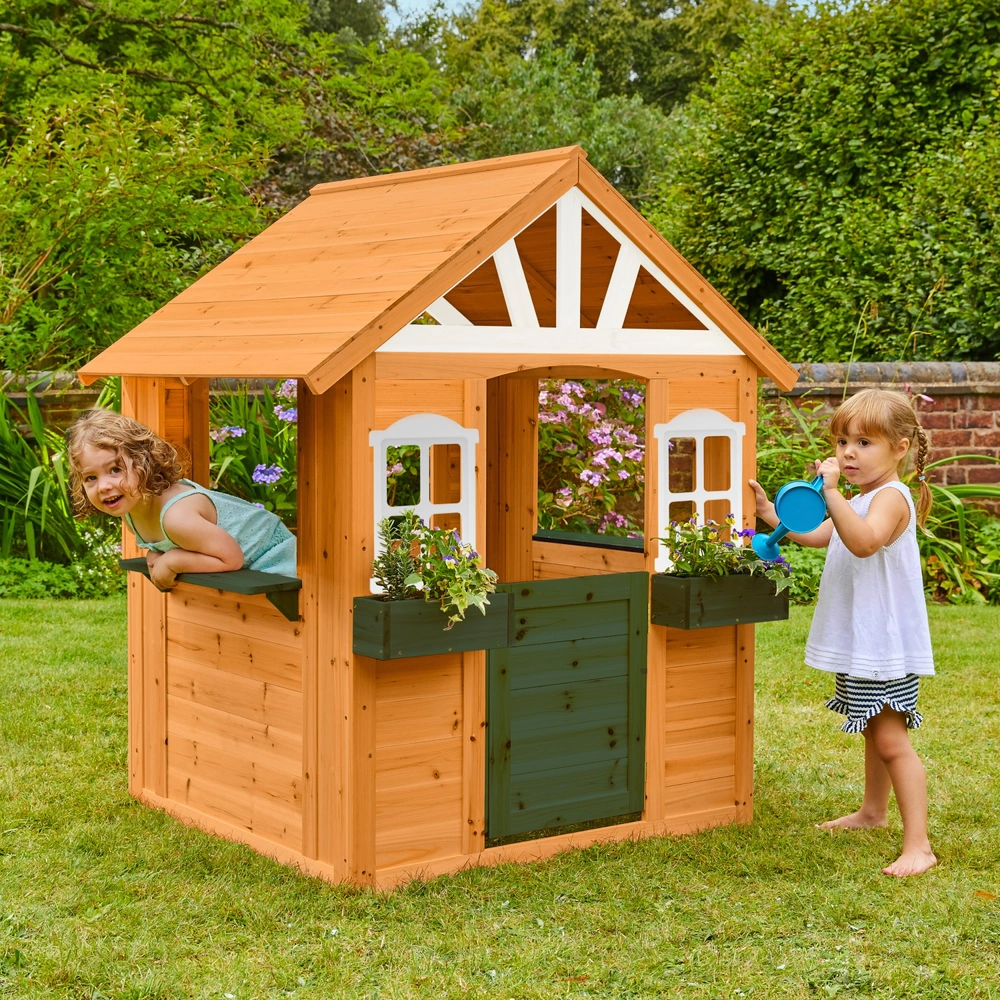
outdoor wooden playhouse