How to Select the Ideal Wooden Cubby House for Every Stage of Childhood
In the quest to create the perfect backyard play environment, parents often ask: "Does my child's age truly influence what type of cubby house I should choose?" The answer, according to child development experts and outdoor play specialists, is a resounding yes. Selecting an age-appropriate childrens cubby house is not merely about size or aesthetics—it is about matching a play structure to a child’s evolving physical abilities, cognitive needs, and social development, ensuring safety, engagement, and long-term value.
The Developmental Science Behind Play Structures
A cubby house is far more than a decorative backyard addition. "It functions as a 'play laboratory' where children experiment with roles, rules, and relationships," explains Dr. Elena Martinez, a developmental psychologist specializing in outdoor play. "An outdoor cubby that aligns with a child's developmental stage can significantly enhance motor skills, problem-solving abilities, and emotional resilience."
Research indicates that appropriately scaled and featured play environments reduce frustration and risk while maximizing creative engagement. A wooden cubby house designed with a child's age in mind becomes a tool for growth rather than just a container for play.
Age-Specific Guidelines for Choosing a Cubby House
1. Toddlers (Ages 1.5–3): Safety and Sensory Exploration
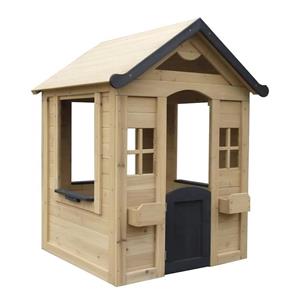
For the youngest children, the primary considerations are safety, visibility, and sensory stimulation. An ideal outdoor cubby house for this age group is low to the ground, with wide openings, minimal internal barriers, and rounded edges. Features might include a simple bench, a crawl-through window, or a tactile panel.
Key Feature: A semi-enclosed, single-room design that allows for easy supervision.
Why it Works: Supports early walking and climbing confidence while providing a first sense of "my own space."
2. Preschoolers (Ages 3–5): Imagination and Role-Play
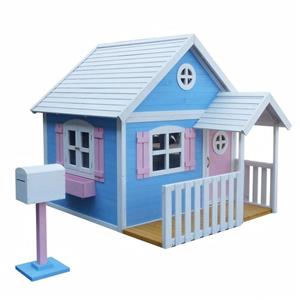
This is the golden age of pretend play. A wooden cubby house for preschoolers should inspire narrative adventures—think pirate ships, fairy cottages, or space stations. Look for features like a pretend doorbell, shutters, a chalkboard wall, or a built-in play counter.
Key Feature: Interactive elements that fuel storytelling, such as a play kitchenette or a steering wheel.
Why it Works: Encourages complex language development, social cooperation, and emotional expression through role-play.
3. School-Age Children (Ages 5–10): Skill Building and Socializing
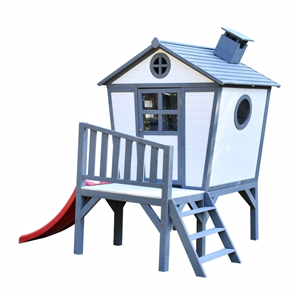
As children grow, their outdoor cubby becomes a hub for social interaction and skill-based play. Structures can be more complex, incorporating lofts, monkey bars, climbing walls, or fireman's poles. The space transitions from a fantasy stage to a clubhouse or a quiet retreat for reading and hobbies.
Key Feature: Multi-level designs or add-on modules like a slide or a connecting bridge.
Why it Works: Promotes gross motor development, strategic thinking, and peer negotiation skills. A well-built childrens cubby house at this stage can become the neighborhood's social epicenter.
4. Pre-Teens (Ages 10+): Autonomy and Personal Space
For older children, the appeal shifts from active play to ownership and autonomy. A wooden cubby house can be repurposed as a studio, a hangout, or a garden office. Durability, privacy, and customizable features become paramount.
Key Feature: Sturdy construction, lockable doors, and options for personalization (e.g., shelving, lighting).
Why it Works: Supports adolescent needs for independence and provides a healthy, offline space for relaxation and identity exploration.
The Enduring Advantage of a Quality Wooden Cubby House
While plastic playsets may seem age-specific and transient, a high-quality wooden cubby house offers unique adaptability. "Wood is a modular, modifiable material," , a designer at GHS Wooden Playhouse. "A basic outdoor cubby purchased for a toddler can be expanded with a deck for a preschooler, a climbing net for a school-aged child, and finally fitted with solar lights and seating for a pre-teen. This makes it a truly longitudinal investment in a child's development."
Making the Informed Choice
When selecting a cubby house, parents should consider:
Physical Proportions: Ensure the structure's scale matches the child's size and reach.
Play Value Longevity: Choose designs with neutral themes and modular potential to grow with the child.
Safety Standards: Verify that the outdoor cubby house meets relevant safety certifications for the intended age group.
understanding why age matters when choosing a childrens cubby house empowers parents to make a purchase that delivers joy, safety, and developmental benefits for years to come. By viewing a wooden cubby house not as a static toy but as a dynamic companion to childhood, families can transform their backyards into landscapes of lasting growth and imagination.
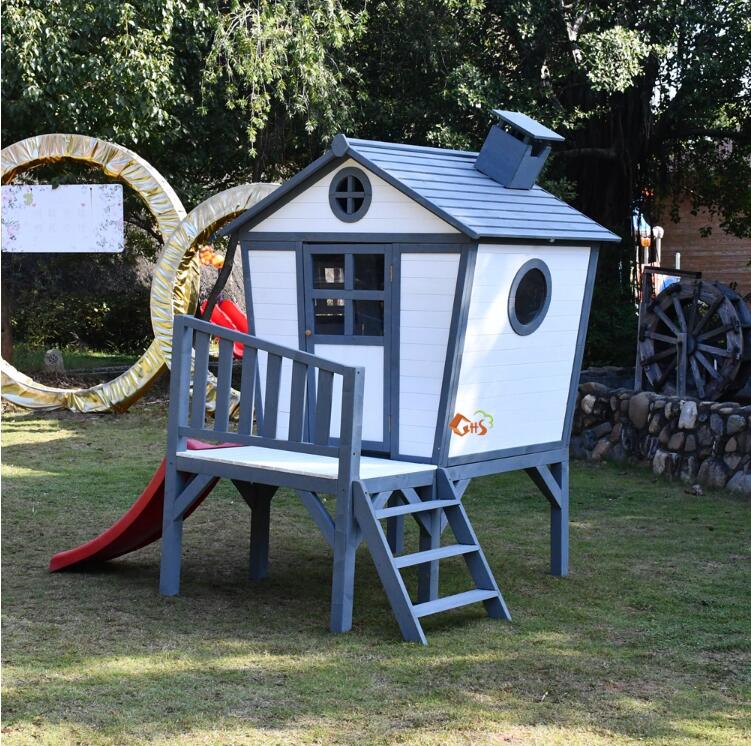
outdoor cubby
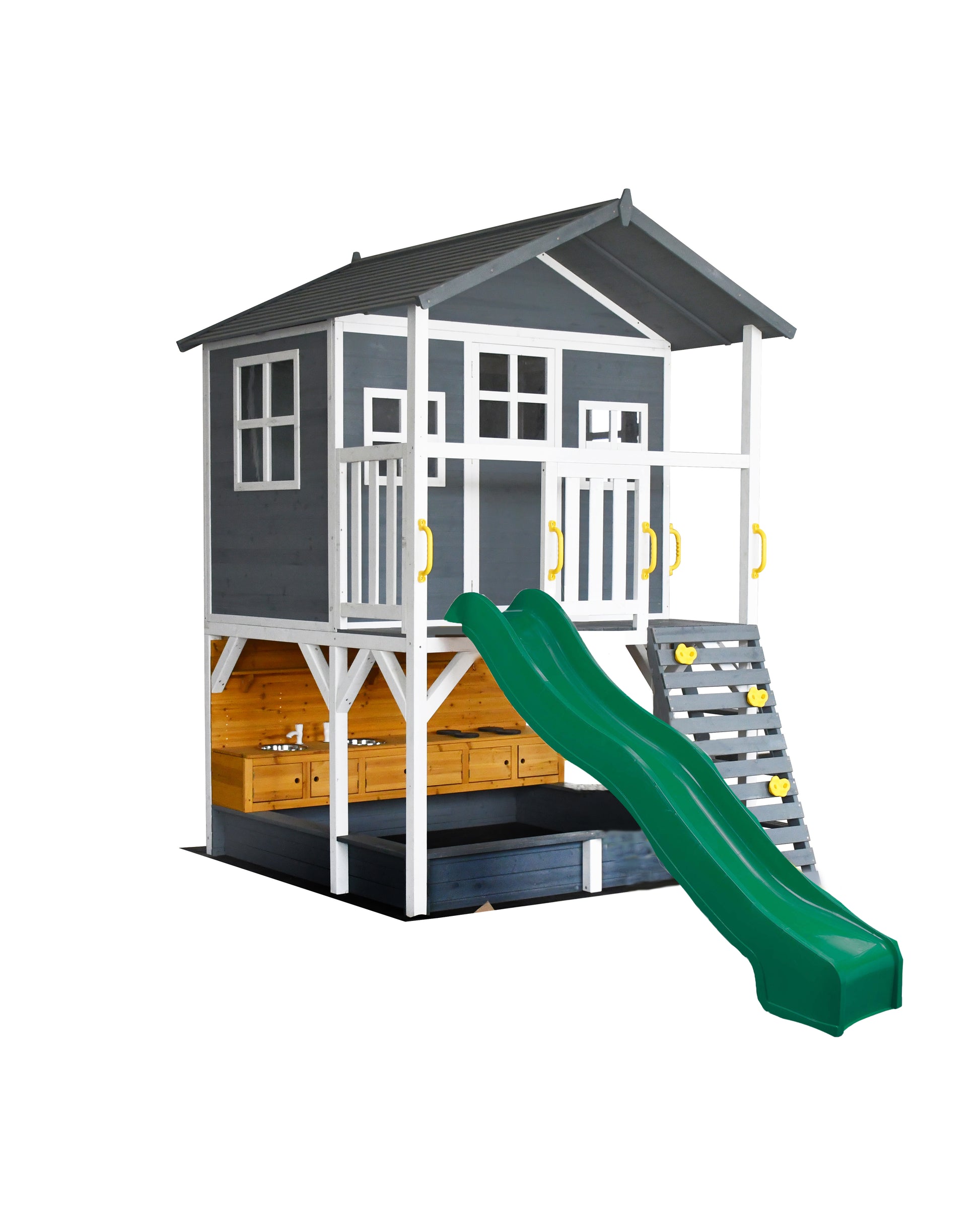
outdoor cubby house
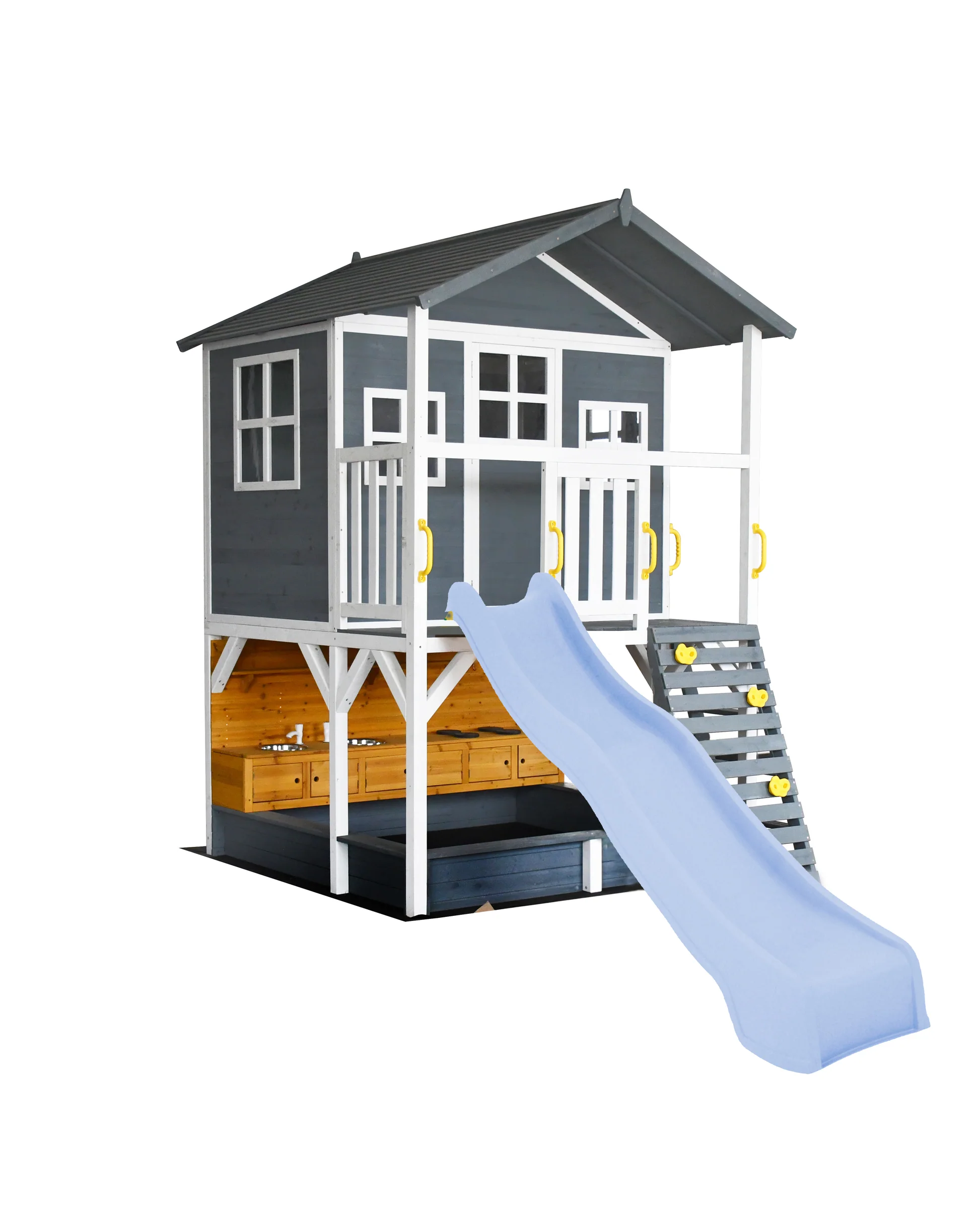
childrens cubby house
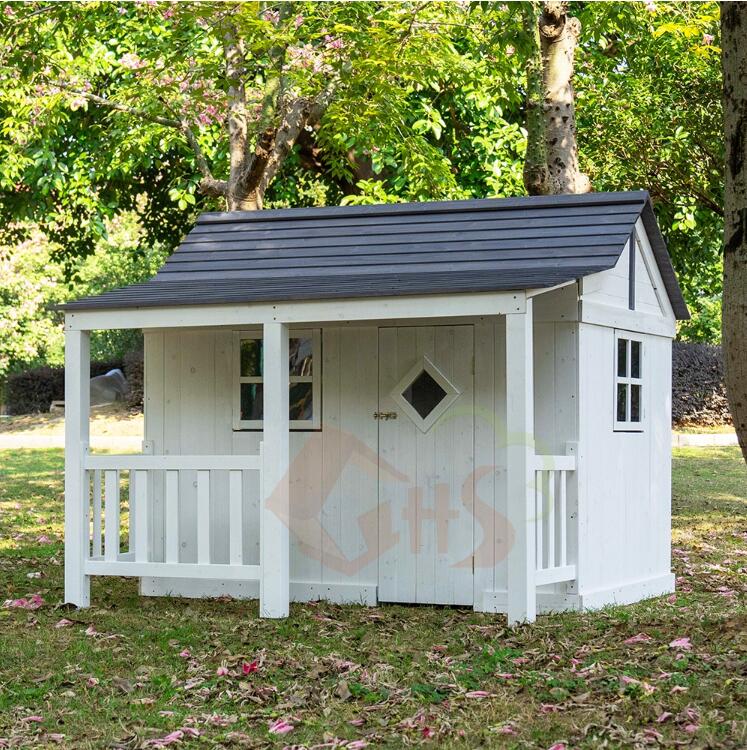
wooden cubby house