What Makes a Cubby House Different From Traditional Toys and Outdoor Play Structures?
In the ever-evolving world of children's play, parents and educators continually seek out tools and environments that best foster development, creativity, and physical activity. While traditional toys and standardized playgrounds have long been staples, a distinct category is capturing attention for its unique blend of benefits: the outdoor cubby house. But what exactly sets a children's cubby house apart? The core difference lies not in a single feature, but in its fundamental nature as a personalized, imaginative, and experiential space.
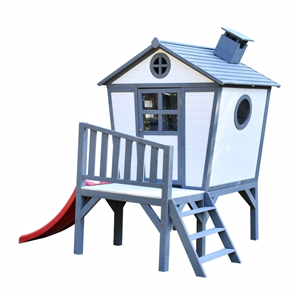
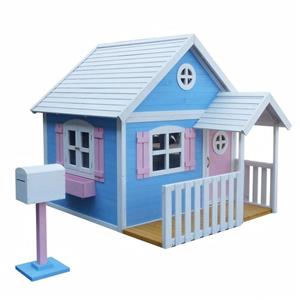
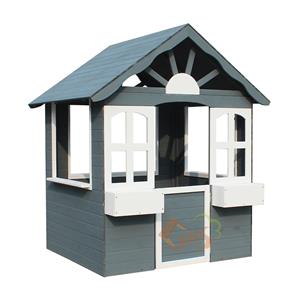
Traditional toys, from dolls to building blocks, are often object-focused and guided by predefined rules or functions. Conventional outdoor playgrounds, with their slides and swings, offer excellent physical challenges but are typically communal and fixed in design. An outdoor cubby house, particularly a wooden cubby house, transcends these limitations. It is not merely an object to be used but a domain to be inhabited, ruled, and transformed. It becomes a child’s first independent territory—a clubhouse, a castle, a spaceship, or a secret garden limited only by their imagination.
This transformative potential is the cubby house's most significant divergence. Where a toy is played with, a wooden cubby house is lived in. This inhabitation promotes profound developmental benefits. It nurtures socio-emotional skills as children negotiate roles, establish rules, and engage in complex cooperative play within their private realm. The space becomes a stage for narrative thinking, where abstract thinking and language skills flourish through invented scenarios. In contrast to the often passive consumption of some modern toys, a childrens cubby house demands active creation and management of the play experience.
Physically, while a jungle gym develops gross motor skills, an outdoor cubby house offers a different kind of engagement. It encourages what experts call "heavy work" play—moving lightweight furniture, rearranging décor, or managing a pretend garden. These activities provide proprioceptive input, crucial for body awareness and regulation. Furthermore, a well-designed outdoor cubby house seamlessly blends active and quiet play. The exterior might invite climbing, while the interior offers a sanctuary for reading, drawing, or whispered secrets, catering to a child’s holistic need for both exhilaration and calm.
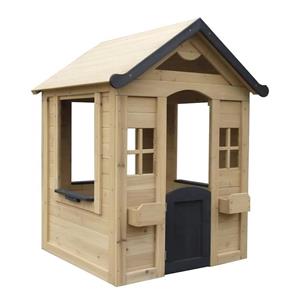
The material and aesthetic of a wooden cubby house further solidify its distinction. Unlike plastic playhouses or metal structures, wood provides a natural, tactile, and warm connection to the environment. It weathers and changes, teaching subtle lessons about nature and time. This organic quality helps the structure feel less like an imposed fixture and more like an integrated part of the child's world, encouraging longer, more sustained engagement and care.
From a practical family perspective, a cubby house serves as a powerful magnet for outdoor time. In an age of digital distraction, it offers a compelling reason for children to choose the backyard over the screen. It extends the home’s living space, creating a dedicated zone for uninterrupted, imaginative play that can span years of childhood, adapting to the child’s growing interests far longer than most traditional toys.
In essence, the childrens cubby house is not a competitor to the swing set or the toy box, but a superior complement that operates on a different paradigm. Traditional toys are tools for play; playgrounds are venues for activity. An outdoor cubby house, however, is a blank canvas for childhood itself. It is a personal headquarters for imagination, a laboratory for social dynamics, and a sanctuary for independence. By providing ownership over a tangible, adaptable space, the humble wooden cubby house empowers children to build not just stories, but confidence, resilience, and memories, firmly establishing its unique and invaluable role in the landscape of childhood.
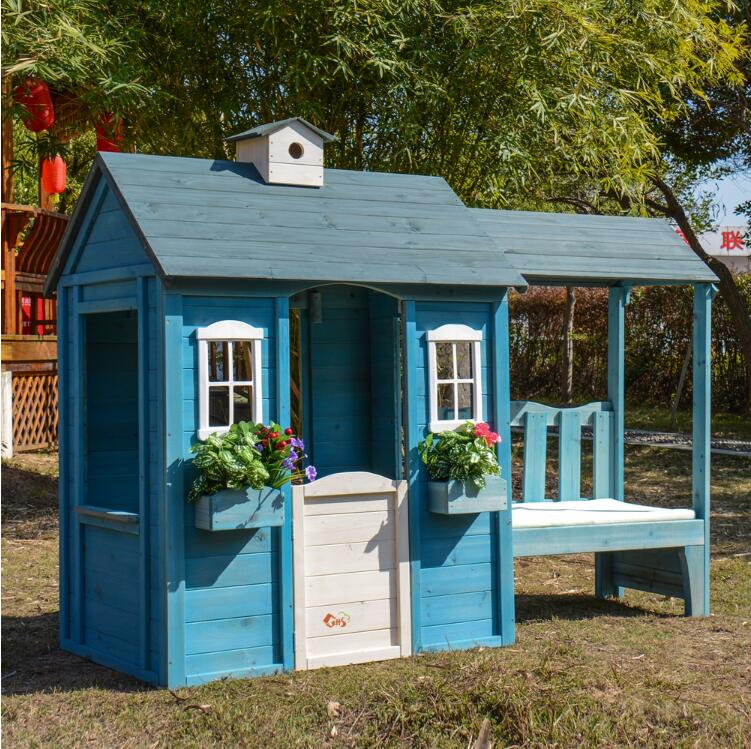
outdoor cubby
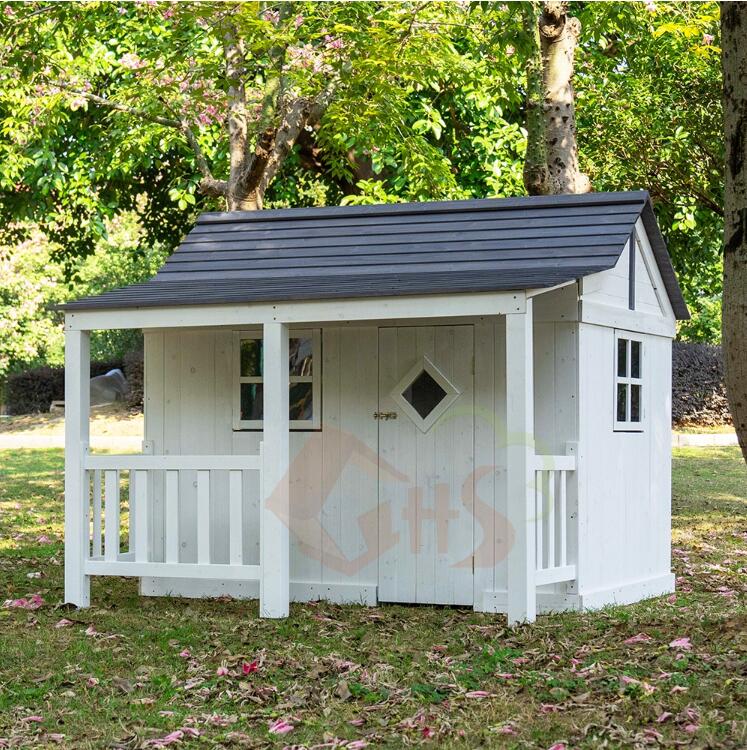
wooden cubby house
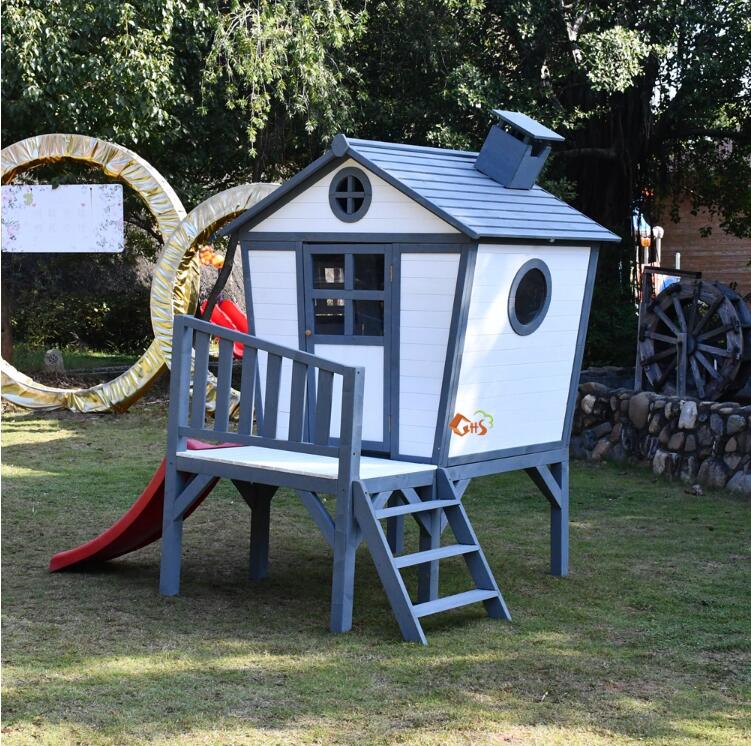
childrens cubby house
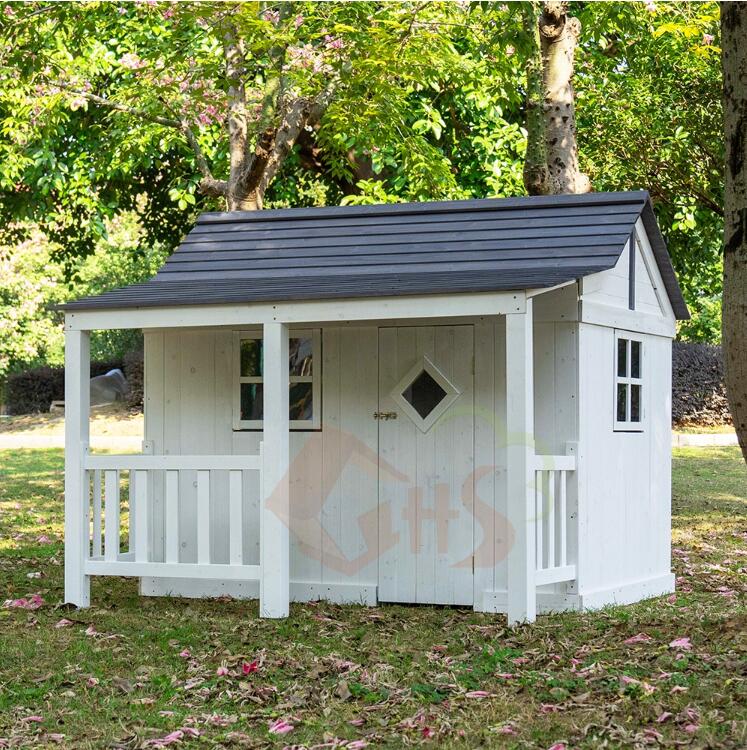
outdoor cubby house