In the Digital Age, How Can a Brand Slogan Like "Reclaiming Backyard Childhood" Be Understood and Achieved?
In an era dominated by screens and virtual experiences, the brand slogan of GHS INDUSTRY&TRADE – "Reclaiming Backyard Childhood" – resonates with a profound sense of purpose and nostalgia. But what does this vision truly mean in the context of the 21st century, and more importantly, how does a company specializing in cubby house structures translate this poetic ideal into tangible reality? This is not merely a marketing tagline; it is a strategic manifesto that directly addresses the core tensions of modern parenting and guides every design decision at GHS.
Deconstructing the Vision: More Than Just Nostalgia
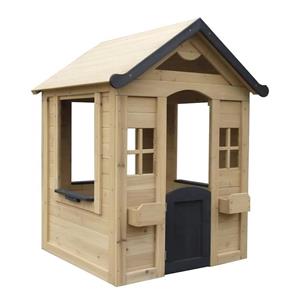
To understand this slogan, one must look beyond literal interpretation. "Reclaiming Backyard Childhood" is not a call to reject technology outright or to revert to a bygone era. Instead, it represents a conscious rebalancing. It acknowledges the digital landscape as a given but advocates fiercely for the irreplaceable value of unstructured, imaginative, and physically engaged play in a dedicated outdoor space – the kind of play a classic wooden cubby house has always inspired.
The vision is built on three pillars:
Spatial Reclamation: It champions the backyard as an essential "third space" for children—a domain separate from the structured indoors and the boundless digital universe. A well-crafted outdoor cubby house physically anchors this reclaimed space, providing a compelling reason for children to step outside.
Experiential Reclamation: It focuses on restoring the quality of play characterized by creativity, risk-taking (within safe boundaries), social negotiation, and direct interaction with natural elements. This stands in contrast to the often passive, consumption-based digital experience.
Temporal Reclamation: It values slow, deep play. In a world of rapid-fire digital content, the childrens cubby house encourages narratives that unfold over hours or even days, fostering patience, extended focus, and rich imaginative worlds.
The GHS Blueprint: Turning Philosophy into Product
For GHS, this vision is not abstract; it is engineered into every product. The company achieves this "reclamation" through a multi-faceted approach to designing and promoting the modern outdoor cubby.
1. Creating an Irresistible Physical Magnet:
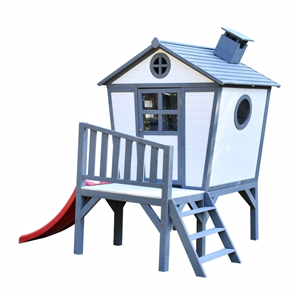
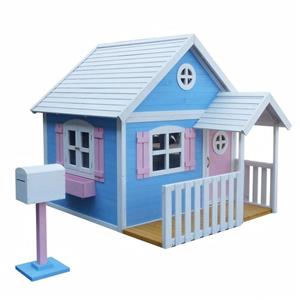
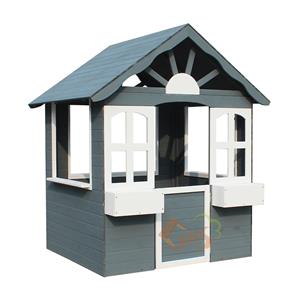
The primary strategy is to make the cubby house a more attractive destination than the digital alternative. GHS does this by elevating the wooden cubby house from a simple shed to an interactive playscape. By incorporating features like modular design (allowing for personal fortresses or pirate ships), sensory panels, built-in planters for a "garden," and options for safe, integrated physical play (like climbing walls or lookout towers), they create a dynamic environment. The goal is to offer a diversity of open-ended play possibilities that no single app can replicate, making the outdoor cubby house a hub of self-directed adventure.
2. Smart Integration that Serves Analog Play:
Understanding that technology is part of children's lives, GHS employs a "tech-positive, not tech-dependent" philosophy. They explore integrating subtle, non-screen technology that enhances the outdoor experience. This could include solar-powered LED lighting for evening play, weather sensors that teach about the environment, or audio systems for storytelling—all activated by physical interaction (cranks, buttons) rather than touchscreens. This approach uses technology as a bridge to the physical world, not an escape from it, ensuring the childrens cubby house remains a fundamentally analog sanctuary.
3. Fostering Co-Creation and Family Bonds:
"Reclaiming Backyard Childhood" is also about reclaiming family time. GHS emphasizes the process of personalizing and building their cubby house kits as a key part of the experience. By designing products that invite parent-child collaboration—from choosing configurations to applying non-toxic stains—the brand transforms the purchase into a shared project. This collaborative effort builds anticipation, ownership, and memories, strengthening the emotional pull of the outdoor cubby and making it a family landmark rather than just a child's toy.
4. Championing a Community and Mindset:
Finally, GHS realizes its vision by cultivating a community around its brand. Through storytelling, they highlight real families using their wooden cubby house structures, sharing ideas for play, decoration, and garden integration. They advocate for the developmental benefits of unstructured play, positioning their cubby house not as a mere commodity, but as a tool for healthy childhood development. This builds a narrative that empowers parents to feel they are making a positive choice for their children's well-being.
GHS INDUSTRY&TRADE's slogan "Reclaiming Backyard Childhood" is a powerful and actionable mission. It is achieved not by ignoring the digital age, but by thoughtfully designing outdoor cubby house products that are so engaging, adaptable, and rich in potential that they successfully compete for a child's time and imagination. By creating physical spaces that foster creativity, family connection, and a deep engagement with the tangible world, GHS provides families with a practical and beautiful means to turn a nostalgic ideal into a living, playful reality in their own backyards.
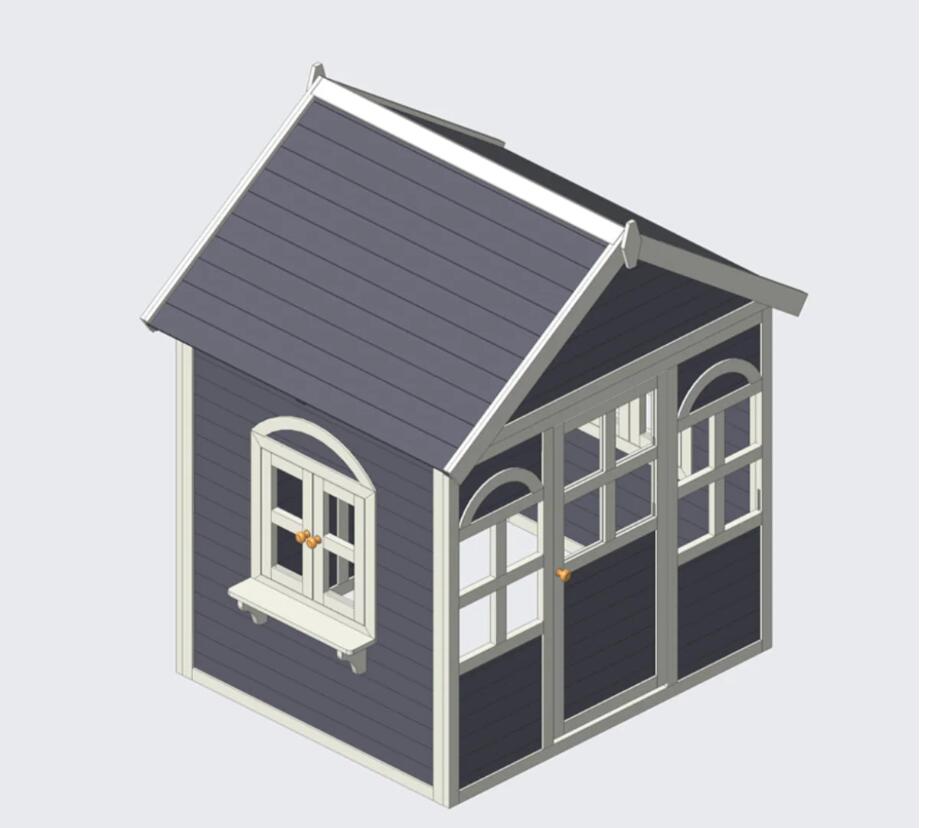
outdoor cubby
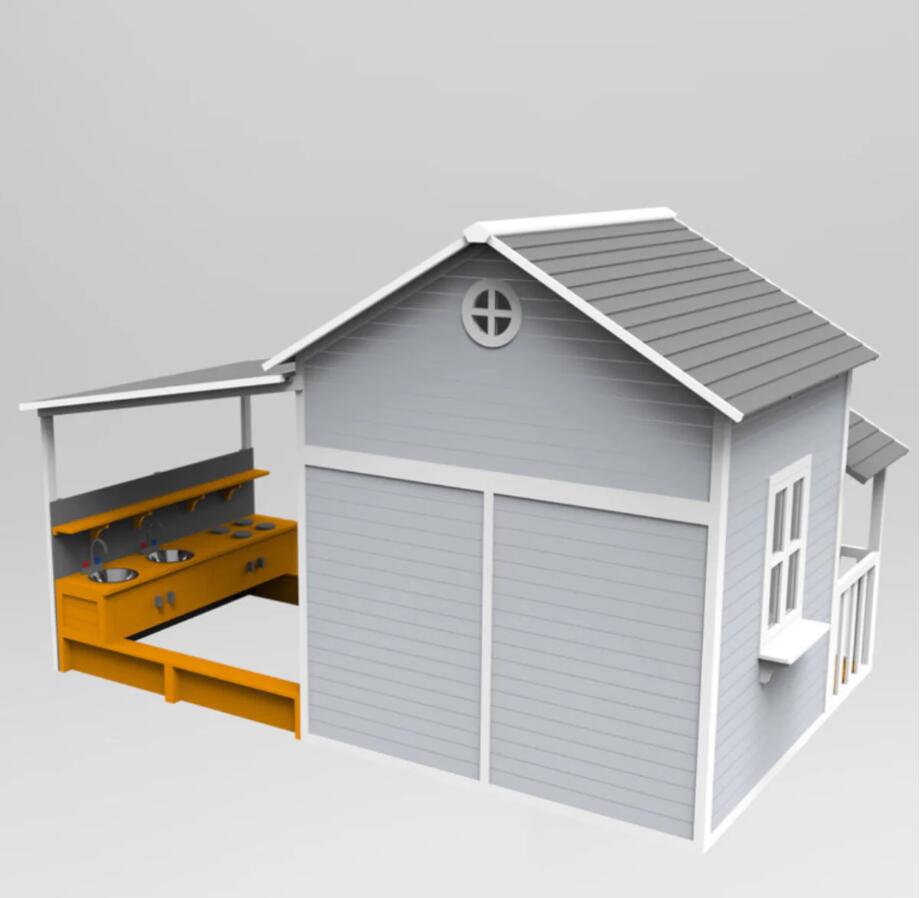
childrens cubby house
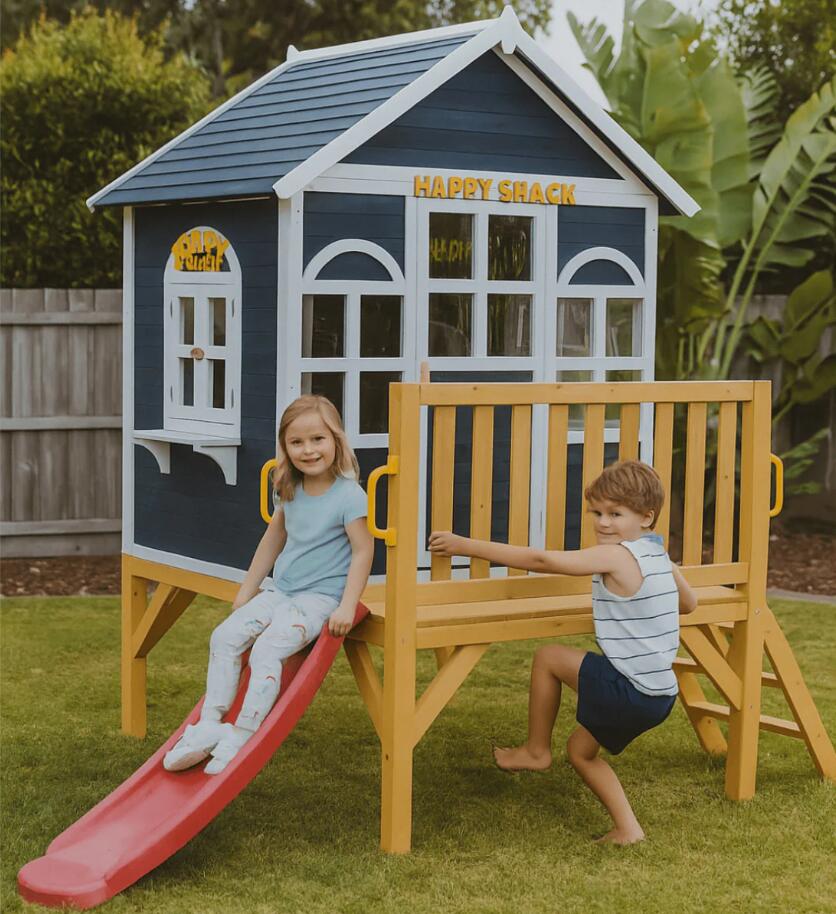
outdoor cubby house
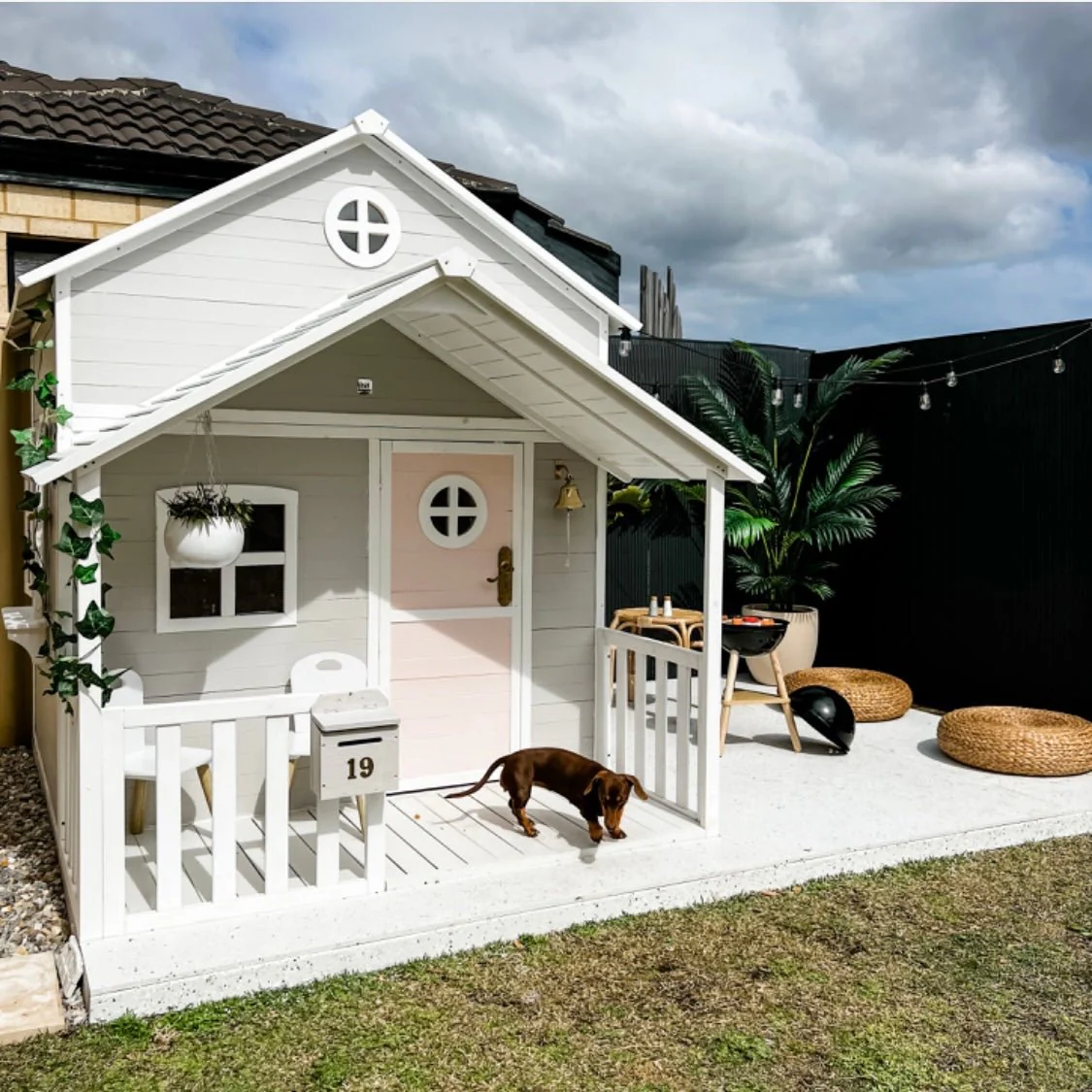
wooden cubby house