What Defines a True Cubby House? The Values It Carries Beyond Being a "Toy"
In the realm of childhood, few structures hold as iconic a place as the cubby house. Yet, as this staple of backyard play evolves, a critical question emerges for designers, educators, and parents: How do we define a good cubby house, and what deeper values should it embody that transcend its basic function as a toy? The modern perspective reveals that an exceptional outdoor cubby house is not merely a purchased item for amusement; it is a carefully considered environment engineered to nurture development, inspire creativity, and foster lasting family bonds. Its value is measured not in square feet, but in the intangible growth it shelters.
The Pillars of a "Good" Cubby House: Safety, Quality, and Adaptability
Before it can deliver deeper value, a childrens cubby house must first excel in its fundamental architecture. A "good" structure is built on three non-negotiable foundations:
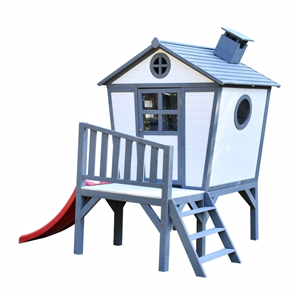
Uncompromising Safety and Durability: This is the bedrock of trust. A premium wooden cubby house utilizes sustainably sourced, robust timber, treated with non-toxic, child-safe sealants. Its construction features rounded edges, secure railings, and stable anchoring. It is built to withstand seasons of vigorous play, symbolizing permanence and security—a safe haven in a child's world.
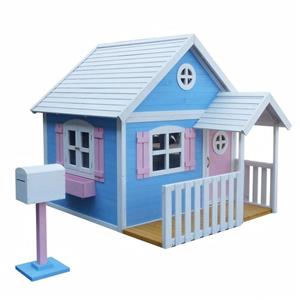
Timeless Design and Quality Craftsmanship: Beyond garish plastic, a well-designed outdoor cubby boasts aesthetic integrity. Clean lines, natural materials, and thoughtful proportions allow it to blend into the garden as a charming feature rather than an eyesore. This craftsmanship signals that the space is worthy of care and respect, teaching children to appreciate quality and design.
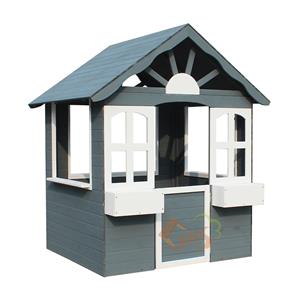
Adaptability and Open-Ended Potential: A static, single-purpose playhouse has limited lifespan. A truly good cubby house is inherently adaptable. Through modular components, interchangeable panels (chalkboard, windows, planters), or a simple, robust design that invites modification, it can evolve from a toddler's hideaway to a pre-teen's clubhouse. This flexibility ensures it remains relevant, growing with the child.
Transcending the "Toy": The Deeper Values a Cubby House Carries
When these pillars are solid, the cubby house ascends from a mere plaything to a vessel for profound developmental and emotional value.
1. A Sanctuary for Autonomous Identity and Social-Emotional Learning:
A childrens cubby house is often a child's first private domain. This autonomy is crucial for developing a sense of self, agency, and responsibility. Within its walls, children navigate complex social dynamics: negotiating rules, resolving conflicts, and role-playing different scenarios. It becomes a micro-society where empathy, leadership, and cooperation are practiced organically. This socio-emotional laboratory is a value no conventional toy can fully replicate.
2. An Engine for Cognitive and Creative Development:
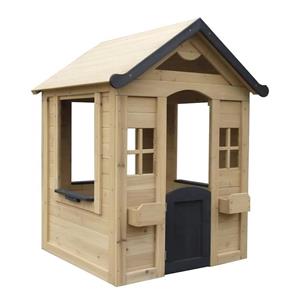
Unlike a toy with prescribed functions, a wooden cubby house is a blank canvas for the imagination. It requires the child to project narratives, solve spatial problems ("how do we arrange our furniture?"), and engage in symbolic play. This process strengthens executive function, narrative thinking, and creative confidence. When enhanced with elements like a built-in planter box (connecting to biology) or a simple pulley system (introducing physics), the outdoor cubby house seamlessly integrates STEM learning into play, becoming an interactive classroom.
3. A Catalyst for Family Connection and "Slow" Time:
In a digital age, a well-placed outdoor cubby acts as a physical magnet, pulling the family into shared, device-free time. The process of assembling, painting, or customizing the structure becomes a collaborative family project. Subsequently, it serves as a natural setting for storytelling, shared snacks, or quiet conversation. It champions the value of "slow," present interaction, helping to reclaim childhood—and family life—from the frenetic pace of the modern world.
4. A Bridge to Nature and Environmental Stewardship:
Positioned in the garden, a cubby house inherently connects children to the outdoors. It encourages observation of weather, insects, and plant growth. By constructing it from natural materials like wood and perhaps incorporating features like a green roof or rainwater collection, it becomes a tactile lesson in sustainability and respect for the environment. It fosters a foundational connection to the natural world that is essential for holistic well-being.
Defining a good cubby house requires looking past its immediate form. It is a developmental tool, a social arena, a creative studio, and a family hearth. The finest outdoor cubby house or classic wooden cubby house is judged not by its accessories, but by its ability to provide a secure, adaptable stage upon which the critical dramas of childhood—imagination, independence, and connection—can unfold. It is in this transcendent role that the humble childrens cubby house proves its invaluable and enduring worth, far surpassing the simple classification of a toy.
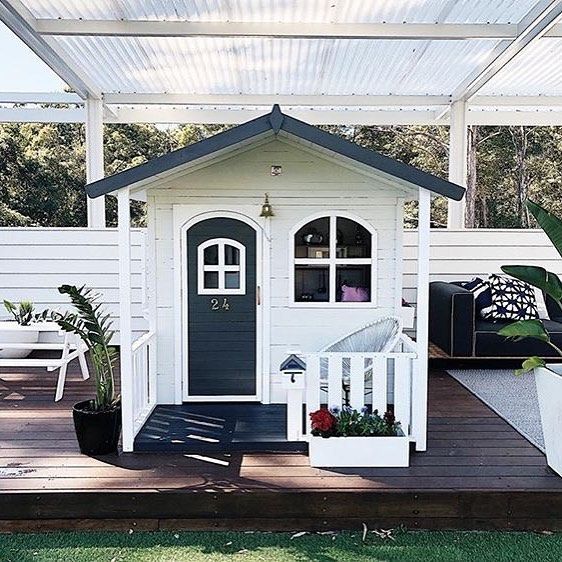
outdoor cubby
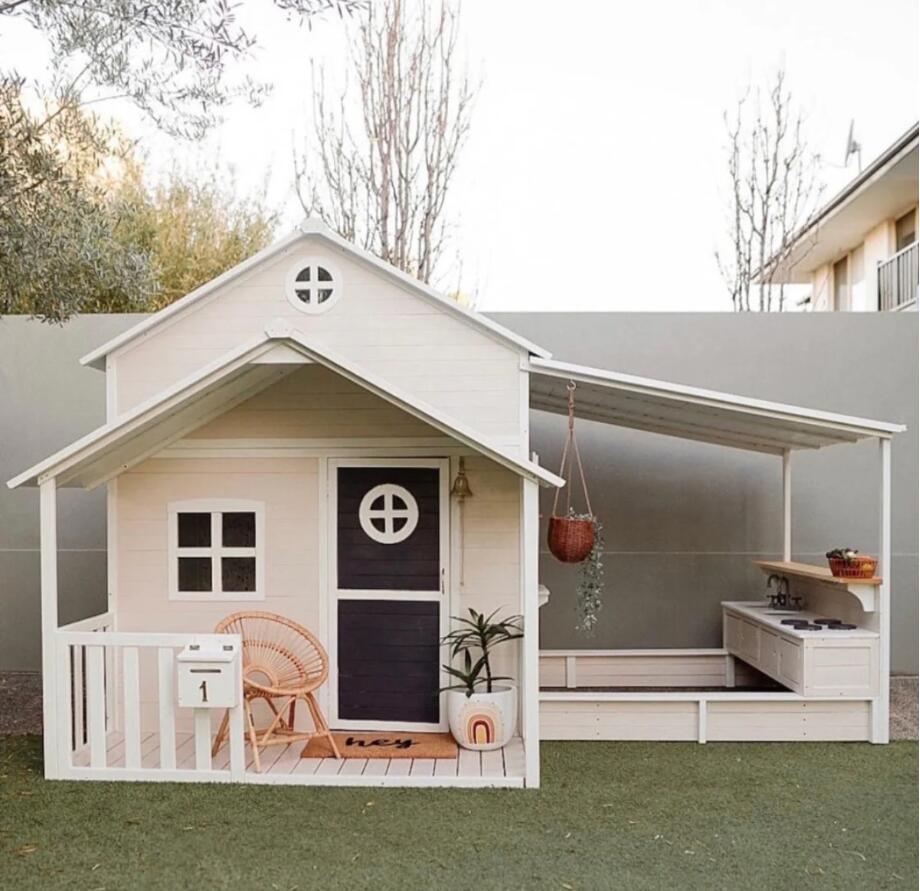
wooden cubby house
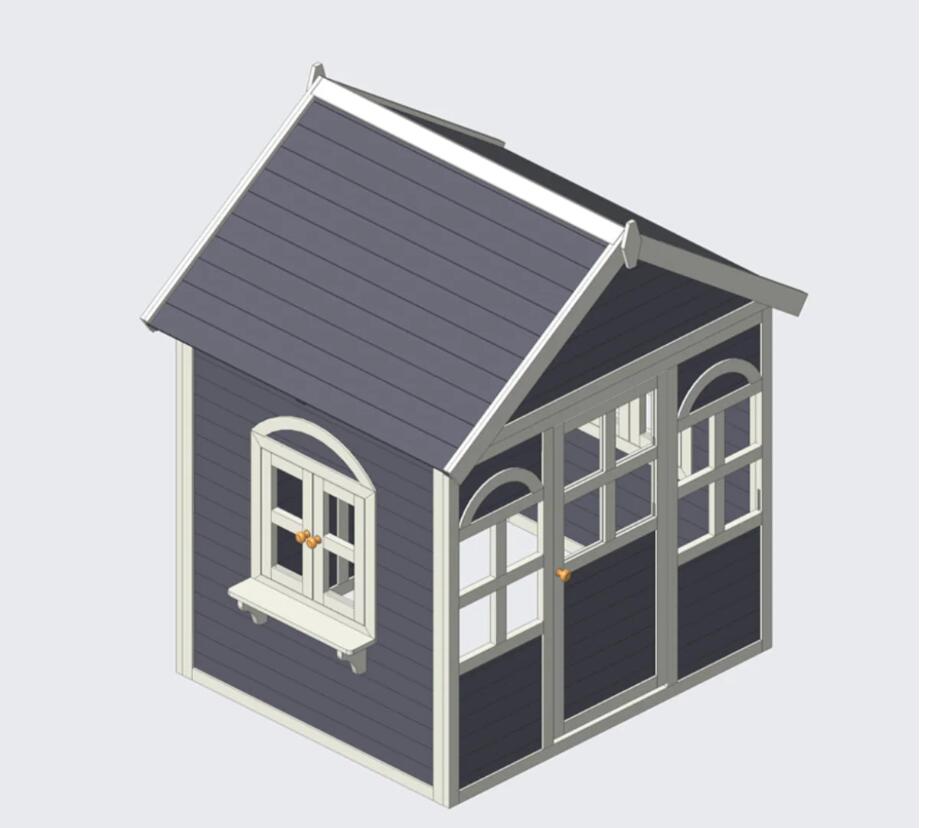
outdoor cubby house
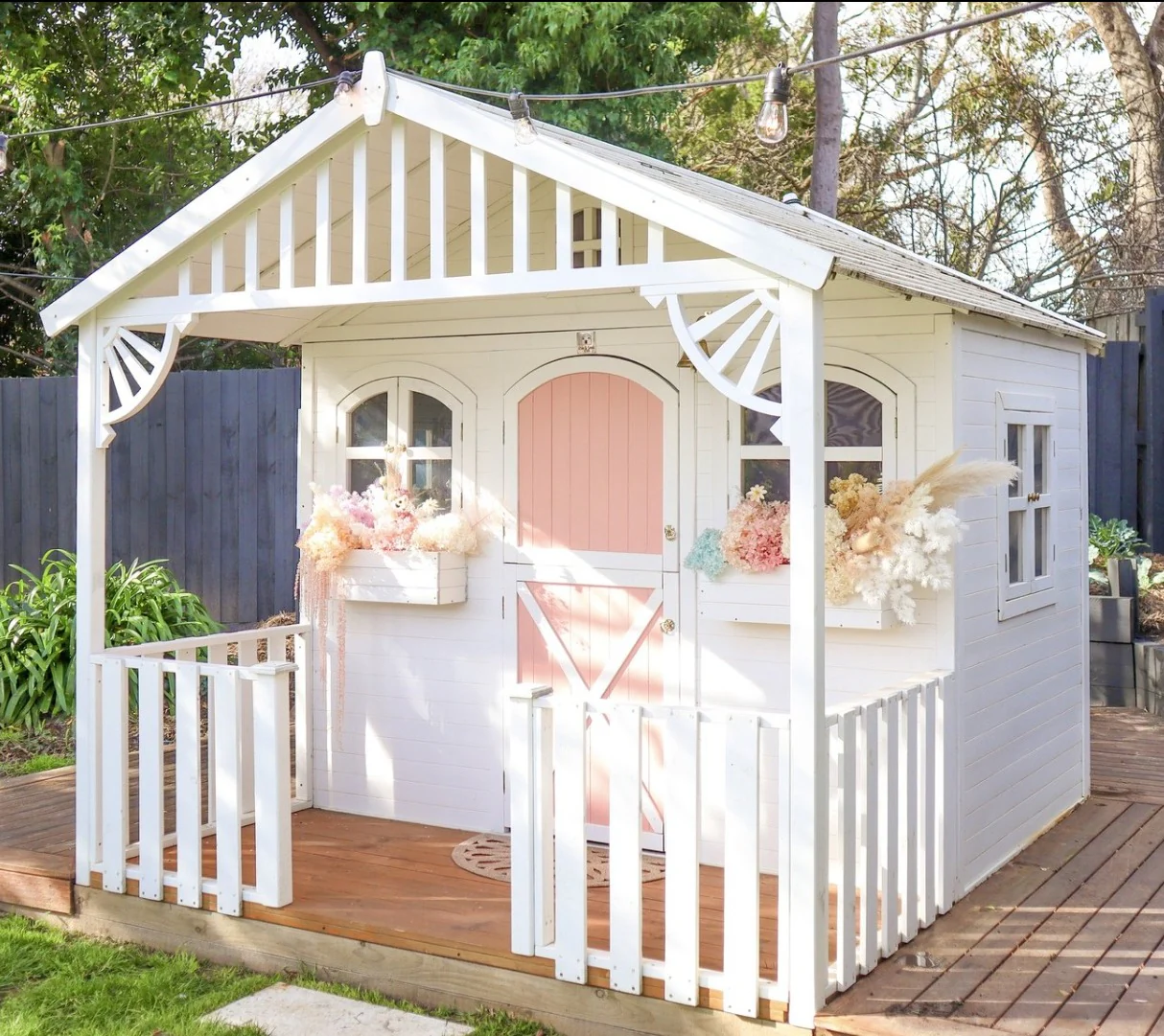
childrens cubby house