Is Wood Flammable? Addressing Fire Safety Concerns for Modern Wooden Garden Structures
As the integration of timber elements in outdoor spaces grows into a defining feature of contemporary landscaping, a valid question emerges regarding the wooden garden trend: does the use of wood inherently pose a fire hazard? With structures like wooden garden sheds, decorative wooden garden gates, and leisure-focused gazebo wood pavilions becoming central to garden design, understanding and mitigating potential risks is a crucial part of responsible planning and ownership.
Understanding the Material: Combustibility vs. Practical Risk
It is an indisputable material property that wood is combustible. However, the perceived fire risk associated with a well-planned wooden garden often outweighs the practical, manageable reality. The key lies in contextualizing the risk. Unlike the structural framing of a house, most wooden garden features—such as a wooden shed for storage, a perimeter wooden garden gates, or an open-air gazebo wood structure—are standalone elements located away from primary dwellings. Their individual fuel load and proximity significantly influence the overall safety profile.
Proactive Design and Strategic Placement
The first line of defense in fire safety for any wooden garden is intelligent design and placement. Experts recommend positioning structures like wooden garden sheds or a gazebo wood patio at a safe distance from the main house, barbeque grills, fire pits, or other obvious ignition sources. Creating defensible space—clearing dry vegetation, leaves, and debris from around these wooden structures—is equally critical. Furthermore, the design of wooden garden gates and fences should not create enclosed traps for airborne embers; spacing between pickets can help reduce this risk.
Modern Treatment Solutions and Material Choices
Advancements in wood technology offer additional layers of protection. While not "fireproof," many woods used in quality wooden garden projects can be treated with fire-retardant coatings. These intumescent paints or stains form a protective char layer when exposed to flame, slowing combustion. For new constructions, specifying naturally denser hardwoods or using fire-rated timber products for critical components can enhance safety. When planning a wooden garden sheds project, inquiring about these options with suppliers is a prudent step.
Maintenance and Common-Sense Precautions
The fire risk of a wooden garden is often linked more to use and maintenance than the material itself. Ensuring that a wooden shed is not used to store flammable liquids improperly, keeping outdoor electrical fixtures near gazebo wood structures in good repair, and never leaving open flames unattended are fundamental safety practices. Regular maintenance to prevent the accumulation of dry, easily ignitable materials on or against any wooden structure is essential.
Labeling the modern wooden garden as a significant fire hazard is an oversimplification. While wood is flammable, the risk associated with thoughtfully designed and responsibly maintained wooden garden gates, wooden garden sheds, and gazebo wood features is highly manageable. By prioritizing strategic placement, considering fire-retardant treatments, and adhering to diligent maintenance and usage protocols, homeowners can confidently enjoy the natural beauty and tranquility of their timber-defined outdoor spaces without undue concern. The goal is not to eliminate all risk—an impossibility in any setting—but to implement informed, layered strategies that make the wooden garden a safe and sustainable extension of the home.

wooden shed

wooden garden gates
wooden garden sheds

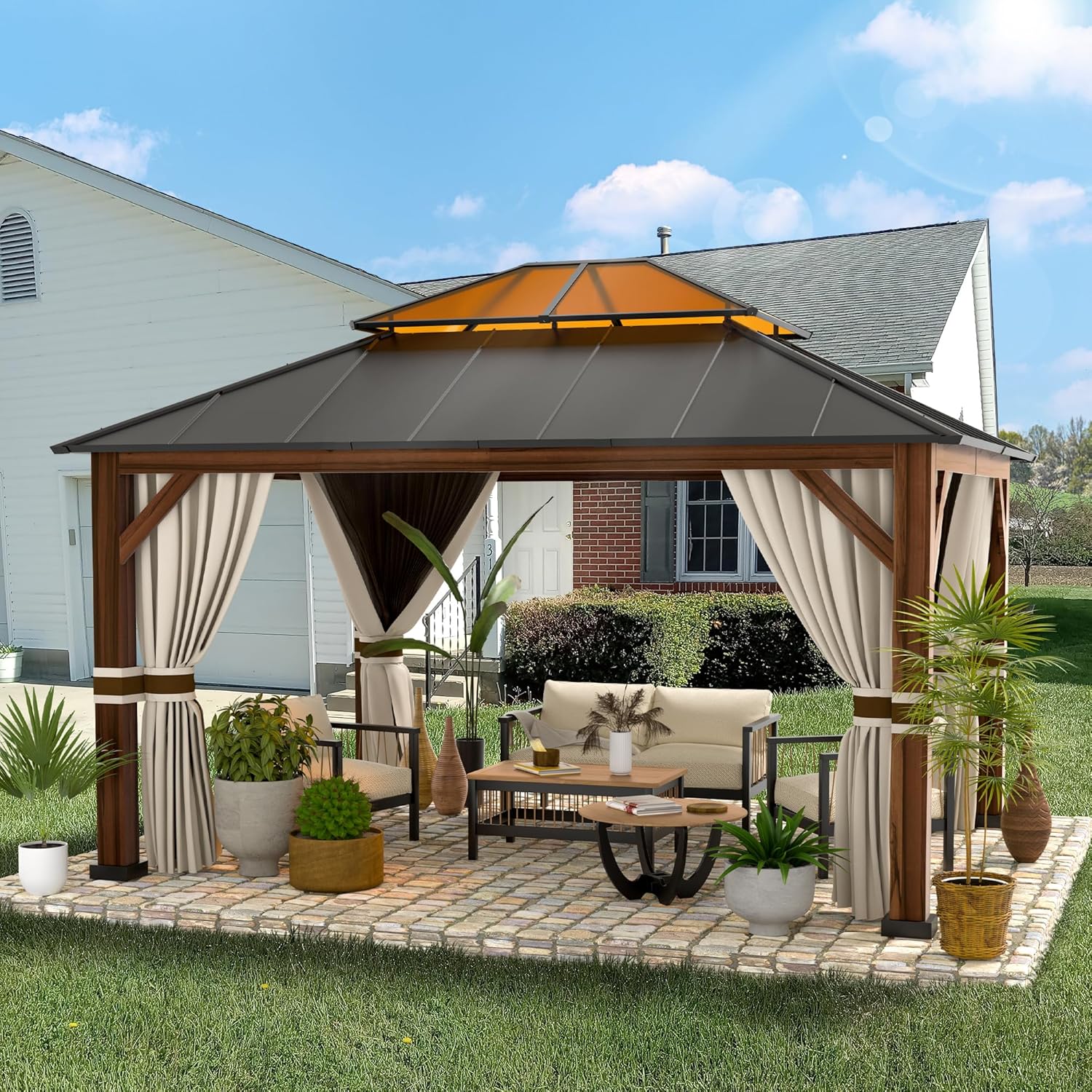
gazebo wood