What Are the Best Methods for Durability and Eco-Friendly Preservation?
As the popularity of integrated wooden garden spaces continues to grow, homeowners are increasingly focused on ensuring the longevity of their investments. Whether it's a charming wooden garden gate, a functional wooden shed, or an elegant gazebo wood structure, protection against rot, insects, and weathering is essential. Fortunately, modern preservation techniques offer effective solutions, including eco-friendly options that align with sustainable gardening principles.
Understanding the Threats to Wooden Garden Structures
A wooden garden is exposed to constant environmental challenges. Moisture is the primary enemy, leading to rot and fungal decay. Insects, such as termites and carpenter ants, can compromise structural integrity. UV radiation from the sun causes fading and surface degradation. For key features like wooden garden gates and wooden garden sheds, which endure significant exposure, proactive protection is not optional—it's essential for maintaining beauty and function over time.
Traditional and Modern Chemical Treatments
The most common method for protecting wooden garden structures is pressure treatment. This industrial process forces preservative chemicals deep into the wood's fibers, providing long-lasting resistance to rot and insects. It is particularly recommended for posts in ground contact and the structural frames of wooden garden sheds. For existing structures, such as a gazebo wood pavilion or decorative wooden garden gates, topical applications of high-quality exterior stains, sealants, or paints create a protective barrier against moisture and UV rays. These require reapplication every few years but are crucial for maintaining appearance.
Eco-Friendly and Natural Preservation Alternatives
For those seeking environmentally conscious solutions, several effective alternatives exist. Thermally modified wood is processed using intense heat (without chemicals), altering its cellular structure to become highly resistant to rot and stable in humid conditions—ideal for gazebo wood decks and cladding. Naturally durable hardwoods, such as cedar, redwood, or oak, contain tannins and oils that repel insects and resist decay, making them excellent choices for visible elements like wooden garden gates. Additionally, plant-based oils (like linseed or tung oil) and wax blends can be used to nourish and protect wood surfaces, though they require more frequent maintenance.
Best Practices for Installation and Maintenance
Regardless of the treatment method, proper installation and upkeep are vital for any wooden garden project. Ensure all structures, especially wooden garden sheds, have adequate ventilation and are not in direct contact with soil or standing water. For gazebo wood features, consider design elements that promote water runoff. Regular inspections of wooden garden gates and other fixtures for early signs of damage, combined with prompt cleaning and resealing, will significantly extend their lifespan.
Balancing Durability with Sustainability
Protecting a wooden garden involves a strategic balance between effectiveness and environmental responsibility. By selecting appropriately treated or naturally resistant wood, employing smart design, and committing to regular care, homeowners can ensure their wooden garden sheds, gazebo wood structures, and wooden garden gates remain beautiful and durable for decades. With advancing technology in eco-preservation, creating a sustainable, long-lasting wooden garden sanctuary is more achievable than ever.
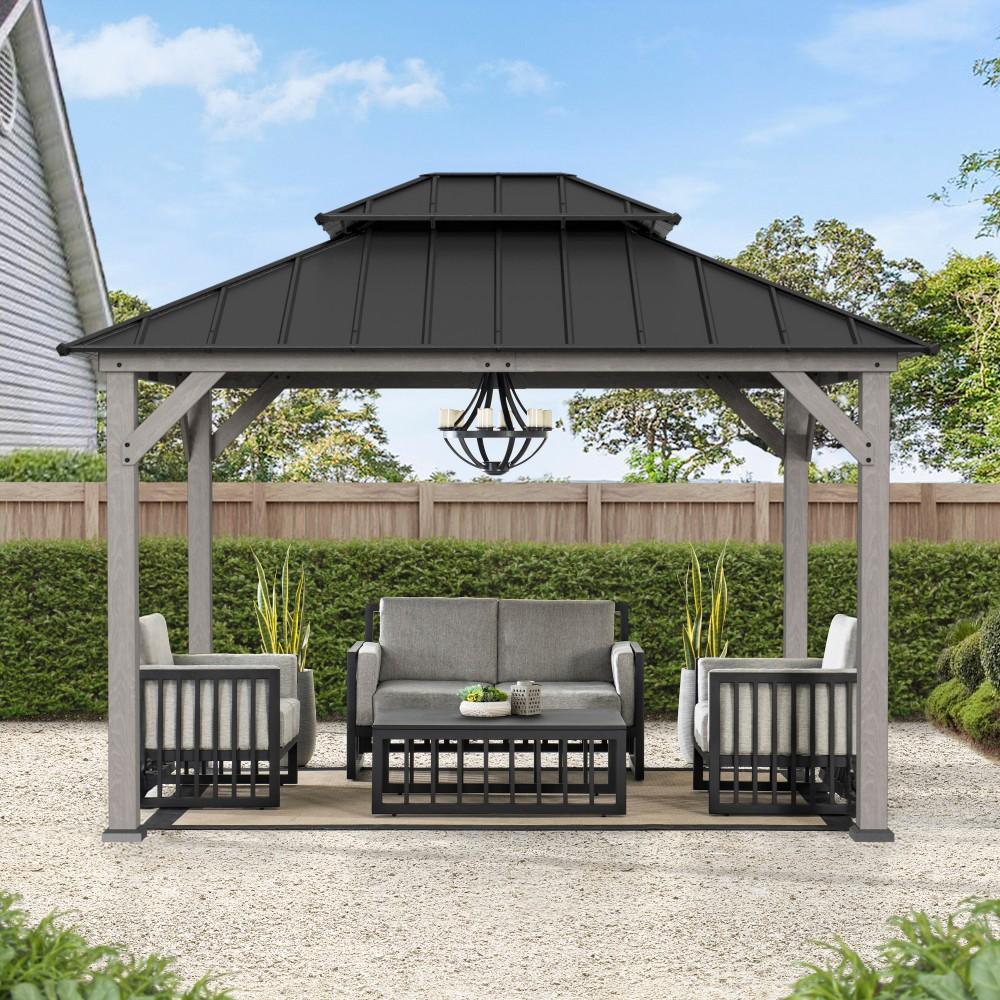
wooden shed
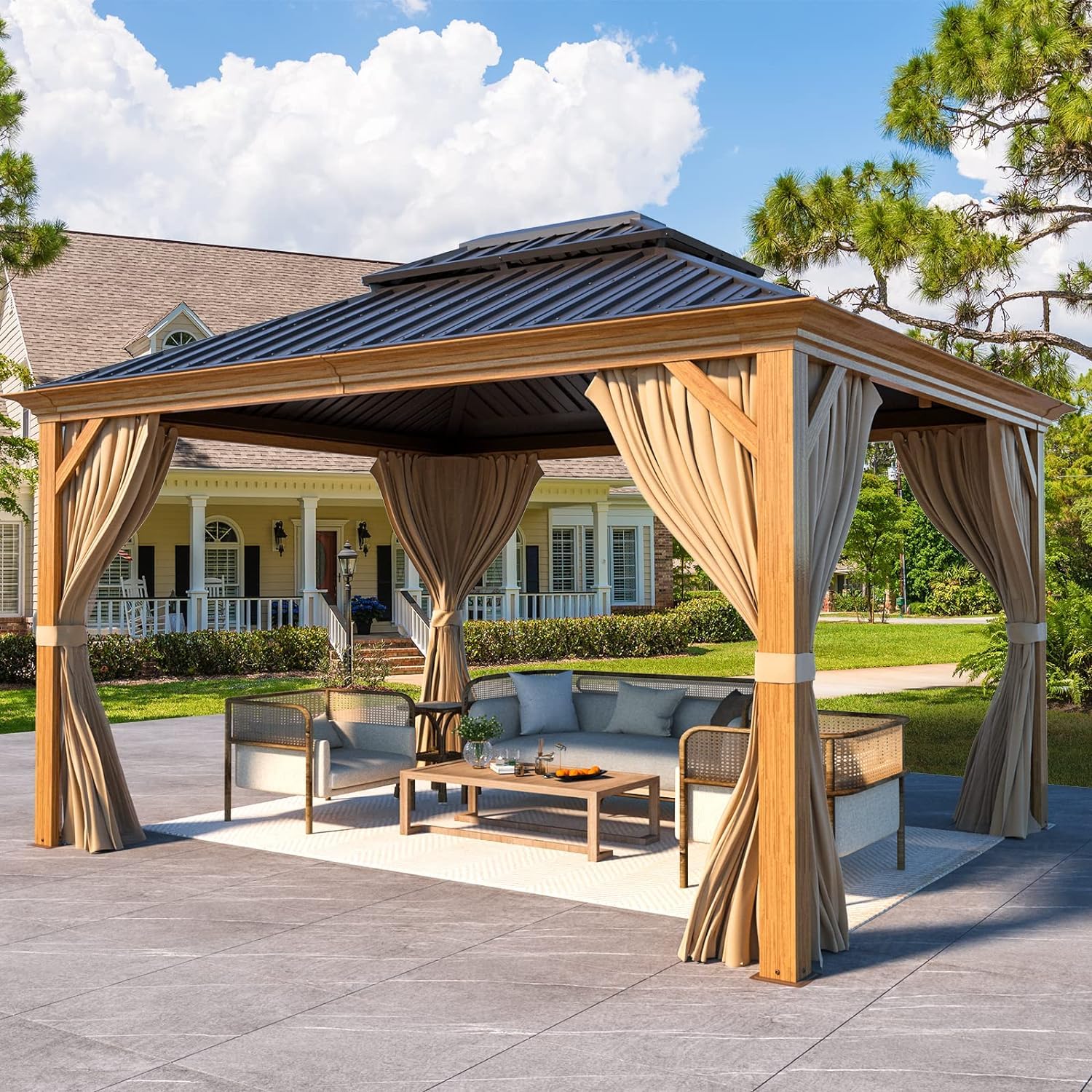
wooden garden gates
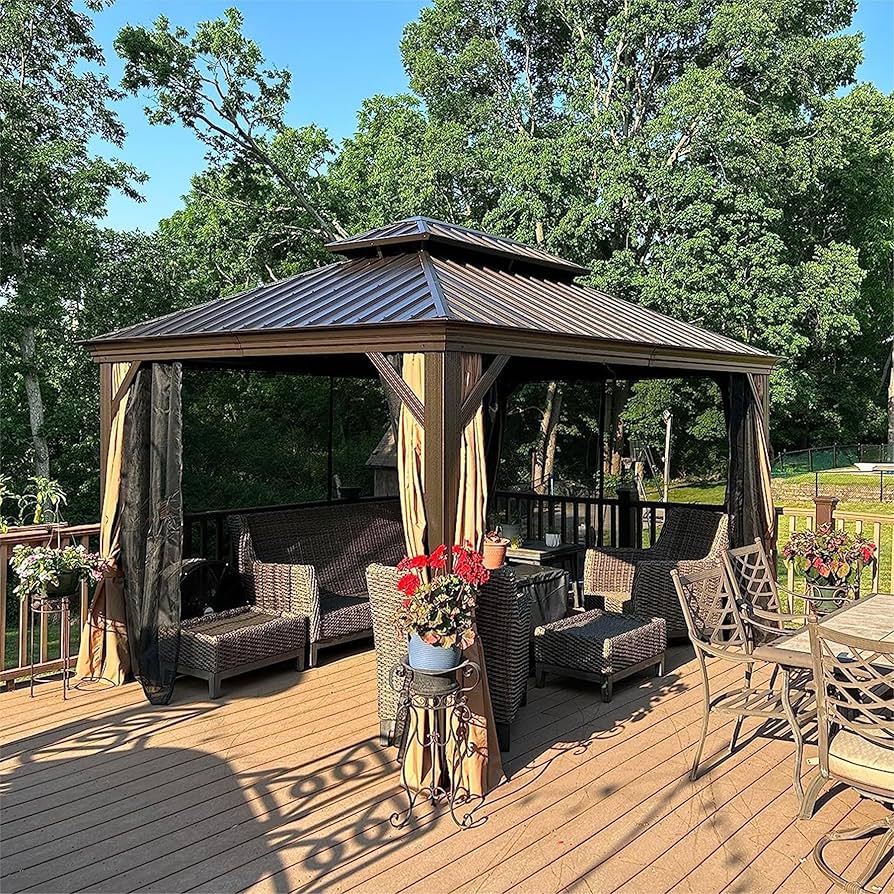
wooden garden sheds
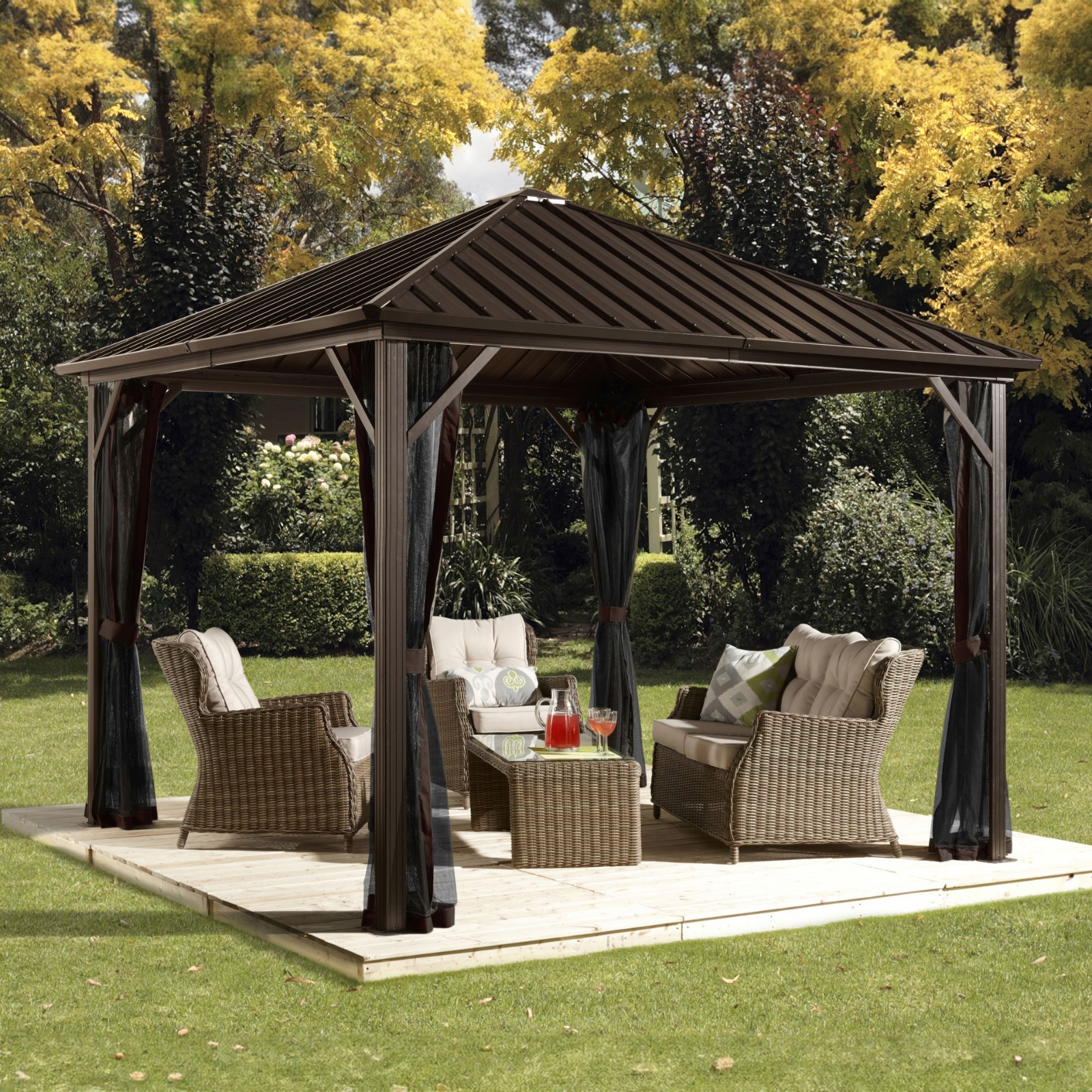
gazebo wood