Ready-Made vs. DIY Cubby House: Pros, Cons and Which Saves You More Money?
The dream of a childrens cubby house in the backyard is a cherished one for many families. Yet, when it comes to turning that dream into reality, parents face a fundamental choice: purchasing a ready-made outdoor cubby house or embarking on a DIY wooden cubby house project. Each path offers distinct advantages, challenges, and financial implications. So, which approach truly offers better value, and what are the hidden trade-offs beyond the initial price tag?
The Ready-Made Cubby House: Convenience and Certainty
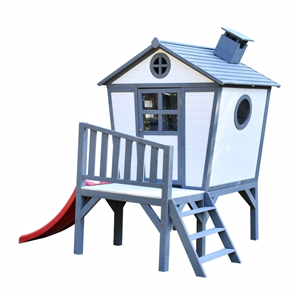
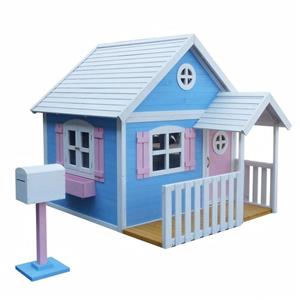
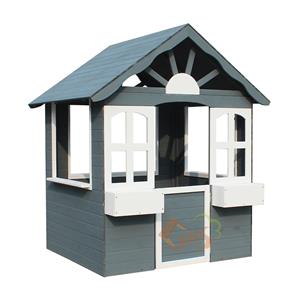
A pre-fabricated outdoor cubby offers a straightforward path to backyard fun.
Time-Saving Convenience: The biggest advantage is immediacy. A ready-made cubby house is delivered as a complete kit with pre-cut, pre-drilled, and often pre-sanded components. Assembly is typically a matter of following instructions over a weekend, not a multi-month construction project.
Professional Design and Safety Assurance: Reputable manufacturers engineer their outdoor cubby house structures for stability, durability, and safety. Designs comply with relevant safety standards, featuring appropriate railing heights, secure fastenings, and non-toxic materials. This provides significant peace of mind.
Predictable Cost and Aesthetics: The price is known upfront, with no surprise trips to the hardware store. The finished product will match the catalog or website image, ensuring a cohesive and often professionally styled look for your garden.
Limited Customization: While some brands offer modular options, your ability to alter the fundamental design, size, or features of a ready-made cubby house is restricted. It is what it is.
Potential for Lower-Quality Materials: To meet price points, some mass-produced kits may use thinner timber, lower-grade wood, or less robust hardware. It's crucial to research brands and read specifications carefully.
Higher Initial Outlay: The convenience, design, and safety engineering come at a cost, making the upfront price of a quality kit often higher than the raw materials for a DIY build.
The DIY Cubby House: Customization and Personal Investment
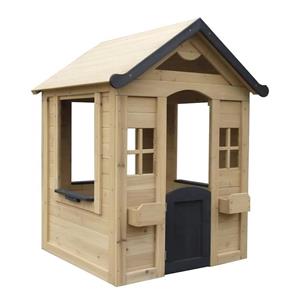
Building your own wooden cubby house from scratch or using detailed plans is a project of passion.
Unmatched Customization and Creativity: This is the defining benefit. You can design the perfect cubby house to fit an awkward corner, match your home's architecture, or include specific features your child desires—a special window, a built-in sandbox, or a unique loft. The size, shape, and layout are entirely yours to decide.
Potential for Material Quality Control: You select every piece of wood, screw, and bolt. You can invest in premium, sustainably sourced timber and the highest-quality hardware, potentially creating a more robust and longer-lasting outdoor cubby house than some pre-made options.
Deep Family Satisfaction and Bonding: The process of building together becomes a core part of the cubby house's story. The pride and sense of ownership a child feels in a structure their family built together is immeasurable and fosters a unique emotional connection.
Significant Investment of Time and Skill: A DIY project demands a substantial time commitment for planning, sourcing, and construction. It also requires a confident level of carpentry skill to ensure the structure is square, safe, and weatherproof. Mistakes can be costly and frustrating.
Hidden and Unpredictable Costs: The budget for a DIY wooden cubby house can easily balloon. Beyond lumber, you need to account for tools you may not own (saws, drills, levels), fasteners, paint/stain, roofing materials, and potential wastage. Unforeseen errors can necessitate buying more materials.
Safety and Structural Responsibility: The onus for ensuring the childrens cubby house is structurally sound and safe falls entirely on you. This includes proper anchoring, secure railings, and load-bearing design—a serious responsibility.
The Bottom Line: Which Truly Saves You Money?
The financial answer is rarely straightforward and depends heavily on your definition of "savings."
In Pure Material Cost, DIY Can Be Cheaper: If you have the necessary tools, skills, and time, sourcing your own lumber and materials can result in a lower direct cost than a premium ready-made outdoor cubby. You can tailor the project to a tight budget by simplifying the design.
When Valuing Time and Peace of Mind, Ready-Made Wins: For most families, time is a precious commodity. The hours saved by avoiding a complex DIY project have real value. The guaranteed safety standards, warranty, and immediate usability of a quality kit provide intangible savings in stress and risk.
The Long-Term Value Equation: A well-built DIY cubby house using excellent materials can be an heirloom-quality piece, offering tremendous long-term value. Conversely, a poorly built DIY project or a flimsy ready-made kit may need replacement sooner, negating any initial savings.
The choice between a ready-made cubby house and a DIY wooden cubby house is less about absolute cost and more about your family's resources and priorities. Choose a ready-made outdoor cubby house for a safe, swift, and stylish solution that prioritizes convenience and certainty. Opt for a DIY project if you have the skills, time, and desire to create a deeply personalized, potentially higher-quality family heirloom. Whichever path you choose, the ultimate return on investment is measured in the laughter and memories created within the walls of your very own childrens cubby house.
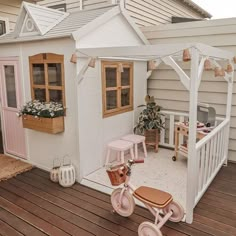
outdoor cubby
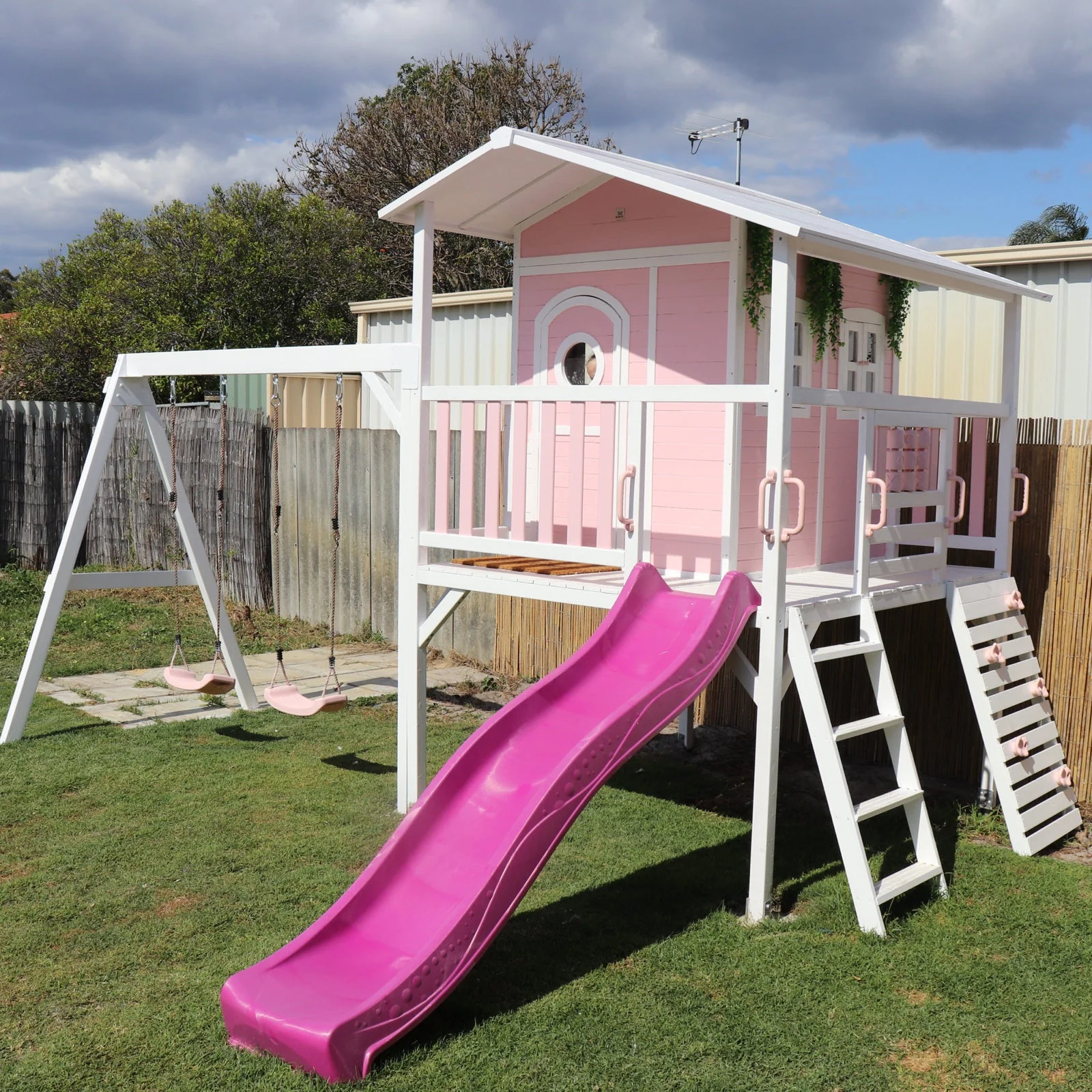
wooden cubby house
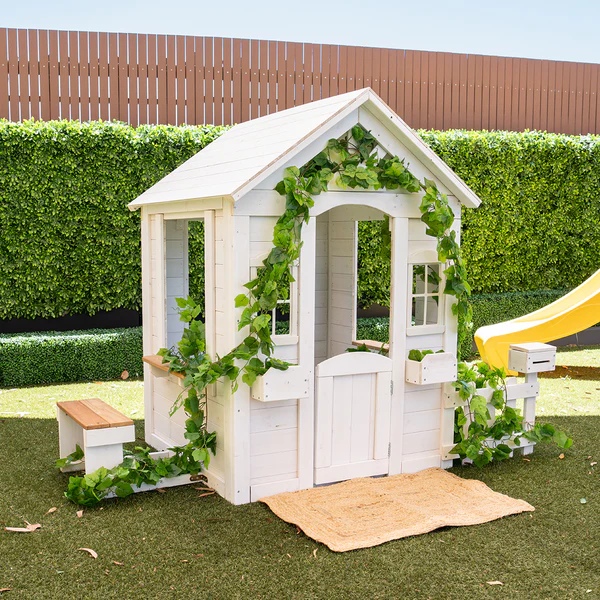
outdoor cubby house
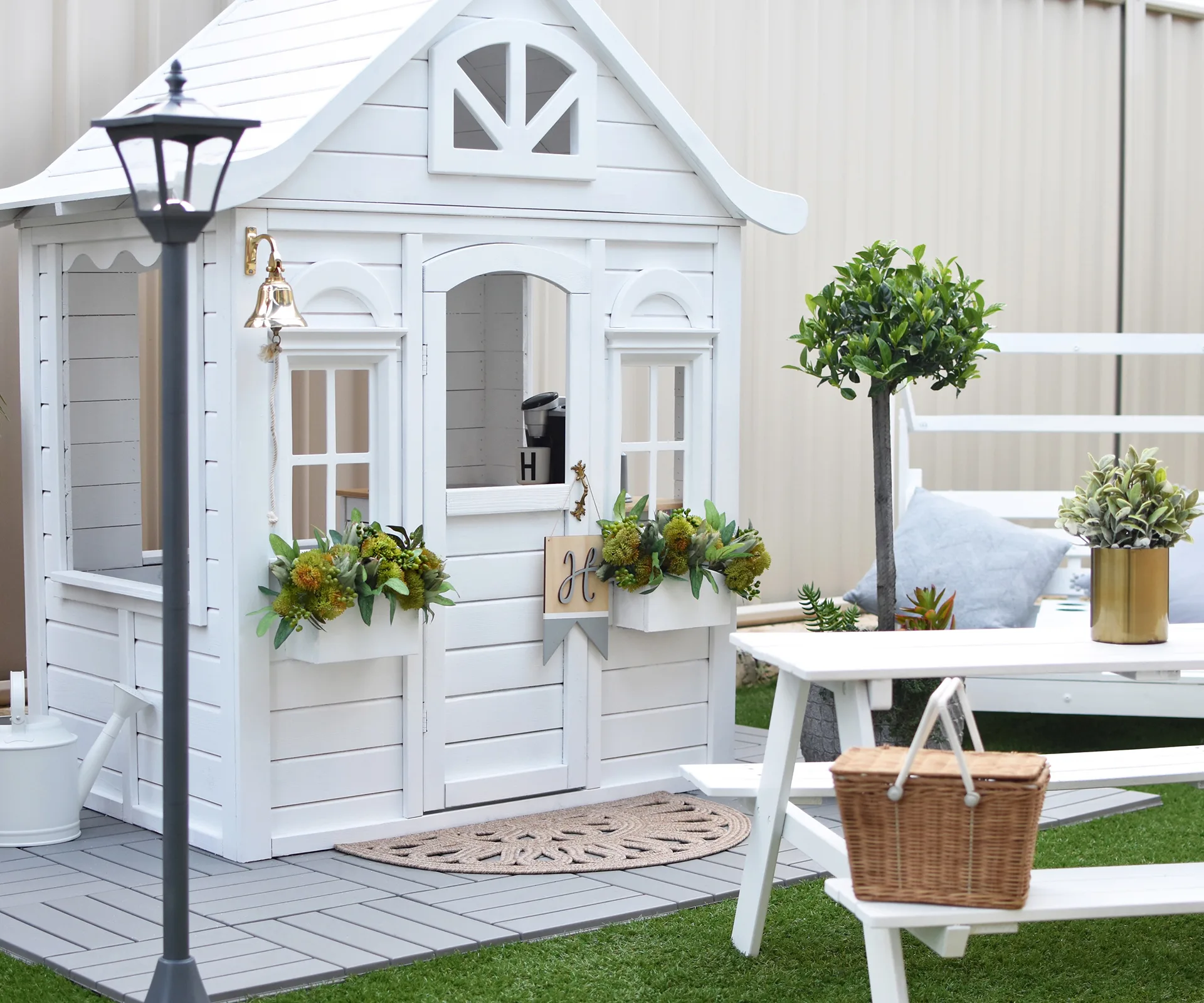
childrens cubby house