Plastic Cubby Houses: Are They More Durable Than Wood? We Tested Both.
The quest for the perfect childrens cubby house inevitably leads parents to a classic crossroads: wood or plastic? Proponents of the modern outdoor cubby made from plastic tout its weather resistance and low maintenance, while champions of the wooden cubby house swear by its sturdiness and timeless appeal. But when it comes to pure, long-term durability in the face of sun, rain, and energetic play, which material truly stands stronger? We examined both under the same conditions to find a clear answer.
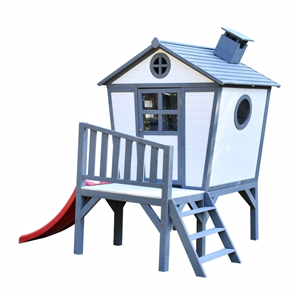
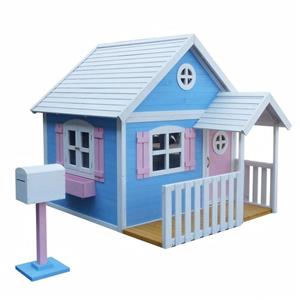
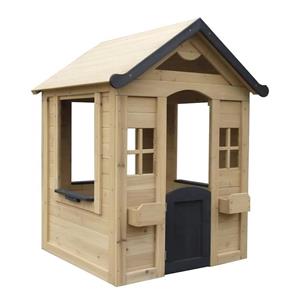
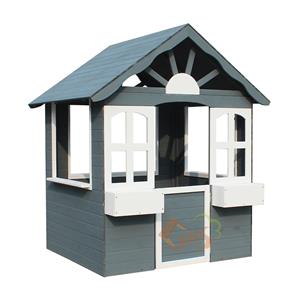
For a fair comparison, we selected two mid-range, similarly sized models: a wooden cubby house constructed from pre-treated pine and a molded plastic outdoor cubby house. Both were installed in a typical suburban backyard, exposed to the elements and subjected to regular use by children aged 4-8. Our evaluation period spanned two years, covering seasonal extremes. We assessed durability across four key metrics: structural integrity, weather resistance, maintenance requirements, and wear from play.
The Results: A Category-by-Category Breakdown
1. Structural Integrity and Stability
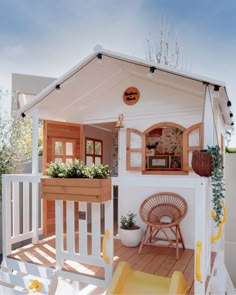
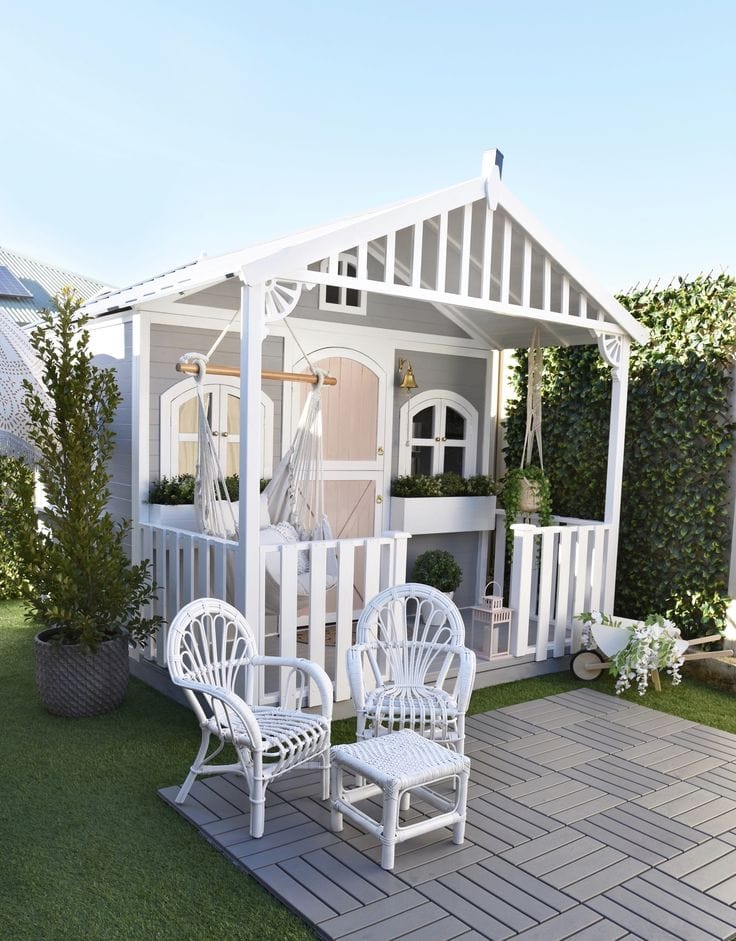
Wooden Cubby House: From day one, the wooden cubby house offered superior inherent rigidity and weight. It felt solid underfoot and did not sway or flex during active play. The structure remained steadfast in high winds once properly anchored. The only noted issue was the occasional need to re-tighten bolts or screws after seasonal wood expansion and contraction.
Plastic Cubby House: The plastic outdoor cubby was noticeably lighter. While assembly was easier, the structure exhibited more flex in the walls and roof panels. It required very secure anchoring to prevent shifting. Over time, some clip-in panels and joints became slightly looser, though they did not fail.
Verdict: For sheer, rock-solid stability and a "permanent" feel, the wooden cubby house won this round. Its structural integrity is less dependent on perfect assembly and more on the inherent strength of the material.
2. Resistance to Weather and Elements
Wooden Cubby House: Treated wood is designed to withstand moisture, but it is not impervious. We observed some mild surface graying from UV exposure after 18 months, and the wood required re-sealing with a protective stain to prevent drying and potential cracking. Crucially, it showed no warping or rotting when maintained.
Plastic Cubby House: Plastic excelled here. It was completely waterproof and immune to rot or insect damage. It required no sealing. However, we observed significant color fading and increased brittleness in areas exposed to constant, direct sunlight. The plastic became less vibrant and felt more fragile to the touch.
Verdict: This is a split decision. Plastic wins for zero-maintenance moisture resistance. However, wood, when properly maintained, shows better long-term resistance to UV degradation without becoming brittle.
3. Maintenance and Upkeep
Wooden Cubby House: Confirmed the expected need for proactive care. To ensure a decade of life, an annual inspection and a reapplication of child-safe sealant every 1-2 years are recommended. This maintenance preserves its durability.
Plastic Cubby House: Lived up to its "low-maintenance" promise in the short term. A simple hose-down kept it clean. No painting or sealing was needed. However, the fading and potential for brittle cracks represent a form of degradation that cannot be "maintained" away.
Verdict: Plastic offers effortless short-term upkeep. Wood requires planned maintenance to achieve its maximum lifespan. The "durability" here depends on whether you define it as "survival without care" or "longevity with care."
4. Wear and Tear from Active Play
Wooden Cubby House: The wood showed superficial scuffs and scratches, which added character. One hard corner impact caused a small dent in the pine but did not compromise the structure. The surface remained tactile and warm.
Plastic Cubby House: The plastic resisted scratches well. However, the aforementioned UV-induced brittleness became a liability. A direct, sharp impact from a toy in a sun-weakened area resulted in a small crack—a failure mode not seen in the wood.
Verdict: Wood proved more impact-resistant and repairable (scuffs can be sanded and re-stained). Plastic resisted everyday abrasions better but was more vulnerable to catastrophic failure from sharp impacts as it aged in the sun.
The Final Verdict: Durability is a Matter of Definition
So, is a plastic cubby house more durable than wood? Not necessarily. Our test revealed that durability is multidimensional.
If you define durability as surviving for 3-5 years with absolutely zero maintenance, a quality plastic outdoor cubby house may satisfy that need, though it may fade and become brittle.
If you define durability as remaining structurally sound, safe, and aesthetically pleasing for a decade or more, then a wooden cubby house is the unequivocal winner—provided you commit to its simple maintenance schedule.
The wooden cubby house demonstrated a superior ability to withstand the test of time and active play when given basic care. Its strength is renewable. The plastic childrens cubby house, while initially resilient, showed an irreversible decline due to environmental exposure.
For a short-term, low-fuss solution, plastic has its place. But for a durable backyard investment—a cubby house that becomes a childhood heirloom capable of housing years of imaginative play—the enduring strength and renewable nature of wood make the traditional wooden cubby house the more durable choice in the long run. Its longevity is an active partnership with the owner, one that pays off with a stable, safe, and charming play space that truly lasts.
outdoor cubby
outdoor cubby house
outdoor cubby house
childrens cubby house