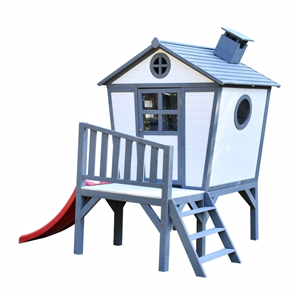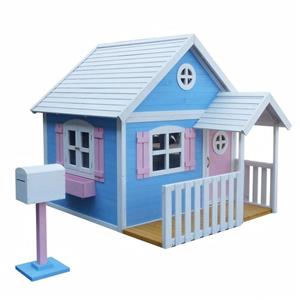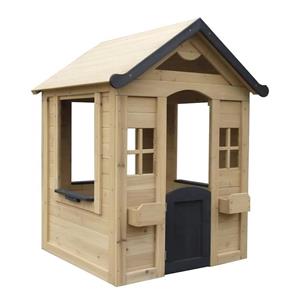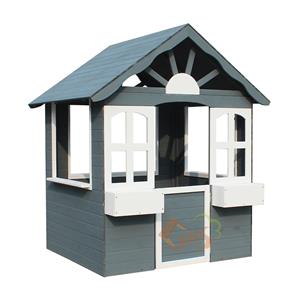
What Are the 5 Unexpected Benefits of a Cubby House for Child Development?
When parents consider adding a cubby house to their backyard, the obvious benefits—like encouraging outdoor play and providing fun—are often top of mind. However, the humble outdoor cubby house offers far more than simple entertainment. Beyond being a charming garden feature, a well-designed childrens cubby house operates as a sophisticated developmental tool, fostering growth in surprising and profound ways. Let’s explore five unexpected benefits that a wooden cubby house or any quality outdoor cubby can deliver for your child’s development.
1. Cultivates Executive Function Through "Micro-Management"
One of the most significant yet overlooked benefits is how a cubby house becomes a training ground for executive function—the mental skills that include working memory, flexible thinking, and self-control. Within their private domain, children naturally engage in complex planning and organization. They decide how to arrange their space, establish rules for entry and use, and manage "resources" (like toys or imagined treasures). This act of micro-managing their own environment strengthens cognitive flexibility, problem-solving, and inhibitory control as they learn to adjust plans when play scenarios evolve. Unlike structured games, the open-ended nature of a cubby house requires constant, self-generated decision-making.
2. Enhances Language and Narrative Complexity
The wooden cubby house is more than a play structure; it’s a stage for elaborate storytelling. As children invent scenarios—from pirate adventures to intergalactic missions—they practice and expand their language skills in context. They assign roles, negotiate plot points, and describe imaginary settings, which enriches vocabulary, syntactic complexity, and conversational turn-taking. This narrative play is foundational for literacy development, as it mirrors the structure of stories with beginnings, conflicts, and resolutions, all crafted organically by the child.
3. Promotes Proprioceptive and Vestibular Development
An outdoor cubby house naturally encourages physical play that goes beyond running and jumping. Activities like moving lightweight furniture inside, rearranging items, crawling through tunnels or low doors, and navigating small windows or ladders provide essential proprioceptive input (awareness of body position and force) and vestibular stimulation (related to balance and spatial orientation). This sensory-motor integration is crucial for body awareness, coordination, and even emotional regulation, helping children understand their physical boundaries in a safe, enclosed space.
4. Fosters Emotional Regulation and a Sense of Agency
A childrens cubby house often serves as a child’s first truly autonomous space—a sanctuary they control. This ownership is powerfully beneficial for emotional development. It becomes a retreat where they can process feelings, practice independence, and experience mastery over their environment. The ability to withdraw into their own cubby house for quiet time or to manage social interactions on their terms helps children build emotional resilience and self-regulation skills. It’s a safe haven where they learn to manage both solitude and sociability.
5. Instills Foundational Principles of Sustainability and Stewardship
When a cubby house is made from natural materials like wood or includes elements like a small planter box, it becomes a tactile introduction to ecological concepts. Children learn firsthand about weathering, the lifecycle of plants if they garden nearby, and the importance of caring for their structure. This fosters an early sense of environmental stewardship and responsibility. Maintaining their outdoor cubby—whether by sweeping it out or helping to apply a non-toxic sealant—teaches respect for resources and the value of preserving their belongings, translating into broader lessons about sustainability.
The value of a cubby house extends far beyond its four walls. It is a dynamic environment that covertly builds critical life skills—from cognitive and linguistic abilities to emotional intelligence and physical coordination. Whether you choose a classic wooden cubby house or a modern outdoor cubby house, you are investing in a versatile tool that supports holistic child development in unexpectedly rich ways. By providing a dedicated space for imagination, autonomy, and exploration, a childrens cubby house proves to be not just a backyard accessory, but a foundational element in nurturing capable, creative, and emotionally balanced young individuals.
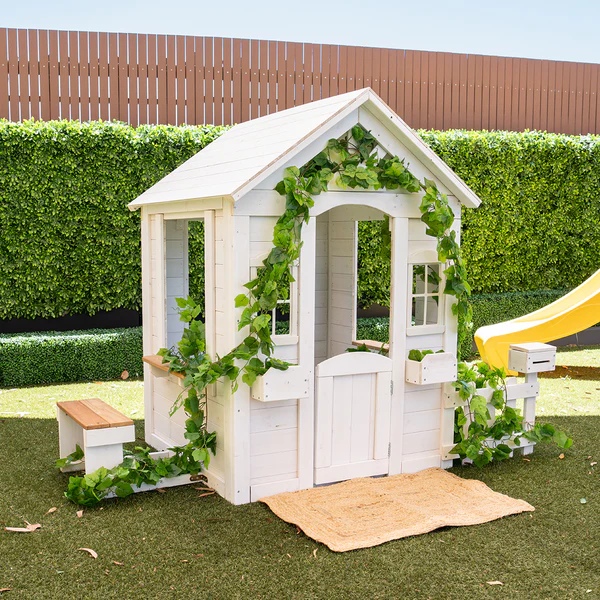
outdoor cubby
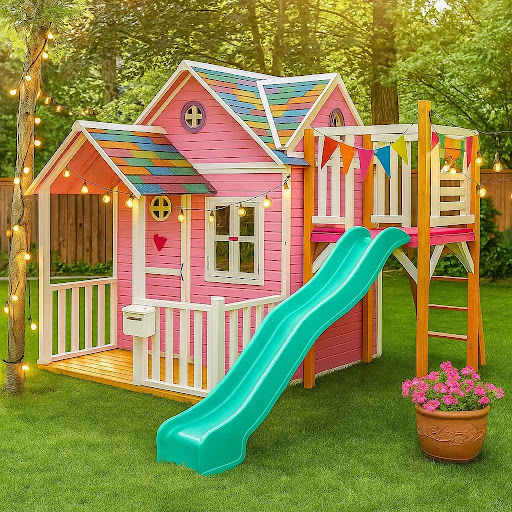
wooden cubby house
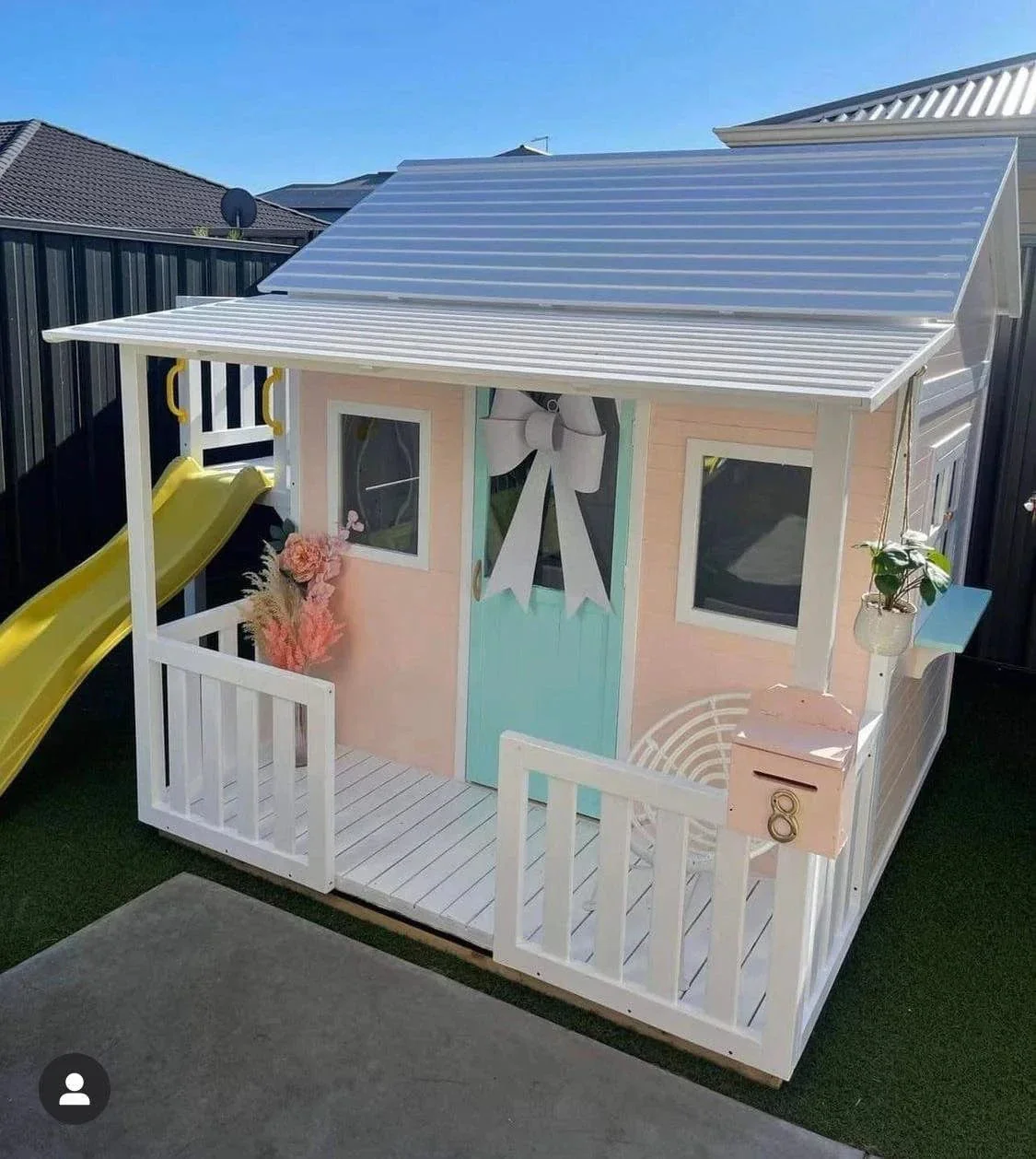
outdoor cubby house
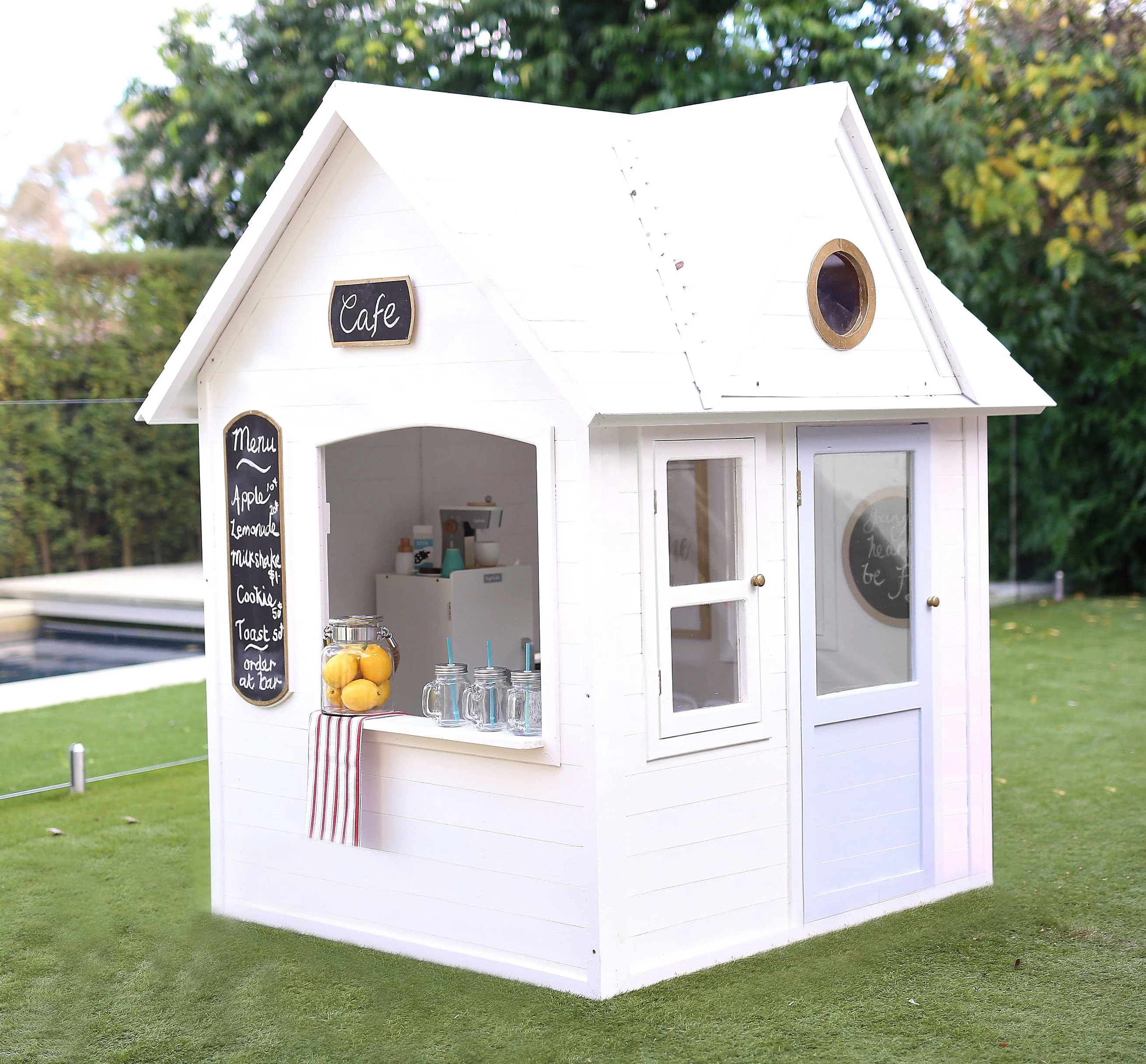
childrens cubby house