What Should I Look for When Buying a Cubby House? An Expert Buyer's Guide
Investing in a cubby house is an exciting step towards creating a magical backyard world for your children. However, with a vast array of designs, materials, and price points on the market, making the right choice can feel overwhelming. Whether you’re drawn to the rustic charm of a wooden cubby house or the modern practicality of a composite outdoor cubby, knowing what to prioritize is key. This expert guide breaks down the essential factors every parent should evaluate to ensure they select a safe, durable, and enchanting childrens cubby house that will deliver joy for years to come.
1. Safety First: The Non-Negotiable Foundation
Safety is the paramount criterion. A well-designed outdoor cubby house should be engineered to minimize risk.
Structural Integrity: The frame must be robust. For a wooden cubby house, look for thick, sturdy timber (like 2x4 or 4x4 framing) and reinforced joints. The entire structure should feel solid and not wobble when tested.
Safe Design Features: Check for rounded edges and smooth, sanded surfaces to prevent splinters and cuts. Railings on elevated platforms must be secure, with baluster spacing less than 3.5 inches (90mm) to prevent a child's head from getting trapped. Ensure there are no protruding bolts or sharp hardware.
Non-Toxic Materials: Verify that all paints, stains, and preservatives are non-toxic, water-based, and certified safe for children's toys. This is especially critical for a wooden cubby house that may have been pressure-treated or stained. Look for certifications like ASTM F963 or EN71.
2. Material Quality and Durability: Built to Last
The choice of material directly impacts longevity, maintenance, and play value.
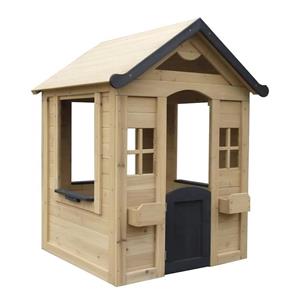
Wooden Cubby House: The classic choice. Look for sustainably sourced, kiln-dried timber like cedar, redwood, or high-grade, treated pine. These woods are naturally resistant to rot and insects. Assess the thickness of panels and the quality of the joinery—dovetail or mortise-and-tenon joints indicate superior craftsmanship.
Plastic/Composite Outdoor Cubby: Offers low maintenance. Prioritize high-density, UV-stabilized polyethylene to prevent fading and brittleness. The plastic should feel thick and substantial, not thin and flimsy.
General Durability Signs: Regardless of material, examine the hardware (rust-resistant galvanized or stainless steel screws/bolts), the quality of roofing material, and the overall weight and heft of the kit. A heavier structure is often more stable.
3. Design, Functionality, and Adaptability
The best childrens cubby house grows with your child, adapting to their changing interests.
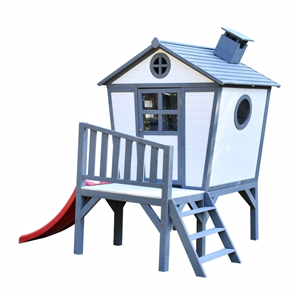
Adaptable & Modular Design: Can the outdoor cubby be expanded or reconfigured? Are there options for add-ons like slides, climbing walls, or extended decks? Modularity extends the product's lifespan and play value.
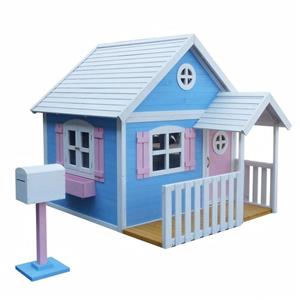
Stimulating Features: Look for elements that spark imagination and activity: chalkboard walls, working shutters, a play counter, a crawl tunnel, or a sandpit area underneath. These features transform a simple structure into a dynamic playscape.
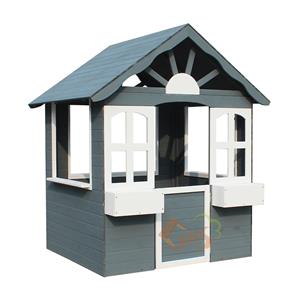
Aesthetic & Practical Design: The design should complement your garden and appeal to your child. Consider roof pitch (steep sheds snow/rain), window placement for light and supervision, and a sensible door size.
4. Ease of Assembly and Clear Instructions
Unless you're hiring a professional, you'll likely be the assembly crew.
Comprehensiveness: The instruction manual should be clear, with step-by-step diagrams and a detailed parts list.
Pre-Cut & Pre-Drilled Components: A quality kit will have precisely pre-cut timber and pre-drilled pilot holes, making assembly more straightforward and ensuring a better fit.
Estimated Build Time: Be realistic about the time commitment. A complex wooden cubby house may take a weekend or more, while a simpler outdoor cubby might be assembled in an afternoon.
5. Reputation, Warranty, and After-Sales Support
Your research shouldn't end with the product specs.
Brand Reputation: Read customer reviews not just on the retailer's site, but on independent platforms. Look for consistent praise regarding quality, durability, and safety.
Warranty: A confident manufacturer will offer a substantial warranty (e.g., 1-2 years on the entire structure, 5-10 years against rot on wood). This is a key indicator of expected longevity.
Customer Support: Ensure the company provides accessible customer service for missing parts or assembly questions.
Choosing the right cubby house is an investment in creativity, outdoor play, and family memories. By systematically evaluating Safety, Material Quality, Adaptive Design, Ease of Assembly, and Brand Reputation, you can move beyond marketing claims and make an informed, confident decision. Remember, the perfect outdoor cubby house or timeless wooden cubby house is one that provides a safe, durable, and endlessly engaging backdrop for your child's imagination to run wild. Taking the time to choose wisely ensures this backyard centerpiece becomes a source of joy for countless seasons.
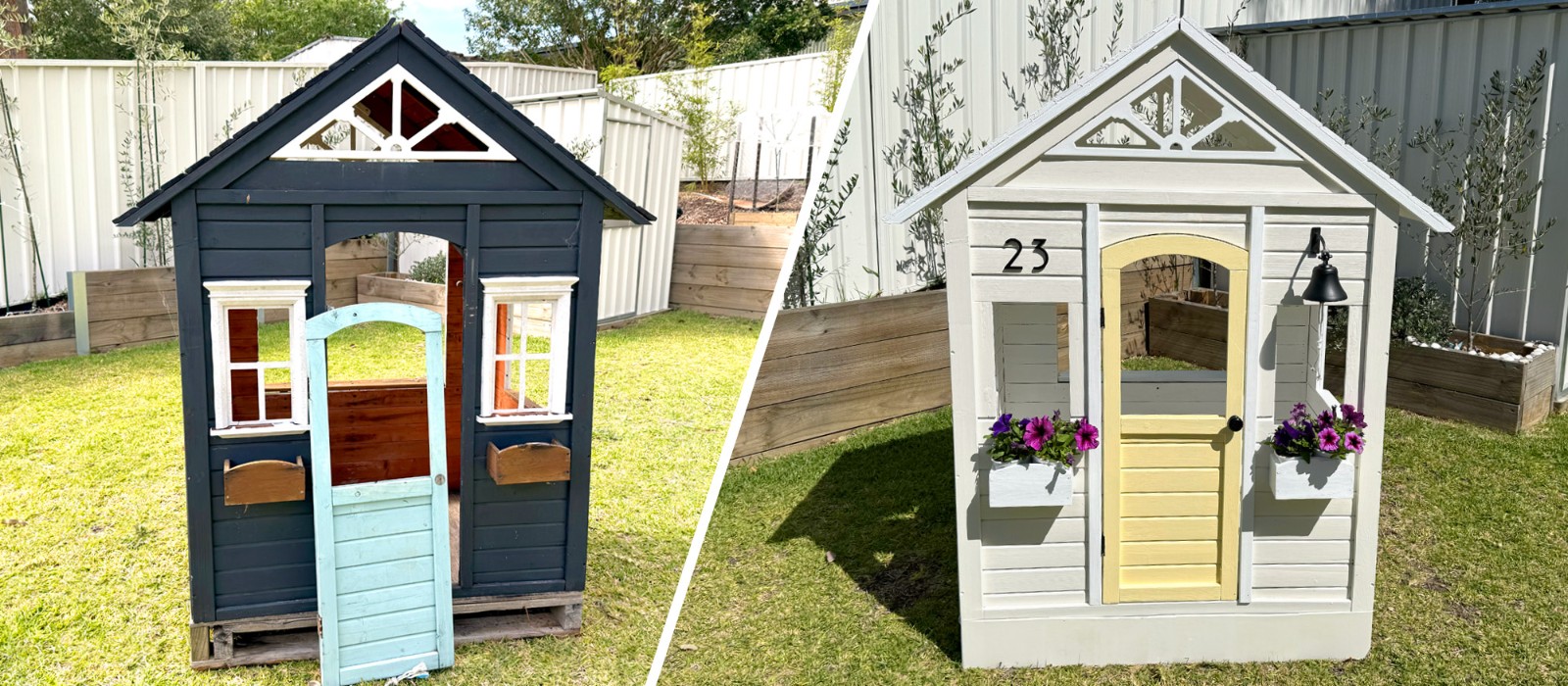
outdoor cubby
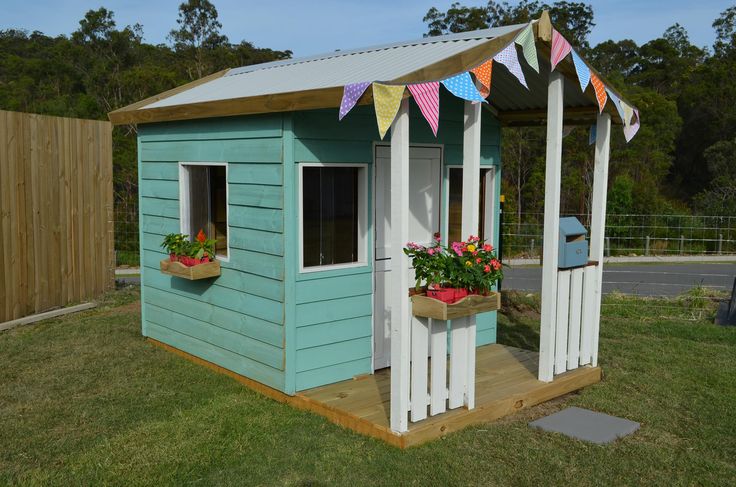
outdoor cubby house
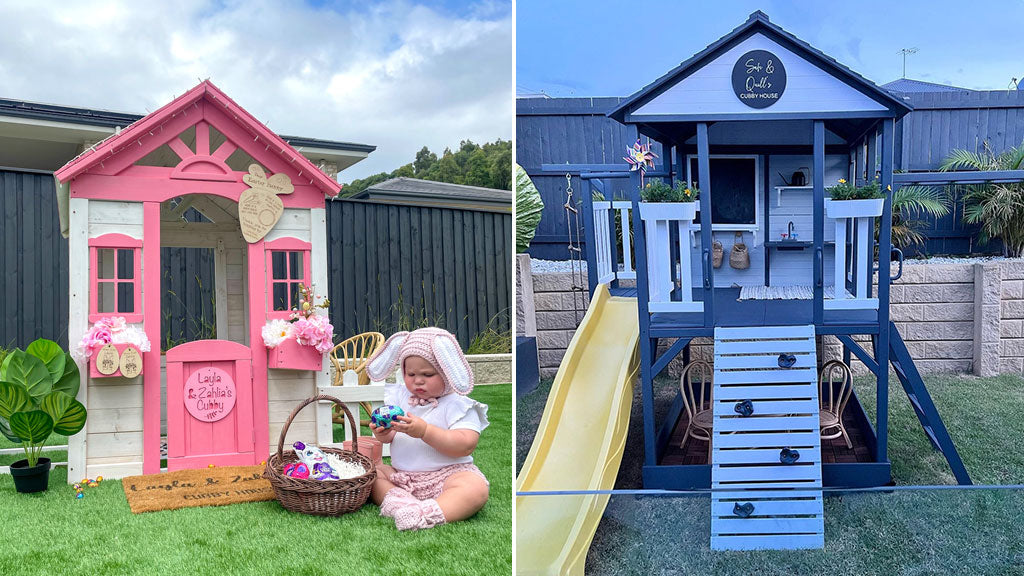
wooden cubby house
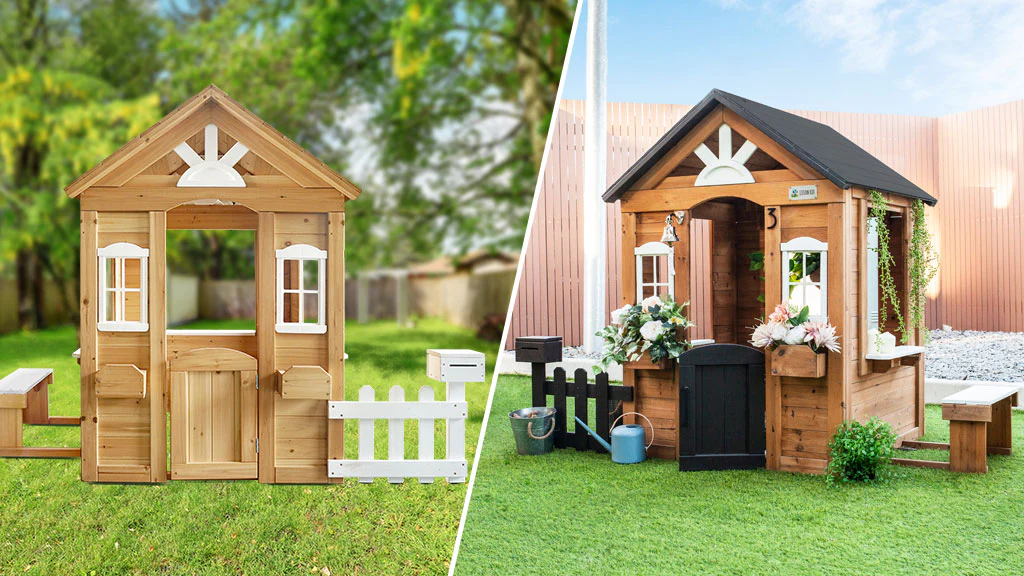
childrens cubby house